Europe has a way of turning an ordinary meal into something worth remembering. From handmade Italian pasta to buttery French pastries and sizzling Spanish tapas, every country brings its own flavors, cooking traditions, and food stories to the table.
But Europe’s food scene goes far beyond pizza, croissants, and paella. Some of its most memorable dishes come from humble kitchens, coastal villages, and family recipes passed down through generations.
For anyone who loves discovering new flavors, these 10 European cuisines offer plenty to get excited about. This selection is based on culinary variety, signature dishes, and distinctive traditions, not an official ranking.
Italian Cuisine: Where Simplicity Meets Incredible Flavor
Italian food has conquered dining tables worldwide, and it is easy to see why. Its appeal often comes from combining a handful of quality ingredients and allowing their natural flavors to shine.
While pizza and spaghetti are international favorites, Italy’s regional specialties offer much more. Northern regions are known for risotto and polenta, while southern cooking celebrates tomatoes, olive oil, seafood, and pasta.
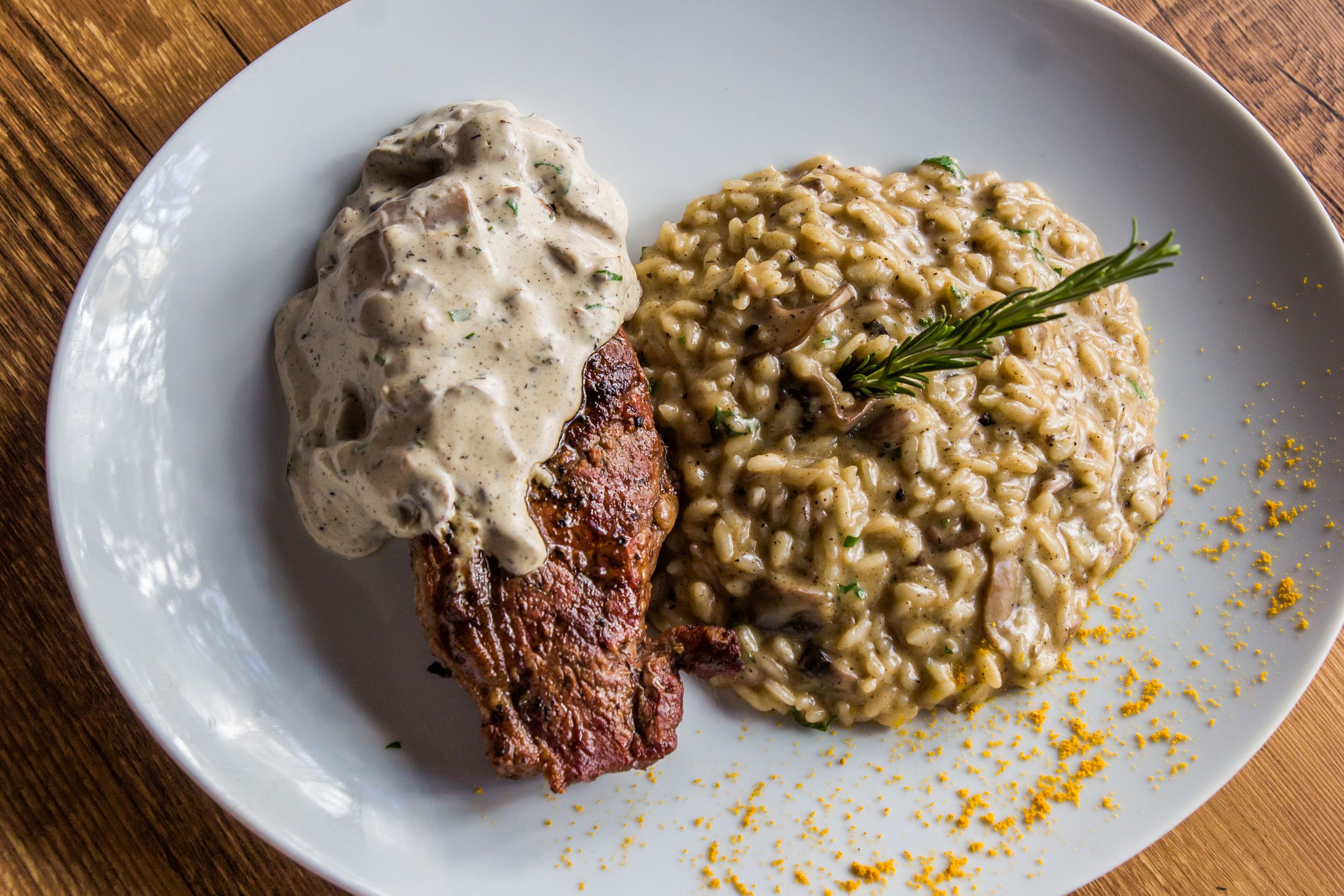
A plate of creamy risotto alla Milanese or traditional Neapolitan pizza shows just how different Italian cooking can be from one region to another. For food lovers, Italy is the kind of destination where even a simple lunch can become the highlight of the day.
French Cuisine: A Celebration of Culinary Craftsmanship
France has built an international reputation around cooking techniques, beautiful presentation, and an extraordinary variety of regional dishes. Yet some of its most beloved foods are surprisingly rustic.
Think slow-cooked beef bourguignon, onion soup topped with melted cheese, and coq au vin simmered with wine and vegetables. These dishes show how French cooking can turn familiar ingredients into something special.
Then there are the bakeries. Buttery croissants, delicate macarons, and crisp baguettes make French cuisine particularly appealing to pastry enthusiasts. Along the Mediterranean coast, Marseille’s famous bouillabaisse offers another side of the country’s remarkable culinary diversity.
Spanish Cuisine: Small Plates, Big Flavors
Spain knows how to make eating a social occasion. Its famous tapas culture encourages people to order several small dishes, share them around the table, and enjoy different flavors in one sitting.
Popular choices include patatas bravas, croquettes, Spanish tortilla, and jamón ibérico. Meanwhile, Valencia is celebrated for paella, a rice dish with roots in the region’s cooking traditions.
Spanish food is also wonderfully varied. Andalusia is known for chilled gazpacho, Galicia for seafood specialties, and the Basque Country for its distinctive cooking culture.
For adventurous eaters who prefer trying a little of everything rather than committing to one large plate, Spain is particularly appealing.
Greek Cuisine: Mediterranean Flavors at Their Finest
Greek cuisine brings together fragrant herbs, olive oil, cheeses, grilled meats, vegetables, and fresh seafood. Many traditional dishes feel familiar while offering distinctive flavor combinations.
Moussaka, with its layers of eggplant, meat sauce, and creamy topping, is a classic worth trying. Souvlaki, grilled meat served on skewers or in pita, is another favorite, especially when paired with tangy tzatziki.
Greek dining also celebrates sharing. A table filled with olives, feta, stuffed grape leaves, and small plates can be just as satisfying an experience as a formal multi-course dinner.
For dessert, baklava offers a sweet mix of crisp pastry, nuts, and syrup.
Portuguese Cuisine: A Seafood Lover’s Paradise
Portugal deserves more attention from anyone interested in Europe’s culinary traditions. With its long Atlantic coastline, seafood plays a central role in many of the country’s most recognizable dishes.
Salted cod, known as bacalhau, is especially important. It appears in many preparations, including bacalhau à Brás, which combines shredded cod with potatoes, onions, and eggs.
Visitors can also explore grilled sardines, seafood stews, and traditional meat dishes such as cozido à portuguesa.
No introduction to Portuguese food would be complete without pastel de nata. These little custard tarts, with their flaky pastry shells and caramelized tops, are reason enough for pastry enthusiasts to pay attention.
German Cuisine: Hearty Meals and Traditional Comfort Food
German cuisine is often associated with sausages and pretzels, but there is much more to discover. Its regional traditions include slow-cooked meats, potato dishes, breads, and satisfying comfort foods.
Bratwurst is a popular introduction, while sauerbraten, a marinated pot roast, offers a richer dining experience. In southern Germany, dishes such as käsespätzle, soft egg noodles combined with cheese, show another side of the country’s cooking.
German bakeries are equally interesting. From dark rye breads to soft pretzels and elaborate cakes, there are plenty of specialties to explore.
For food enthusiasts who appreciate generous portions and traditional cooking methods, Germany offers a memorable experience.
Related:7 of the World’s Most Dangerous Beaches That Look Like Paradise
Polish Cuisine: The Home of Delicious Dumplings
Polish cuisine deserves a place on any serious food lover’s list. Its dishes are deeply connected to family gatherings, seasonal ingredients, and comforting home cooking.
Pierogi are perhaps the country’s most recognizable specialty. These dumplings come with fillings ranging from potatoes and cheese to mushrooms, meat, and sweet fruit.
Bigos, a slow-cooked cabbage-and-meat stew, is another beloved classic. Polish soups also deserve attention, particularly żurek, a distinctive sour rye soup.
Dessert lovers can enjoy Polish cheesecake, poppy seed cake, and traditional pastries. With such a wide range of flavors and preparations, Polish cooking has far more variety than newcomers might expect.
Hungarian Cuisine: Rich, Bold, and Full of Paprika
Hungarian food has its own character, with paprika playing an especially important role in many traditional recipes.
Gulyás, commonly called goulash, is one of the country’s signature dishes. In Hungary, it is typically prepared as a flavorful soup with beef, vegetables, and paprika.
Another specialty is chicken paprikash, which combines tender chicken with a paprika-rich sauce, often finished with sour cream. It is commonly served alongside small dumplings called nokedli.
For something sweet, chimney cake, known as kürtőskalács, offers a delightful treat. Its cylindrical shape and caramelized exterior make it a particularly recognizable pastry.
Croatian Cuisine: A Delicious Meeting of Culinary Traditions
Croatia’s cuisine reflects its varied geography, combining Mediterranean coastal cooking with hearty inland traditions.
Along the Adriatic coast, seafood is a major attraction. Visitors may encounter grilled fish, octopus, and black risotto made with squid ink.
In Dalmatia, pašticada is a celebrated specialty. This slowly braised beef dish is commonly served with gnocchi and features a rich sauce that can include wine, herbs, and dried fruit.
Meanwhile, the Istrian region is associated with truffles, handmade pasta, and olive oil. Food enthusiasts seeking regional variety will find plenty to explore.
Austrian Cuisine: A Wonderful Choice for Pastry Lovers
Austria combines substantial traditional meals with an impressive pastry culture. It is especially appealing to anyone who enjoys ending a meal with something sweet.
Wiener schnitzel is one of Austria’s best-known dishes. Traditionally made with veal, it features a thin, breaded cutlet fried until golden and crisp.
The country’s desserts are equally famous. Apfelstrudel combines delicate pastry, spiced apples, and often raisins, while Sachertorte features layers of chocolate cake with apricot jam and chocolate icing.
Vienna’s café tradition adds another dimension to the experience. Taking time over coffee and a slice of cake can be just as memorable as a full Austrian dinner.
Which European Cuisine Should You Try First?
Choosing the best cuisine ultimately depends on personal taste. Italy is a natural starting point for pasta and pizza enthusiasts, while France appeals to those who appreciate pastries and classic cooking techniques.
Spain is great for people who love sharing small plates, and Portugal especially appeals to seafood lovers. Meanwhile, Poland, Hungary, and Germany offer rich comfort-food traditions, while Croatia and Austria bring their own regional specialties.
The wonderful thing about European cuisine is that you don’t have to choose just one favorite. Every new dish offers a chance to discover another tradition, another ingredient, and another story.
Sometimes, the most unforgettable meal isn’t found in an expensive restaurant but in a small neighborhood kitchen where a familiar recipe has been prepared with care for generations.