Remember when restaurant menus had foods you couldn’t wait to order, only for them to disappear without much warning? From oversized pizzas to beloved fast-food sides, some discontinued favorites are still missed years after they disappeared.
American restaurant chains constantly introduce new dishes, experiment with unusual combinations, and remove items that no longer fit their business plans. Unfortunately, those decisions sometimes mean saying goodbye to foods that customers genuinely enjoyed.
Disappearing menu items aren’t necessarily unsuccessful from the start. Some attract enthusiastic customers but prove expensive, complicated, or inconvenient for restaurants to prepare.
Take McDonald’s Snack Wrap, which vanished from U.S. menus in 2016 before returning permanently in July 2025 after years of customer requests. KFC’s potato wedges also returned in August 2025, demonstrating how nostalgia can influence restaurant decisions.
But plenty of other memorable foods remain absent from national menus.
Here are six former restaurant favorites that disappeared from major American chains, what made them memorable, and why they went away.
McDonald’s McDLT Burger
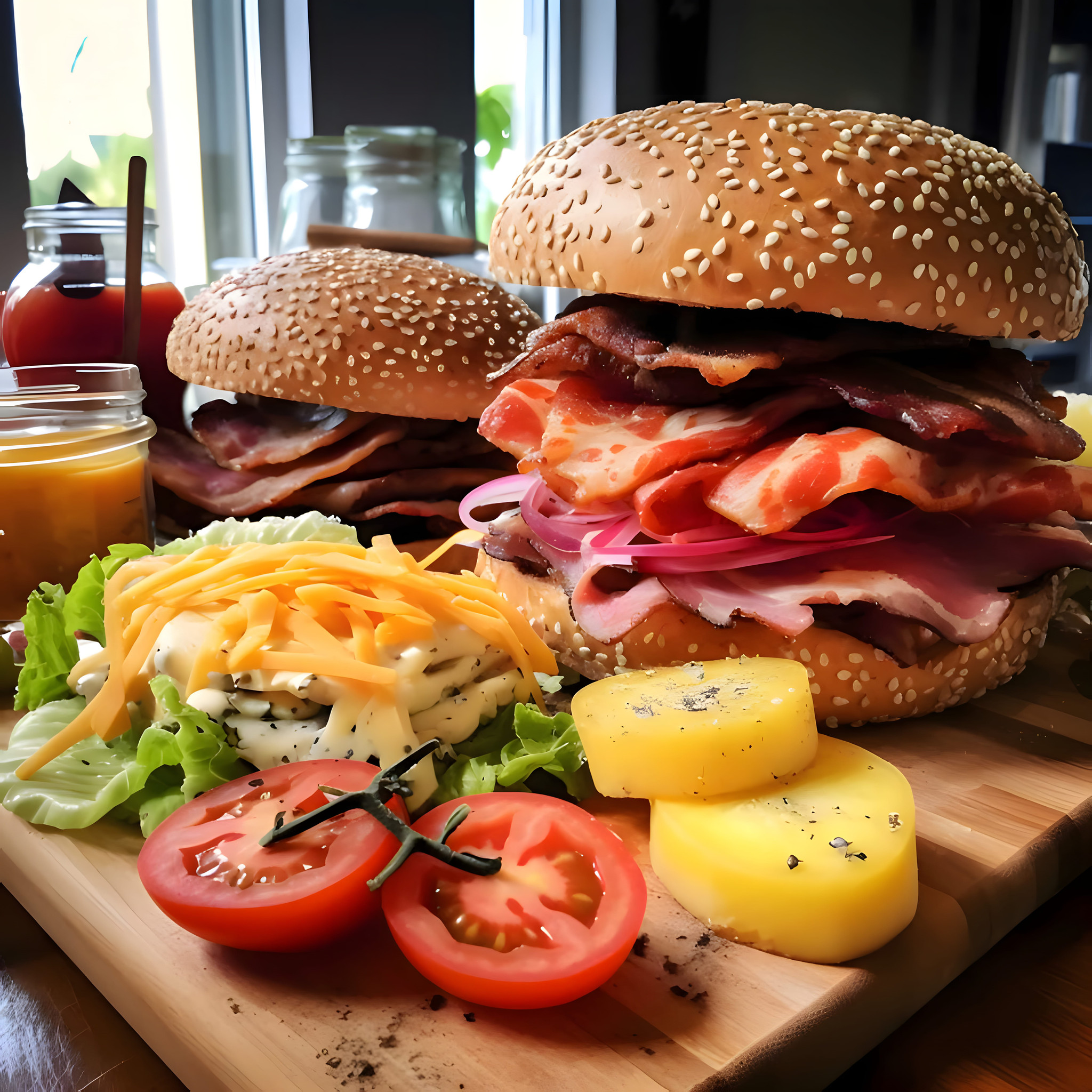
Long before fast-food restaurants started experimenting with customizable burgers, McDonald’s had a sandwich built around one unusual promise: keeping hot ingredients hot and cold ingredients cold.
The McDLT, introduced during the 1980s, was a hamburger served in a specially designed two-compartment container.
One side held the hot hamburger patty and bun, while the other contained the lettuce, tomato, and remaining toppings.
Customers combined everything immediately before eating.
The idea appealed because nobody particularly enjoys warm, wilted lettuce against a freshly cooked burger.
McDonald’s promoted the product using a memorable advertising campaign centered on its temperature-separated packaging.
However, the container also contributed to the sandwich’s downfall.
As environmental concerns about foam packaging grew, McDonald’s began moving away from materials used for products like the McDLT.
Today, the McDLT remains an unusual example of a fast-food product whose packaging was almost as recognizable as the food itself.
Although customers can still order burgers with lettuce and tomatoes, the original two-compartment experience has disappeared.
Wendy’s Superbar
Imagine walking into Wendy’s and being able to fill your plate with pasta, tacos, salad, and other buffet-style favorites.
For Americans who remember the late 1980s and 1990s, that experience wasn’t imaginary.
Wendy’s introduced its Superbar in 1988, expanding its traditional salad bar into an elaborate self-service dining option.
The buffet featured three distinct sections.
The Garden Spot offered salads and fruit, Mexican Fiesta provided Mexican-inspired options, and Pasta Pasta focused on Italian-style dishes.
The Superbar cost approximately $2.99 for all-you-can-eat access in many locations.
For customers accustomed to ordering a single burger and fries, the concept offered something different.
Families could choose from several dishes without everyone having to agree on one type of food.
Unfortunately, running a buffet alongside a traditional fast-food operation created practical challenges.
Employees had to keep multiple food stations stocked, maintain cleanliness, and continue preparing regular menu orders.
Wendy’s discontinued the expanded Superbar in 1998.
While Wendy’s continued offering salad bars in various forms for several more years, the larger buffet never became a permanent part of its modern restaurant format.
For former customers, the Superbar represents an era when fast-food restaurants experimented with surprisingly ambitious dining experiences.
Related Post:12 Old-Fashioned Foods Your Grandma Made That You Rarely See on Dinner Tables Today
Pizza Hut’s Priazzo Italian Pie
Pizza Hut once offered something that looked less like an ordinary pizza and more like a giant stuffed Italian pie.
Called the Priazzo, this unusual creation arrived in 1985.
Instead of a traditional crust with toppings spread across the surface, the Priazzo featured a substantial layered construction with generous fillings.
It was designed to provide a more elaborate dinner experience.
Pizza Hut promoted the dish as an Italian-style specialty, hoping customers would see it as something different from their usual pizza order.
Initially, the experiment attracted attention.
Pizza Hut’s parent company reported a 12% revenue increase in early 1986, with the Priazzo contributing partly to that growth.
However, preparing the thick, layered pies took considerable effort.
The format also demanded more cooking time than customers might expect from an ordinary pizza restaurant.
Eventually, interest faded, and the Priazzo began disappearing from menus in the early 1990s.
Its last documented promotional appearances date to 1993.
Today, stuffed-crust pizzas and deep-dish varieties remain available at different restaurants, but they aren’t exact replacements for the original Priazzo.
For customers who remember eating one at Pizza Hut, the discontinued pie stands out as an ambitious experiment that never became a permanent classic.
Chick-fil-A’s Original Coleslaw
Sometimes, people miss the side dish most.
For longtime Chick-fil-A customers, the chain’s coleslaw disappearing was particularly disappointing.
The creamy cabbage side dish had been part of the restaurant’s traditional menu for decades.
It provided a familiar accompaniment to chicken sandwiches and other meals, especially for customers who enjoyed old-fashioned Southern-style sides.
Unlike elaborate promotional sandwiches, coleslaw wasn’t intended to generate excitement through novelty.
Its appeal came from familiarity.
Customers knew what they were ordering and appreciated having another option alongside fries.
However, Chick-fil-A removed coleslaw from its regular nationwide menu in 2016 as the company updated its side-dish selection.
The change ended a longstanding menu tradition.
Interestingly, the chain acknowledged customers’ affection for the dish by making its original recipe available to the public.
The company has no current plans to restore coleslaw nationwide.
There’s one important exception: Chick-fil-A says its Dwarf House restaurants continue serving the dish as part of their expanded menus.
That means the coleslaw hasn’t completely vanished from every location.
Still, most customers nationwide can no longer order it with a regular Chick-fil-A meal.
McDonald’s Southwest Chicken Salad
Not every discontinued restaurant favorite was a burger, sandwich, or fried snack.
For years, McDonald’s offered salads to customers who wanted something different from the chain’s traditional fast-food selections.
One memorable option was the Southwest Chicken Salad.
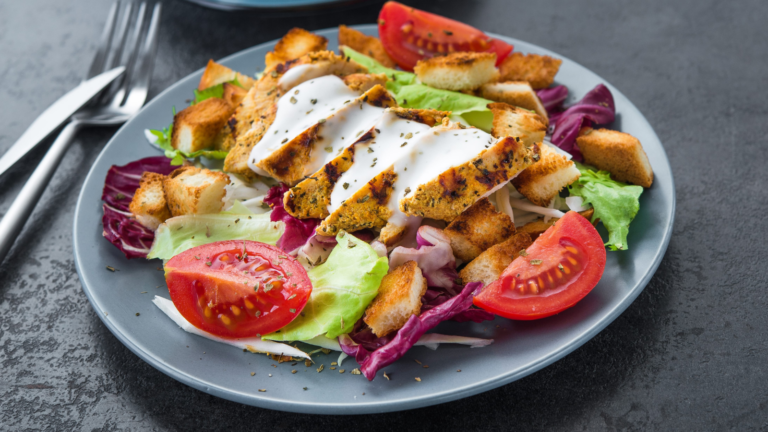
It combined chicken with vegetables and Southwest-inspired ingredients, creating a meal that stood apart from the restaurant’s hamburgers.
The salad appealed to customers looking for a different flavor combination without visiting another restaurant.
However, McDonald’s removed salads from its national U.S. menu in 2020 to simplify restaurant operations.
The decision affected more than one individual salad variety.
In 2024, McDonald’s USA President Joe Erlinger said the chain’s experience suggested customers came primarily for familiar products such as burgers, fries, and sandwiches.
Erlinger said McDonald’s would reconsider salads if customer demand grew.
But the chain had not restored its former nationwide salad lineup as of the latest reporting reviewed.
For customers who appreciated the Southwest Chicken Salad, its disappearance removed an option that had helped diversify the restaurant’s menu.
It also illustrated an important reality about fast-food operations: even recognizable products can disappear when demand doesn’t justify keeping them on the menu.
Taco Bell’s Enchirito
Few discontinued fast-food items have demonstrated the staying power of Taco Bell’s Enchirito.
First introduced in 1970, the Enchirito combined familiar characteristics of a burrito and an enchilada.
The dish featured a flour tortilla filled with beef, beans, and onions, then covered with red sauce and cheese.
It offered a different experience from the handheld tacos and burritos customers usually associated with Taco Bell.
Despite its history, the Enchirito eventually disappeared from the chain’s regular national menu.
But customers didn’t forget it.
In 2022, Taco Bell ran a competition that let Rewards members vote on whether the Enchirito or Double Decker Taco should return temporarily.
More than 760,000 votes were cast, with the Enchirito winning approximately 62% of the total.
Taco Bell brought the dish back for a limited period in November 2022.
It subsequently returned for another limited run in 2023, but neither comeback made it a permanent national offering.
Its history demonstrates how strongly some customers remember discontinued restaurant products.
For Enchirito fans, the hope of another comeback remains part of its appeal, although there is no confirmed permanent nationwide return.
Why Restaurants Keep Removing Foods Customers Love
Discontinued menu items often tell a bigger story about how American dining habits have changed.
Restaurants must balance customer preferences with prep time, ingredient costs, equipment needs, and the practical demands of serving large crowds.
A complicated dish might develop an enthusiastic following but still be difficult to maintain across hundreds or thousands of locations.
Other foods disappear because restaurants shift their marketing strategies or prioritize products that sell more consistently.
But nostalgia creates an interesting possibility.
As the returns of McDonald’s Snack Wrap and KFC’s potato wedges have shown, a discontinued favorite isn’t necessarily gone forever.
And for people who grew up enjoying the McDLT, Wendy’s Superbar, or Pizza Hut’s Priazzo, the memories often extend beyond the food itself.
They remember family outings, weekend lunches, childhood celebrations, and the excitement of ordering something special.
Sometimes, losing a favorite menu item feels like losing a small piece of the past.
Posts You Might Like:
6 Forgotten Foods Once Common in American Homes
6 Classic Foods from the 1970s That Have Vanished from Modern Kitchens