The dishwasher is one of the hardest-working appliances in the kitchen. After a long day of cooking, tossing dirty dishes in and pressing a button can feel like a small victory. But that convenience can come at a cost, especially when expensive cookware, delicate glasses, and favorite kitchen tools are involved.
Hot water, powerful detergents, and intense cleaning cycles can damage certain materials. Some items lose their shine, others become warped, and a few may never work quite the same again.
Before loading your next batch of dishes, take a closer look at these 10 kitchen items that deserve a little extra attention.
Wooden Cutting Boards and Utensils
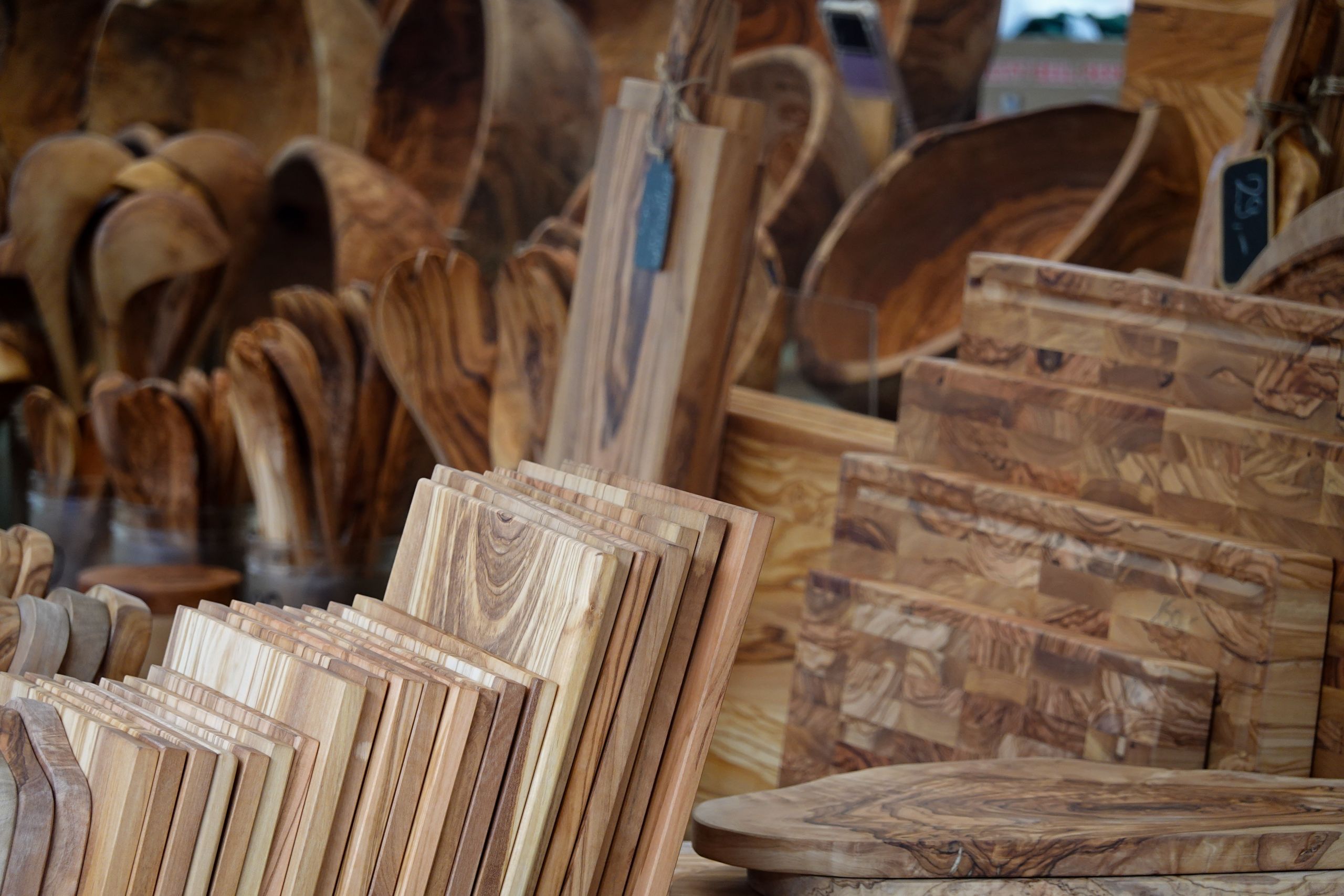
That beautiful wooden cutting board sitting on your countertop might look sturdy enough to handle anything. Unfortunately, a dishwasher can quickly shorten its lifespan.
Wood naturally absorbs moisture. During a dishwasher cycle, prolonged exposure to water and heat can cause wooden boards, spoons, and spatulas to swell. Repeated washing may eventually leave them warped, cracked, or rough.
Even expensive wooden utensils are vulnerable. A cutting board that once sat perfectly flat may start rocking on the countertop after repeated dishwasher cycles.
Instead, wash wooden kitchen tools by hand with warm water and mild dish soap. Rinse them, dry them promptly, and allow any remaining moisture to evaporate before putting them away.
A little extra attention can keep your favorite wooden tools looking great for years.
Cast-Iron Skillets
If you own a cast-iron skillet, you probably know how valuable its seasoned cooking surface can be.
Traditional cast iron develops a protective seasoning layer through repeated applications of oil and heat. That layer helps protect the metal and improves the cooking surface over time.
Unfortunately, putting a traditional cast-iron skillet in the dishwasher can remove its seasoning. Extended moisture exposure can also encourage rust.
Traditional cast-iron cookware belongs on the hand-washing list.
Clean your skillet according to its manufacturer’s instructions, then dry it thoroughly. When needed, apply a thin layer of oil to maintain its seasoning.
Enameled cast iron is different. Some brands, including Le Creuset, make dishwasher-safe versions, although hand-washing may help preserve their appearance.
Related Post:4 Common Kitchenware Items You Should Never Clean in the Dishwasher
Sharp Kitchen Knives
Your favorite chef’s knife might make chopping vegetables effortless, but the dishwasher doesn’t treat the blade kindly.
Inside the appliance, knives can move against other utensils or dishwasher racks. That contact can damage delicate cutting edges and leave them duller than expected.
Heat and detergent can also affect certain handles, particularly wooden ones or those attached with adhesives.
There’s another practical concern. Sharp knives tucked among other dishes can create an unnecessary cutting hazard when someone unloads the machine.
The better option is simple: wash quality kitchen knives individually using mild dish soap and water.
Dry each knife immediately and store it safely in a knife block, protective sheath, or appropriate drawer organizer.
Keeping sharp knives out of the dishwasher protects both your investment and their cutting performance.
Nonstick Pots and Pans
Nonstick cookware makes everything from scrambled eggs to pancakes easier to prepare. However, that convenient coating deserves careful treatment.
Some manufacturers advertise their nonstick cookware as dishwasher-safe. Even so, repeated exposure to harsh detergents and demanding cleaning cycles can gradually affect certain coatings.
The result can be a cooking surface that loses its smooth appearance or no longer performs as well as it once did.
Before washing any nonstick pan, check the manufacturer’s specific care instructions.
For cookware that requires hand-washing, use warm water, mild dish soap, and a soft sponge. Avoid abrasive scrubbers that could scratch the surface.
Let the pan cool before cleaning, too. Sudden temperature changes can damage certain cookware materials.
A gentler approach can help you get more use out of your favorite frying pan.
Crystal Glasses and Delicate Glassware
Those beautiful crystal glasses saved for birthdays, anniversaries, and holiday dinners deserve more attention than everyday drinking glasses.
Fine crystal and delicate glassware may struggle with the dishwasher’s powerful water jets and detergent.
Over time, some glass surfaces can develop permanent cloudiness or etching. Thin stems and delicate edges are also vulnerable to chips and breakage.
Hand-painted glassware can sustain additional damage when decorative finishes are repeatedly washed.
For delicate pieces, fill your sink with warm water and use a gentle dish soap. Carefully wash each glass individually, then dry it with a soft, lint-free towel.
Sturdy everyday glasses are often dishwasher-safe, so there’s no need to hand-wash every drinking glass in your cupboard.
The important difference is knowing which pieces need special care.
Copper Pots and Pans
A polished copper pot can instantly make a kitchen look more impressive. Keeping that attractive finish intact, however, requires some effort.
Copper reacts differently to cleaning products than stainless steel or ordinary ceramic dishes.
Harsh dishwasher detergents can discolor the metal, leaving its polished surface looking dull or uneven. Certain cleaning conditions can also cause pitting.
That means a beautiful copper saucepan could emerge looking considerably less attractive after repeated dishwasher cycles.
Hand-washing is generally the better choice.
Use a soft sponge and mild dish soap to remove everyday food residue. Dry the cookware thoroughly after washing.
If your copper cookware needs polishing, follow the manufacturer’s instructions and use a cleaner appropriate for its finish.
With proper care, copper cookware can remain both practical and attractive.
Insulated Travel Mugs and Thermoses
Your favorite travel mug probably accompanies you on morning commutes, road trips, and busy afternoons.
Unfortunately, not every insulated mug is designed to handle dishwasher cleaning.
Some travel mugs use vacuum insulation and specialized seals to maintain their temperature performance. Repeated dishwasher exposure can damage certain seals or other components.
Once those parts are compromised, a mug may no longer keep drinks hot or cold as effectively.
Painted finishes and decorative designs can also wear prematurely under demanding washing conditions.
That said, some modern insulated bottles and mugs are explicitly dishwasher-safe. Always check the product’s label or care instructions rather than assuming every insulated container needs hand-washing.
For products that require it, warm water, dish soap, and a suitable bottle brush are usually enough.
Pay particular attention to removable lids and seals, which may have separate cleaning instructions.
Fine China and Hand-Painted Dinnerware
Grandma’s cherished dinner plates might be beautiful, but placing them in the dishwasher could be an expensive mistake.
Antique china, hand-painted ceramics, and decorative dinnerware often feature delicate finishes that need gentler cleaning.
Gold or silver rims can fade or deteriorate after repeated exposure to dishwasher detergent.
Hand-painted patterns may also lose their original appearance, especially when the decoration wasn’t designed to withstand machine washing.
Older pieces can be particularly vulnerable because their materials and finishes vary considerably.
Wash delicate dinnerware by hand using a soft sponge and mild detergent. Avoid stacking fragile plates against one another during cleaning.
Modern everyday china may be dishwasher-safe, but sentimental or decorative pieces deserve closer attention to their care requirements.
Disposable Plastic Containers
Reusing takeout containers and other disposable plastic packaging can seem like a convenient way to organize leftovers.
However, many thin plastic containers aren’t designed to withstand dishwasher temperatures.
During hot cleaning cycles, lightweight plastic may warp, shrink, or lose its original shape.
Lids can become especially troublesome. Once a lid changes shape, it may no longer fit securely, making the container less useful.
Some lightweight pieces can also shift during washing because of the water’s force.
Instead of automatically loading disposable containers, check whether they’re labeled dishwasher-safe.
For reusable plastic containers approved for machine washing, follow the manufacturer’s placement instructions, which may recommend the top rack.
For containers without clear care guidance, hand-washing is the safer choice.
Aluminum Cookware and Baking Pans
Aluminum baking sheets, cake pans, and cooking utensils are common in American kitchens. They are lightweight, practical, and often affordable.
But certain aluminum products can react poorly to dishwasher detergents.
Uncoated aluminum may develop dark discoloration, spotting, or a dull appearance after dishwasher use.
Some aluminum cookware can also experience surface changes that are difficult to reverse.
Disposable aluminum baking trays present an additional problem. Their lightweight construction makes them more likely to move during a washing cycle.
Keep disposable aluminum pans out of the dishwasher because they can shift and leave dark marks on other items.
For aluminum cookware, follow the maker’s cleaning recommendations. Hand-washing uncoated aluminum with mild dish soap and a nonabrasive sponge is often better.
A Little Extra Care Goes a Long Way
The dishwasher makes everyday cleanup easier, but it isn’t the best cleaning method for everything in your kitchen.
Before putting an unfamiliar item in, check its dishwasher-safe label or the manufacturer’s instructions. A few minutes of hand-washing can help preserve expensive cookware, sentimental dinnerware, and favorite kitchen tools.
After all, saving a little time on cleanup isn’t worth ruining something you love.
Which kitchen item have you been putting in the dishwasher that you might start washing by hand?
Posts You Might Like:
9 Common Dishwasher Myths Debunked: Expert Advice for Cleaner, More Efficient Use
12 Age-by-Age Chores Kids Can Actually Handle