Your pantry might look perfectly organized, but some ingredients on those shelves could be losing their best qualities without you noticing. That bag of flour, bottle of cooking oil, or jar of spices may not stay fresh nearly as long as you assume.
The tricky part is that pantry staples don’t always show obvious signs of aging. Some gradually lose flavor, others develop unpleasant odors, and a few stop performing the way they should in recipes.
Before your next grocery trip, check these eight everyday pantry staples and simple ways to keep them at their best.
Whole-Wheat Flour

Whole-wheat flour might seem like something you can buy in bulk and forget about for months. Unfortunately, it doesn’t behave quite like regular white flour.
Because whole-wheat flour contains natural oils from the grain, those oils can eventually turn rancid. Milling also exposes more of the grain to oxygen, which speeds up quality loss.
According to the Whole Grains Council, most whole-grain flours stay at their best for about one to three months in a cool, dry pantry.
Penn State Extension recommends refrigerating whole-wheat flour year-round. An airtight container helps protect it from moisture and surrounding odors.
If you enjoy baking but don’t use whole-wheat flour often, store extra supply in the freezer rather than leaving a large bag in the cupboard.
Brown Rice
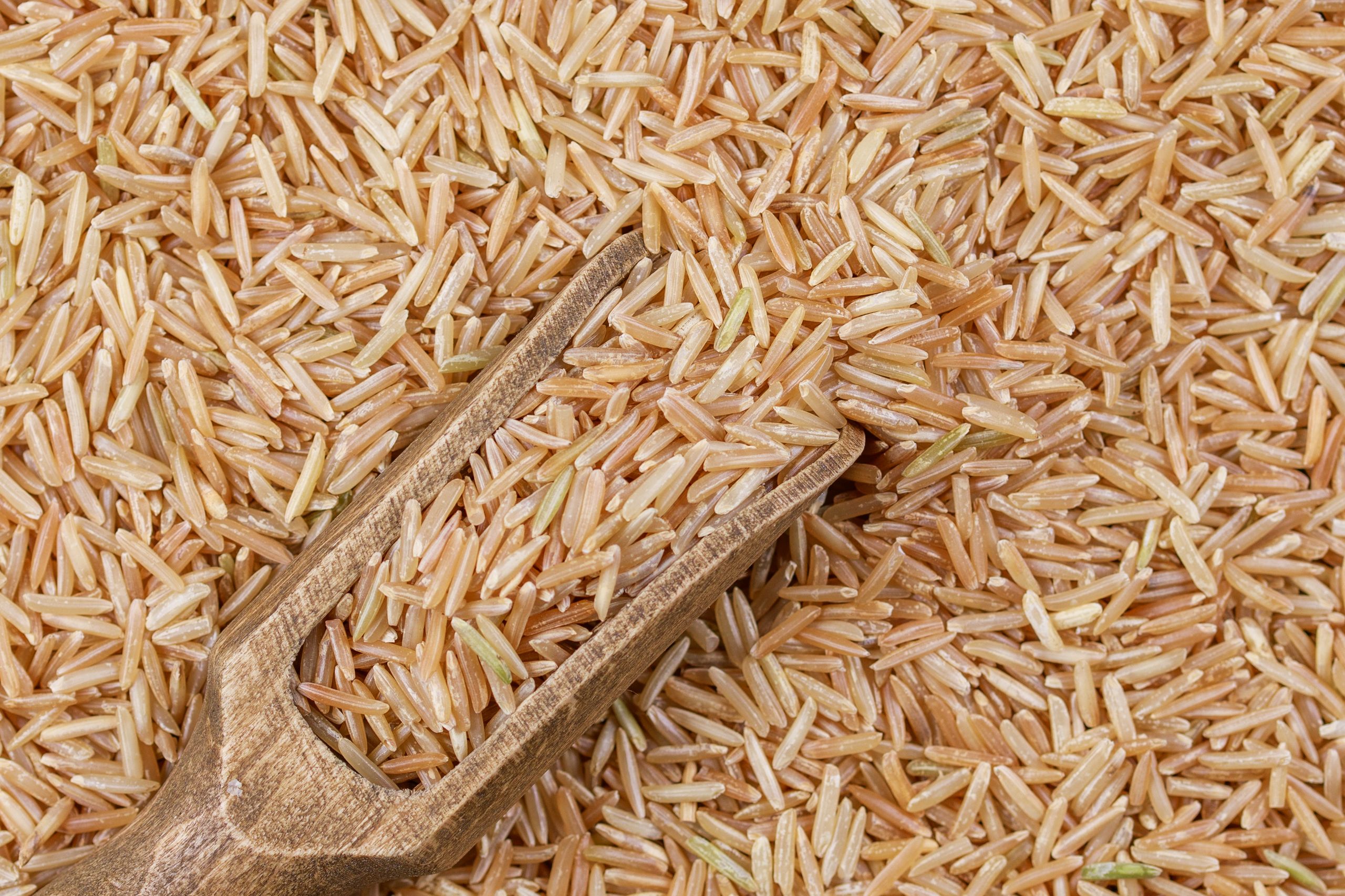
Brown rice is a dependable pantry staple, but it lasts less than white rice.
The difference comes down to the bran layer. Brown rice retains this outer portion of the grain, which contains natural oils that gradually deteriorate during storage.
USA Rice recommends approximately six months of pantry storage for uncooked brown rice. That’s considerably shorter than the recommended storage time for properly stored white rice.
For longer storage, transfer brown rice into a tightly sealed container and refrigerate or freeze it. The Whole Grains Council recommends storing it in the freezer for up to one year for best quality.
A simple trick is to label your container with the purchase date. That way, you won’t find yourself wondering whether the rice has been sitting there since last summer.
Ground Spices
That impressive spice collection above your stove might look like something from a cooking show. Unfortunately, the location could be working against you.
Ground spices gradually lose the aromatic compounds that give them their distinctive flavors. Heat, light, air, and moisture can accelerate that process.
Penn State Extension recommends checking ground spices for freshness after six months. However, McCormick estimates that properly stored ground spices can maintain quality for two to four years, depending on the product and conditions.
The key is to check the aroma rather than treat six months as an automatic expiration date.
Store spices in tightly closed containers inside a cool, dark cupboard. Avoid shaking seasoning jars directly over steaming pots because moisture can enter the containers and encourage clumping.
If your paprika barely smells like paprika anymore, your next batch of roasted vegetables might appreciate a fresher jar.
Baking Powder
Few kitchen disappointments compare to pulling biscuits from the oven and finding they barely rose.
Sometimes, the problem isn’t your baking technique. It’s the baking powder.
Baking powder contains ingredients that produce the gas that helps baked goods rise. Over time, especially after exposure to moisture, it can lose effectiveness.
Clabber Girl recommends using opened baking powder within six months for the best results. An unopened container can typically maintain its quality for up to 18 months.
You can check activity by mixing a teaspoon of baking powder with one-third cup of warm water. Bubbling suggests activity, but it doesn’t guarantee full baking strength.
America’s Test Kitchen found that older baking powder could still bubble while producing noticeably shorter biscuits.
Write the opening date on the container and keep your measuring spoons completely dry.
Related:7 Kitchen Items You Should Get Rid Of
Cooking Oils
Keeping cooking oil beside the stove seems convenient, especially when you’re making dinner in a hurry. However, that handy location isn’t always ideal.
Heat, air, and light can accelerate deterioration, eventually giving oils unpleasant odors and flavors.
Penn State Extension suggests that unopened everyday vegetable oils generally maintain quality for six to twelve months under proper storage conditions. Once opened, that range drops to about one to six months.
Different oils have different storage needs. Walnut and sesame oils, for example, benefit from refrigeration, while everyday cooking oils generally do well in a cool, dark cupboard.
Keep bottles tightly closed, and avoid buying huge quantities unless your household uses them regularly.
Interestingly, refrigerated oil may become cloudy without actually being spoiled. According to Penn State Extension, that cloudiness often disappears when the oil returns to room temperature.
Related: 6 Ways to Declutter Your Pantry and Maximize Space
Shelled Nuts
Those walnuts you bought for holiday baking might not be as fresh as you remember.
Shelled nuts contain natural oils that can turn rancid, especially when they’re stored in warm cabinets. They can also absorb moisture and odors from nearby foods.
University of California guidance indicates that many shelled nuts maintain quality for only a few months at room temperature, depending on the variety and conditions.
Refrigeration can extend their quality considerably, with several common varieties lasting about a year when properly stored.
For the best results, keep nuts in tightly sealed, odor-resistant containers. Freeze extra supplies if you don’t expect to use them soon.
That small storage change could make a noticeable difference the next time you’re adding pecans to cookies or walnuts to homemade brownies.
Ground Coffee

Your morning coffee might be losing its best flavor long before the package reaches its printed date.
Once coffee is roasted and especially once it’s ground, exposure to air, moisture, heat, and light gradually reduces its freshness.
The National Coffee Association estimates that opened ground coffee stays at peak freshness for about one to two weeks in an airtight container at room temperature.
Whole roasted beans generally have a slightly longer window of about one to three weeks after opening.
For better flavor, store coffee in an opaque, airtight container away from sunlight and warm appliances.
Buying smaller quantities more frequently can also help. If you grind whole beans shortly before brewing, you’ll have another opportunity to preserve those freshly roasted aromas.
Brown Sugar
Few baking frustrations are quite as familiar as reaching for brown sugar and discovering a solid brick inside the bag.
Fortunately, hardened brown sugar doesn’t automatically mean it’s spoiled.
Brown sugar loses its soft texture when moisture evaporates, causing the crystals to stick together. Even sugar stored in a seemingly closed package can eventually become difficult to scoop.
Domino Sugar recommends using brown sugar within six months of purchase and opening for the best quality.
Keep it in a tightly sealed, moisture-resistant container rather than loosely folding the original bag.
If it hardens, a food-safe terracotta disk or the manufacturer’s damp-paper-towel softening method can help restore its texture. Remove the moisture source afterward.
Unlike many other pantry staples, brown sugar doesn’t need refrigeration.
The bottom line: Better storage habits and occasional freshness checks can help your pantry ingredients deliver the flavor, texture, and baking performance you expect, without throwing away perfectly usable food just because a date has passed.
Other Posts You May Like
- 8 Pantry and Fridge Staples That Offer Calcium Beyond Milk
- 5 Canned Foods Every Home Cook Should Have in Their Pantry