Some old-fashioned lunches sound a little strange until you give them a chance. Take canned tuna, hard-boiled eggs, cheese, mayonnaise, and hot dog buns. It might seem like an unusual combination today, but these simple ingredients come together in a warm, cheesy sandwich with a surprisingly interesting history.
Meet the tuna bumstead, sometimes called a bunstead. This foil-wrapped sandwich recalls an era when home cooks turned familiar grocery items into creative family meals.
People often remember the dish as a 1950s favorite, though its exact origins remain unclear. A documented newspaper recipe appeared in 1961, and a similar version showed up on a McCall’s recipe card in 1973.
So what exactly goes into this forgotten lunch, and why might it deserve a spot on your menu?
Meet the Tuna Bumstead, an Old-Fashioned Sandwich With a Funny Name
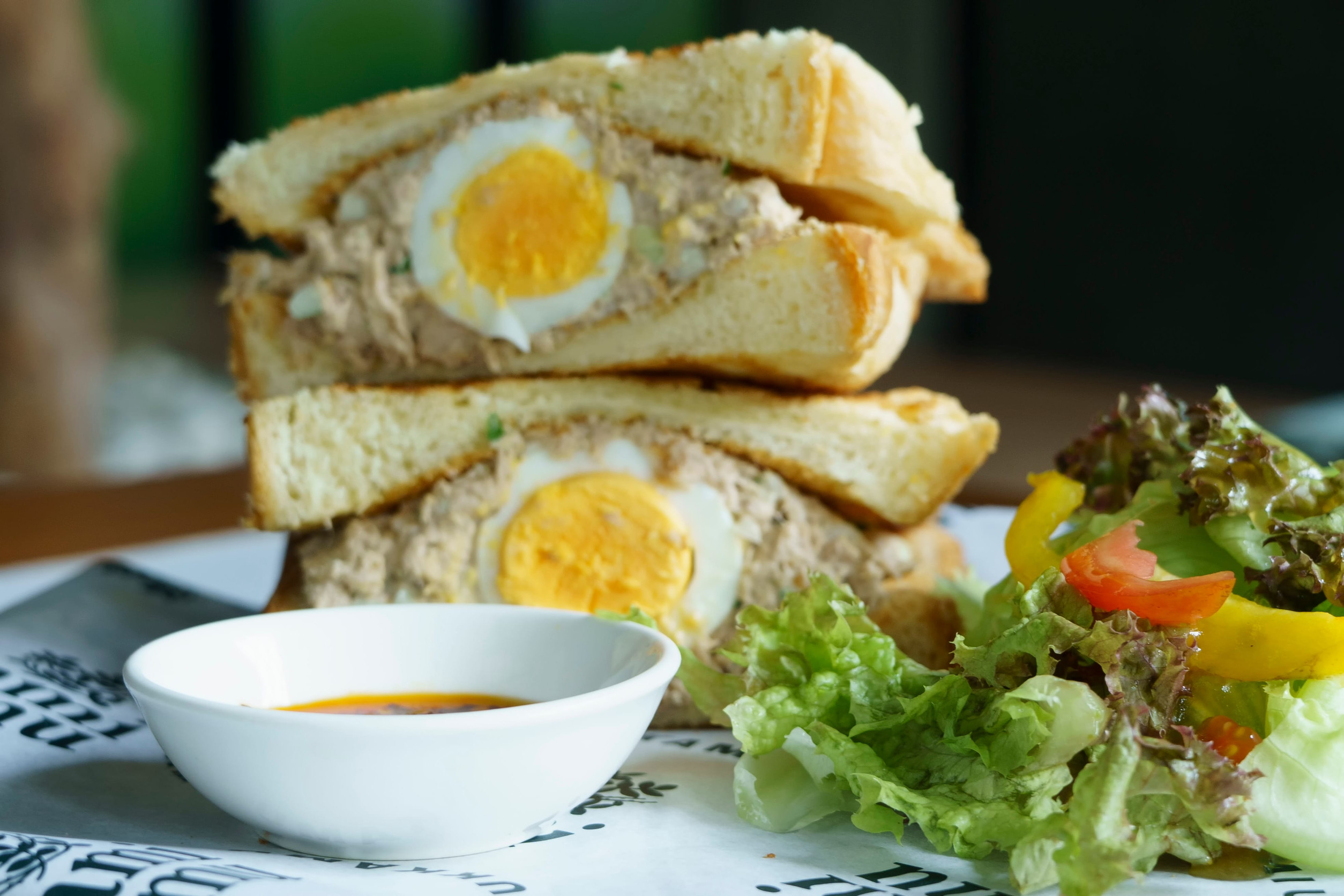
The tuna bumstead isn’t your typical tuna salad sandwich. Instead of simply mixing tuna with mayonnaise and spreading it between two slices of bread, this recipe takes things several steps further.
The traditional filling combines canned tuna, chopped hard-boiled eggs, cheese, onions, green peppers, olives, sweet pickles, and mayonnaise. Mix everything together, then spoon it into split hot dog buns.
The sandwiches are then wrapped in aluminum foil and warmed in the oven until the filling is hot and the cheese melts.
Think of it as an old-fashioned cousin of today’s tuna melt, only with a little more personality.
The name is interesting, too. Some have suggested a connection to Dagwood Bumstead, the sandwich-loving character from the Blondie comic strip. His famously elaborate sandwiches make the comparison tempting, although the connection hasn’t been definitively established.
Whatever inspired the name, there’s something charming about a sandwich that turns a basic hot dog bun into an entire meal.
Related: 9 Bizarre 1960s Food Trends That Deserve to Stay Buried
Why This Sandwich Fits the Midcentury Kitchen
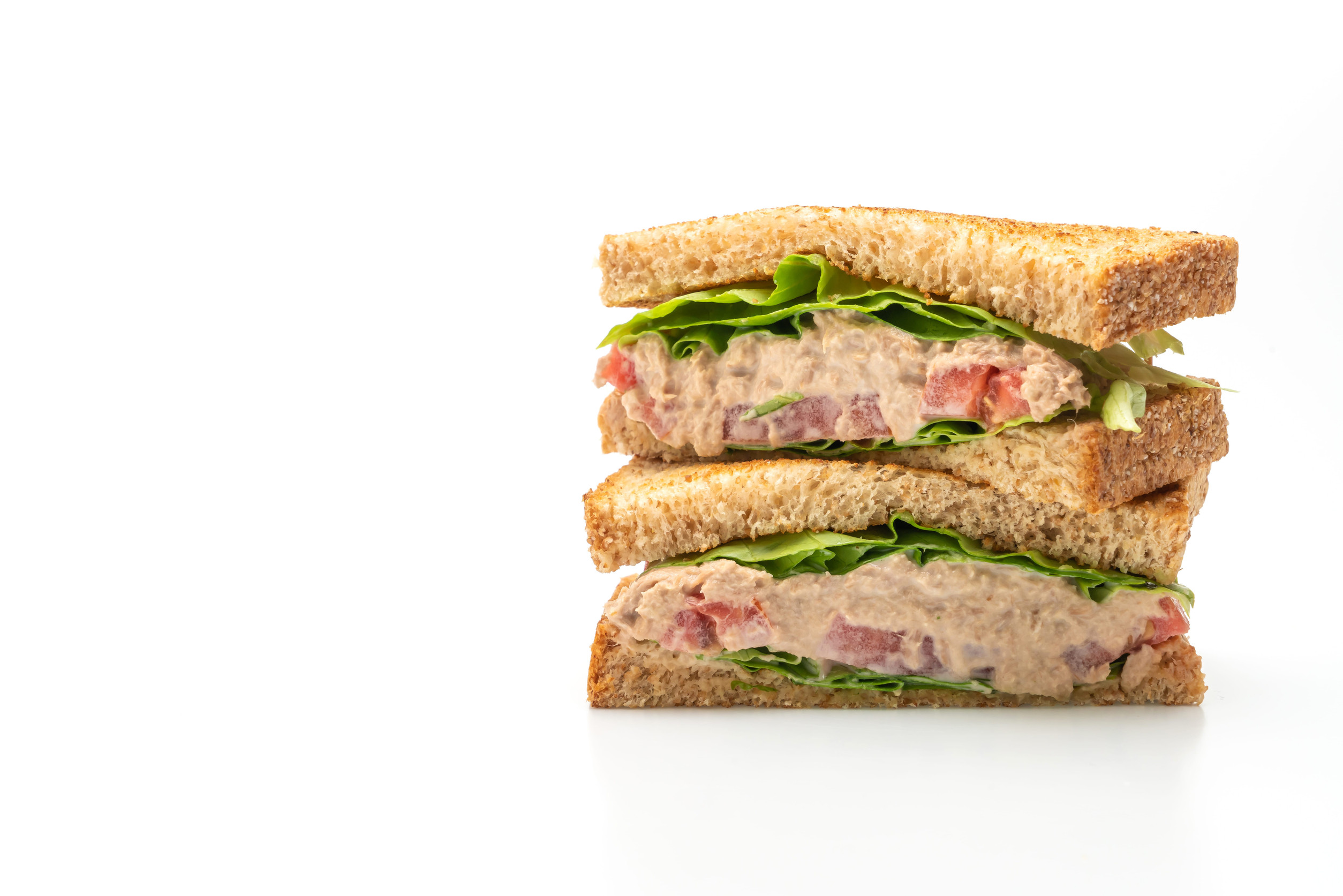
To understand the tuna bumstead’s appeal, it helps to look at the cooking habits associated with midcentury America.
Convenience ingredients played an important role in 1950s home cooking. The Smithsonian’s National Museum of American History has documented how product cookbooks encouraged cooks to create meals using manufactured and canned ingredients.
Canned tuna fit naturally into that approach.
Food historian Megan Elias, writing for Smithsonian Magazine about American sandwich history, explained how canned tuna let home cooks make fish salad without first cooking the fish.
That convenience made tuna a practical foundation for numerous sandwich recipes.
The tuna bumstead followed a similar idea, bringing together prepared ingredients with a few fresh additions.
The historical record also provides an interesting glimpse into how families encountered the dish.
An April 16, 1961, Hammond Times recipe feature presented bumsteads as a family-friendly alternative to familiar hot dogs and hamburgers. The feature also noted that the sandwiches could be assembled ahead of serving.
That flexibility is easy to appreciate even today.
Although some families remember enjoying bunsteads during the 1950s, available evidence doesn’t establish precisely when the sandwich was invented or how widespread it became.
How to Make Classic Tuna Bumsteads at Home
Ready to see what all the nostalgia is about?
Yesterdish preserves an undated handwritten bumstead recipe that offers a straightforward way to recreate the dish. It makes six sandwiches using ingredients that should look familiar to anyone who enjoys homemade tuna salad.
Here’s what you’ll need:
- 1 can (7 ounces) flaked tuna
- ¼ pound American cheese, cubed
- 3 hard-boiled eggs
- ½ cup mayonnaise
- 2 tablespoons chopped green pepper
- 2 tablespoons chopped onion
- 2 tablespoons chopped stuffed olives
- 2 tablespoons chopped sweet pickle
- 6 hot dog buns
Start by chopping the hard-boiled eggs and combining them with the tuna in a large mixing bowl. Add the cubed cheese, mayonnaise, green pepper, onion, olives, and sweet pickle.
Stir everything together until the ingredients are evenly distributed.
Next, split the hot dog buns and spoon the tuna mixture inside each one. Don’t worry about making the filling look perfectly smooth. Part of this sandwich’s character comes from the little pieces of cheese, vegetables, and egg.
Wrap each filled bun in aluminum foil and arrange the sandwiches on a baking sheet.
According to the preserved recipe, bake them at 250°F for approximately 30 minutes, or until thoroughly heated and the cheese has melted.
Unwrap carefully and serve warm.
The result is quite different from an ordinary cold tuna sandwich. Instead, you get a warm filling with pockets of melted cheese tucked inside a soft bun.
The Little Ingredients That Make It Interesting
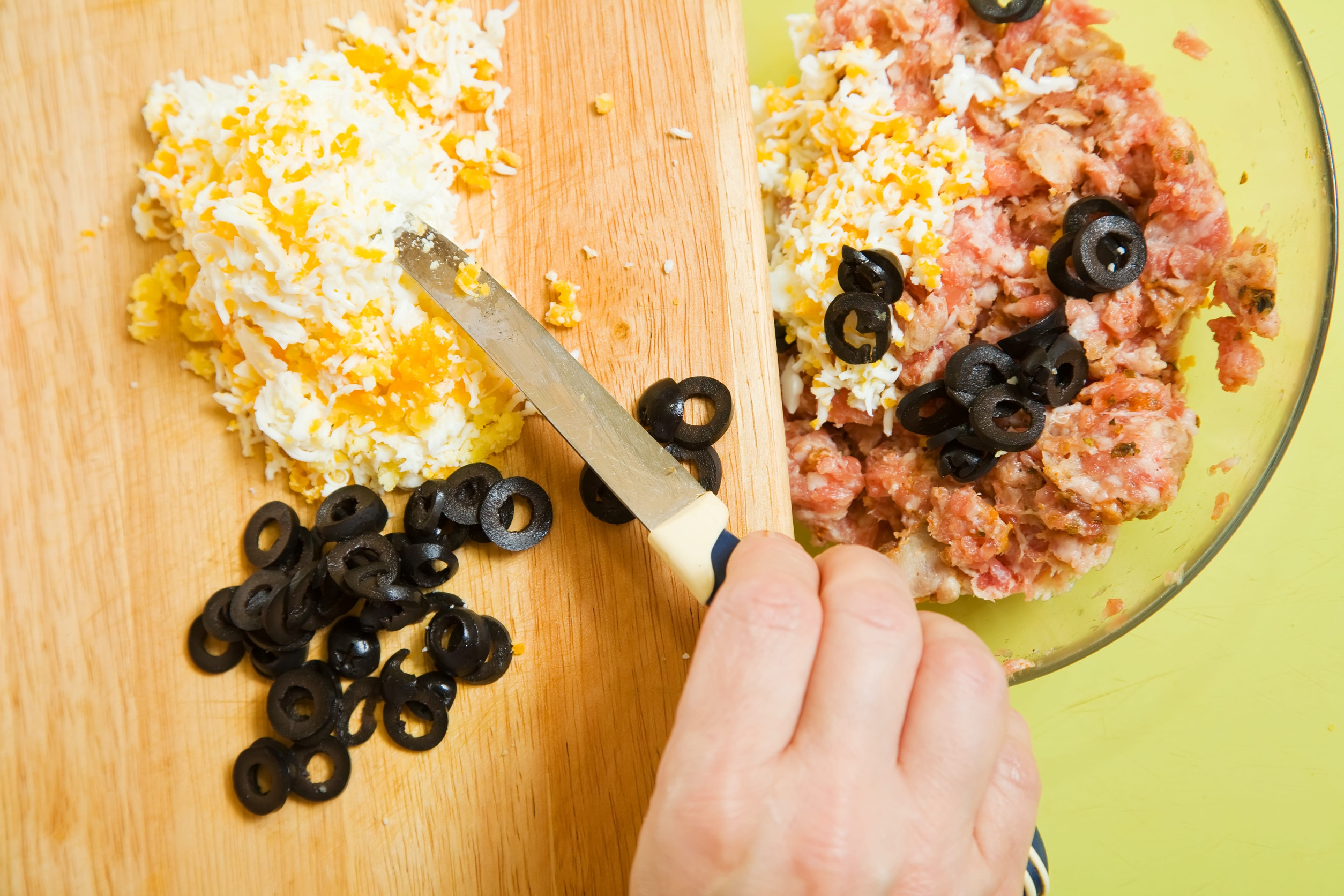
One of the most entertaining things about this recipe is just how much goes into the filling.
At first glance, canned tuna, eggs, cheese, olives, and pickles might seem like an unlikely team. However, each ingredient brings something different to the combination.
The mayonnaise holds the mixture together, while the cheese adds richness as it melts. Chopped onion and green pepper provide contrasting texture, and the olives and pickles bring sharper, tangier flavors.
Even the bread choice matters.
Hot dog buns create a convenient little pocket for the filling. They’re also easy to handle, especially when the sandwiches are served in their foil wrappers.
Of course, you don’t have to treat the vintage recipe as an unbreakable rule.
A 1973 McCall’s recipe called Hot Tuna and Egg Buns used cheddar cheese, green olives, sweet-pickle relish, and frankfurter rolls. It called for baking the foil-wrapped sandwiches at 400°F for 10 minutes.
Contemporary recipes offer even more variations, including shredded cheddar, Dijon mustard, celery, and different types of relish.
If you prefer a slightly crispier bun, one modern Food.com recipe suggests opening the foil for a few additional minutes after heating.
Related:7 Foods You Should Never Store in the Fridge Door, According to Food Safety Experts
Why It Might Be Worth Bringing Back
Some nostalgic recipes are more enjoyable as memories than as actual meals. Others are interesting precisely because they’re so different from what we normally prepare.
Tuna bumsteads fall into that second category.
They’re an easy way to rethink a familiar canned ingredient, and they offer a practical use for hot dog buns when you’re looking beyond the usual cookout menu.
They also leave plenty of room for personal preferences. You can follow a preserved recipe for the full vintage experience or experiment with a contemporary variation.
For a casual lunch, try serving them with chips or vegetable sticks. If you’re planning a larger meal, a simple salad or fries can round out the plate.
Most importantly, don’t expect an ordinary tuna sandwich. The combination of warm filling, melted cheese, chopped eggs, and tangy extras is what makes this old-fashioned creation distinctive.
The tuna bumstead may never become your everyday lunch, but it’s a retro recipe worth trying at least once.
After all, who knew canned tuna and leftover hot dog buns could lead to something with this much character?
Other Posts You May Like
- Why Food Experts Advise Against Adding Mayo to Tuna Sandwiches
- The Boomer Food Traditions That Still Bring People to the Table