You haven’t even ordered your food, but your server may already be getting an impression of what kind of customer you’ll be. Sometimes, a few innocent-sounding words can make the person taking your order wonder whether they’ll receive a decent tip at the end of the meal.
From promising a generous tip to demanding free extras, some things customers say can make restaurant workers uncomfortable. Of course, saying any of these things doesn’t automatically make someone a bad tipper.
But if you’ve ever wondered what might raise an eyebrow before your appetizer even arrives, these seven comments are worth knowing.
“Don’t Worry, I’m a Really Good Tipper”
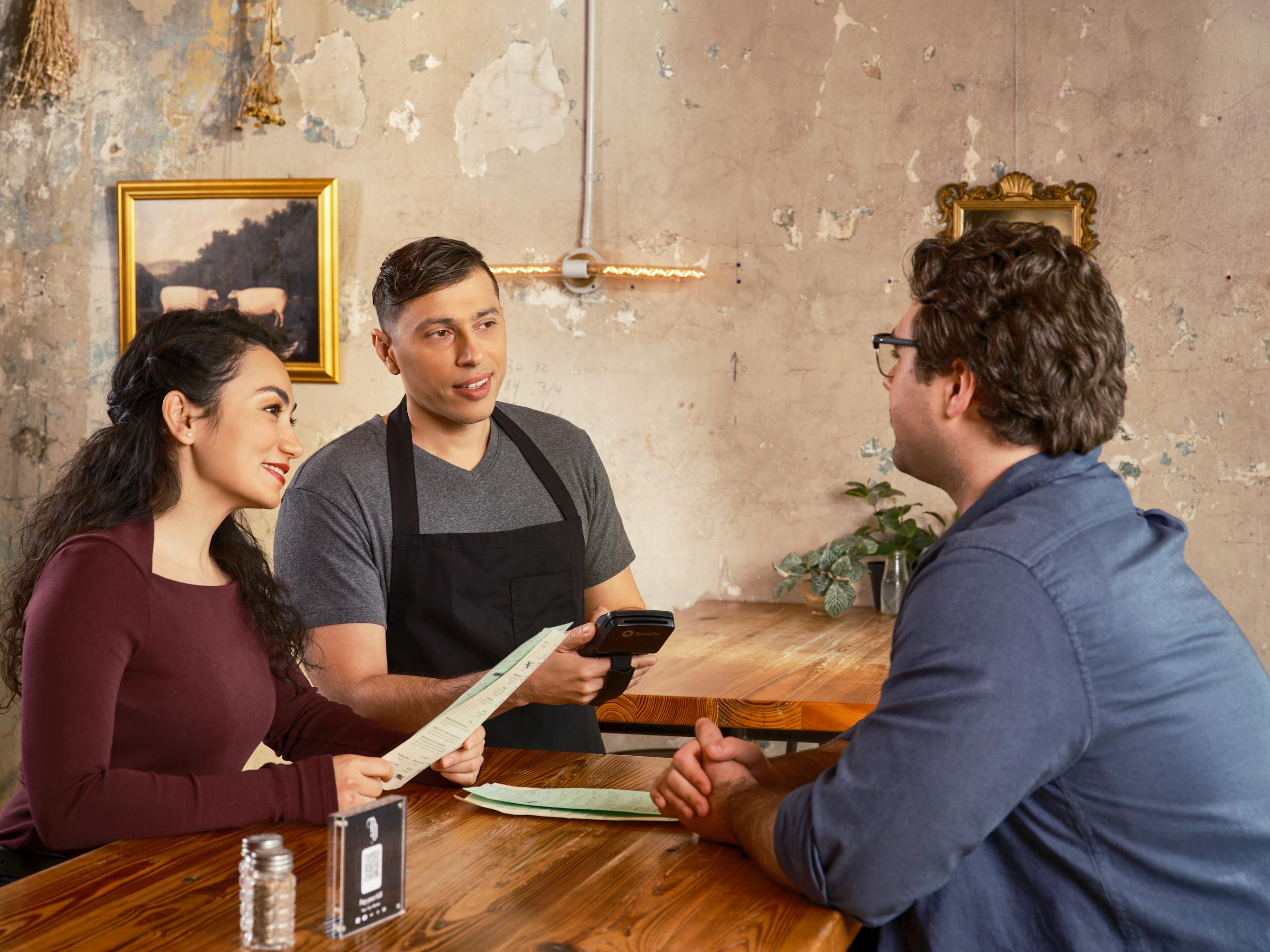
You might think telling your server that you’re a generous tipper will make them feel appreciated, but some workers report having the opposite reaction. They’ve encountered customers who enthusiastically promise a big tip, only to leave considerably less than expected when the check arrives.
Over time, those experiences can make a tipping announcement sound more like an empty promise than reassurance.
There’s nothing wrong with appreciating good service, but your final gratuity says more than any promise made before dinner.
In American full-service restaurants, 15% to 20% of the pre-tax bill is a commonly cited tipping range, with 18% to 20% frequently treated as standard. If you plan to be generous, you don’t need to announce it beforehand.
“This Is Amazing! You’re the Best Server Ever!”
Compliments are usually welcome, especially when someone has worked hard to make your meal enjoyable. However, some servers have a name for customers who offer endless praise but leave little or nothing extra on the table: the “verbal tip.” The expression reflects a frustrating experience in which enthusiastic appreciation doesn’t translate into the gratuity the worker anticipated.
Imagine spending the entire evening thanking your server, praising every recommendation, and telling them they deserve a raise. Those words may be sincere, but they’re no substitute for an actual tip when gratuities are part of the customary payment for service. Of course, a friendly compliment alone doesn’t mean someone plans to tip poorly.
“Ketchup.” “Coffee.” “More Bread.”
There’s a difference between asking for something and simply announcing what you want. Servers sometimes describe customers who shout “Water!” or “Bread!” across the table without making a complete request.
Although the customer may just be trying to get something quickly, the delivery can sound demanding or dismissive.
You don’t need elaborate manners to order an extra coffee or request more ketchup. A simple “Could we have some more bread, please?” communicates exactly the same thing without making the person serving you feel like an order-taking machine.
Restaurant workers often manage several tables, and a little courtesy makes those repeated interactions more pleasant.
“Can We Move Again? And Change a Few More Things?”
Asking for a different table or requesting a change to your meal isn’t unreasonable. Servers understand that customers have preferences, and some requests involve genuine allergies or accessibility needs that deserve appropriate attention.
Restaurant workers’ frustration usually comes when one table makes a series of unusual changes and expects every adjustment to happen immediately.
For example, a guest might ask to move tables more than once, request several substitutions, and repeatedly change an order after decisions have already been made. Each request creates another task for the employee, especially when the restaurant is busy.
A better approach is to communicate your preferences clearly and remember that necessary accommodations differ from avoidable last-minute changes.
Related: 8 Things You Do at Restaurants That Servers Say Make Their Job Harder
“Can You Just Make That Free?”
Everyone enjoys getting something extra with dinner, but repeatedly asking a server to remove charges can make things awkward.
Some restaurant workers say customers who push for complimentary appetizers, desserts, or upgrades sometimes leave them wondering whether the guest is trying to reduce every part of the bill, including the tip.
There’s an important difference between asking about an advertised promotion and expecting something for nothing. Questions about complimentary refills or birthday desserts are perfectly reasonable because restaurant policies vary.
However, repeatedly insisting that an ordinary menu item should be free can put the employee in a difficult position, particularly when they don’t have the authority to approve the request.
“Well, That’s Coming Out of Your Tip!”
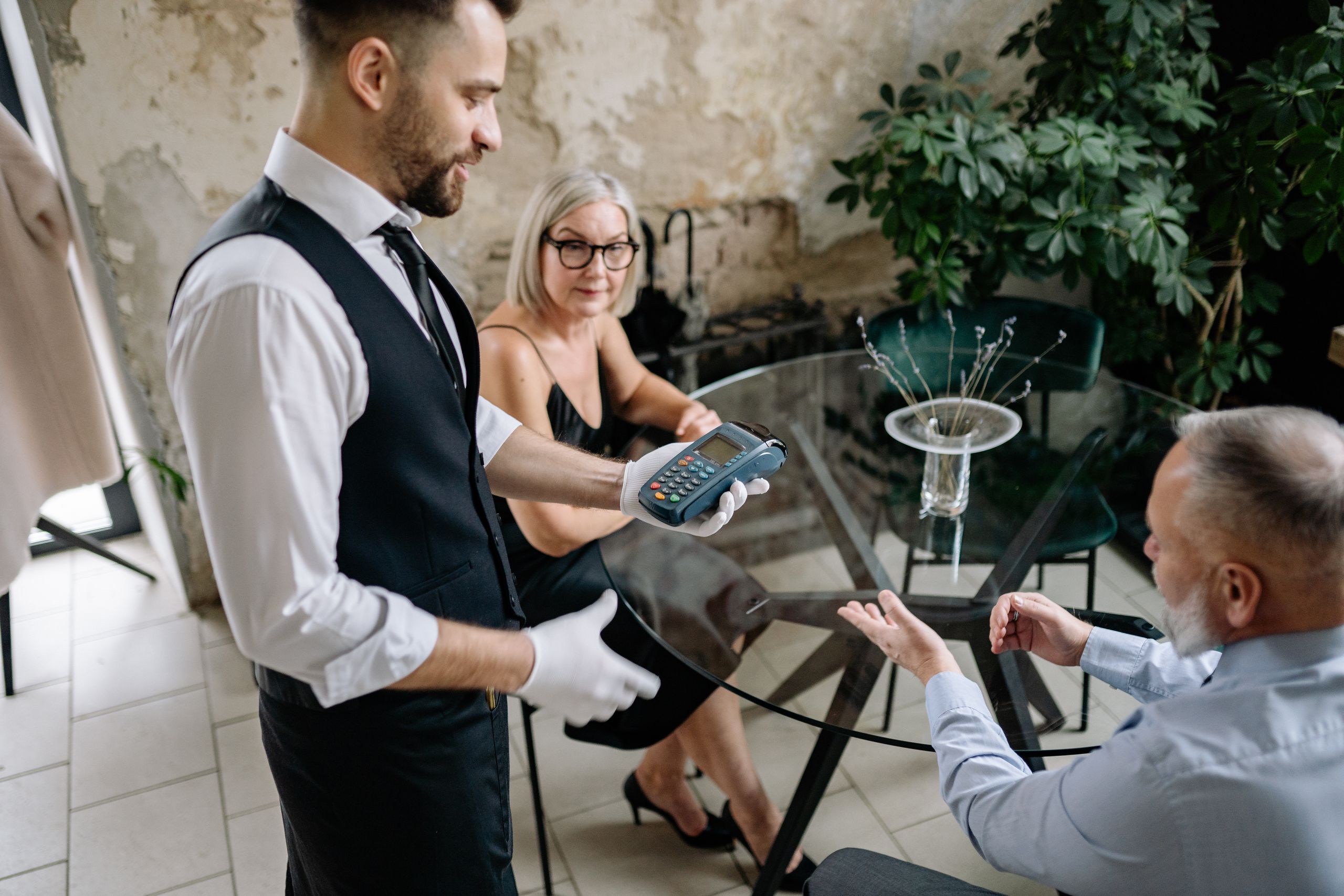
A forgotten lemon or a small order mistake can be annoying, but joking that the error will cost the server their tip may not sound funny to the person hearing it.
Restaurant workers sometimes interpret these remarks as a warning that their earnings are being used as punishment for something that could easily be corrected.
Tips can make up a significant share of a server’s income. The National Restaurant Association reports median take-home pay of $27 per hour for tipped full-service servers, including gratuities.
If something about your order needs fixing, calmly explaining the issue gives the employee a chance to address it without turning the conversation into a dispute over their compensation.
“We’ll Pay Half in Cash and Put the Rest on This Card”
Splitting a restaurant bill is normal, but how customers divide payments can sometimes create confusion about the tip. When part of the check is paid in cash and the rest goes on a card, someone may calculate the gratuity based only on the card portion rather than the full amount.
Consider a $100 pre-tax dinner bill. If you intend to leave a 20% tip, the total gratuity would be $20.
However, if one person pays $50 by card and adds a $10 tip while the person paying the remaining $50 in cash leaves nothing extra, the server receives just 10% of the total bill.
This doesn’t necessarily mean anyone intended to leave a smaller tip. It may simply be an oversight, which is why checking the entire bill before dividing payments can prevent an awkward mistake.
A Little Courtesy Goes a Long Way
These remarks don’t prove someone will leave a disappointing tip, but they show why clear communication, reasonable requests, and consideration for restaurant workers can make dining out more pleasant for everyone.