The steak needs a crust. The chicken comes with a lemon sauce. The cornbread goes straight from the mixing bowl into a hot skillet.
All three recipes might begin with the same instruction: heat a pan. Yet the right choice depends on what comes next.
Cast iron and stainless steel can both earn a regular place on the stove. Their strengths point in different directions. Seasoned cast iron holds considerable heat, while stainless steel offers a cooking surface that resists reacting with acidic ingredients.
The useful question is not which pan deserves permanent ownership of the burner. It is which one makes sense for the meal you are cooking.
Know What You Are Comparing
For this comparison, cast iron means a traditional seasoned skillet, not enamel-coated cookware.
Seasoning is a layer formed when oil is heated and bonds to the iron. It is not a spice coating or grease left behind after dinner.
Lodge’s seasoning guidance explains that cooking with oil or fat helps develop the surface over time. Occasional reseasoning may still be needed.
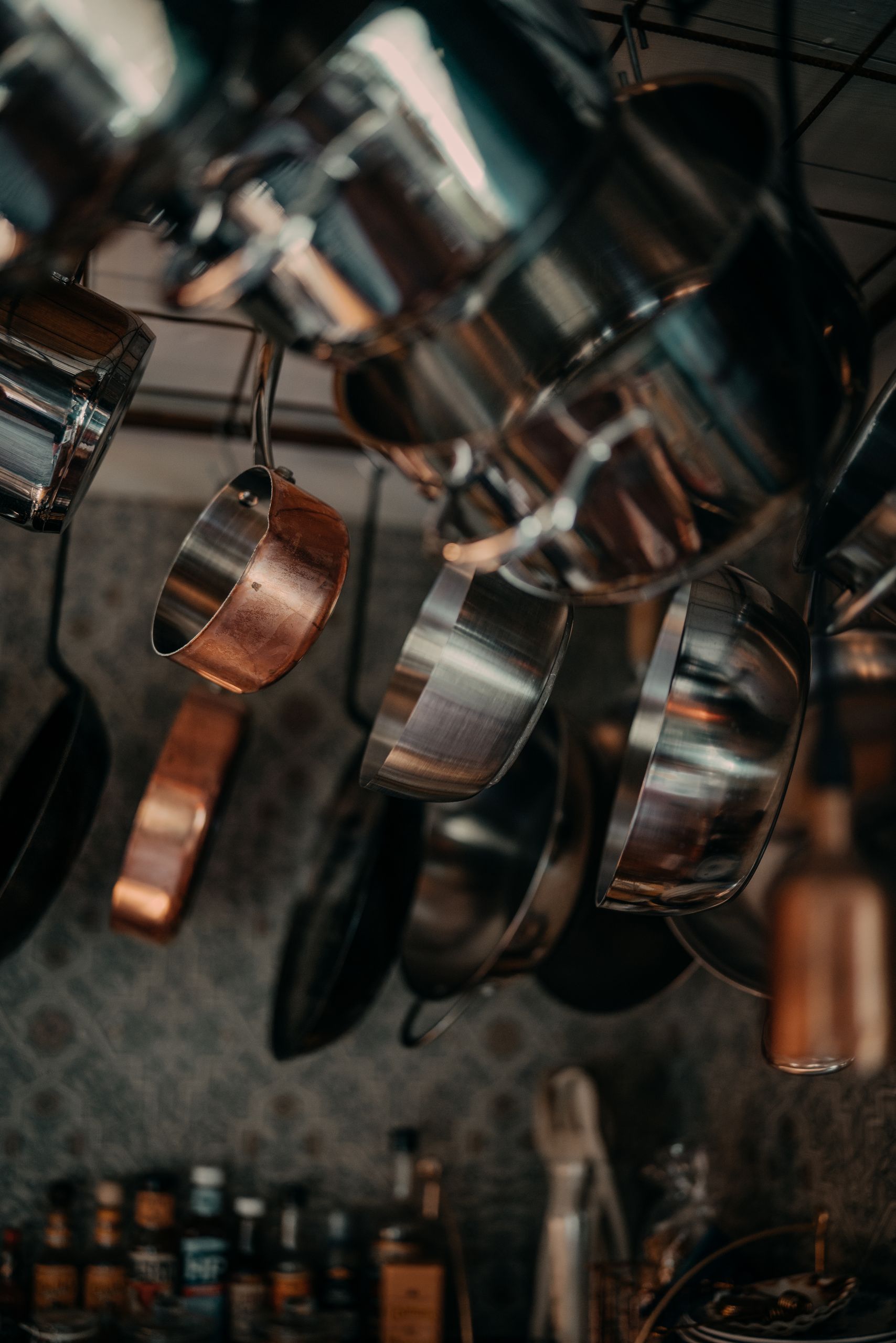
Stainless steel requires a different distinction. The name describes the material, but it does not tell you everything about the pan’s construction.
Many stainless steel pans combine steel layers with an aluminum core to improve heat conductivity. Tramontina’s official stainless steel overview describes this multi-ply approach and the cooking surface’s resistance to reacting with acidic ingredients.
That makes construction worth checking. Two pans labeled stainless steel should not automatically be expected to perform identically.
For Steak, Cast Iron Has a Strong Case
A steak puts cast iron’s heat retention to work.
Once a substantial cast-iron skillet is thoroughly heated, it stores a lot of energy. That reserve pays off when food hits the cooking surface.
In its explanation of cast-iron cooking myths, Serious Eats distinguishes heat retention from heat distribution. Cast iron stays hot well, but that does not mean it heats evenly or instantly.
Give the skillet time to preheat rather than assuming a brief blast from the burner has warmed the entire surface.
This is also why “cast iron gets a good sear” should not become “cast iron guarantees a good steak.” The pan supplies a useful cooking condition. The recipe still needs attention.
For a straightforward steak dinner, a seasoned skillet is a sensible choice. For a recipe involving a substantial acidic sauce, consider the next step before reaching for it.
Related: 16 Kitchen Organization Ideas to Help You Declutter Your Space
For Lemon Chicken, Stainless Steel Simplifies the Choice
A chicken dinner can ask the pan to do more than brown the meat.
If the recipe includes lemon, wine, or tomatoes, stainless steel offers a practical advantage: its cooking surface resists reacting with acidic ingredients. That makes it useful when those ingredients play a central role in the sauce.
Cast iron is not automatically ruled out by a small amount of lemon or tomato. The seasoning condition and cooking time matter.
Lodge cautions that acidic recipes are not ideal for newly seasoned cast iron because they can break down the developing surface. Its guidance allows for shorter acidic cooking once the seasoning is established.
So look beyond the recipe title. A brief finishing step and a long simmer are different jobs, even when they use the same ingredient.
For Tomato-Based Classics, Choose Stainless Steel
A tomato-based skillet dinner is where stainless steel becomes the easier default.
The advantage is not that the recipe is especially difficult. It is that stainless steel avoids the seasoning concerns of extended acidic cooking in traditional cast iron.
If tomatoes are the dish’s foundation rather than a quick addition, there is little reason to expect a developing cast-iron surface to handle that task.
This distinction also prevents an overly broad kitchen rule. “Never put tomatoes in cast iron” misses the importance of timing and seasoning. “Cast iron can handle anything” overlooks them just as quickly.
Enameled cast iron belongs in a separate comparison. Its coated cooking surface is different from seasoned iron, so the same instructions should not automatically be applied to both.
For Skillet Cornbread, Cast Iron Makes Sense
Cornbread brings the conversation back to stored heat.
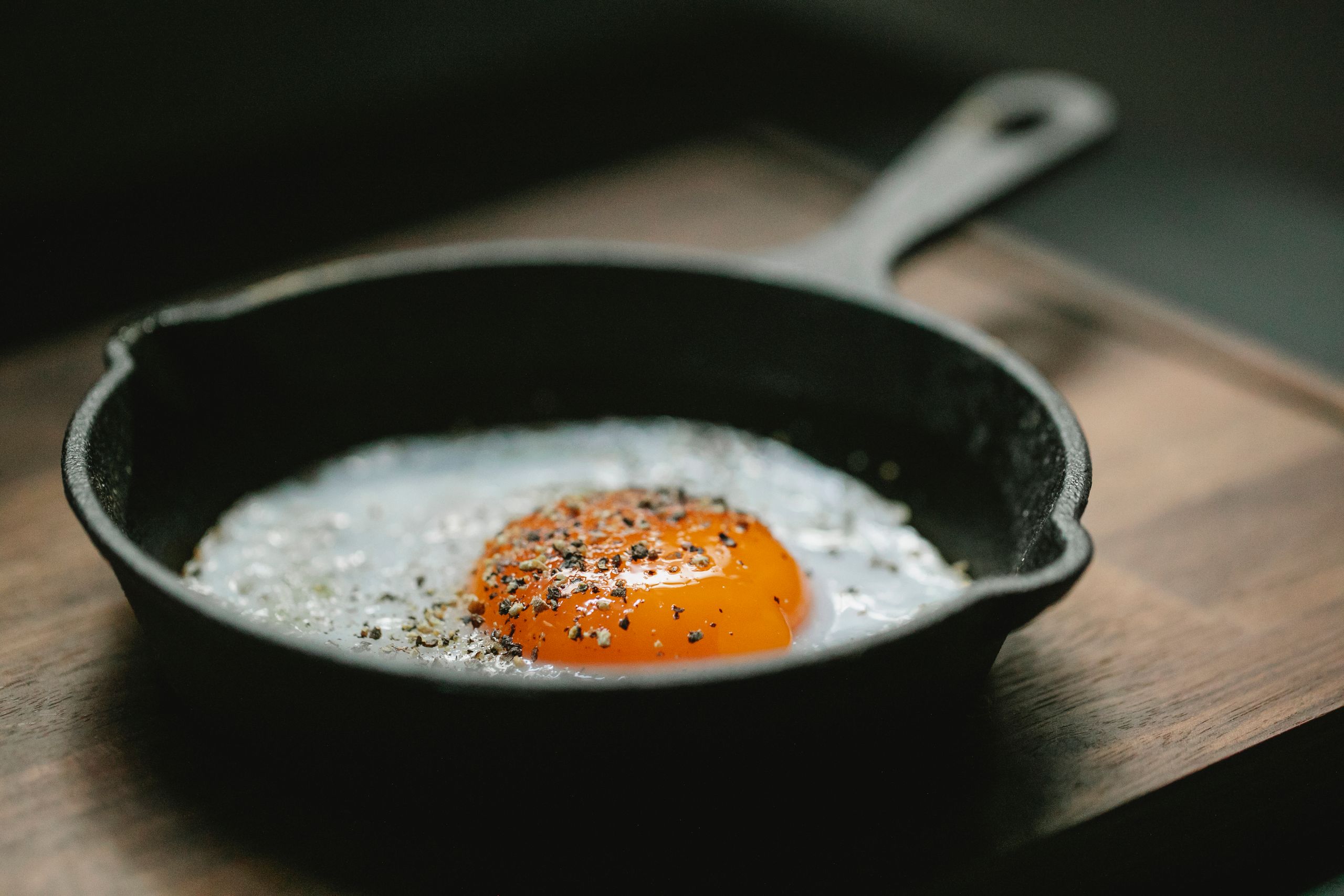
When a recipe calls for a preheated cast-iron skillet, the hot pan supplies heat as the batter begins cooking. That ability to remain hot is cast iron’s central strength.
Follow the recipe’s directions for preheating and fat rather than treating the pan’s name as a promise of a perfect crust.
The practical appeal is continuity: the skillet is part of the recipe’s method, not merely a container selected at the last moment.
Do not assume every stainless steel pan can substitute without checking its oven instructions. Handle materials, lids, and permitted temperatures vary. Follow the directions for your specific cookware.
Neither Pan Makes Technique Optional
A well-seasoned cast-iron skillet can develop an easy-release surface, but it is not identical to coated nonstick cookware. Serious Eats cautions against overstating its nonstick performance.
Stainless steel also should not be treated as a single, uniform product. Its construction affects how it handles heat.
For either material, use the recipe and the manufacturer’s instructions together. A pan is a tool, not a shortcut around temperature, timing, or preparation.
Cleanup Belongs in the Decision
Cast iron does not require avoiding ordinary dish soap. Lodge allows you to wash it with warm, soapy water and emphasizes thorough drying. Its seasoning instructions call for a very thin layer of oil when rebuilding the surface.
For stainless steel, follow the care directions for your specific cookware. Do not carry over the seasoning routine used for traditional cast iron.
The best choice should work for both the cooking and the cleanup.
Let the Recipe Pick the Pan
Choose cast iron when retained heat is central to the method, such as a seared steak or skillet cornbread. Choose stainless steel when acidic ingredients play a major role in the cooking.
There is no need to declare a universal winner. Which classic recipe would become easier in your kitchen if you chose the pan for the dish rather than its reputation?