Some brunch dishes demand a small production crew. A savory Dutch baby mostly asks you to whisk, pour, and let the oven handle the dramatic entrance. This skillet-baked pancake rises into a billowy, golden creation with crisp edges and a soft, custardy center. Add herbs and Parmesan, and it trades the usual syrup-and-fruit routine for something decidedly savory. The result looks ambitious, even though it’s built on a familiar mix of eggs, milk, flour, and butter.
The appeal isn’t just that impressive puff. Unlike a stack of pancakes, a Dutch baby doesn’t require repeated rounds of pouring batter and flipping at the stove. It bakes as one large pancake, ready to slice and share. Food writer and cookbook author Melissa Clark’s Herbed Parmesan Dutch Baby, published by King Arthur Baking, brings cheese and fresh herbs into that simple format. It works for brunch, but Clark also recommends serving it for dinner with a big salad.
The Brunch Drama Is Real, and the Collapse Is Normal
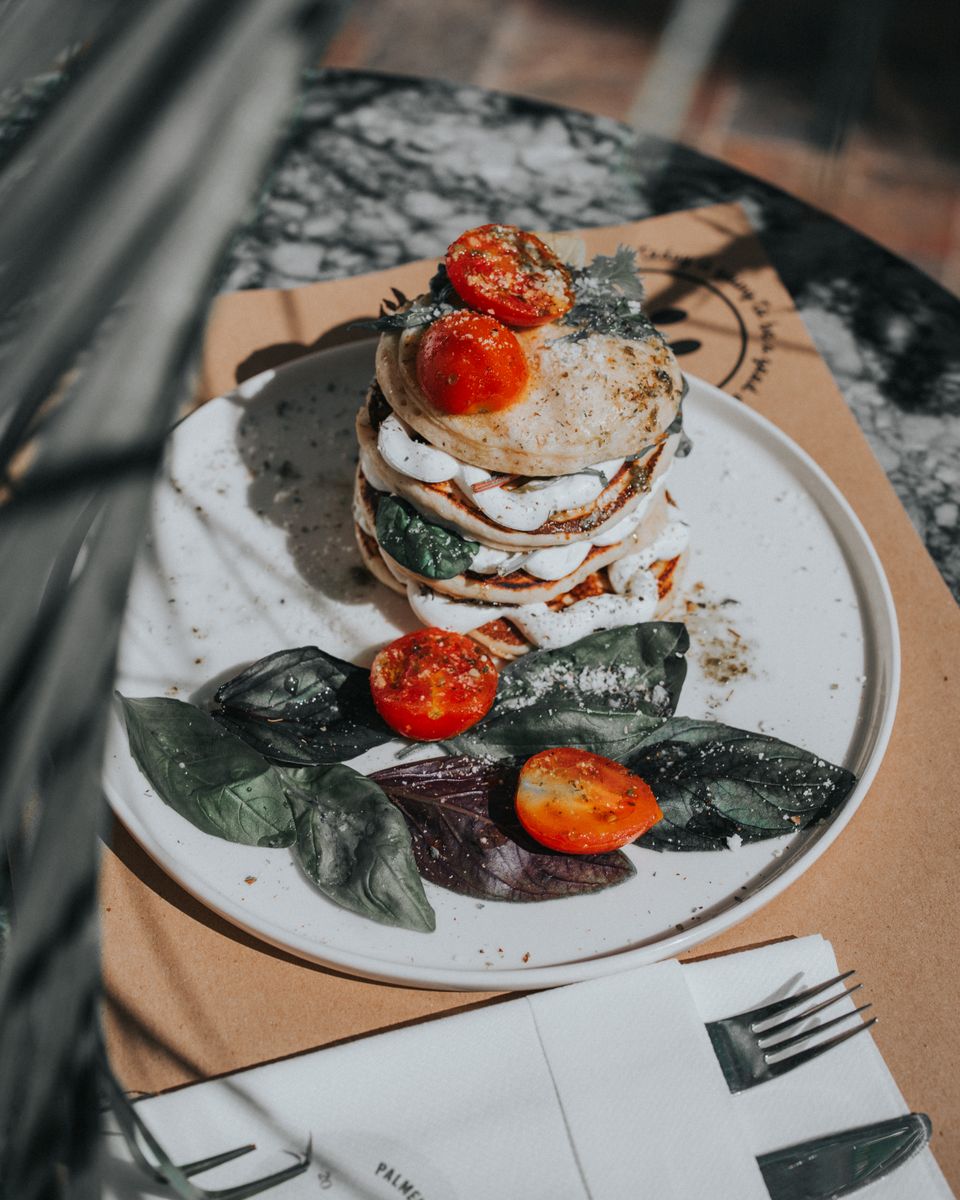
A Dutch baby, also called a puff pancake, occupies a delicious space between familiar dishes. King Arthur baking writer Posie Brien describes its eggy texture as similar to Yorkshire pudding, with puffy, soufflé-like edges. Rather than using baking powder like many conventional pancakes, Clark’s version relies on an egg-rich batter and a hot oven to achieve its rise. There’s no separate pancake stack to assemble, and no need to flip the whole thing halfway through baking.
For Clark, the savory direction began with another cheese-loving classic. “The original inspiration was gougères, those savory choux pastry cheese puffs,” she told King Arthur Baking. “I thought, what would happen if I crossed gougères with a Dutch baby? Turns out, very good things!” That connection explains the recipe’s personality: this isn’t simply a sweet pancake with the sugar removed. It is deliberately built around herbs, browned butter, and a generous Parmesan topping.
The cheese contributes more than seasoning. In the recipe introduction, Clark describes a “crisp outer crust and a soft, cheesy, custardy interior,” with baked Parmesan forming a salty layer on top. That contrast is the dish’s strongest selling point: a little crunch, a little softness, and plenty of savory flavor in the same slice. It also explains why a relatively short ingredient list can produce something more interesting than its humble batter might suggest.
One detail deserves a place in every first-time cook’s expectations: the towering pancake will settle after leaving the oven. King Arthur writer Rossi Anastopoulo explains that Dutch babies rise dramatically during baking, then collapse afterward, leaving a custardy interior and puffed, slightly crunchy edges. That settling is part of the dish, not proof that you ruined brunch. Have the table ready before you take the skillet out if you want everyone to see its fullest, most theatrical moment.
Related: 8 Things You Should Never Put Down the Drain: What to Do Instead
Basic Ingredients, One Skillet, and a Golden Finish
Clark’s King Arthur recipe makes one 12-inch Dutch baby. For the batter, combine one cup plus two tablespoons of all-purpose flour, half a teaspoon kosher salt (or three-eighths of a teaspoon table salt), and half a teaspoon coarsely ground black pepper. You’ll also need eight large eggs and three-quarters of a cup of milk; whole milk is preferred. The egg quantity is substantial, but it belongs to this specific recipe rather than a rule for every Dutch baby.
The savory additions are two tablespoons of finely chopped fresh thyme and two tablespoons of minced chives, with tarragon offered as an alternative to the chives. Finish the ingredient list with four tablespoons unsalted butter, three-quarters cup grated Parmesan, and flaky sea salt for the top. Sriracha and lemon wedges are optional accompaniments. The core ingredients are ordinary, while the herbs and cheese give this version its distinctive flavor.
Preheat the oven to 425°F. Combine the flour, salt, and pepper in one bowl, and whisk the eggs and milk in another. Whisk the liquid mixture into the dry ingredients until just combined, then stir in the herbs. If the batter is lumpy, the recipe recommends using an immersion blender to smooth it. This recipe doesn’t require separating eggs, whipping whites, or building layers; the prep is much simpler than the finished pancake looks.
Next, melt the butter in a 12-inch cast-iron or other oven-safe skillet over medium-high heat. Cook for five to seven minutes, until it smells nutty and turns brown, then swirl the pan to coat the bottom. Pour in the batter, scatter the Parmesan and flaky salt over the top, and transfer the skillet to the oven. Bake for 20 to 25 minutes, until the Dutch baby is puffed and golden, then carefully remove it, the handle will be hot.
Serve It Quickly, Then Let Brunch Relax
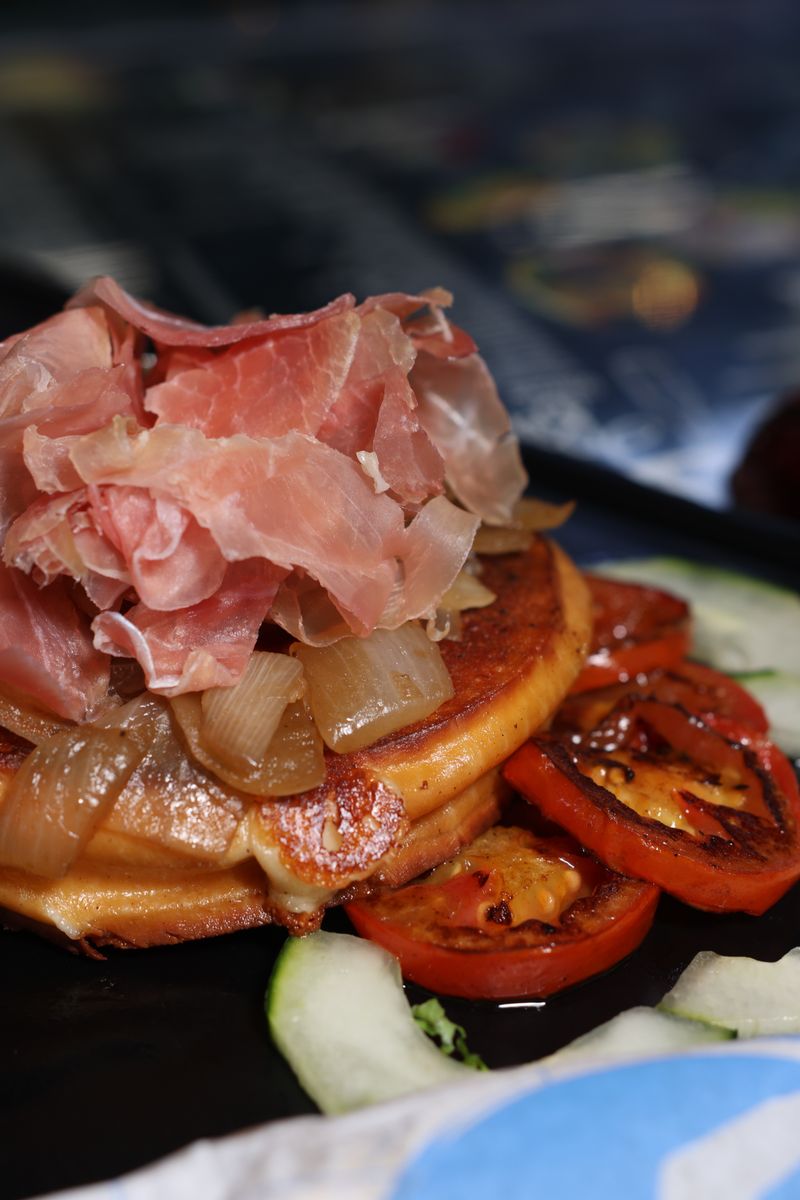
The baking time offers a small but useful choice in texture. King Arthur’s instructions explain that baking slightly less yields a softer interior with less rise, while baking slightly longer gives more puff and a drier interior. That lets you lean toward the texture you prefer. Either way, serve immediately, with Sriracha or lemon wedges alongside if desired. This dish’s timing matters more than an elaborate garnish.
Its biggest hosting advantage is that it requires no pancake-by-pancake labor. Cookbook author Emma Laperruque, whose savory rye puff pancake is also featured by King Arthur, sums up the problem neatly: “No one wants to stand at the stove flipping pancake after pancake after pancake for a crowd.” Her point applies to the format, not to a requirement to follow her rye recipe. Once the skillet is in the oven, the cook is free from that repetitive flipping routine.
For Clark’s Parmesan version, a big salad can make it dinner, while the optional lemon and hot sauce keep serving uncomplicated. The recipe is best eaten the day it is made, though King Arthur advises refrigerating well-wrapped leftovers for up to three days. Its charm lies in that combination of convenience and spectacle: an ordinary-looking batter becomes a golden, craggy pancake, the whole table gets a slice, and nobody has to spend brunch managing a stack.
Other Posts You Might Like
- 6 Places in Your Home You Should Never Use for Storage
- 8 Items You Should Never Store in Your Oven Drawer
- How to Get Rid of Moles in Your Yard (and Keep Them Away)