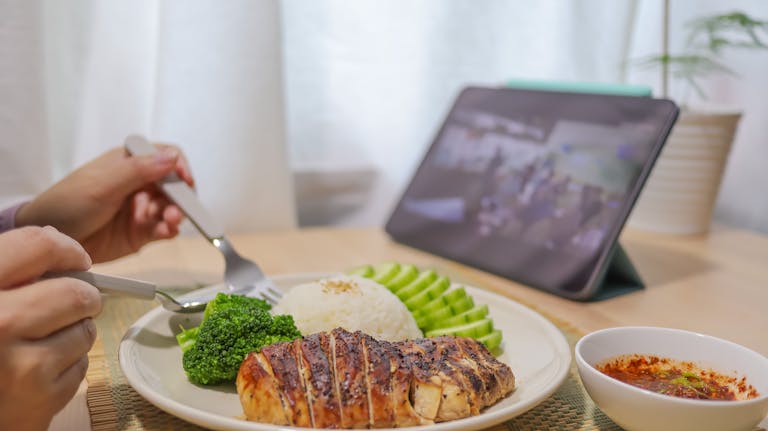
A few small habits in the kitchen can make the difference between food that turns out the way you expect and a meal that misses the mark. From crowded pans to inaccurate flour measurements, several common cooking mistakes can affect texture, browning, and consistency.
For everyday cooks, these errors are easy to make because they often happen during routine steps: adding ingredients to a pan, mixing batter, or measuring ingredients. Understanding what goes wrong can help make simple meals more predictable.
Too Much Food in One Pan Can Stop Browning
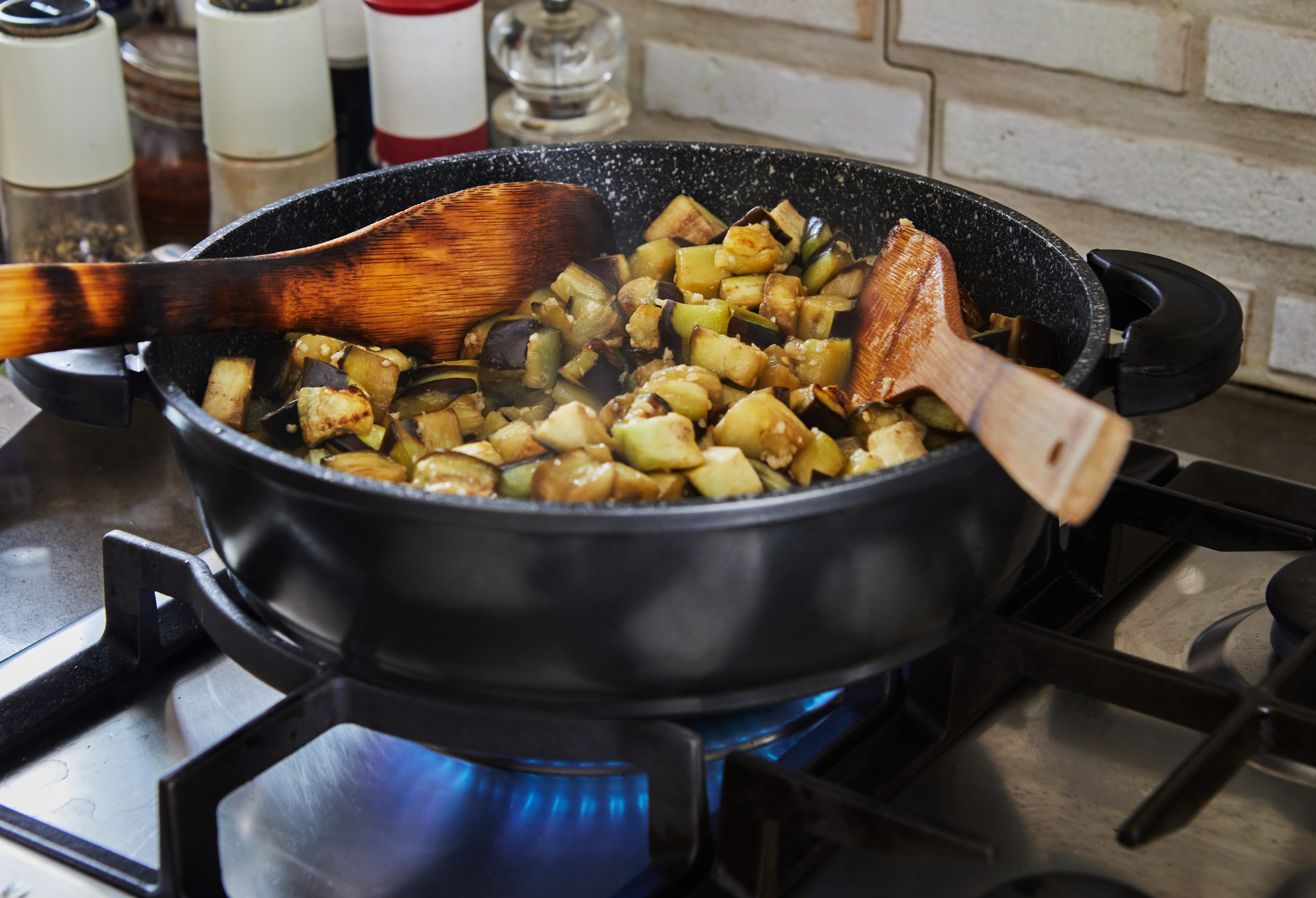
One of the most common mistakes is overcrowding a skillet, roasting pan, air-fryer basket, or sheet tray. This often happens when cooks try to prepare everything at once, especially with ingredients that release moisture while heating.
When too much food is packed together, steam has less space to escape. Instead of creating a dry environment where browning can happen, the food steams. The result can be pale vegetables, soft mushrooms, or chicken that cooks unevenly without developing a flavorful crust.
The solution is simple: give ingredients room. Cooking in batches, using a larger pan, or dividing food between two trays can help. Ingredients should sit in a single layer, with visible space between pieces.
Starting With a Cold Pan Can Affect the Final Result
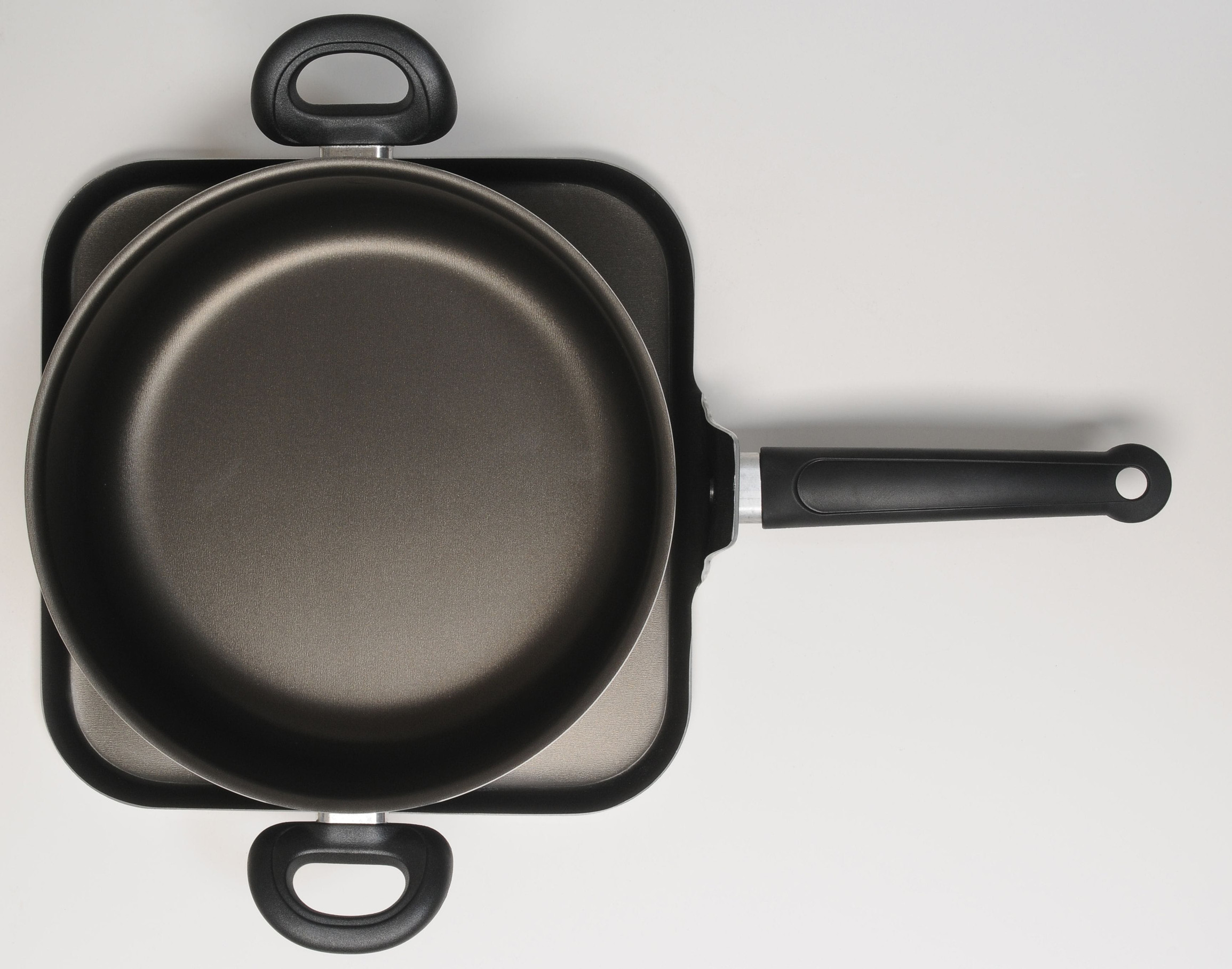
Another mistake is adding food before a pan or sheet tray is properly heated. A cold cooking surface can make food stick more easily, release moisture before a crust forms, and look gray or greasy instead of browned.
Browning happens through reactions that require high surface temperatures. Because water-rich foods can cool the cooking surface when added, starting with a properly heated pan gives food a better chance to develop color.
For cooks preparing foods that rely on browning, the basic approach is to preheat the pan first. Add oil once the pan is hot enough to shimmer, not smoke.
Wet Food Does Not Brown Easily
Moisture is another factor that can work against browning. Cooking meat directly from a wet marinade, adding damp vegetables to a hot pan, or using proteins covered in condensation can delay crust formation.
Before browning, surface water needs to evaporate. Until that happens, food is more likely to steam, and cooks may leave it over heat longer while waiting for color to appear.
A practical step is drying ingredients before cooking. Pat meat, tofu, fish, and vegetables dry with paper towels before they go into the pan.
Guessing Meat Doneness Can Lead to Overcooking
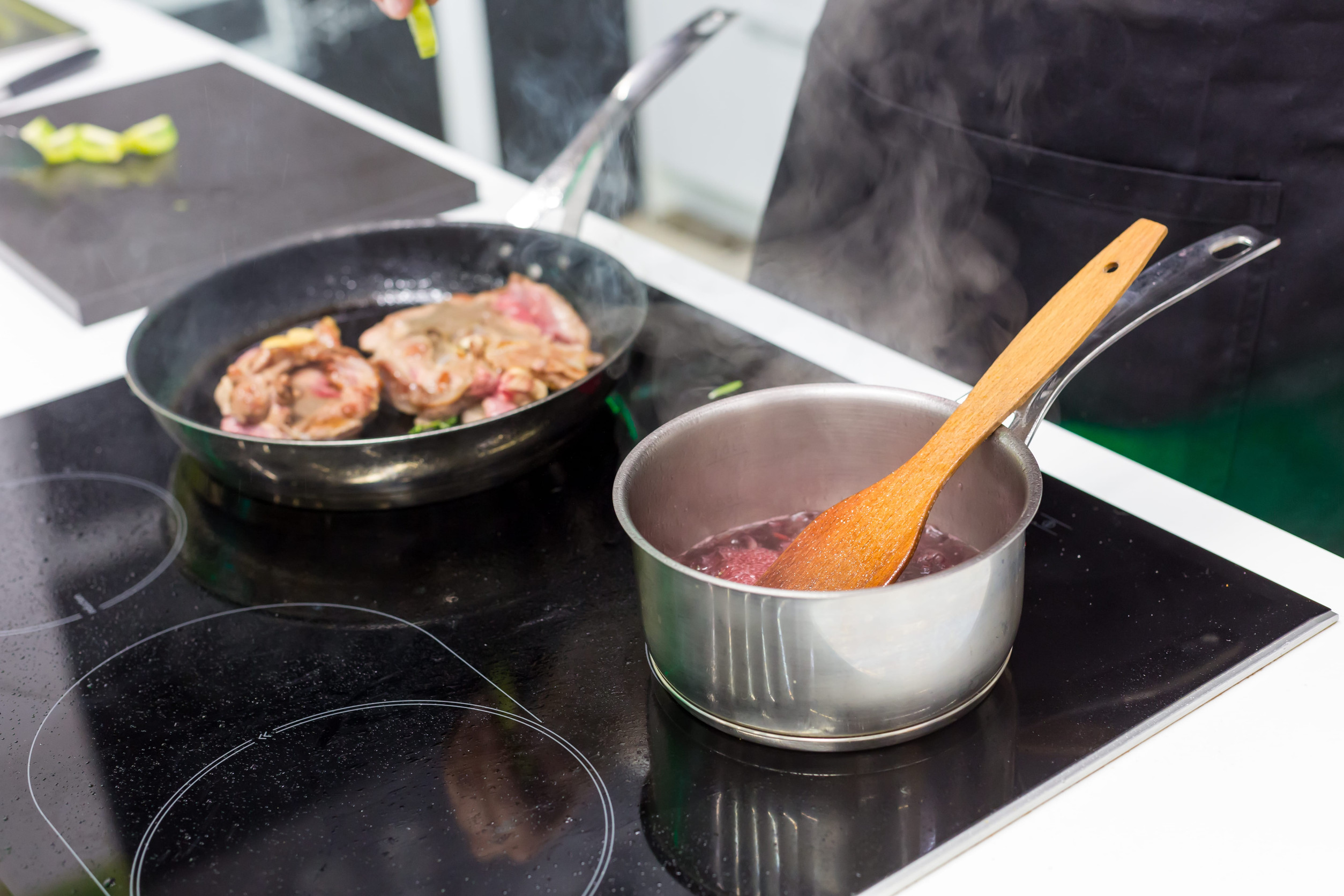
Some cooks rely on appearance, firmness, cooking time, or clear juices to decide when meat is finished. This can create uncertainty and sometimes leads to cooking food longer than necessary.
Using a food thermometer provides a more reliable way to check doneness. USDA guidance includes minimum internal temperatures such as 145°F for whole cuts of beef, pork, veal, and lamb with a three-minute rest, 160°F for ground meats, 165°F for poultry, and 145°F for fish.
Checking temperature at the thickest point can help avoid guessing. For thinner foods, inserting the thermometer from the side can help you reach the center.
Cutting Meat Too Soon Can Affect the Eating Experience
Another mistake happens after cooking: slicing meat immediately after removing it from heat.
When you cut very hot meat right away, more liquid can escape onto the cutting board. Letting it rest gives the temperature and internal pressure time to settle, reducing the amount of liquid lost when you slice it.
Resting time depends on the size and cooking method. A smaller piece may need only a few minutes, while a larger roast may require longer.
Overmixing Batter Can Create Dense Baked Goods
Baking mistakes often begin during mixing. Once you add flour, continuing to beat pancake, muffin, biscuit, cake, or quick-bread batter until completely smooth can change the final texture.
Mixing activates flour proteins and encourages gluten formation. While this can help with chewy breads, too much development can make tender baked goods dense, tough, or gummy.
A better approach is to mix only until obvious dry pockets disappear. For pancakes and muffins, small lumps in the batter are often better than prolonged stirring.
Incorrect Flour Measurements Can Change Recipes
The final mistake is measuring flour inaccurately. Scooping flour directly from a bag with a measuring cup can pack in more flour than a recipe intended.
Because baking depends on careful ratios, too much flour can throw off the balance of ingredients and lead to dry cookies, dense biscuits, heavy cakes, or stiff dough.
Using a digital scale is the most consistent method. When using measuring cups, the “fluff, sprinkle, and scrape” method can help: loosen the flour, spoon it into the cup, and level it without packing.
Small changes in technique can have a noticeable impact in the kitchen. Whether it is leaving space in a pan, drying ingredients before cooking, or measuring carefully while baking, these adjustments can help everyday recipes turn out more consistently.