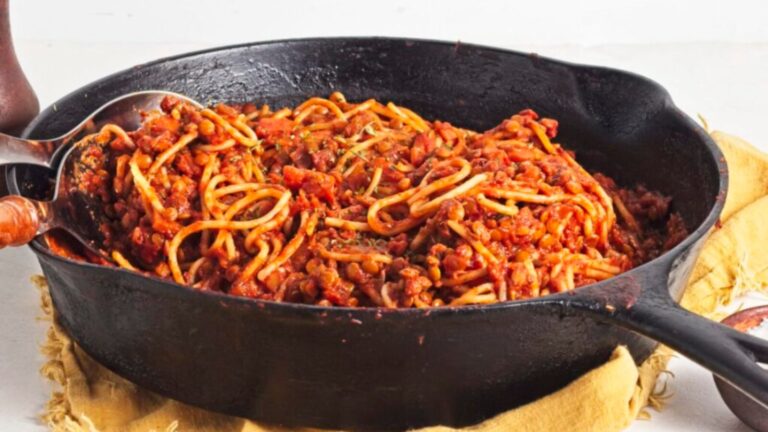
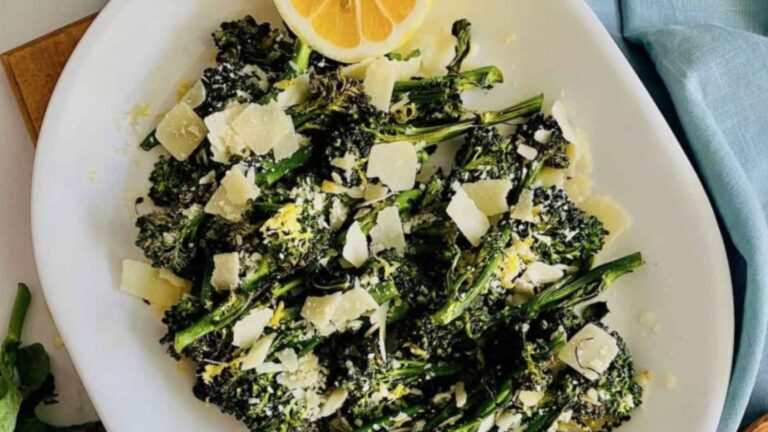
Some people barely touch their food with sauce, while others look at a perfectly good plate and immediately wonder where the rest of the bottle went.
There is the careful drizzle that creates thin ribbons across roasted vegetables, the confident slather that makes a sandwich almost impossible to eat neatly, and the proud dollop sitting in the middle of a plate like it owns the place. None of these approaches is necessarily right or wrong. The amount and placement of a sauce can change how a meal tastes, how ingredients come together, and even how generous the whole plate feels.
And then comes the question recipes have somehow avoided answering properly: when someone says “add a drizzle,” how much are we actually supposed to use?
The Drizzle Crowd Likes a Little Control
A drizzle is for the person who wants the sauce to make its presence known without taking over the entire meal.
Think olive oil over roasted vegetables, balsamic glaze across a salad, honey over warm biscuits, or chocolate falling across a dessert. The sauce arrives in a thin stream rather than a flood, spreading flavor across several bites instead of creating one enormous pocket.
The funny thing is that “drizzle” is deliberately imprecise. Bon Appétit’s test kitchen actually tackled this problem by visually demonstrating loose cooking terms including drizzle, dollop, schmear, pinch, and sprinkle. Instead of pretending everyone measures these things the same way, the demonstration shows what the words look like in practice.
That makes the drizzle particularly useful when the sauce is powerful. A sharp vinaigrette or spicy oil can change an entire plate with surprisingly little effort.
Then There Is the Slatherer
The slatherer has looked at moderation and decided it probably doesn’t belong between two slices of bread.
Slathering means spreading something thickly and generously, which explains why the technique feels perfectly at home with burgers, sandwiches, toast and barbecue. Mayonnaise reaches the edges, mustard gets a confident swipe, and barbecue sauce becomes less of a condiment and more of a central character.
The word itself has been around long before today’s sauce-heavy food culture. The Online Etymology Dictionary records slather in the sense of “spread liberally” from 1847, while noting that its deeper origin remains uncertain.
There is something wonderfully unapologetic about it. A slather says the sauce is not an accessory.
The sauce is part of the food.
And sometimes that is exactly what a sandwich needs. A dry piece of grilled chicken does not benefit from a polite stripe of mayonnaise if what it really needs is moisture from edge to edge.
The Dollop Plays by Different Rules
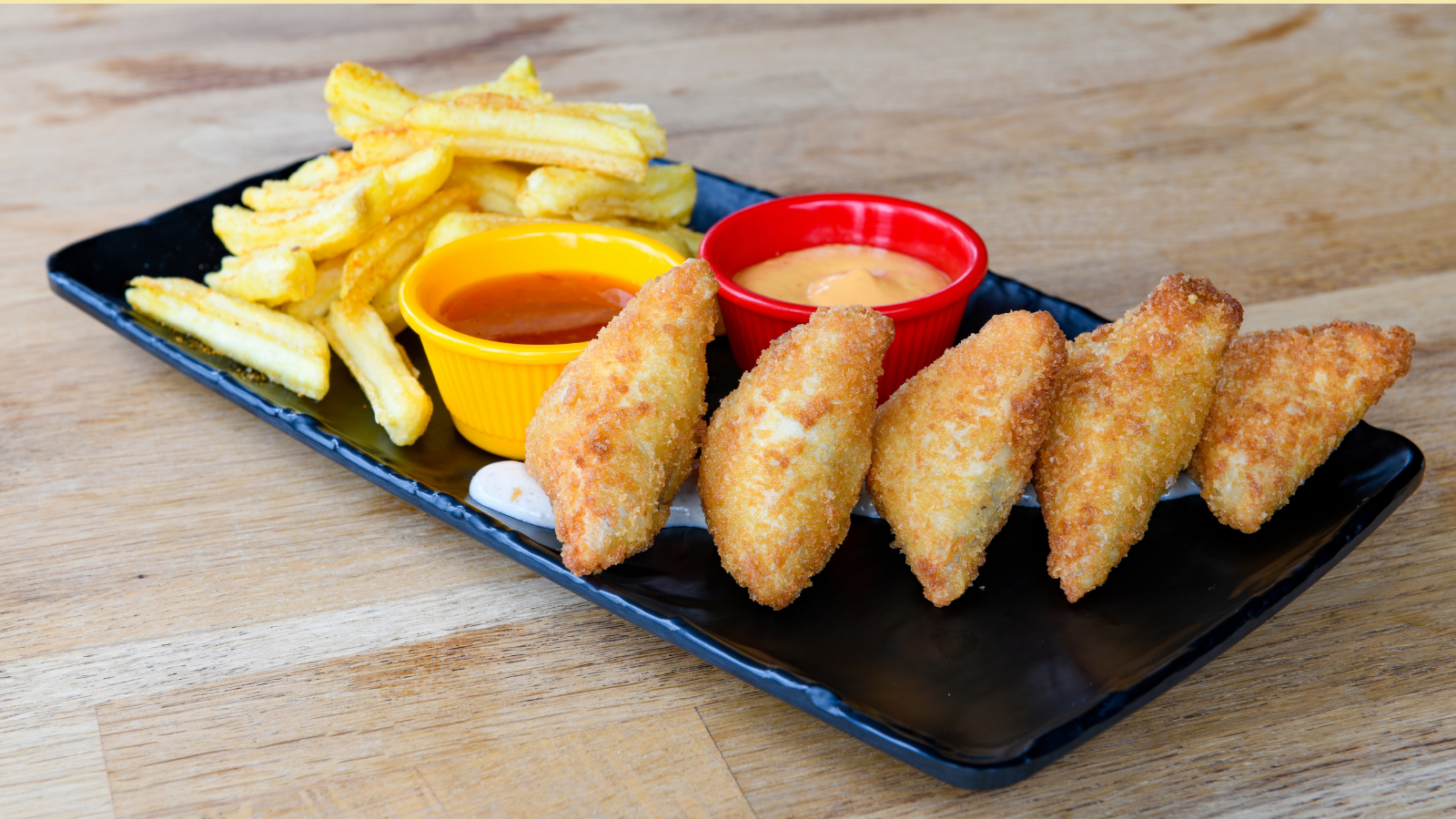
A dollop does not try to cover everything, it gives you one concentrated hit of flavor and lets you decide what happens next.
Think sour cream on chili, yogurt beside roasted vegetables, whipped cream on pie, or pesto sitting beside a bowl of soup. You can drag the food through it, mix it in gradually, or leave it alone until a particular bite needs something cool, creamy, or rich.
Oxford defines a dollop as a small amount of soft food, often dropped from a spoon, and traces the word’s food-related history back centuries. That vagueness is part of its usefulness because nobody really wants to weigh a spoonful of sour cream before putting it on a bowl of chili.
Your dollop might be modest. Mine might look like it needs its own postcode.
The Same Sauce Can Behave Completely Differently
Where you put the sauce can matter almost as much as which sauce you choose.
Take roasted vegetables. A drizzle of tahini leaves the vegetables exposed while adding creamy richness to different bites. Cover them completely, and the sauce becomes the dominant flavor. Put a dollop on the side instead, and you create a little pool that lets the diner decide how much to combine with each mouthful.
The same thing happens with meat. A rich gravy may belong under a steak rather than on every inch, while a bright herb sauce can work beautifully as a thin finish because its acidity cuts through the richness without hiding the meat.
That is why sauce is more than decoration. It can provide moisture, contrast, richness, acidity, heat, or texture. The best application depends on what the food is missing.
Sometimes Your Sauce Choice Is About the Whole Meal
A sauce can quietly change a meal’s personality without changing the main ingredient.
The same roasted chicken can feel completely different with a sharp herb drizzle, a creamy dollop, or a thick barbecue slather. One feels fresh, another comforting, and another unapologetically messy. That is a lot of personality for something that often begins with a spoon or squeeze bottle.
It is also why small food choices can change how we experience everyday meals. Pairing satisfying foods with ingredients you genuinely enjoy can make routines feel less repetitive, particularly when you are thinking about energy and mood as well as taste. Foods such as berries, nuts, leafy greens, and whole grains are among the ingredients commonly linked to steadier energy and mental well-being.
The important thing is not to turn every sauce into a nutritional debate. Sometimes dinner is simply dinner, and a good sauce is there because it tastes fantastic.
You Can Be More Than One Team
The best part is that nobody has to pledge lifelong loyalty to one sauce technique.
A plate can have a drizzle of olive oil, a dollop of yogurt, and a little sauce underneath the vegetables. A sandwich can be slathered with mayonnaise while the fries beside it receive only a careful drizzle. The same person can switch teams depending on whether lunch is a salad, burger, steak, or dessert.
That flexibility is part of what makes these loose cooking terms useful. They describe how something should be applied rather than forcing the cook to reach for a measuring spoon every time.
And food is full of these little rituals. One person wants extra chili. Another wants lemon. Someone else insists that the sauce must stay on the side. Those preferences can become surprisingly personal, especially when a familiar meal is involved.
The Only Real Mistake Is Drowning the Food
There is a moment when generous stops being generous and the sauce quietly becomes the entire meal.
A beautiful steak can disappear beneath too much gravy. Crisp fries can lose their texture under an ocean of dressing. Fresh vegetables can become heavy when every inch is coated, and even an excellent sauce becomes less exciting when there is no contrast left.
Starting with less is usually the safer move because you can always add another drizzle or another dollop. Removing half a cup of mayonnaise from a sandwich, however, becomes considerably harder once it has already been spread.
The three teams may not be enemies after all. The drizzle spreads. The slather commits. The dollop gives you options. And the best cook is simply the person who knows confidently which one the food needs.
So, when your favorite meal lands in front of you, are you Team Drizzle, Team Slather, or Team Dollop, and what food brings out your most extreme sauce habits?