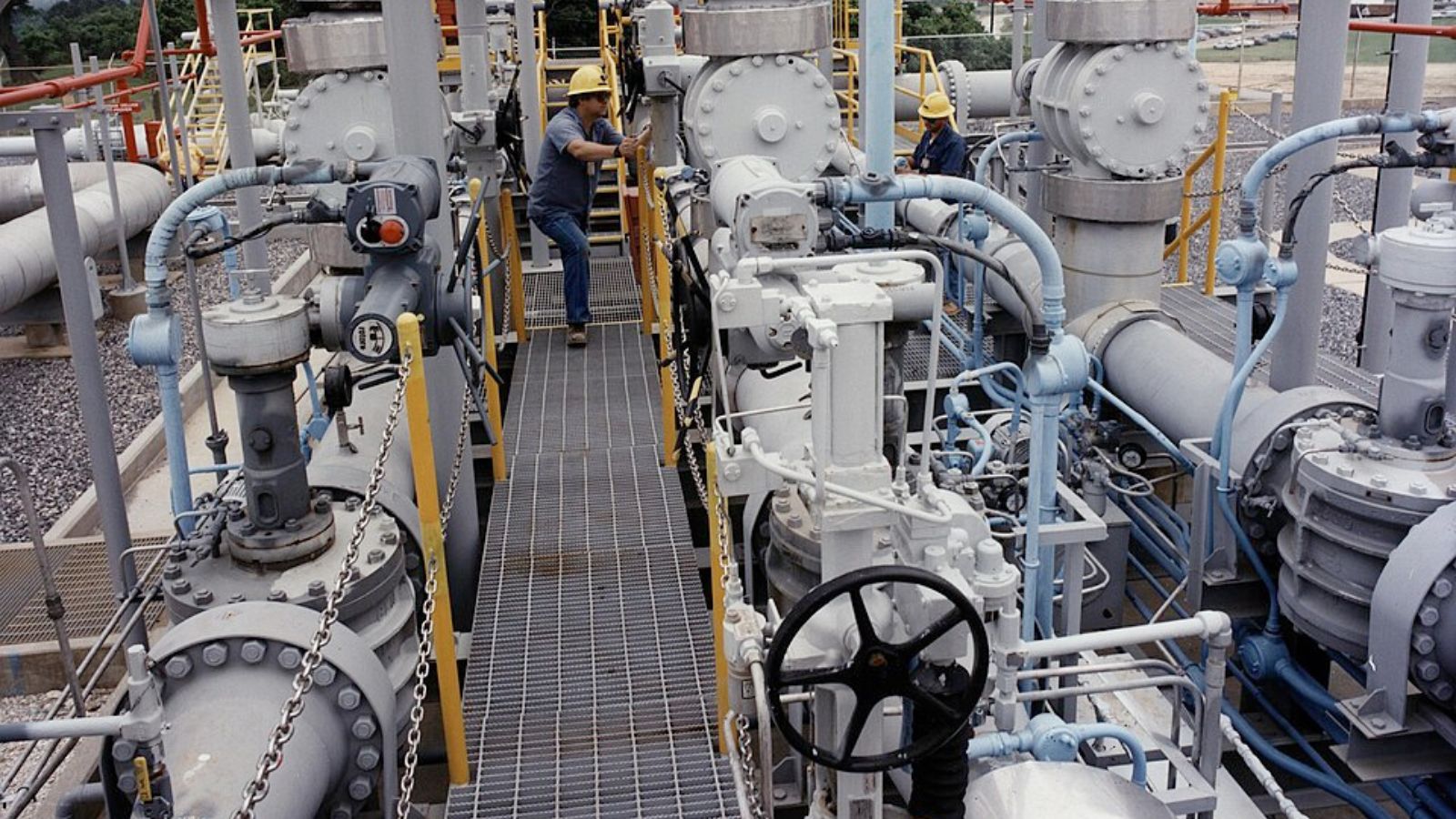
Subterranean limestone caverns house millions of barrels of crude oil along the Gulf Coast. Salt domes naturally seal the stored petroleum without requiring steel tanks. The United States Department of Energy manages these four massive storage sites across Texas and Louisiana.
Decades of geopolitical strategy built this stockpile to cushion the American economy against sudden supply shocks. Recent withdrawals have depleted these emergency stores to levels unseen in four decades. Federal inventories slipped past a major historical threshold, hovering near 297 million barrels.
Historical Origins Set During the Cold War
President Gerald Ford signed the Energy Policy and Conservation Act into law in 1975. Lawmakers created the emergency reserve following the nineteen seventy-three Arab oil embargo. That geopolitical crisis triggered severe fuel shortages and long lines at American gas stations.
The initial congressional mandate aimed to secure up to one billion barrels of crude oil. Engineers selected salt caverns for their unique geological stability and lower maintenance costs compared to above-ground facilities.
Decades passed with the inventory steadily climbing toward historical peaks of over seven hundred million barrels.
Massive Releases Designed to Lower Fuel Prices
Geopolitical turmoil and post-pandemic demand spikes pushed domestic gasoline prices to record highs in twenty twenty-two. The Biden administration authorized the historic release of 180 million barrels from the emergency stockpile.
Department of Energy officials coordinated the massive sale to calm global energy markets and stabilize household fuel costs. Commercial refiners purchased the crude through competitive auctions, moving millions of barrels from caverns to domestic refineries.
Federal data from the Energy Information Administration confirmed that this single action marked the largest drawdown in the history of the reserve.
Infrastructure Constraints Complicate Refilling Operations
Emptying salt caverns requires minimal mechanical effort, but refilling them presents severe engineering challenges. High-pressure injection pumps must slowly push replacement crude back into the subterranean cavities without destabilizing the surrounding salt walls.
Pumping too quickly risks cavern collapse or environmental contamination of local water tables. Furthermore, aging marine terminals and connecting pipelines require extensive rehabilitation before heavy intake operations can safely resume.
Congress also mandated previous legislative sales to fund unrelated federal programs, diverting barrels away from physical replenishment.
Market Stability Relies on Domestic Production Surges
Private shale drillers across the Permian Basin significantly increased crude extraction rates over recent years. Technological innovations in hydraulic fracturing transformed the United States into the world-leading petroleum producer.
Daily domestic output exceeded thirteen million barrels, offsetting the missing barrels from federal underground vaults. Energy analysts at Wood Mackenzie noted that robust private production prevents immediate vulnerability to foreign supply disruptions.
However, private inventories operate under different economic incentives than government emergency reserves. Commercial storage facilities prioritize short-term market efficiency over long-term national security buffers.
Legislative Hurdles and Future Replenishment Costs
Replacing drained reserves involves complex budgetary negotiations within federal legislative bodies.
Market prices for benchmark crude oil settled well above historical purchase averages, complicating federal procurement plans. The Department of Energy previously initiated small-scale repurchases, acquiring millions of barrels at favorable fixed prices. Lawmakers must appropriate billions of taxpayer dollars to purchase hundreds of millions of replacement barrels.
Fiscal conservatives often question the need to maintain massive federally owned crude stockpiles given robust domestic hydraulic fracturing output. Strategic planners counter that private shale fields cannot replace the rapid deployability of government-owned emergency supplies during sudden geopolitical conflicts.