A massive construction site now stands where the historic East Wing of the White House once existed, turning President Donald Trump’s ballroom project into one of the most closely watched disputes in Washington.
The project was designed to create a permanent space for presidential events, state dinners, and major diplomatic gatherings. Instead, it has become a legal battle involving presidential authority, congressional oversight, government spending, and the future of one of America’s most famous buildings.
The controversy is no longer about adding a new room to the White House. It has become a much larger debate about who has the power to reshape federal property and how far presidential authority can extend.
A White House Project Becomes a Fight Over Presidential Power
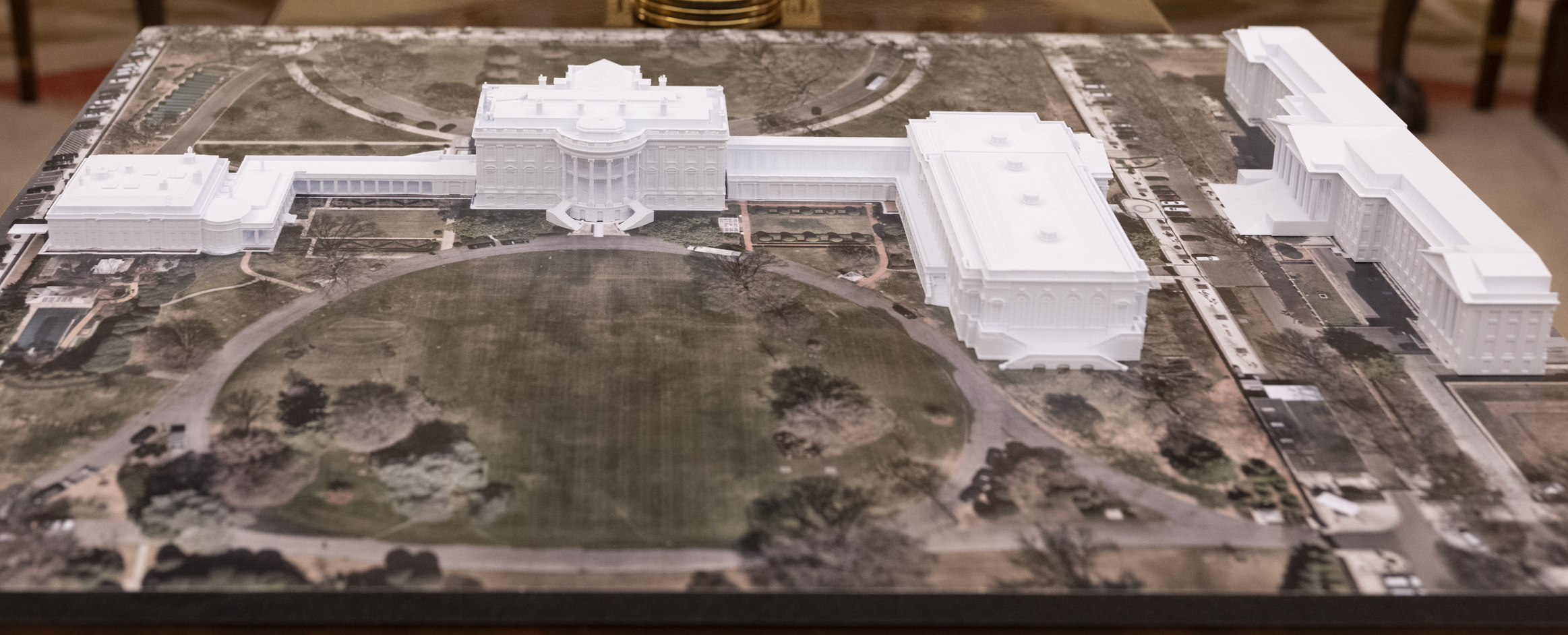
The White House, Public domain, via Wikimedia Commons
The legal battle over Trump’s ballroom began with a basic question: can a president make a major structural change to the White House without direct approval from Congress?
The United States Court of Appeals for the District of Columbia Circuit ruled that the administration likely did not have the authority to move forward without congressional approval. The judges argued that the White House is a national property owned by the public rather than a private residence controlled by the person occupying the Oval Office.
The Trump administration disagreed with the decision and argued that presidents have traditionally had broad authority to maintain and improve the Executive Residence. Officials said the project would solve practical problems by providing more space for important events and improving outdated security systems.
The ruling created a major constitutional debate. Supporters view the ballroom as a necessary modernization effort, while critics argue that a project of this size requires greater oversight before construction begins.
The East Wing Demolition Changed the Entire Situation
The most dramatic moment in the controversy came when workers removed the East Wing, transforming a proposed project into a physical reality.
The East Wing represented much more than office space. For decades, it served as a public entrance, housed offices connected to the first lady, and played a role in important White House traditions.
Preservation groups argued that the building carried historical value because millions of visitors connected with the White House through that part of the complex. They believed such a significant change required careful consideration before demolition took place.
The demolition also changed the practical consequences of the lawsuit. The legal question was no longer simply whether construction should begin, but what should happen after a historic section of the White House had already been removed.
The White House Has Changed Before, But This Project Stands Apart
The White House has evolved throughout history, but Trump’s ballroom project has created unusual questions because of its size, timing, and legal challenges.
Presidents have expanded and renovated the complex many times to meet the needs of changing governments. The West Wing was added during President Theodore Roosevelt’s administration, while the East Wing was created during President Franklin Roosevelt’s presidency as government responsibilities continued to grow.
President Harry Truman oversaw one of the largest transformations when between 1948 and 1952. These examples show that changes to the White House are not unusual.
The difference with Trump’s ballroom is the combination of demolition, new construction, private funding, security improvements and questions about congressional authority. The central issue is not whether the White House can change, but who has the power to approve changes of this scale.
A $200 Million Plan Became a Larger Financial Debate
The ballroom’s changing cost estimates have created another major controversy alongside the legal fight.
When the project was first announced, the administration described an approximately $200 million ballroom and said private donors would cover the construction costs. As plans expanded, discussions about the overall cost became more complicated because security improvements and underground facilities became part of the broader project.
The financial debate grew as questions emerged about how much of the work involved private construction and how much involved government funded security improvements. Officials argued that protecting the president requires federal investment, while critics questioned whether the different costs could truly be separated.
The dispute became more than a final price tag. It became a debate about transparency, public responsibility, and whether a major change to the White House should receive wider public review.
Security Needs Versus Historic Preservation
The administration’s strongest argument is that the project is about protecting the presidency as much as creating a new event space.
Trump and his allies have highlighted underground facilities and security improvements as important parts of the project. They argue that future presidents will benefit from stronger protective systems designed for modern threats.
Those concerns have received attention because the White House faces security challenges that previous generations never experienced. A president’s workplace requires constant improvements to protect national leadership and government operations.
However, preservation groups argue that security concerns should not remove the need for legal oversight. They believe important national security goals can still be achieved while following established procedures for changing historic federal property.
The Supreme Court Could Decide the Ballroom’s Future
The next major decision could come from the Supreme Court, which may determine whether construction can continue without approval from Congress.
Trump has indicated that he plans to challenge the appeals court ruling. The Supreme Court could first decide whether restrictions on construction should remain in place while the larger legal dispute continues.
The justices could later decide whether to hear the full case. Their decision could influence how future presidents approach major changes to government buildings across the country.
The case therefore extends beyond one ballroom. It raises broader questions about the balance between presidential power and congressional authority.
Congress Could Become the Key to Completing the Project
One possible solution is congressional approval, but that option could create its own political challenges.
If Congress approves the ballroom, it could remove the main legal obstacle identified by the appeals court. However, gaining support from lawmakers may be difficult because the project has already become a highly debated political issue.
Some lawmakers have questioned the cost and timing of the construction effort. Others have expressed concerns about approving a major White House project while many Americans remain focused on economic issues and government spending.
The ballroom’s future may therefore depend on more than court decisions. Elections, public opinion, and congressional priorities could all determine whether construction continues.
A Future President Could Inherit Trump’s Biggest Building Decision
Even if Trump does not complete the ballroom, another president could inherit one of the most unusual construction decisions in modern White House history.
Presidential legacies are often remembered through laws, appointments, and historic moments. Trump’s ballroom could become a different type of legacy because it represents a permanent physical change to the presidential complex.
A future administration could inherit unfinished construction, contracts, security infrastructure and a transformed section of the White House grounds. Since the East Wing has already been removed, simply restoring the previous arrangement would not be easy.
The next president could decide to complete the project, redesign it or pursue another option. Whatever happens, the decisions made now will likely influence the White House for many years.
The Unfinished Ballroom Has Become a National Debate
What began as a plan for a larger White House event space has become a much bigger discussion about history, power and government responsibility.
The Trump administration argues that the ballroom represents modernization and a lasting improvement for future presidents. Critics argue that the project moved too quickly and crossed legal boundaries designed to protect public property.
The White House has always reflected the priorities of the presidents who occupy it. Every administration leaves a mark, but every major change also raises questions about authority and accountability.
The unfinished construction site now represents more than concrete and steel. It represents a debate about where presidential power ends and public oversight begins.
The final outcome will depend on the Supreme Court, Congress, and the political decisions made in the months ahead. The ballroom may eventually become a completed feature of the White House or remain a symbol of one of the most consequential disputes over presidential power in modern times.