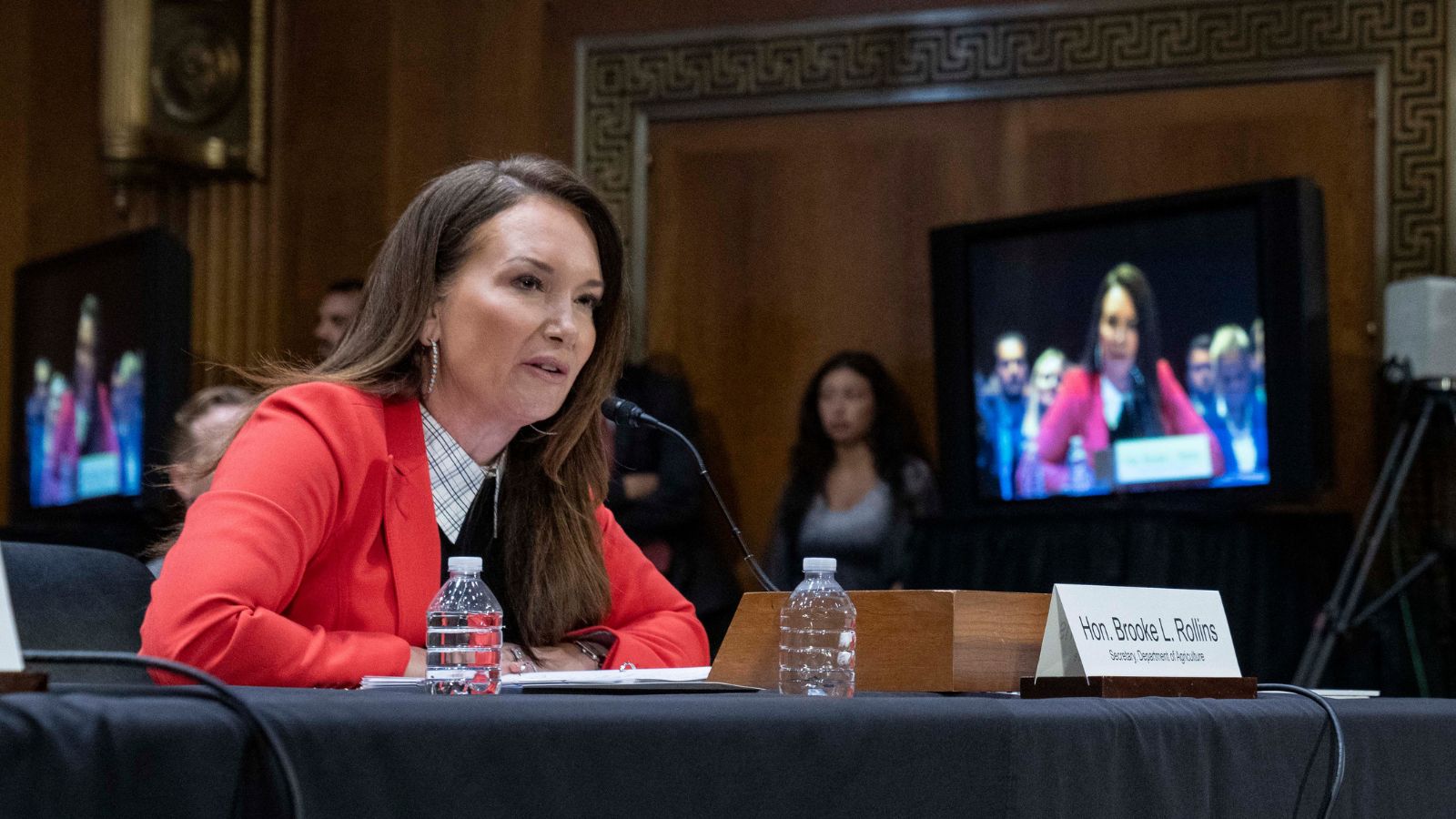
Federal agencies recorded a 5 million drop in program enrollment after states implemented stricter work mandates under the Fiscal Responsibility Act of 2023. United States Department of Agriculture leadership designated the reduction a pretty big win during a congressional budget hearing on Capitol Hill.
Administrators defended the contraction by pointing to labor force participation rates compiled by the Bureau of Labor Statistics, which showed adult beneficiaries transitioning into entry-level employment across the retail and hospitality sectors.
Congressional Budget Office projections originally estimated that tighter eligibility checks would remove 3 million individuals over a decade, but actual administrative data exceeded those forecasts within 18 months. State welfare agencies accelerated rollouts of automated verification software built by private contractors, filtering out recipients who failed to upload monthly wage stubs through online portals.
That digital bottleneck disproportionately affected rural counties where broadband access falls below national averages, stranding jobless workers without administrative recourse.
Administrative bottlenecks and digital verification hurdles
State welfare directors contracted software systems from vendors like Deloitte and Maximus to handle mandatory work confirmation protocols. Because automated algorithms frequently flagged clerical errors as fraudulent activity, thousands of households lost grocery stipends without receiving paper notification letters in advance.
Center on Budget and Policy Priorities analysts tracked a 40% surge in administrative disenrollments across 14 southern states during the third quarter of fiscal year 2025.
Legal aid organizations have argued in federal court that digital barriers to SNAP applications can unlawfully prevent eligible households from accessing benefits. Furthermore, they argue that recipients are denied the procedural protections required during the application and appeals process.
Department attorneys countered that streamlined digital architecture reduces long-term operational overhead.
Economic impacts on local retail and agricultural supply chains
Grocery retailers in low-income zip codes recorded immediate revenue contractions following the federal purge of household food accounts. An average 18% drop in weekly produce sales among independent bodega owners situated in urban food deserts. Agricultural economists calculated that every one-dollar reduction in federal nutrition spending creates $1.54 in lost economic activity across local wholesale distribution networks.
A competing view suggests that removing non-compliant adults from federal rolls forces local labor markets to absorb idle workers, raising regional productivity indices. Empirical data shows minimal wage growth in counties with high disenrollment rates, contradicting predictions about localized labor shortages.
Grocery supply chains responded by scaling down perishable inventory orders, leaving neighborhood markets with narrower margins and higher operating risks.
Public health consequences and emergency food network strain

Emergency food pantries affiliated with Feeding America reported serving 30% more clients within weeks of the federal enrollment drop. Food insecurity more than quadruples (4x) the risk of severe hypoglycemia in older outpatients. Strikingly, 78% of those who experience a severe low blood sugar emergency cite “skipping a meal, not eating enough, or waiting too long to eat” as the primary trigger.
Rising winter utility costs, decreased financial donations, and heightened post-holiday demand severely deplete food pantry and soup kitchen reserves across regions. State legislatures in California and New York appropriated state tax revenues to bridge the federal funding gap, creating a patchwork of regional relief efforts that bypassed federal oversight. That patchwork funding approach left rural food banks without municipal support, deepening nutritional disparities between urban centers and agricultural counties.