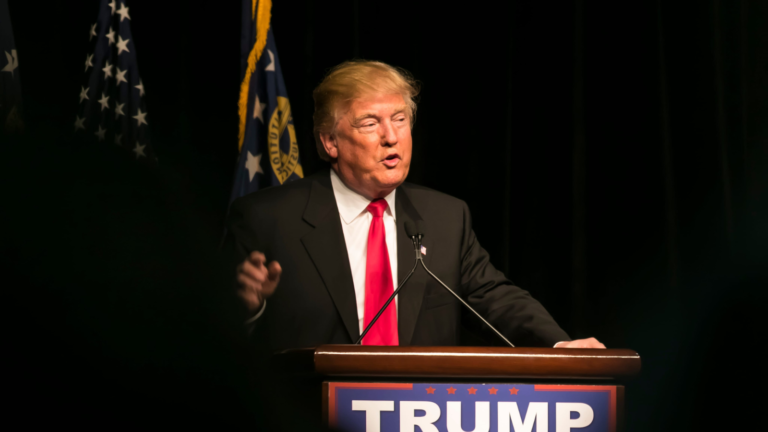
President Donald Trump stood before a packed ballroom at the Red Rock Casino Resort and Spa in Las Vegas on August 5, three months before midterm voters decide whether Republicans keep their House majority. His subject was money in people’s pockets. His audience was the tip-heavy service workforce that powers Nevada’s economy and, increasingly, its elections.
The event marked a deliberate pivot back to the pocketbook argument that carried Trump to victory in 2024, delivered in a state Republicans have not carried in a competitive House race since 2014.
A tip tax pitch built around one Las Vegas waitress
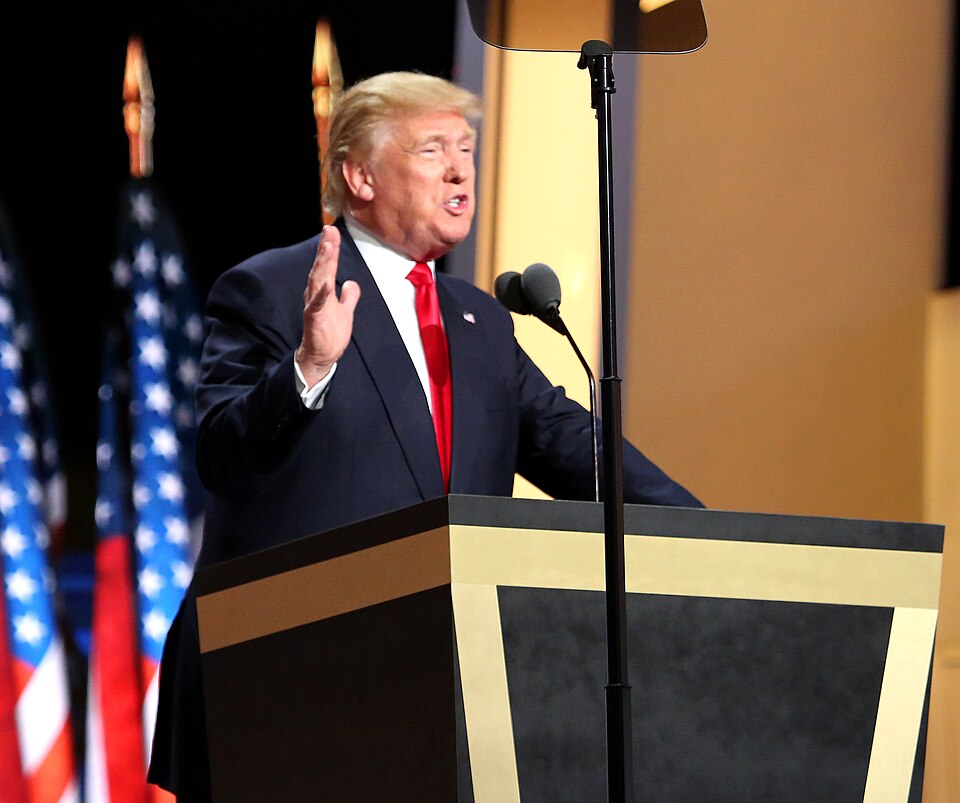
Trump has repeatedly credited a conversation with a Las Vegas waitress for inspiring the no-tax-on-tips provision now written into federal law. At Red Rock, he folded that origin story into a broader accounting of his economic record in the state.
‘’We’ve created over 40,000 new jobs, and lifted nearly 100,000 off of food stamps,’’ Trump told the crowd at Red Rock. The appearance doubled as a promotional stop for the White House’s Working Families Tax Cuts push, timed three months ahead of election day. The provision remains temporary under current law, a detail Trump did not mention on stage but one that will shape future fights overextending it.
Nevada’s battleground math keeps the pressure high
The math explains why Trump chose Nevada’s 3rd Congressional District for the message. Susie Lee has held the Las Vegas-area seat since 2018 and won her last two races by margins under four points, 52 to 48 in 2022 and 51.4 to 48.6 in 2024, according to Ballotpedia’s district data.
Trump carried the same district in 2024, edging Kamala Harris 49.5 to 48.8. That split ticket behavior makes NV-3 one of the few House seats where a presidential visit can plausibly move votes in both directions at once. Election forecasters classified the general election as lean Democratic heading into the fall, a designation that leaves both parties treating the seat as winnable through November.
Republicans see O’Donnell as their best shot yet
Marty O’Donnell, a music composer who worked on the Mr Clean jingle and Halo video game scores, won the Republican primary in June and now carries the party’s hopes into November. He has built his campaign around Lee’s vote against the tax package Trump signed into law, framing her as out of step with tipped and hourly workers.
O’Donnell accused Lee of being blinded by Trump Derangement Syndrome in a social media post ahead of the president’s visit, arguing her opposition cost Nevada families money. The line reflects a broader Republican strategy of nationalizing local races around a single vote rather than a candidate’s broader record.
Democrats counter that the bill favors the wealthy
Lee and every other House Democrat voted against the legislation, arguing it delivers outsized benefits to wealthy Americans while straining Medicaid and food assistance programs relied on by lower-income households. Nevada’s unemployment rate has run among the highest in the country for much of the past year, a fact Democrats say undercuts Trump’s jobs framing.
‘Working harder and their dollar is going less far,’ Lee said in a recent video criticizing the law, pointing to a cost of living squeeze she argues no single tax provision fixes. The competing narratives, one built on job counts and the other on affordability, are likely to define the district’s closing weeks.
Trump’s own approval numbers complicate the sales pitch
The tax message arrives as Trump’s standing on the economy has deteriorated sharply. A Fortune analysis of recent polling put his economic approval at 32%, down from 40% at the start of his second term. Gallup and Reuters Ipsos surveys have shown similar erosion since spring, driven partly by tariff-related price increases and a brief but costly conflict with Iran.
CNBC’s July survey recorded a net approval of negative 22 on the economy, the worst mark of Trump’s political career by that measure, while Emerson College found Democrats holding an 11-point edge on the generic congressional ballot. Independent approval nationally has slipped below 36% in some trackers, a threshold analysts associate with prior wave election losses for the president’s party.
National Republicans are pouring money into defending the majority
Trump’s Nevada stop is one piece of a larger financial mobilization. Americans for Prosperity has committed 20 million dollars to a Protect Prosperity campaign aimed at preserving the tax law across dozens of competitive House districts, calling it the group’s largest single investment in any legislative fight.
‘The largest tax hike in history,’ AFP managing director Kent Strang said the party is racing to prevent, framing the stakes in existential terms.
Whether the tip tax message can outrun broader economic pessimism will not be settled in Las Vegas. It will be settled in November, seat by seat, in districts like Nevada’s 3rd where four points has decided the last two elections.