A Senate hearing meant to revisit the bitterest questions of the COVID-19 era quickly spilled beyond Capitol Hill and into a fresh political brawl. California Gov. Gavin Newsom jumped into the fight after Sen. Rand Paul spent hours pressing Dr. Anthony Fauci over pandemic policies, vaccine guidance, research funding and Fauci’s private diary entries.
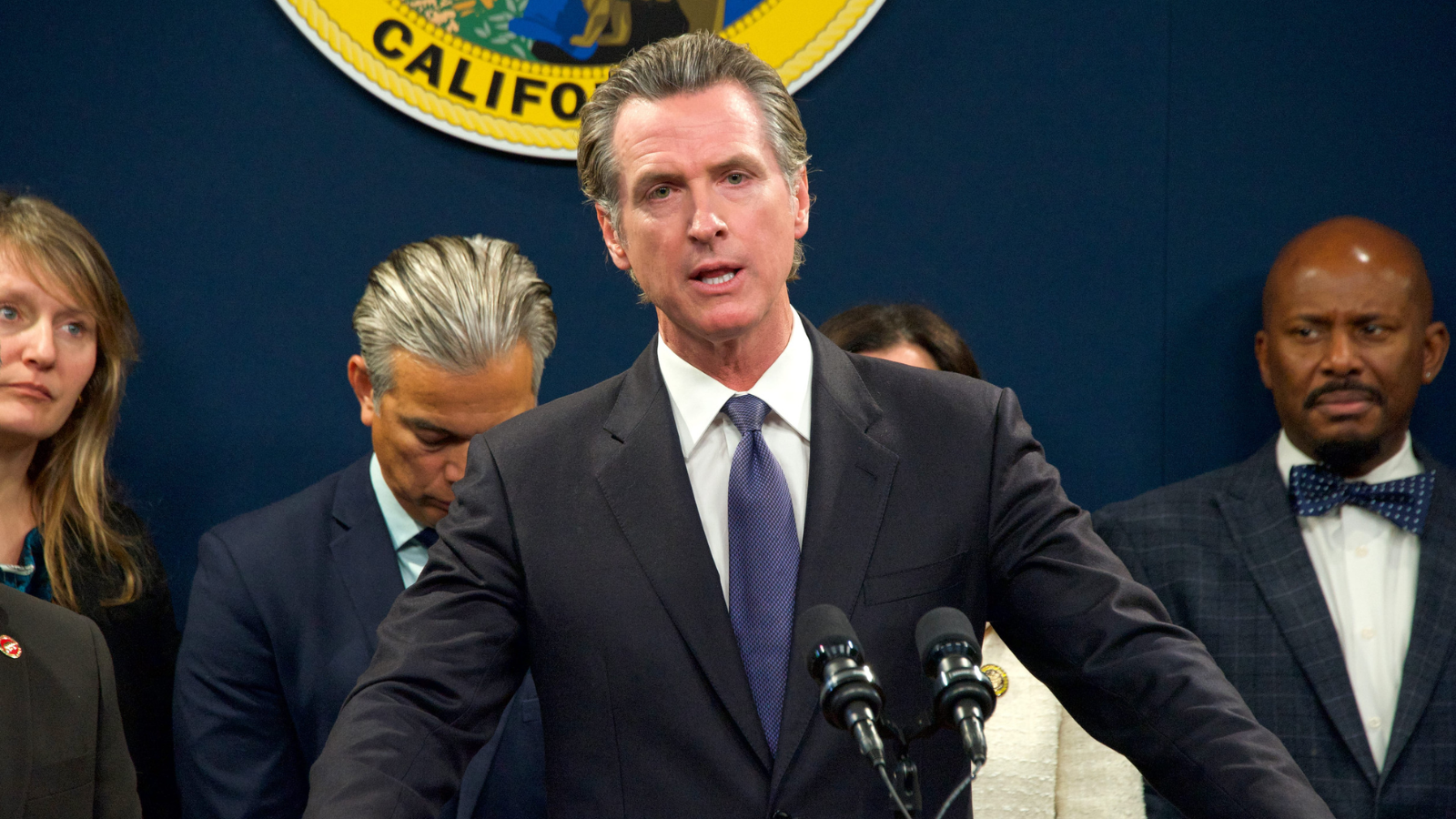
Newsom’s response was brief and built for social media: “Vaccines save lives. Unfortunately, they don’t cure Rand Paul’s mental issues.” The governor’s press office posted the remark on July 30, one day after Fauci’s Senate appearance.
The line was sarcasm, not a medical judgment, but it compressed years of anger and partisan combat into eleven words. It also gave both parties another reason to argue about a pandemic that faded from emergency status years ago but never truly left American politics.
A Hearing Built Around Years of Hostility
sheilaf2002/123rf
Fauci appeared before the Senate Homeland Security and Governmental Affairs Committee on July 29, 2026, after Paul, the Republican chairman, subpoenaed him. The two men have clashed repeatedly over COVID-19’s origin, federal support for coronavirus research in Wuhan and whether Fauci testified truthfully to Congress. The official committee listing identified Fauci as the hearing’s only witness.
This hearing offered little chance of reconciliation. Fauci invoked his Fifth Amendment right against self-incrimination and declined to answer more than 100 questions. He accused Paul of running an “unhinged” campaign to put him in prison and said the hearing appeared designed to trap him into making a statement that could later be used against him.
Paul rejected that explanation. He argued that Fauci’s presidential pardon should limit his ability to remain silent and warned of consequences for refusing to testify. Paul said the committee would consider a contempt-of-Congress resolution, although any criminal referral would require further Senate action and a Justice Department decision.
Legal experts told Reuters that a potential case could raise unresolved constitutional questions. Former President Joe Biden’s January 2025 pardon covered possible federal offenses committed between 2014 and the end of his administration, but it did not cover later conduct. Courts have not settled whether a pardoned witness may still invoke the Fifth Amendment regarding actions covered by that pardon.
The hearing grew tense and occasionally theatrical. Republican senators questioned Fauci about vaccine mandates, school closures, mask rules and the damage they said pandemic restrictions caused. Fauci continued invoking the Fifth, even when Sen. Josh Hawley asked routine questions about the date, the color of Fauci’s tie and the color of the carpet.
The Diaries Added Fuel, Not Final Answers
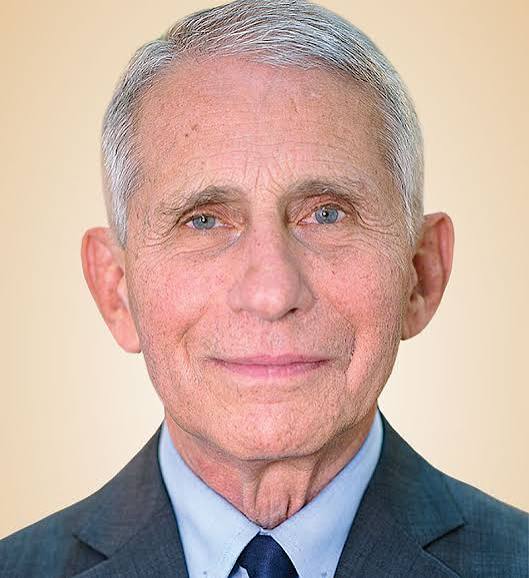
Days before the hearing, Paul released 1,141 pages of Fauci’s pandemic-era diary, covering December 2019 through December 2022. Paul argued that the entries exposed a gap between what Fauci considered privately and what he told Americans publicly, especially regarding the possibility that the virus escaped from a laboratory.
The documents show that Fauci and other scientists debated several origin theories during the pandemic’s earliest days. Some considered deliberate manipulation or a laboratory accident, while others thought natural animal-to-human transmission was more likely. Fauci has maintained that he kept an open mind about a laboratory leak but did not view the competing theories as equally probable.
That distinction matters because COVID-19’s origin remains unresolved. The CIA said in 2025 that a lab-related origin was more likely, but only with low confidence. The FBI also leaned toward a laboratory incident, while several other U.S. intelligence bodies favored natural transmission. No definitive evidence has settled the argument.
Fauci said Paul’s release of his diary was intended to embarrass and intimidate him. Paul maintained that the material was necessary for public accountability. Both sides arrived with sharply different conclusions before the first question was asked.
Newsom’s Punchline Revived the Vaccine Divide
Newsom’s post shifted attention from the hearing’s legal and scientific disputes to the political theater surrounding them. His opening claim that vaccines save lives is supported by extensive public-health evidence.
The World Health Organization says COVID-19 vaccines have saved millions of lives by reducing severe disease, hospitalization and death. WHO researchers estimated that vaccination saved more than 1.6 million lives in the European region between December 2020 and March 2023. The CDC also says vaccination lowers the risk of severe illness, hospitalization and death from COVID-19.
The second half of Newsom’s statement was something different: a personal attack aimed directly at Paul. Supporters saw it as a sharp response to a hearing they considered obsessive and partisan. Critics could reasonably view it as stigmatizing language that turned mental health into a political punchline.
That tension is the larger story. Paul’s supporters believe Fauci escaped meaningful accountability for decisions that disrupted schools, businesses and daily life. Fauci’s defenders argue that Paul transformed legitimate oversight into a personal crusade and repeatedly treated disputed allegations as proven facts.
Newsom resolved none of those questions. He did show how quickly the COVID debate returns to its familiar shape: one side invoking scientific evidence, the other demanding accountability, and both speaking to audiences that stopped trusting each other years ago.
The pandemic no longer dominates daily life, but its political aftershocks remain powerful. Fauci’s silence, Paul’s contempt threat and Newsom’s insult point to the same reality. America is still fighting over who was right, who was harmed and who should answer for the choices made during the crisis.