A routine trip to the grocery store turned into a food safety concern for millions of shoppers after Walmart removed several packaged lettuce products connected to an ongoing investigation into a possible Cyclospora outbreak. The retailer acted after receiving information from supplier Taylor Fresh Foods about iceberg lettuce products that may have been linked to contamination concerns involving lettuce sourced from Central Mexico.
Although no confirmed illnesses have been linked directly to the Walmart products removed from shelves, the company moved quickly as federal health officials continued to investigate reports of cyclosporiasis infections across multiple states. The precautionary action highlights how food supply chains can stretch across countries and how a single ingredient supplier can affect restaurants, retailers, and consumers nationwide.
Walmart Pulls Marketside Lettuce Products After Taylor Farms Recall NoticE
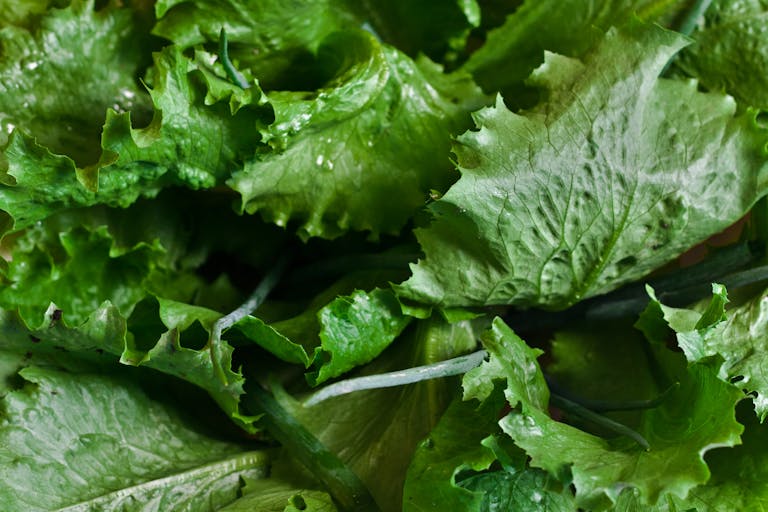
Walmart removed several Marketside packaged lettuce products from select stores after Taylor Fresh Foods issued a recall of iceberg lettuce linked to potential Cyclospora contamination.
The affected products include Marketside Bagged Iceberg Salad and Marketside Bagged Shredded Iceberg Salad sold in different package sizes. Walmart stated that customer safety remained its highest priority and that the company immediately worked with its supplier to remove the products from sale.
The recalled products were distributed to select Walmart locations in several states, including Alabama, Arkansas, Florida, Georgia, Illinois, Indiana, Kentucky, Michigan, Ohio, Pennsylvania, Texas, Virginia, and Wisconsin.
The company also encouraged customers with questions about the recall to contact Walmart Customer Service for additional assistance.
Cyclospora Outbreak Raises Concerns About Contaminated Lettuce Supply
The lettuce removal comes as health officials investigate a broader Cyclospora outbreak involving shredded iceberg lettuce supplied by Taylor Farms de México.
Cyclospora is a microscopic parasite that affects the intestinal system. People infected with the parasite can experience symptoms including persistent diarrhea, stomach cramps, nausea, loss of appetite, and fatigue. Unlike some common foodborne illnesses that resolve quickly, Cyclospora infections can persist for weeks or longer without proper treatment.
Federal health agencies have been investigating reports of illnesses connected to contaminated lettuce distributed through food service channels. Officials identified Taylor Farms de Mexico lettuce as a possible source after conducting traceback investigations.
The company supplies lettuce and salad ingredients to many businesses throughout North America, meaning the investigation has attracted attention from grocery stores, restaurants, and major food distributors.
Health officials have emphasized that removing potentially affected products is a preventive measure designed to reduce possible exposure while investigators continue working to identify the full scope of the contamination.
Taco Bell and Food Companies Take Action After Lettuce Investigation
Before Walmart removed the products from stores, Taco Bell announced that it had pulled lettuce supplied by Taylor Farms from restaurants in several states as a precaution.
The fast food chain removed potentially affected lettuce ingredients after federal officials identified a connection between shredded iceberg lettuce and illnesses reported among some customers.
The action created concerns throughout the restaurant industry because many national food chains rely on large suppliers to provide fresh produce across thousands of locations.
Food distributor Sysco also stopped selling and distributing Taylor Farms iceberg lettuce from Mexico after receiving notice from the supplier. The company’s decision reflected growing concerns among businesses that serve large volumes of fresh produce every day.
As the investigation continued, questions emerged about how many restaurants and retailers may have received lettuce from the same supply chain. Food safety experts warned that consumers often have limited information about the origins of ingredients in prepared meals.
Taylor Farms Suspends Central Mexico Lettuce Processing During Investigation
Taylor Farms responded to the investigation by suspending processing and distribution of iceberg lettuce from Central Mexico while officials continued reviewing possible contamination sources.
The company said it removed affected products and notified customers who may have received lettuce from the impacted region.
According to company statements, the investigation focused on a specific agricultural source believed to represent a small portion of the overall U.S. iceberg lettuce supply. However, because lettuce moves through complex distribution networks, identifying every location that received potentially affected products remains challenging.
Food safety investigations often require tracing products backward through farms, processing facilities, transportation networks, distributors, restaurants, and retail stores.
The process can take time because a single batch of produce may be divided among multiple companies before reaching consumers.
Consumers Face Uncertainty as Officials Track Potentially Affected Products
One of the biggest challenges during the recall has been helping consumers understand whether products in their homes or favorite restaurants may be affected.
Unlike packaged foods with clear brand labels, fresh ingredients such as lettuce are often used inside prepared meals, making it harder for customers to identify the source.
Food safety advocates have argued that recall information should provide clearer details about where potentially contaminated products were distributed.
When consumers do not know which restaurants, stores, or products received affected ingredients, they may struggle to make informed decisions about avoiding exposure.
The ongoing investigation has placed pressure on food companies and regulators to improve transparency throughout the supply chain.
Previous Taylor Farms Outbreaks Add Attention to Current Investigation
The latest lettuce concerns have drawn additional attention because Taylor Farms has previously been connected to other food safety investigations.
In a previous outbreak investigation involving McDonald’s Quarter Pounder burgers, slivered onions supplied by Taylor Farms were identified as the likely source of an E. coli outbreak. That incident resulted in illnesses and prompted product removals.
Taylor Farms de Mexico was also linked to a 2013 outbreak involving salad mix that sickened hundreds of people across multiple states.
These previous incidents have increased public interest in the company’s food safety practices and the safeguards used to prevent contamination.
However, every outbreak investigation is evaluated separately, and officials must gather evidence before determining the exact source and cause of contamination.
Lettuce Recall Creates Challenges for Restaurants and Food Businesses
Restaurants that depend heavily on fresh vegetables have faced growing pressure as customers become more cautious about food safety concerns.
Chains known for salads, wraps, and fresh menu items experienced increased attention as consumers searched for information about whether their meals contained potentially affected lettuce.
Industry analysts noted that even short-term concerns can influence customer behavior, especially when news of food recalls spreads quickly online.
Restaurants often rely on large suppliers because they provide consistent quality and nationwide distribution. However, that same system means a problem at one supplier can affect businesses across many states.
Companies must balance maintaining customer trust while responding quickly to safety investigations.
What Consumers Should Know About the Lettuce Recall
Consumers who purchased recalled Marketside iceberg lettuce products should avoid eating them until more information becomes available.
Anyone who believes they may have consumed contaminated lettuce should watch for symptoms of Cyclospora infection, especially prolonged diarrhea or other digestive problems.
People experiencing persistent symptoms should contact a healthcare provider for medical advice.
Consumers can also check recall announcements from retailers, food companies, and government agencies for updated information as investigators continue their work.
Food safety officials stress that recalls are designed to prevent illness by removing potentially risky products before more people are affected. Food Safety Investigation Highlights the Importance of Supply Chain Awareness
The Walmart lettuce recall shows how quickly a food safety concern can move from a farm to grocery shelves and restaurant menus across the country.
While no confirmed illnesses have been connected directly to the removed Walmart products, the company’s decision reflects the importance of acting quickly when contamination concerns emerge.
As investigators continue to trace the source of the Cyclospora outbreak, consumers are reminded that fresh food safety depends on cooperation among growers, suppliers, retailers, restaurants, and health officials.
The situation also highlights a larger challenge facing the modern food industry: maintaining transparency and confidence when millions of people rely on complex supply networks every day.