Clean water is a social demand in American life. It keeps children healthy, farms alive, and communities functioning. Yet when residents challenge pipelines, chemical contamination, or industrial projects near their homes, they may face corporate lawyers, political pressure, surveillance, and criminal charges.
That conflict drives Move to Amend’s campaign for the We the People Amendment. The organization wants the Constitution to establish that inalienable rights belong to human beings, not corporations, and that political spending is not protected speech. Its message is blunt: wanting clean water is not terrorism, but placing profit above public health represents corporate rule. When Defending Water Becomes a Crime
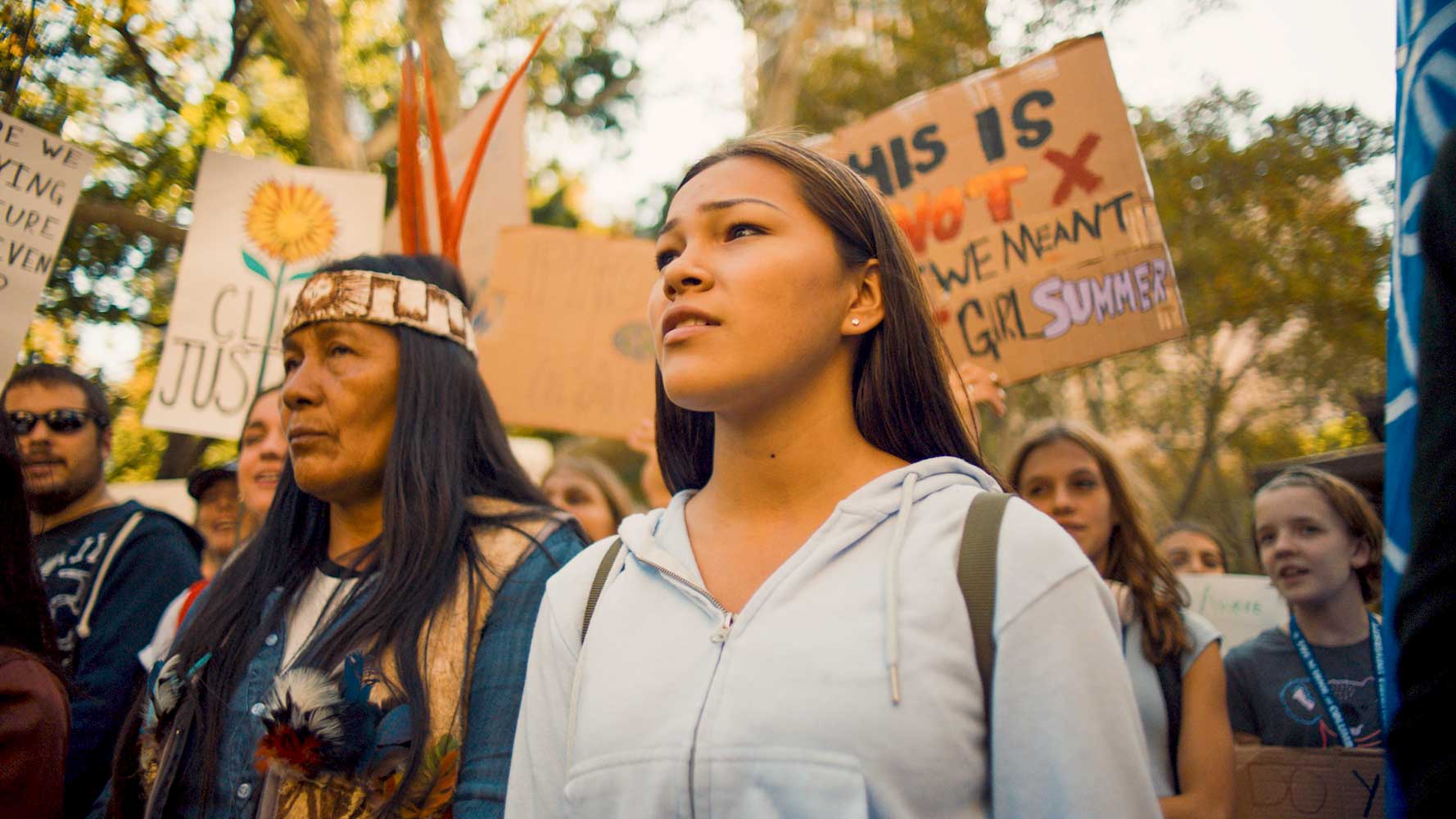
The term “water protector” gained national attention during the 2016 protests against the Dakota Access Pipeline near the Standing Rock Sioux Reservation. Indigenous leaders and supporters argued that the project threatened sacred land, treaty interests, and the Missouri River water supply. Thousands joined the demonstrations, which brought mass arrests and a heavily armed law enforcement response.
A United Nations human rights expert accused U.S. security forces of using excessive force against protesters. The ACLU also raised concerns about felony charges, high bail amounts, access to lawyers, and the treatment of people exercising their speech and assembly rights. Concern reaches beyond Standing Rock. Civil liberties groups have warned that “critical infrastructure” laws adopted in multiple states can impose harsh penalties on protests near pipelines and other facilities. Some laws create felony exposure for conduct that may include trespassing without serious property damage. e of these makes protesters immune from ordinary laws. Trespass, violence, and property destruction can still be prosecuted. The issue is whether governments are using national security language and severe penalties to protect private projects from public opposition.
How Corporate Rights Became Political Power
The phrase “corporations are people” oversimplifies the law. Corporations do not possess every right held by human beings. However, courts have extended some constitutional protections to them, including First Amendment, Fourth Amendment, and equal protection claims.
Campaign finance rulings expanded that power. In Buckley v. Valeo in 1976, the Supreme Court said restrictions on political spending could reduce expression because modern communication requires money. The Court upheld contribution limits and disclosure rules but struck down several expenditure limits. tizens United v. Federal Election Commission* went further in 2010. The Supreme Court ruled that the government could not ban independent election spending because the speaker was a corporation or union. The decision did not legalize direct corporate contributions to federal candidates, and it preserved disclosure and disclaimer rules. ll, Citizens United and later decisions helped produce an era of super PACs and dark money. The Brennan Center reported that super PACs spent about $6.4 billion in federal elections from 2010 through 2022, then reached at least $2.7 billion in the 2024 election. Dark money spending also exceeded $1 billion during that cycle. They do not literally speak. It purchases advertising, consultants, lobbyists, legal teams, and political access. A neighborhood fighting polluted water may gather in a church basement. A corporation can fund years of litigation and influence campaigns.
Both have voices, but they do not enter the public square with equal force.
What the Amendment Would Change
The We the People Amendment was introduced in the House on February 12, 2025, as H.J.Res. 54. Its first section says constitutional rights belong only to natural persons. Corporations, limited liability companies, and other artificial entities would instead receive privileges created through federal, state, or local law. The second section would require governments to regulate, limit, or prohibit political contributions and expenditures so that wealth does not confer substantially greater electoral influence. It would require disclosure of permissible spending and direct courts not to treat election spending as First Amendment speech. The proposal also states that it must not abridge freedom of the press. Resolution remains pending after referral to the House Judiciary Committee. Even congressional approval would only begin the process. A constitutional amendment requires two-thirds support in both chambers and ratification by three-fourths of the states, meaning 38 states. amendment would not clean a river overnight or replace contaminated pipes. It would instead reshape the legal power behind those fights by allowing governments greater authority over corporations and political money. For communities living beside industrial sites, that legal balance can shape whose warnings are heard, whose evidence is funded, and whose future is protected.
That leaves America with a basic democratic question. When public health collides with private profit, who should hold greater power: the people who must drink the water, or the corporation earning money from the risk?
The We the People Amendment offers a sweeping answer. Clean water is a human necessity, and defending it should never be confused with terrorism.