For millions of Americans, grocery shopping has become a financial balancing act. A trip to the supermarket that once fit comfortably inside a weekly budget now often requires difficult choices, with many families reaching for credit cards to cover everyday essentials.
A recent study highlights a growing concern: more working-age Americans are using credit cards to pay for groceries as higher food prices continue to strain household finances. After years of elevated inflation, many consumers are finding that their income is not stretching as far as it once did.
Food is one of the few expenses families cannot avoid. Rent, transportation, utilities, and medical costs can already consume a large portion of monthly income, leaving little room when grocery bills rise. As a result, some households are relying on borrowed money to keep food on the table.
The trend shows how inflation continues to influence daily life even after price increases begin to slow. While the pace of food inflation has cooled compared with previous years, grocery prices remain significantly higher than they were before the pandemic.
Grocery Bills Have Become A Growing Source Of Financial Stress
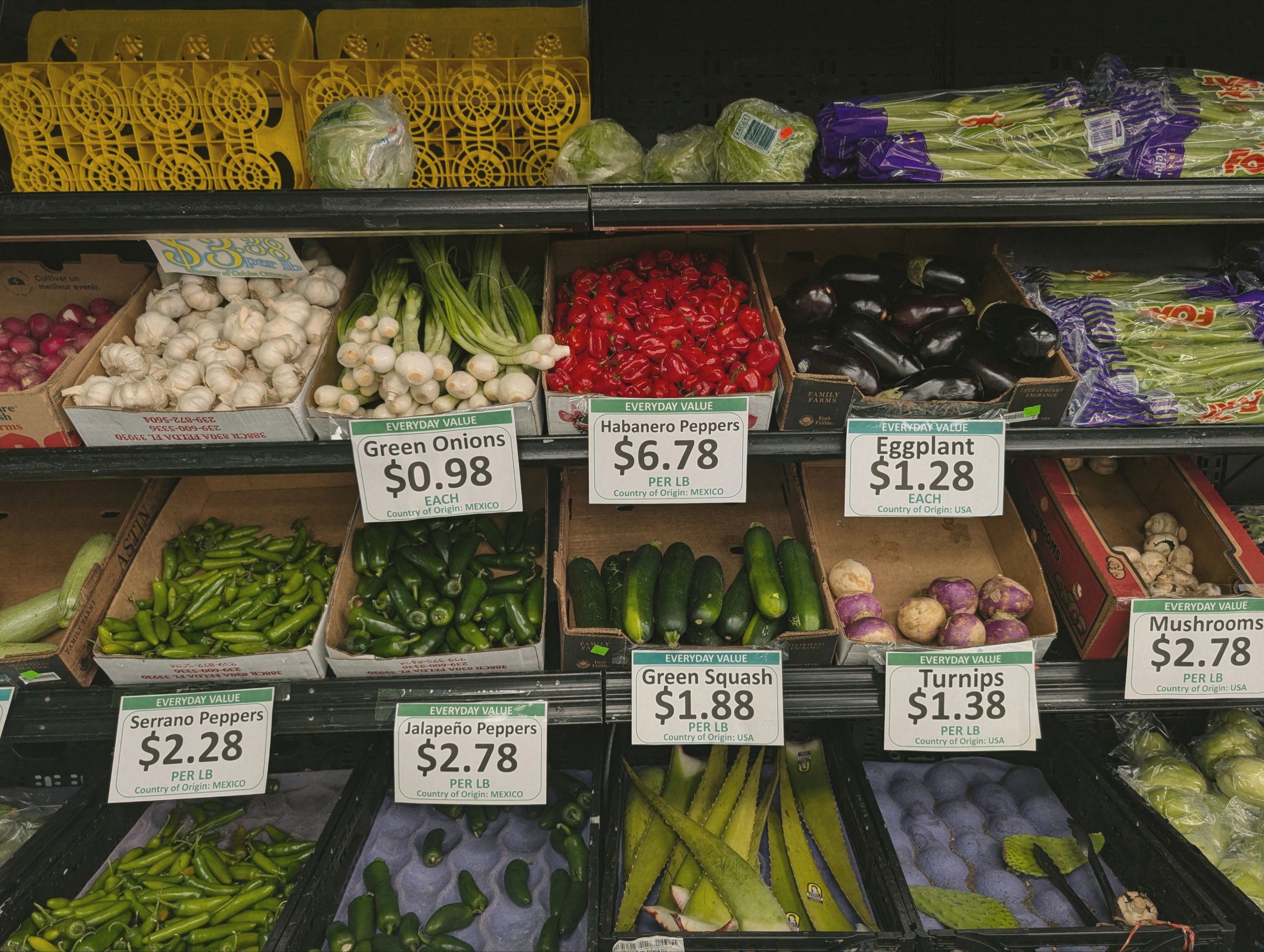
The cost of feeding a household has changed dramatically over the past several years. Common grocery items, including meat, dairy products, eggs, fruits, vegetables, and packaged foods, have all experienced noticeable price increases.
According to data from the U.S. Bureau of Labor Statistics, food prices climbed sharply after 2020, creating a new financial reality for many families. Although inflation has eased, consumers are still paying more because prices generally do not return to previous levels once they rise.
For households living paycheck to paycheck, even small increases can create serious challenges.
A family that spends hundreds of dollars each month on groceries may find that an additional $50 or $100 in expenses forces them to make difficult decisions. Some may reduce the amount of food they buy, switch to cheaper alternatives, delay other payments, or use credit cards as a temporary solution.
The problem becomes more serious when credit card balances continue to grow. Unlike cash purchases, credit card spending can carry interest charges that make everyday expenses more expensive over time.
Why Consumers Are Using Credit Cards For Basic Needs
Credit cards are often viewed as tools for emergencies, rewards, or major purchases. However, rising living costs have changed how many Americans use them.
For some households, grocery purchases have shifted from a regular budget category into a short-term borrowing method. Instead of paying off balances each month, consumers may carry debt because their income cannot fully cover essential expenses.
Financial experts often warn that using credit cards for necessities can become risky when balances are not paid in full. High interest rates can quickly increase the cost of purchases, meaning families may end up paying much more for the same groceries over time.
For example, a household that puts $500 in groceries on a credit card and carries the balance may eventually pay significantly more depending on the card’s interest rate and repayment timeline.
The situation is especially challenging for Americans who already have other forms of debt, including student loans, auto loans, mortgages, or medical bills.
Inflation Changed The Way Americans Think About Grocery Shopping
The pandemic era created major changes in consumer spending habits. Supply chain disruptions, labor shortages, transportation costs, and increased production expenses contributed to higher prices across the food industry.
Even as supply chains improved, many consumers noticed that their grocery bills remained elevated.
Many shoppers have responded by changing their habits. Some are buying fewer name-brand products, comparing prices more carefully, shopping at discount retailers, using coupons, or reducing purchases of expensive items such as premium meats and prepared foods.
However, budgeting strategies can only go so far when prices rise faster than wages.
A household may successfully cut unnecessary spending but still struggle if basic necessities continue consuming a larger share of income.
Working Americans Face The Greatest Pressure
The financial pressure is particularly strong among working-age Americans who may be supporting families, paying housing costs, and managing multiple expenses simultaneously.
Many middle-income households are experiencing what financial analysts describe as a cost-of-living squeeze. They earn too much to qualify for many assistance programs, yet still feel financially vulnerable because essential expenses consume most of their income.
Younger workers and families with children can face additional challenges. Childcare costs, housing expenses, healthcare bills, and transportation costs can leave little flexibility when grocery prices increase.
Even households with steady employment may find themselves turning to credit because their monthly budgets have little room for unexpected increases.
Credit Card Reliance Can Create A Dangerous Debt Cycle
Using credit cards for groceries may solve an immediate problem, but it can create long-term financial challenges if balances continue increasing.
Credit card debt can grow quickly because of compound interest. When consumers pay only minimum payments, a balance can remain for years, making it harder to regain financial stability.
Breaking that cycle often requires a combination of reducing expenses, increasing income, negotiating lower interest rates, or creating a repayment strategy.
How Families Are Trying To Reduce Grocery Costs
Across the country, consumers are searching for ways to manage higher food expenses. Common strategies include:
- Planning meals before shopping
- Comparing prices between grocery stores
- Buying store-brand products
- Reducing food waste
- Purchasing certain items in bulk
- Using loyalty programs and discounts
- Cooking more meals at home
Some shoppers are also turning to community resources, food assistance programs, and local organizations when household budgets become too tight.
However, many financial experts say these solutions address the symptoms rather than the larger issue of rising living costs.
The Bigger Economic Picture Behind Higher Food Costs
Food prices are influenced by many factors, including farming costs, fuel prices, weather conditions, global markets, transportation expenses, and labor costs.
When production costs increase, those expenses often move through the supply chain until they reach consumers at grocery stores.
The challenge for households is that food represents a necessary expense. Consumers cannot simply stop buying groceries when prices rise.
That makes food inflation different from many other categories of spending. Families can delay buying a new car or replacing furniture, but they must continue purchasing food every week.
What Consumers Can Watch Moving Forward
Economists continue monitoring inflation trends, wage growth, and consumer debt levels to understand where household finances are heading.
If grocery prices stabilize and wages continue improving, some families may gradually recover. However, households carrying large credit card balances could continue feeling pressure because debt accumulated during high-cost periods does not disappear quickly.
The growing reliance on credit cards for groceries serves as a reminder that inflation affects more than economic reports and government statistics. It changes everyday decisions made by families at checkout counters across America.
For many consumers, the question is no longer simply what they want to buy at the grocery store. It is how they will pay for what they need.