Arkansas will move forward on Wednesday, July 1, with a new rule that blocks SNAP benefits from being used to buy candy, soda, and several sweetened drinks, even after a federal judge struck down similar restrictions in five other states.
Gov. Sarah Huckabee Sanders announced Monday that Arkansas would proceed with the change, calling it a public health step aimed at obesity, diabetes and heart disease. The state received federal approval for a two-year waiver, allowing the restriction to begin statewide this week.
Arkansas Ban Starts Wednesday
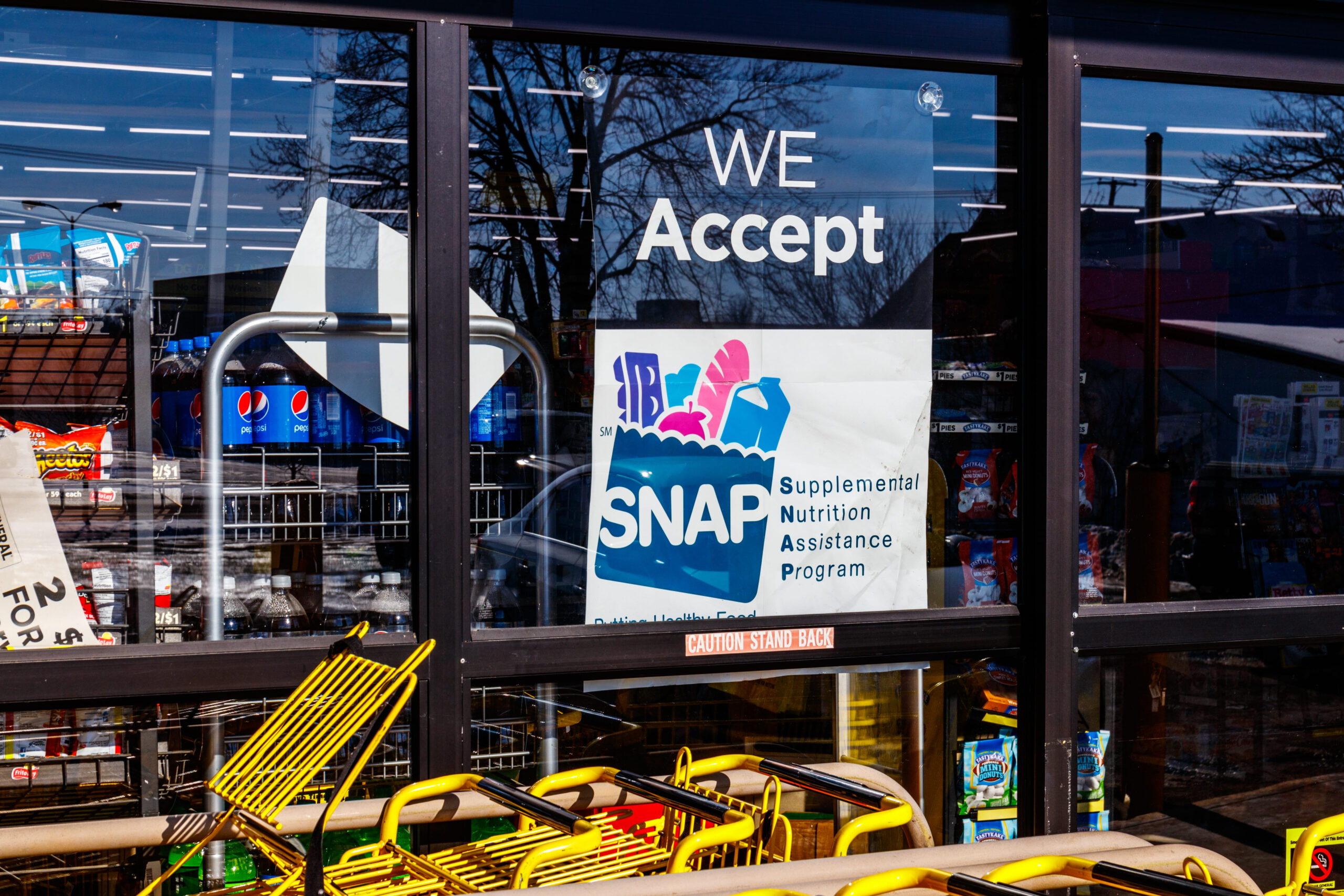
The new rule changes how Supplemental Nutrition Assistance Program benefits can be used at grocery stores, convenience stores, and other approved retailers. It does not ban the sale of candy or soda.
SNAP recipients may still buy those products with cash, debit cards, credit cards, or other non-SNAP payment methods. The restriction applies only when shoppers use an Electronic Benefit Transfer card.
The state’s new SNAP nutrition waiver starts July 1, 2026. Arkansas officials said the policy applies to SNAP purchases in stores and to online SNAP transactions tied to Arkansas benefits.
Soda, Candy, and Low-Juice Drinks Restricted
The Arkansas Department of Human Services says restricted items include regular soda, diet soda, low- and no-calorie soda, candy, and fruit or vegetable drinks with less than 50% natural juice.
The policy also covers some energy drinks, sweetened beverages, and ready-to-drink products that the state classifies as unhealthy. Baby formula, nutritional supplement drinks, and standard grocery foods remain eligible.
Retailers must update checkout systems to reject restricted products when a shopper tries to pay with SNAP. Customers who want those items must use another payment method or remove them from the purchase.
USDA Approved Two-Year Demonstration
The U.S. Department of Agriculture approved Arkansas’ request through a demonstration waiver. The federal approval allows Arkansas to exclude listed products from SNAP eligibility for two years.
The approval made Arkansas one of several states seeking to reshape SNAP purchases around nutrition goals. Federal officials under the Trump administration have supported similar state requests as part of a wider campaign to reduce diet-related disease.
Sanders said Arkansas should not subsidize products that may contribute to chronic illness while public programs spend money treating those same conditions. Her office has argued the rule aligns food assistance with health policy.
Federal Judge Blocked Similar Waivers

The Arkansas rollout comes less than two weeks after U.S. District Judge Amy Berman Jackson ruled against similar SNAP restrictions in Colorado, Iowa, Nebraska, Tennessee and West Virginia.
The June 22 decision found that USDA exceeded its authority by approving state projects that removed certain foods and drinks from SNAP eligibility. The judge said Congress had defined eligible food under SNAP and that the agency could not narrow that definition through the waiver process.
The ruling blocked similar waiver approvals in those five states. It did not directly stop Arkansas’ program, which is why state officials are moving ahead.
Legal experts have said Arkansas could still face a challenge because its waiver relies on the same federal framework. State officials have not announced any plan to pause implementation.
Retailers Prepare for Checkout Changes
The rule places grocery stores and cashiers on the front line of enforcement. Retailers must rely on product databases, barcode systems, and staff training to determine which items qualify.
Arkansas has provided product lists and guidance for retailers before the launch. State officials have also promoted tools that allow SNAP recipients to check whether a product is restricted before reaching checkout.
The retailer guidance lists products affected by the new rule, including soda, low-calorie soda, low-juice drinks, other unhealthy drinks, and candy.
A 90-day grace period gives retailers time to reach full compliance. Stores are still expected to begin applying the new rules when the program starts.
Health Debate Remains Divided
Supporters say the policy gives taxpayers a clearer role in promoting healthier food choices. They argue SNAP should help families buy food that improves nutrition, not products linked to chronic disease.
Opponents say the restriction may stigmatize low-income shoppers and create confusion at checkout. They also say the policy may not reduce sugar consumption because households can still buy restricted items with other money.
Nutrition researchers have long debated whether SNAP restrictions improve diet quality. Some studies suggest limiting sugary drinks could reduce obesity and diabetes over time. Other research warns that purchase bans alone may have limited results if families use separate funds for the same products.
SNAP Serves Millions Nationwide
SNAP remains the country’s largest food assistance program. It provides monthly benefits to low-income households to help buy groceries.
The program served millions of Americans each month in recent years, including children, older adults, workers with low wages, and people with disabilities. Current federal rules already bar SNAP purchases of alcohol, tobacco, hot prepared foods, and nonfood items.
Arkansas’ policy goes further by excluding grocery products that are otherwise sold as food. That distinction is central to the legal dispute now surrounding the state’s rollout.
Arkansas’ SNAP candy and soda restriction is scheduled to take effect Wednesday, July 1, 2026. State officials say recipients should check items before shopping and prepare to use another payment method for restricted products.
The federal court ruling against similar waivers remains unresolved as a broader legal issue. For now, Arkansas is proceeding, retailers are adjusting checkout systems, and SNAP recipients will face the first statewide test of the new rule this week.