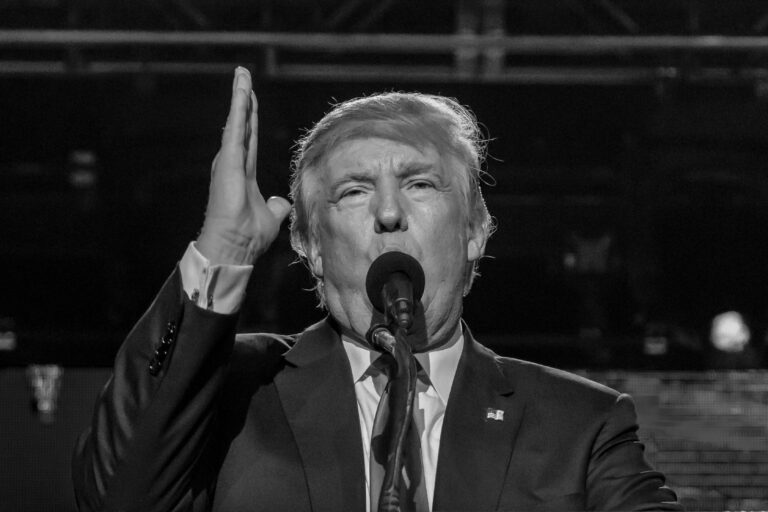
The collision between Donald Trump and Zohran Mamdani began with one blunt sentence. Asked in July 2025 what would happen if New York City’s likely next mayor interfered with federal immigration operations, Trump replied, “Well then, we’ll have to arrest him.” With those words, a local campaign promise became a national argument about presidential power, sanctuary policies and the limits of political resistance.
The dispute was never as simple as one side enforcing the law and the other erasing it. Trump was defending the federal government’s authority to carry out immigration law. Mamdani was promising to use City Hall’s power to resist what he described as abusive ICE tactics. The real question was where lawful noncooperation ends and criminal obstruction begins.
The Moment the Rhetoric Exploded

White House, Public domain, via Wikimedia Commons
Trump made the comment on July 1, 2025, after a reporter asked about Mamdani’s pledge to “stop masked ICE agents from deporting our neighbors.” Trump said Mamdani would face arrest if he prevented federal officers from doing their jobs. He also questioned Mamdani’s immigration status, although Mamdani had become a naturalized American citizen in 2018.
Mamdani answered quickly and forcefully. He said the president had threatened to have him arrested, stripped of citizenship, detained and deported because he would not allow ICE to “terrorize” New York. He called the remarks an attack on democracy and an attempt to intimidate residents who opposed the administration’s immigration crackdown.
Supporters of Trump saw the exchange as a necessary warning. A mayor cannot order federal agents out of the country, cancel federal statutes or physically prevent lawful arrests. Presidents are responsible for executing federal law, and ICE does not need a mayor’s political approval to operate under federal authority.
Yet calling Trump’s remark merely a “statement of principle” understates what happened. It was plainly an arrest warning aimed at a political opponent. Whether such an arrest could lawfully occur would depend on evidence that Mamdani committed an actual offense, not simply criticized ICE, defended sanctuary laws or refused to volunteer city resources.
What City Hall Can Actually Control
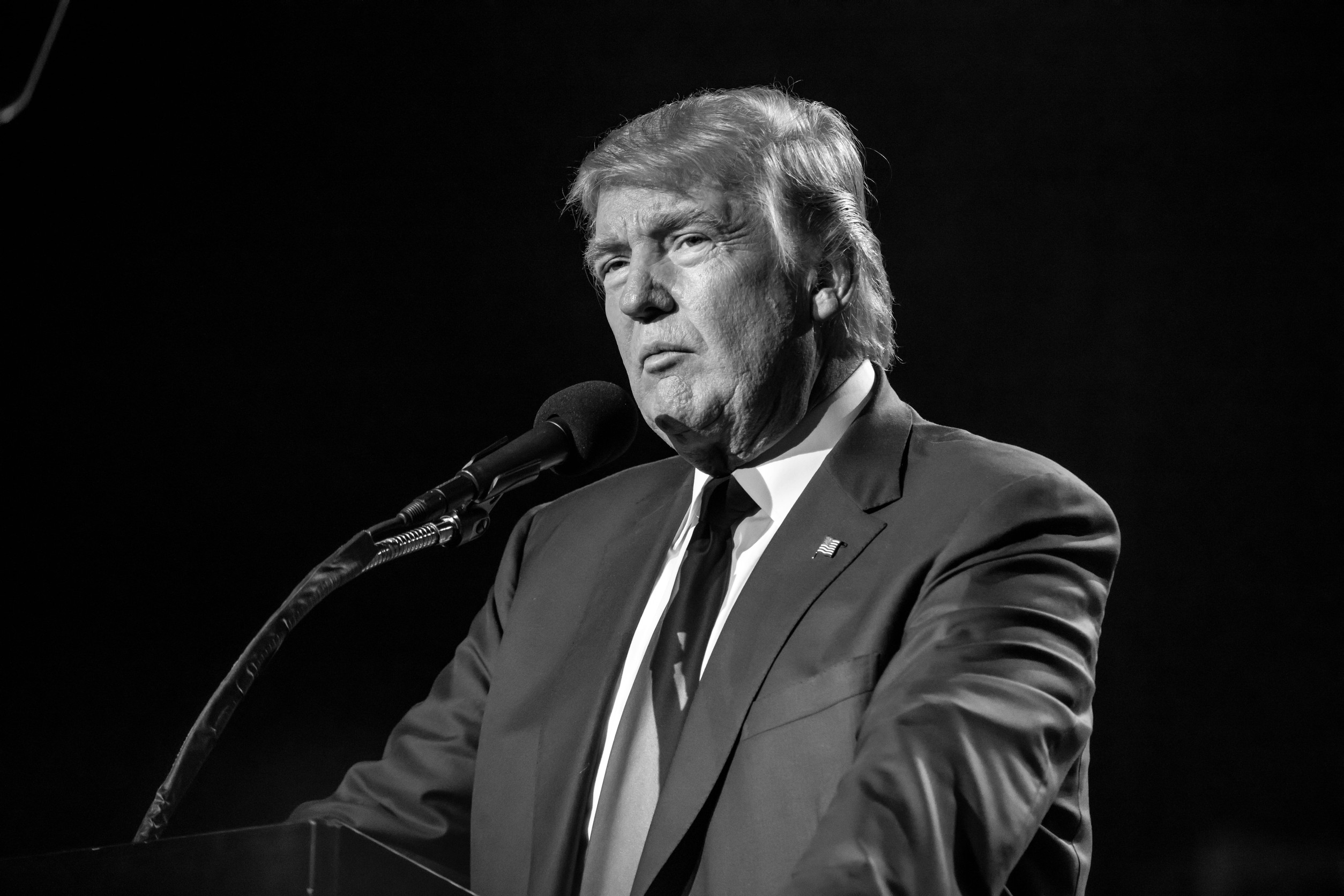
New York City’s sanctuary rules do not abolish immigration enforcement. The city’s own guidance says the laws place boundaries on how municipal property, employees, information and resources may assist federal immigration authorities. It also states that the policies do not mean deportations cannot occur in New York City.
That distinction matters. Federal officers may enforce federal immigration law, but Washington generally cannot force states or cities to administer a federal program using their own personnel. The Supreme Court’s anti-commandeering doctrine prevents Congress from simply converting state and local governments into administrative branches of the federal government.
New York can therefore restrict when local agencies share information, honor civil immigration detainers or provide access to city-controlled facilities, subject to federal law and court orders. Declining to provide local help is not necessarily the same thing as actively preventing federal agents from performing their duties.
A mayor has meaningful power, but not unlimited power. Mamdani can direct city agencies, shape NYPD policy and defend residents’ constitutional rights. He cannot lawfully command city employees to assault federal officers, destroy evidence, conceal records covered by lawful process or physically interfere with valid enforcement actions.
The same limits apply to the White House. Trump can set immigration priorities and direct federal agencies, but an arrest still requires a legitimate legal basis. Constitutional protections continue to apply during immigration operations, including requirements surrounding reasonable suspicion, probable cause and excessive force.
The Campaign Clash Became Government Policy
The confrontation did not end with campaign speeches. Mamdani won the mayoral election and took office. In February 2026, he signed an executive order reaffirming New York’s sanctuary protections, limiting information sharing, restricting federal access to city property without a judicial warrant and ordering city agencies to review their immigration-enforcement policies.
That action showed what his campaign promise became in practice. It did not switch off ICE authority across the five boroughs. Instead, it sought to prevent municipal government from becoming an automatic extension of federal immigration enforcement.
The story also took an unexpected turn. After months of hostile rhetoric, Trump and Mamdani met at the White House and later held a second meeting in February 2026. Their discussions included housing, affordability and ICE detentions. Public confrontation gave way, at least temporarily, to direct negotiation.
The larger fight remains unresolved because both men represent competing ideas of government. Trump argues that immigration law loses meaning when local leaders make enforcement harder. Mamdani argues that local government must protect residents from federal tactics he considers unlawful or abusive.
The Constitution leaves room for both federal enforcement and local independence, but it leaves no room for fantasy. A mayor cannot erase federal law. A president cannot turn political defiance into a crime by declaration. The line in the sand is real, but courts, statutes and evidence determine where it lies, not campaign applause or social-media fury.