A Policy Shift Driven by the World Cup Night Economy
The introduction of New York’s all-night alcohol legislation marks one of the most significant temporary changes to nightlife regulation in recent state history. The law allows bars and restaurants across New York State to serve alcohol until 4 a.m. during the 2026 FIFA World Cup. The policy begins on June 11, 2026, and runs until July 20, 2026, aligning directly with the tournament schedule.
Governor Kathy Hochul signed the measure to support tourism, hospitality revenue, and international fan engagement. Officials argue that the World Cup represents a once-in-a-generation economic opportunity. Yet the scale of the change raises deeper questions about how temporary economic incentives reshape long-standing public rules.
The New York alcohol all-night legislation does not simply adjust closing hours. It temporarily overrides county-level alcohol restrictions, shifting regulatory authority toward a unified statewide standard. That shift signals more than convenience. It signals a recalibration of how nightlife is governed when global events enter local systems.
Global Sports Pressure and the Expansion of Nighttime Commerce
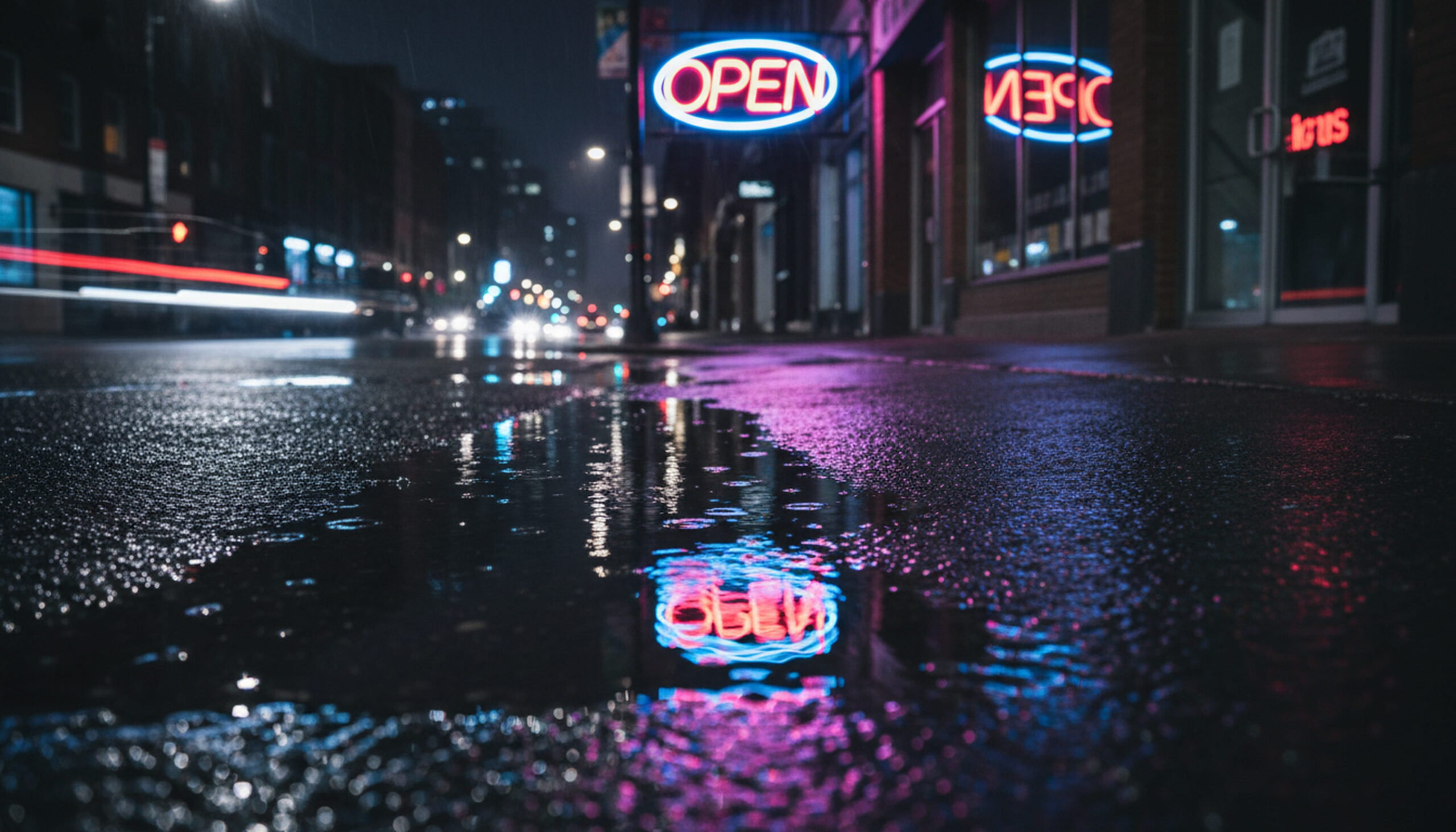
The timing of the New York alcohol all-night legislation reflects the global nature of modern sports broadcasting. Many matches during the FIFA World Cup 2026 will air late in the United States due to international time zones. That reality transforms bars and restaurants into late-night viewing hubs rather than traditional closing venues.
Metropolitan regions such as the New York-New Jersey corridor expect more than 1.2 million visitors during the tournament window. With matches hosted near MetLife Stadium, hospitality zones across the region anticipate sustained nighttime demand. The New York all-night alcohol legislation attempts to align legal operating hours with the demand curve.
Historically, major sporting events have influenced local alcohol policies in host cities. Olympic Games, FIFA tournaments, and Super Bowl weekends have often triggered temporary extensions. However, New York’s decision stands out because it applies statewide rather than to isolated districts. That scale introduces both opportunity and systemic pressure.
Economic Opportunity or Structural Risk for Hospitality Businesses
The New York alcohol all-night legislation is widely framed as an economic catalyst. Hospitality operators expect increased revenue from extended service hours, especially in high-traffic entertainment districts. Bars, restaurants, and clubs anticipate longer customer engagement cycles tied to match schedules and post-game gatherings.
However, the economic benefits are not evenly distributed. Large venues in urban centers are positioned to capture most of the tourism-driven demand. Smaller neighborhood establishments may struggle with staffing costs, security requirements, and extended operational overhead. The gap between high-volume and low-volume businesses may widen during the policy window.
Labor conditions also shift under extended hours. Hospitality workers may face longer shifts and irregular schedules during peak match nights. Industry analysts often note that extended nightlife economies tend to increase reliance on temporary labor pools. This creates short-term income gains but raises concerns about fatigue, retention, and workforce stability.
The Strain on Public Safety and Nighttime Infrastructure
The New York alcohol all-night legislation introduces a broader discussion about public safety capacity. Extended alcohol service hours typically correlate with increased late-night emergency incidents. This includes higher demand for emergency medical services, transportation systems, and law enforcement resources.
As nightlife extends toward 4 a.m., the concentration of alcohol related activity shifts deeper into the night cycle. That shift compresses recovery time for public systems before morning operations begin. Cities that have experimented with extended nightlife hours in other global contexts often report increased pressure on transit hubs and emergency response coordination.
Transportation infrastructure becomes a key pressure point. Late-night crowds leaving entertainment districts require additional capacity on the subway, taxis, and rideshares. In regions near major venues such as MetLife Stadium, synchronized crowd dispersal becomes a logistical challenge. The New York alcohol all-night legislation, therefore, interacts directly with mobility planning and urban safety design.
Local Control Versus Statewide Override in Alcohol Regulation
One of the most debated aspects of the New York alcohol all-night legislation is the temporary suspension of county-level authority. Under normal conditions, alcohol closing times vary across jurisdictions. Some counties enforce stricter limits than others, reflecting local policy preferences and community standards.
During the World Cup window, those local restrictions are temporarily overridden. Licensed establishments must comply with the statewide extension unless restricted by pre-existing licensing conditions from the State Liquor Authority. This centralization of control raises governance questions about the balance between local autonomy and state-level economic planning.
Policy analysts often highlight that emergency or event-driven regulatory overrides can set precedents. Even when temporary, they shift expectations about what levels of government control nightlife regulation. The New York alcohol all-night legislation, therefore, operates not only as an economic tool but also as a governance experiment.
Cultural Transformation of Nightlife During a Global Tournament
The World Cup introduces a cultural dimension that extends beyond economics and policy. The FIFA World Cup 2026 is expected to generate global fan gatherings, transforming local bars into international viewing spaces. These environments often blur the line between local community venues and global cultural arenas.
In past tournaments, cities hosting major sporting events have experienced temporary identity shifts. Neighborhood bars become informal fan zones. Local streets become extensions of stadium energy. The New York all-night alcohol legislation amplifies that effect by extending the window for cultural activity.
However, cultural intensity carries operational consequences. Extended hours increase crowd density over longer periods rather than compressing it into traditional closing cycles. This can change the rhythm of nightlife districts, especially in areas already experiencing high levels of tourism. The result is a nightlife environment that feels less structured and more continuous.
Sleep Economy Disruption and Community Impact
The extension of alcohol service until 4 a.m. also introduces what urban researchers often call sleep-economy disruption. Workers in hospitality, transport, and cleaning services operate on shifted schedules during peak nightlife events. Residents near entertainment zones experience altered sleep patterns due to extended hours of activity.
The New York alcohol all-night legislation intensifies this cycle for a defined period. Late-night operations extend into early morning hours, compressing rest periods for both workers and nearby communities. Cities with similar temporary nightlife expansions during global events often report increased noise complaints and residential tension.
There is also a broader question of sustainability. Temporary economic surges can create short-term benefits while placing long-term strain on human systems. The balance between economic opportunity and community well-being is central to evaluating the policy’s impact.
Post-Tournament Economic Adjustment and Policy Legacy
When the New York alcohol all-night legislation expires on July 20, 2026, the immediate expectation is a return to standard operating hours. However, historical patterns suggest that temporary expansions often leave behind structural expectations. Businesses adjust staffing models, revenue projections, and operational strategies in response to extended hours.
This creates potential pressure on policymakers after the event concludes. Hospitality sectors may argue for partial retention of extended hours based on demonstrated economic gains. At the same time, community groups may push for a return to pre-tournament norms. The result is a policy tension that extends beyond the World Cup itself.
The experiences of host cities in previous global sporting events show that temporary changes often become reference points for future debates on regulation. Even when reversed, they reshape what stakeholders consider possible within nightlife governance.
Final Thought
The New York alcohol all-night legislation reflects more than a response to global sport. It represents a test of how far a modern city can stretch its economic systems, regulatory boundaries, and social rhythms in pursuit of short-term global opportunity. The World Cup will end, but the questions it raises about nightlife, governance, and community balance may continue long after the final match is played.