Walmart says its new digital shelf labels are meant to make shopping faster, cleaner, and more accurate. But for many Americans already crushed by grocery bills, rent, insurance, gas, and credit card debt, another screen in the store does not feel like progress.
It feels like one more reason to watch the receipt. The company says the digital tags are not being used for surge pricing, and that matters. Still, shoppers are right to ask hard questions. When prices can change faster, trust becomes more fragile.
Shoppers Already Feel Like Every Grocery Trip Costs More
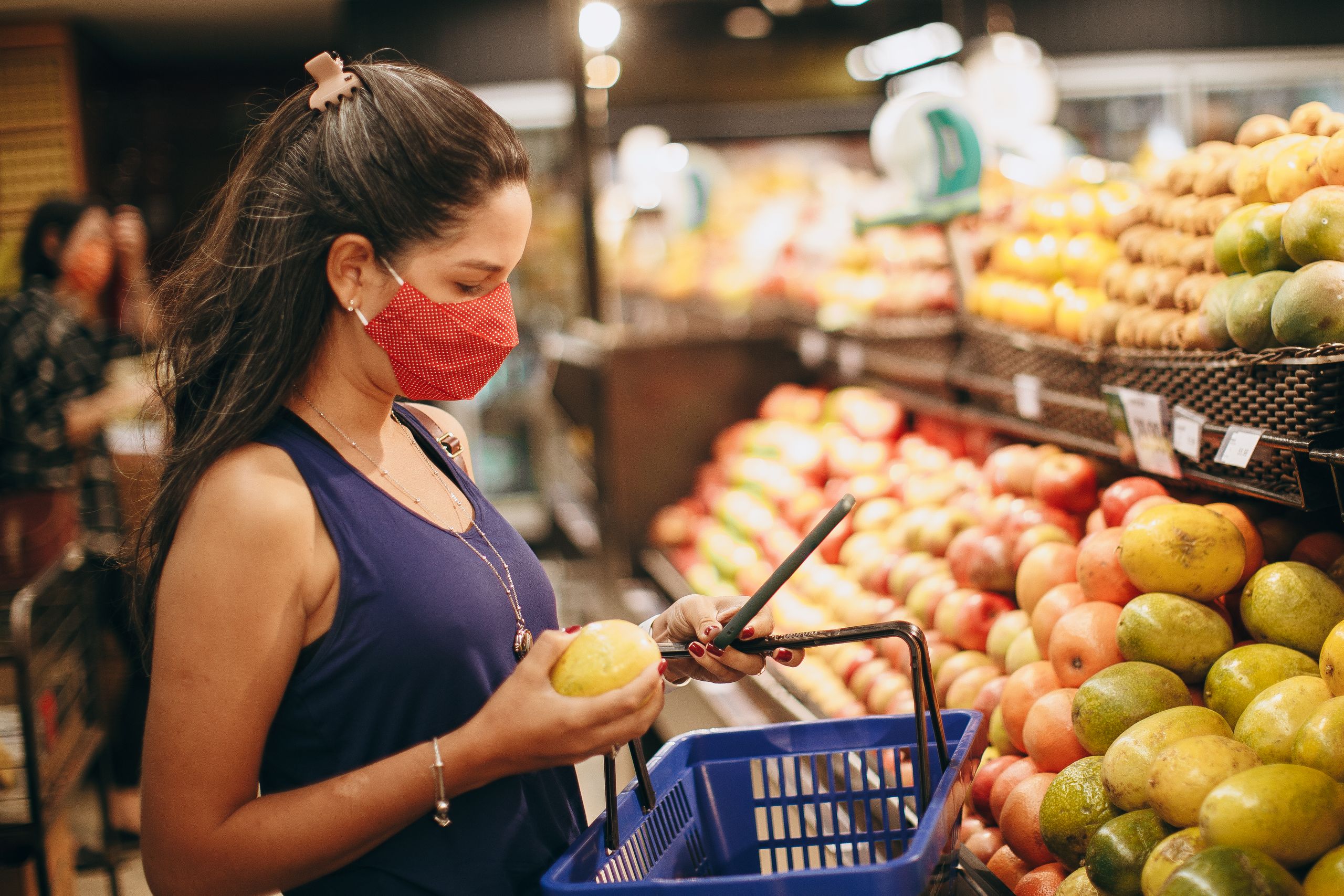
For millions of Americans, Walmart is not a casual stop. It is where families stretch paychecks, compare cereal sizes, hunt for rollbacks, and decide what gets left out of the cart.
That is why digital price tags hit a nerve. People are already tired of watching eggs, meat, snacks, paper towels, detergent, and frozen meals climb higher than expected. A small screen on the shelf may look modern, but to a stressed shopper, it can feel like another warning sign.
Paper Tags Felt Permanent, Even When They Were Not
Paper price tags were never perfect, but they felt stable. A printed tag looked like a promise. It sat there, plain and visible, until someone physically changed it.
Digital labels feel different. They remind shoppers that the price is now part of a system, not just a printed sign. Even if Walmart says prices are not changing by the hour, the technology makes customers wonder how quickly they could change if the company wanted them to.
The Fear Of Surge Pricing Is Hard To Shake
Americans already know what surge pricing feels like. They see it in ride share apps, airline tickets, hotel rooms, food delivery fees, concert tickets, and holiday travel.
That is why shoppers get nervous when grocery shelves start using screens. People do not want to walk into Walmart wondering whether laundry detergent costs more at 6 p.m. than it did at 10 a.m. They want to know the shelf price is steady, not moving around like an airport fare.
Families Do Not Want Grocery Shopping To Feel Like Gambling

Most shoppers enter Walmart with a budget. They may have $80, $120, or $200 to cover food and household basics for the week.
Digital price tags create a psychological problem. Even if the price stays the same all day, shoppers may start feeling like they need to double check everything. That turns an ordinary grocery run into a guessing game, and Americans are already exhausted by money stress.
Check out Mismatches Could Still Happen
Walmart says digital labels can reduce pricing errors. That may be true, but shoppers know technology does not eliminate every mistake.
A product can still sit in the wrong spot. A rollback can still confuse people. A similar size or flavor can still be placed under the wrong tag. The shelf may be digital, but the frustration at checkout is still very human when the total jumps higher than expected.
The Receipt Becomes Even More Important
Shoppers should not have to audit their groceries like a tax return, but that is what many families already do. They scan the receipt in the parking lot, checking whether the sale price actually applied.
Digital tags may make that habit even stronger. If a shopper sees one price on the shelf and another at the register, the screen will not matter. What matters is whether Walmart fixes the problem quickly and fairly.
Workers May Lose One More Human Task
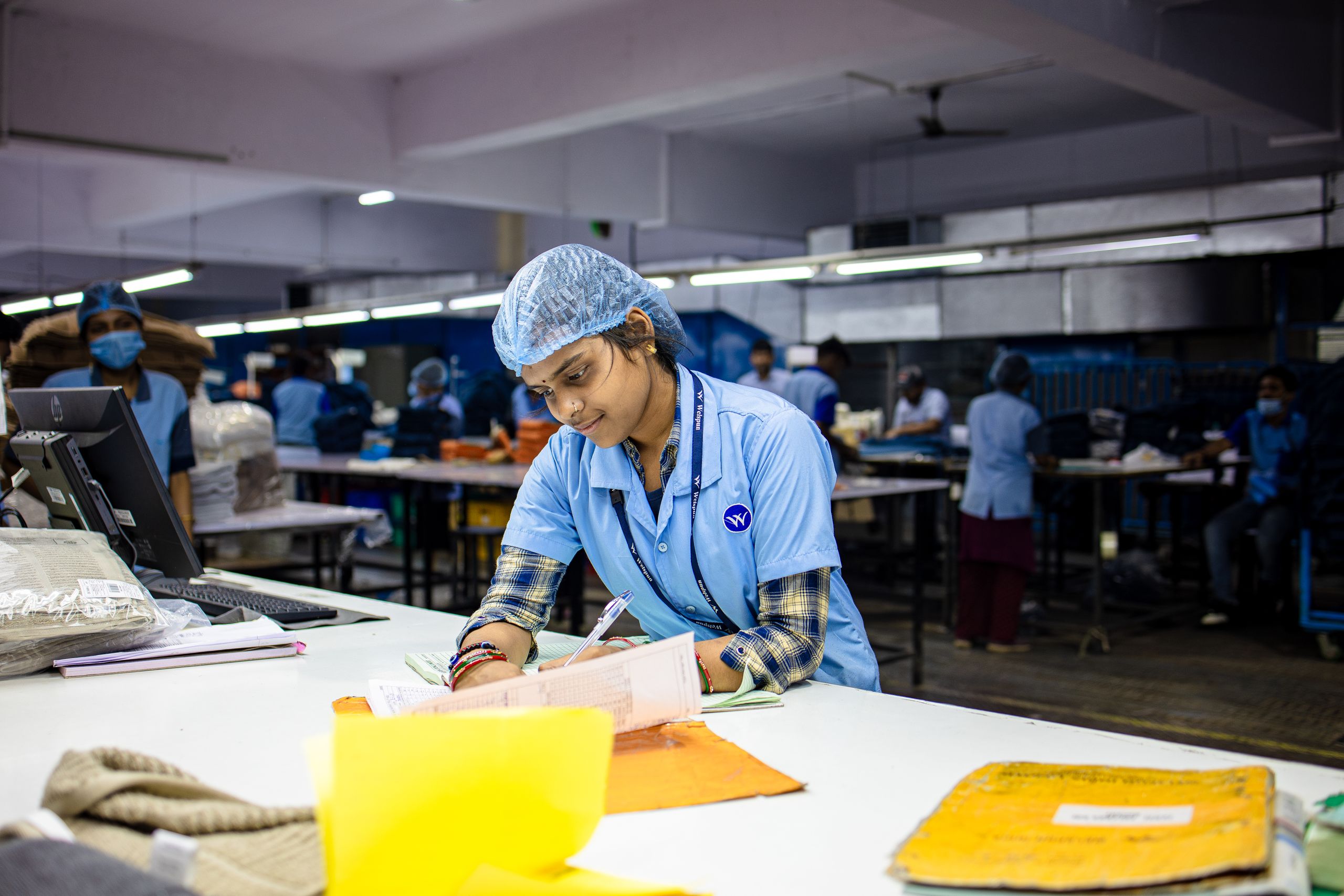
Walmart says digital labels can free employees from changing paper tags and let them focus on customers, stocking, and online orders. That sounds good on paper.
But workers and shoppers know how retail efficiency can turn cold. When stores automate tasks, people worry that hours may be cut later. A faster system may help employees today, but many Americans have seen technology used as a quiet excuse to do more with fewer people.
The Store Could Feel Less Personal
Walmart is already filled with self checkout machines, locked cases, security gates, handheld scanners, pickup towers, cameras, apps, and digital systems. For many shoppers, the store already feels less personal than it used to.
Digital shelf labels add to that feeling. They make the aisle look smarter, but not warmer. For customers who miss the old days of clear signs, open shelves, and enough workers nearby to answer questions, this change may feel like another step away from human service.