A quiet trail west of Backus became the center of a frightening Minnesota survival story when a missing 68-year-old woman was found alive after spending days trapped in thick mud. For families across Cass County, Hubbard County, and the wider Northwoods region, the case is a reminder that one wrong turn, one stuck vehicle, or one lonely backroad can turn ordinary travel into a dangerous emergency.
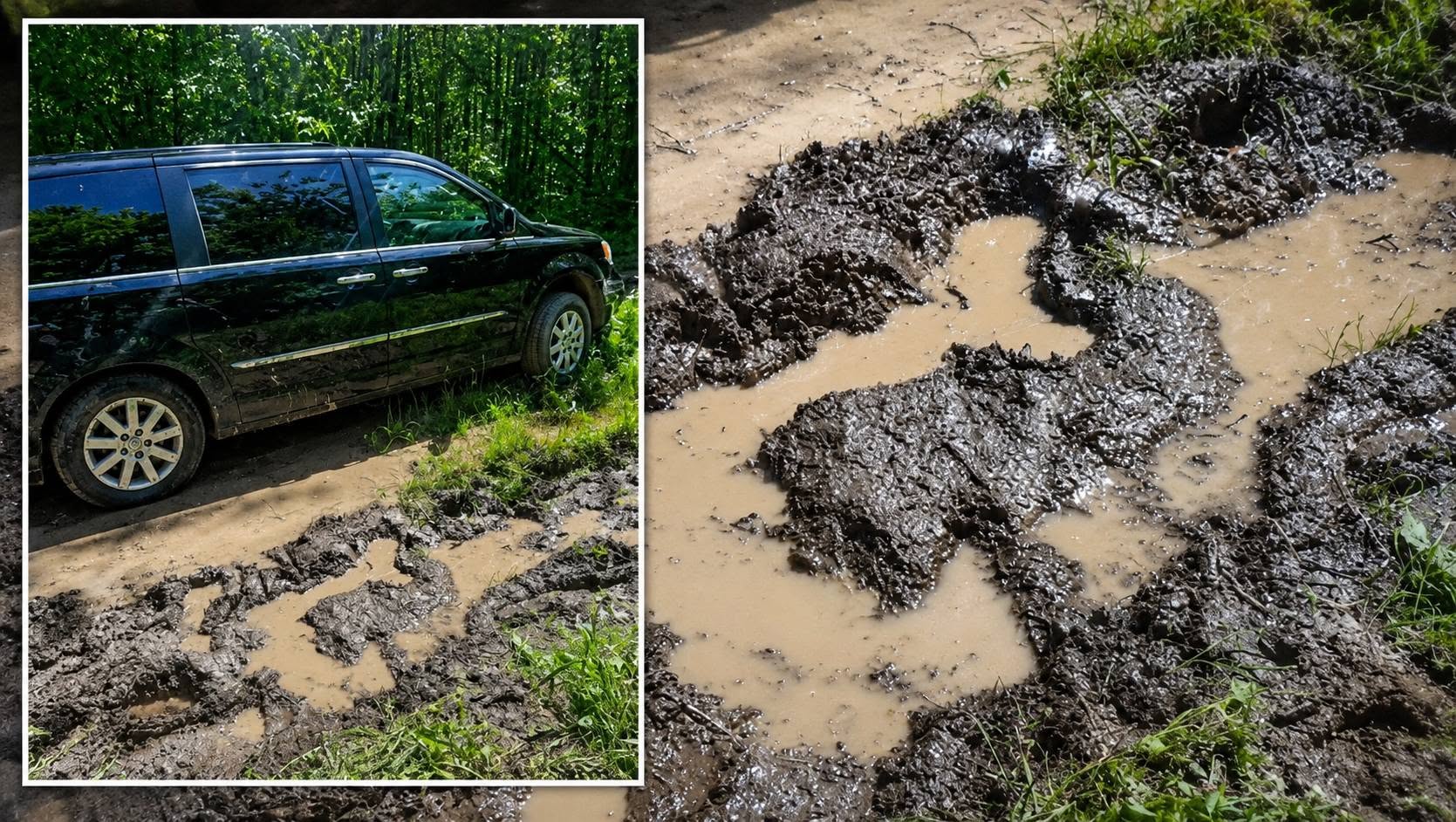
Kathryn Woessner, of Alexandria, had been missing since June 3 before she was located alive on June 6 in a remote wooded area near Backus. Officials had expressed concern because she was reportedly without personal belongings and had medical conditions that made her disappearance more urgent. The search ended only after two UTV riders came across her near a stuck van in mud so heavy it was compared to quicksand.
A Missing Woman Search Took a Terrifying Turn
The case began with a missing-person alert after Woessner was last seen in southern Hubbard County, near Akeley. The concern was immediate because she was not believed to have her personal items, and officials noted health issues that made her safety a priority.
For many Minnesota families, that detail alone is enough to create dread. Rural roads can stretch for miles with little traffic, weak cell service, and long gaps between homes. A person in need may not be heard, even if they are not far from a trail or road.
Public notices said she had been driving a black Chrysler vehicle before she vanished. The alert remained active until officials confirmed she had been found alive west of Backus, ending days of fear for those following the search through public missing person updates.
Found Near a Stuck Van
The discovery did not occur in a crowded parking lot, on a highway shoulder, or on a neighborhood street. It happened on a muddy trail, where two men riding UTVs reportedly spotted a van and realized someone was trapped nearby.
That is the part of the story that feels almost impossible. In a wooded region where trails branch, bend, and disappear into thick cover, a vehicle can be hidden from everyday view. A person can be close enough to be rescued but still far enough from normal traffic to remain unseen.
The riders, identified in reports as Adam Sandbeck and Mike Gravalin, found Woessner stuck in a mud puddle after taking a trail they did not normally use. That small change in route became the difference between a missing-person search and a rescue.
The Mud Became a Trap
Woessner reportedly told her rescuers that her vehicle became stuck and that she slipped while trying to move around it. Once she fell into the mud, she could not get herself out.
That detail matters because thick mud can work against the body in brutal ways. The deeper a person sinks, the harder it becomes to move. Pulling one leg or arm free can lower the rest of the body. Panic and exhaustion can make the situation worse.
Reports said she had been stuck for days and was badly sunburned when she was found. The danger was not just the mud. It was sun exposure, dehydration, possible medical distress, isolation, and the helplessness of waiting in a place where few people might pass.
Backus Area Trails Can Turn Dangerous Fast
The Backus region sits in the kind of Minnesota landscape many residents love: wooded roads, recreation routes, lakes, and quiet stretches where people ride, drive, fish, hunt, and explore. That same landscape can become risky when a vehicle gets stuck away from main roads.
Locals understand that rural travel has its own rules. Mud season, heavy rain, soft shoulders, and unmarked trails can change conditions quickly. A road that looks passable from the driver’s seat may become a trap once tires sink.
The rescue also shows why people in rural Minnesota often take missing-person alerts seriously. In a metro area, there may be cameras, businesses, and steady traffic. In the woods, there may be silence. A search can become much harder because there are fewer eyes on the ground.
A Rescue That Came Down to Timing
The two riders did not simply stumble into a routine roadside problem. They entered a scene where time mattered. Once they realized Woessner was alive, they called for help and stayed involved until emergency crews could respond.
Emergency response in remote terrain is rarely simple. Crews may need directions along trails, help locating the exact spot, and equipment capable of reaching mud or uneven ground. Minutes can feel long when someone has already been exposed for days.
Recent reports said paramedics responded after the riders called 911, and Woessner was taken for medical care. Her rescue quickly became one of the most talked-about Minnesota survival stories because it depended on alert strangers noticing what others might have missed on the remote, wooded trail.
Why This Case Hits Home in Minnesota
This story is unsettling because it does not require a dramatic villain or a rare disaster to feel frightening. It begins with something ordinary: a person driving, a vehicle getting stuck, a fall into mud, and no easy way to call for help.
That is why it lands so strongly with families in Minnesota’s rural counties. Many households have aging parents who still drive alone. Many residents use backroads to reach cabins, fishing spots, trails, and small towns. Many travelers assume they can get help quickly, until they cannot.
The case also speaks to adult children who worry about parents with medical conditions. A missing person with health concerns can create instant fear, especially when the person may be confused, injured, or unable to explain where they are.
What Residents Can Learn From the Ordeal
The lesson is not that people should stop traveling rural roads. The lesson is that the smallest safety habits can matter more in isolated places.
Drivers heading into wooded or low-traffic areas should let someone know where they are going. A charged phone, water, basic supplies, and location sharing can make a major difference. People with medical concerns may need an extra safety plan before traveling alone.
For trail riders and local drivers, the rescue offers another reminder. A stuck vehicle in an unusual place should not always be dismissed as abandoned. Looking closer, listening for a voice, and reporting concerns can save a life.
Officials Still Have Questions
Authorities confirmed Woessner was located alive, but some details remain unclear. Officials have not publicly explained the full chain of events that led her from the missing-person alert to the muddy trail near Backus.
That uncertainty is important. Responsible reporting should not fill the gaps with guesses. What is known is that she was missing for days, found alive, and rescued after two riders discovered her near a stuck vehicle.
The case remains a reminder that public alerts, local awareness, and ordinary people paying attention can change the outcome of a search. In this case, official records show Woessner was found alive after Cass County authorities notified Douglas County officials of the endangered missing person recovery.
A Minnesota Survival Story With a Sharp Warning
Woessner’s rescue has the emotional force of a miracle, but it also carries a practical warning. The Northwoods can be beautiful and unforgiving at the same time. A peaceful trail can become a danger zone if mud, heat, isolation, and injury collide.
For Backus, Akeley, Alexandria, and the surrounding communities, the story is not just about one woman surviving. It is about how quickly someone can disappear from view in rural Minnesota, even when help may be only a few miles away.
The people who found Woessner have been credited with acting at the right moment, in the right place, on a trail they did not usually take. That detail is hard to ignore. Sometimes survival comes from strength. Sometimes it comes from timing. And sometimes it comes from a stranger who slows down, looks twice, and realizes a stuck van is not the whole story.
For Minnesota residents who travel rural roads, care for older relatives, or spend weekends on trails, this rescue leaves one clear takeaway. In quiet places, danger can stay hidden. So can the person waiting to be found, hoping the next passerby does not keep driving past her terrifying mud ordeal.