California’s factory closures are not just a California story anymore. They are becoming a warning sign for every American family that depends on steady jobs, affordable groceries, local businesses, and communities built around real work.
Across the state, food plants, warehouses, processors, and long-running manufacturing sites are closing, relocating, or shrinking. Some of these facilities operated for decades. Others supported farming towns, truck drivers, warehouse crews, mechanics, restaurants, and families who counted on reliable paychecks.
What makes this trend so troubling is not just the number of closures. It is the feeling behind them. Americans are watching good jobs disappear while prices stay high, machines replace workers, and companies quietly move production to places where labor, land, power, and regulation cost less.
Longtime factory jobs are vanishing with little warning.
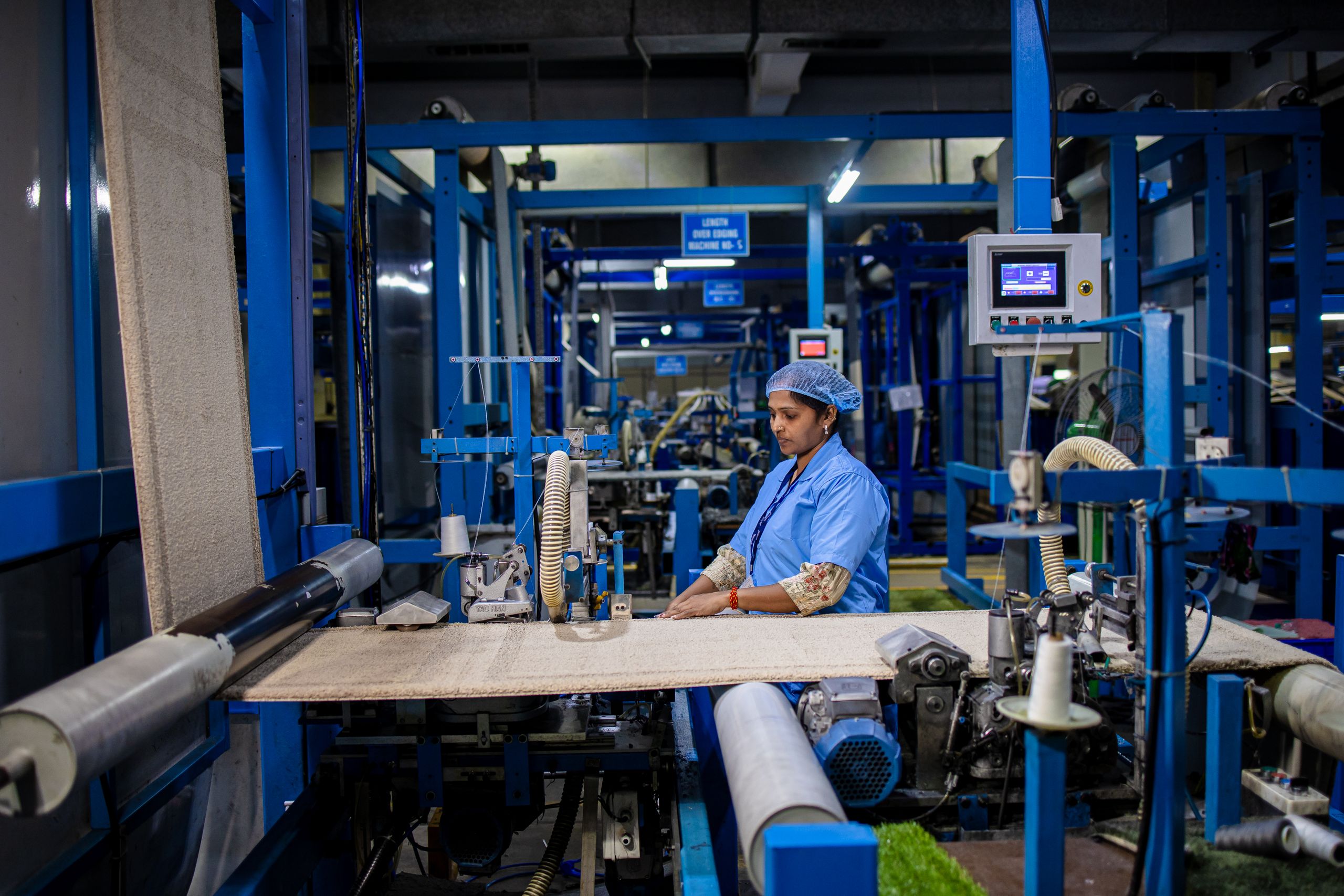
For many workers, a factory job is not just a paycheck. It is a routine, a retirement plan, a mortgage payment, a family anchor, and a reason to stay in a community.
That is why closures like Blue Diamond’s Sacramento plant hit so hard. A facility tied to more than a century of local history is winding down, and hundreds of workers are being affected. For the company, it may be called consolidation. For families, it means fear, uncertainty, and the painful question of what comes next.
Americans can relate to this because it has happened in town after town. One day, a plant is part of the local landscape. The next day, people are cleaning out lockers and wondering how to replace wages that took years to build.
Food companies are cutting workers, while Americans still pay more for food.
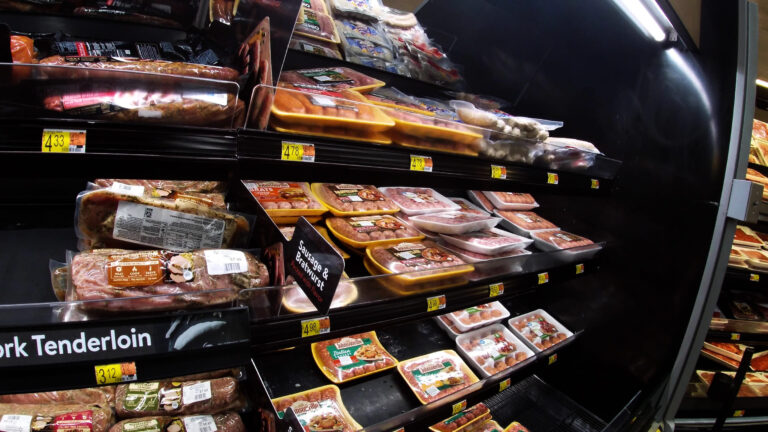
The cruel part is that these closures are happening while grocery bills remain a major source of stress for families. Americans are still paying high prices for snacks, meat, frozen meals, produce, and pantry staples, yet the workers behind those products are losing jobs.
That creates a bitter reality. Consumers do not always get cheaper food when plants close. Workers do not get protected when companies restructure. Communities do not get rescued when production moves away.
The public is left watching both sides of the squeeze. We pay more at checkout, while people who make and move food are told their jobs are no longer affordable.
California’s high operating costs are pushing companies to rethink everything.
California remains one of the most expensive places in America to run a business. Electricity, land, labor, insurance, maintenance, environmental compliance, and taxes all shape the decision to keep a plant open or shut it down.
Food manufacturing is especially vulnerable because it depends on constant power, cold storage, sanitation systems, packaging lines, ovens, freezers, trucks, and tight margins. A plant cannot simply absorb endless cost increases without passing them on, cutting jobs, automating, or relocating.
This is where many Americans see the bigger problem. When the cost of doing business keeps rising, companies do not always fight to stay. They look for cheaper buildings, cheaper power, cheaper labor, and fewer obstacles.
The jobs are not always moving to another state. Some are disappearing forever.
Many people assume factory jobs are leaving California for Texas, Nevada, Washington, Arizona, or Mexico. Sometimes that is true. But the darker reality is that some jobs are not moving anywhere.
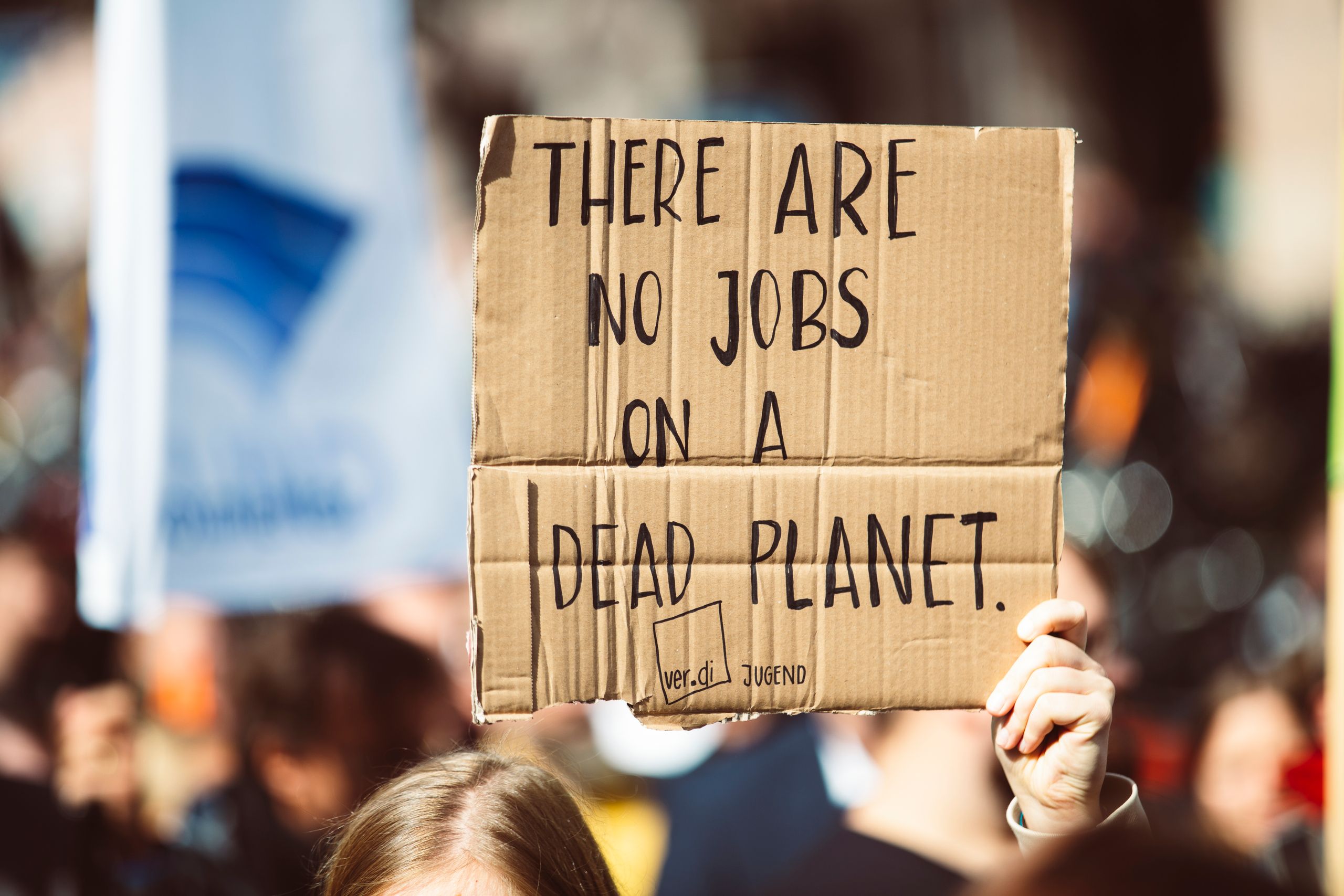
Automation has changed the math. A newer plant can often produce more with fewer workers. A company can close one facility, shift some production elsewhere, and replace another part of the workforce with machines.
That means displaced workers may not be competing with people in another state. They may be competing with software, robotics, self-operating packaging systems, and corporate efficiency targets. That is a much harder fight to win.
Rural towns are being hit harder than big cities.
A factory closure in a major city is painful, but a closure in a rural town can feel devastating. Smaller communities often have fewer large employers, fewer backup options, and fewer industries ready to absorb hundreds of displaced workers.
That is why closures involving plants like Foster Farms in Turlock or Spreckels Sugar in Brawley matter beyond the company name. These facilities are tied to agricultural regions where one major employer can support an entire web of local spending.
When a plant shuts down in a rural area, workers may not have another good job across town. Some may face long commutes, lower wages, early retirement, or relocation. The town loses more than jobs. It loses momentum.
Farmers lose buyers when processors leave.
California’s food economy does not start and end at the factory gate. Farmers need processors. Processors need farmers. When one side weakens, the other side feels it.
If an apple processor leaves Sonoma County, local growers lose more than a customer. They lose part of the infrastructure that made growing apples practical. If sugar beet processing disappears, farmers lose a reason to keep growing that crop in the region.
This is one of the hidden dangers Americans often miss. A factory closure can change what gets grown, where it gets grown, and whether smaller farms can survive. The damage can spread through fields long after the plant lights go dark.
Local businesses lose customers when plant workers lose paychecks.
Factory workers spend money close to home. They buy gas, groceries, school supplies, work boots, fast food, tires, haircuts, coffee, and takeout meals. Their paychecks circulate through local businesses every week.
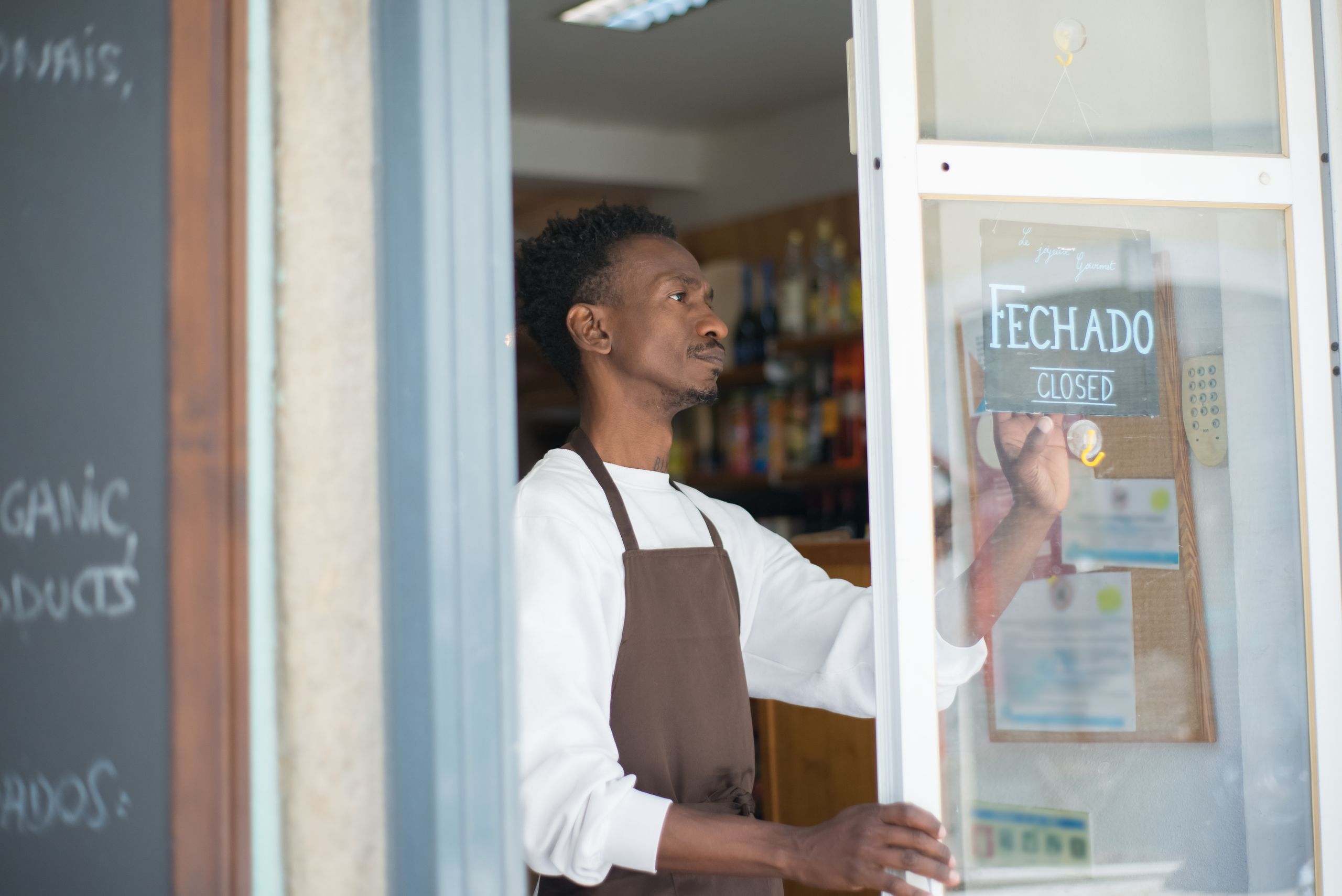
When hundreds of jobs disappear, that spending disappears too. Restaurants lose lunch crowds. Gas stations lose regulars. Grocery stores feel slower traffic. Landlords worry about rent. Local tax revenue weakens.
This is why plant closures feel bigger than the layoff number. The first wave hits workers. The second wave hits everyone who depended on those workers spending money in town.
America’s working class is losing the jobs that once built stability.
Factory work has never been easy, but it has often offered something many Americans still want: predictable hours, decent wages, benefits, overtime, and a path into the middle class without a four-year degree.
As these jobs disappear, many workers are pushed into lower-paying service work, gig jobs, warehouse shifts, or unstable schedules. That shift changes family life. It affects childcare, housing, savings, retirement, and mental health.
This is why the California factory story feels so familiar across America. People are not just worried about one almond plant, one snack plant, or one warehouse. They are worried that the kind of work that once held towns together is being erased.
Consumers may not notice until choices shrink and prices rise again.
At first, shoppers may not see much difference. The chips are still on the shelf. The frozen meals are still in the freezer. The almonds are still in the bag. The distribution system keeps moving.
But over time, fewer plants can mean less flexibility. When production becomes concentrated in fewer locations, disruptions become more dangerous. A weather event, labor shortage, transportation delay, disease outbreak, or equipment failure can ripple faster through the food supply.
Americans learned during recent supply chain disruptions that empty shelves do not happen by accident. They happen when systems become too lean, too concentrated, and too fragile.
California’s factory closures reveal a painful truth about the modern economy. Companies can keep selling products while cutting the workers and communities that helped build them. Grocery shelves may stay full, but local paychecks can disappear. Corporate operations may become more efficient, but towns can become weaker.
We are watching a slow hollowing out of the industrial middle. It is not always dramatic. It does not always happen overnight. But each closure removes another layer of stability from working families.
If America wants strong communities, it cannot treat factory jobs as disposable. It cannot celebrate efficiency while ignoring the people left behind. California’s warning is clear: once the plants close, the paychecks, skills, local pride, and community strength are much harder to bring back.