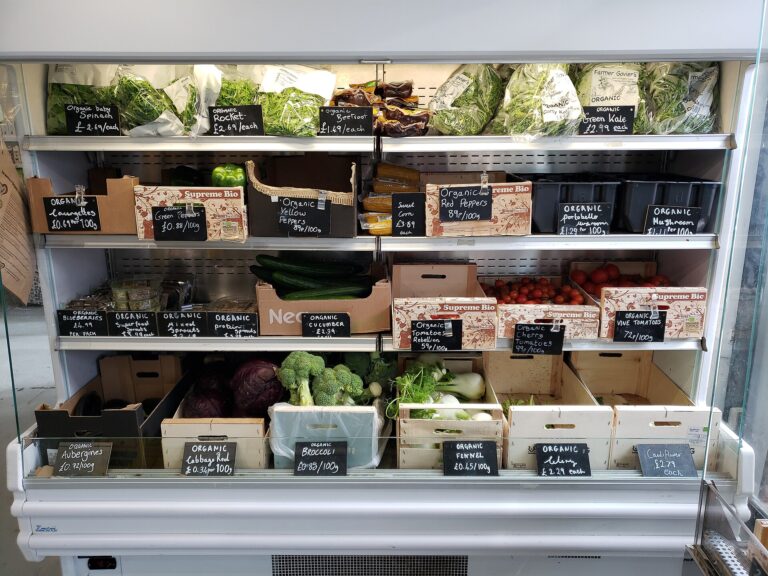
in Roundup, often comes up in conversations about pesticides and food production.
However, it is important to separate popular claims from actual regulations. The European Commission has approved glyphosate through December 15, 2033, subject to conditions. It has not imposed a blanket European Union ban on the chemical.
That distinction matters because El-Sayed’s proposal refers to pesticides prohibited in Europe. It would be misleading to assume that every controversial agricultural chemical would automatically be included.
Until a detailed chemical list becomes available, shoppers and farmers will have to wait to see exactly which products could be affected.
Could Changing Farming Practices Affect Grocery Prices?
This is where the discussion becomes particularly interesting for anyone who regularly shops for groceries.
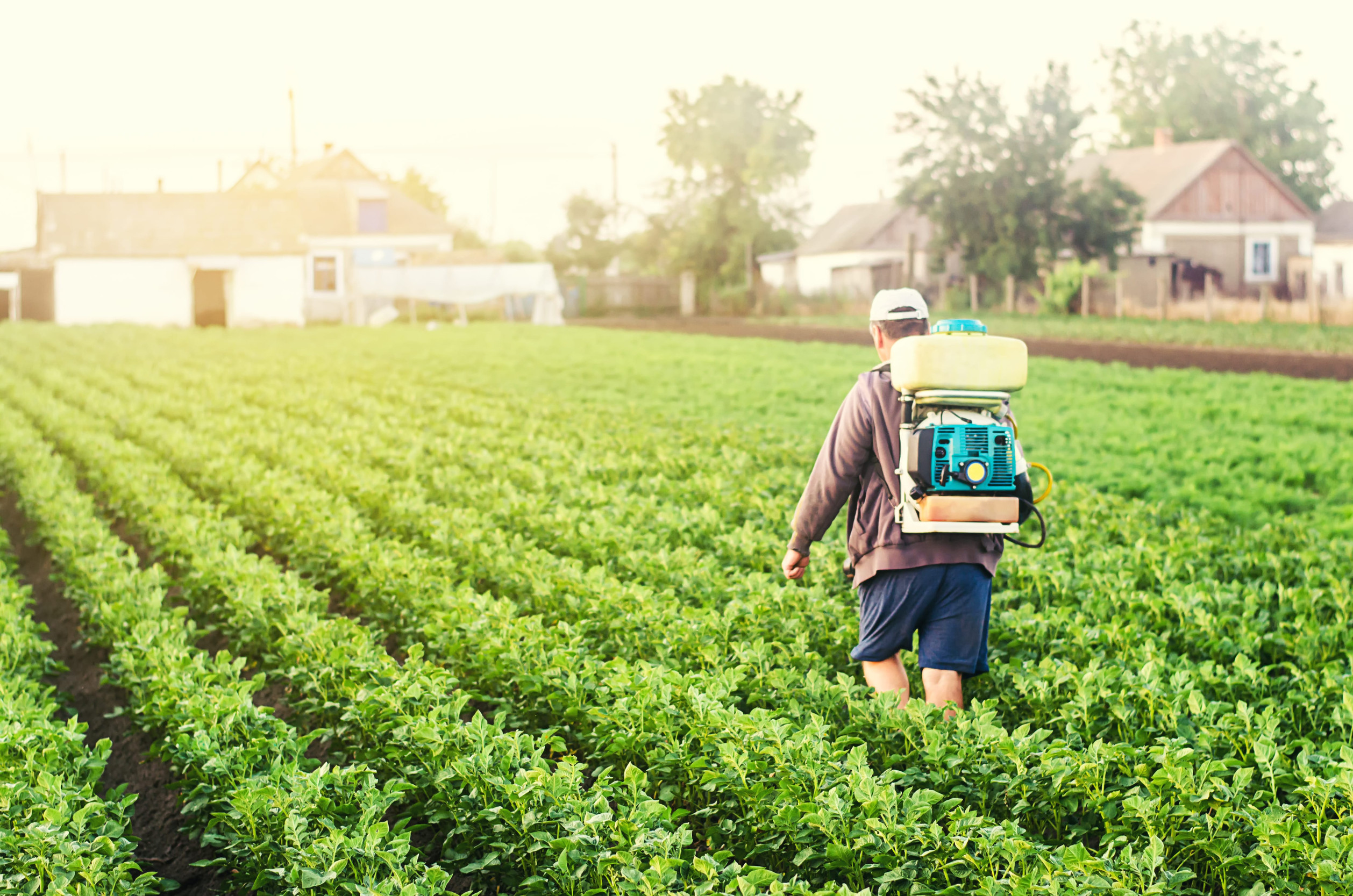
If farmers lose access to certain crop-protection products, they may need to explore other ways to manage weeds and pests. Depending on the crop and chemical involved, alternatives could require different equipment, additional labor, or changes to farming practices.
For example, the EPA has previously found that certain neonicotinoid seed treatments offered little or no overall benefit in most American soybean-production situations. However, the agency also recognized that these treatments could provide some protection against occasional pest problems.
Paraquat presents a different situation because the EPA previously reported that direct one-to-one alternatives were unavailable.
These examples show why replacing agricultural chemicals is not always a simple switch.
El-Sayed’s agenda proposes supporting farmers through conservation assistance and agricultural practices such as cover crops, diversified crop rotations, improved nutrient management, and managed grazing.
However, there is currently no verified economic assessment showing whether his particular proposal would make groceries more expensive or less expensive.
Organic Food and Pesticide Exposure Are Also Part of the Conversation
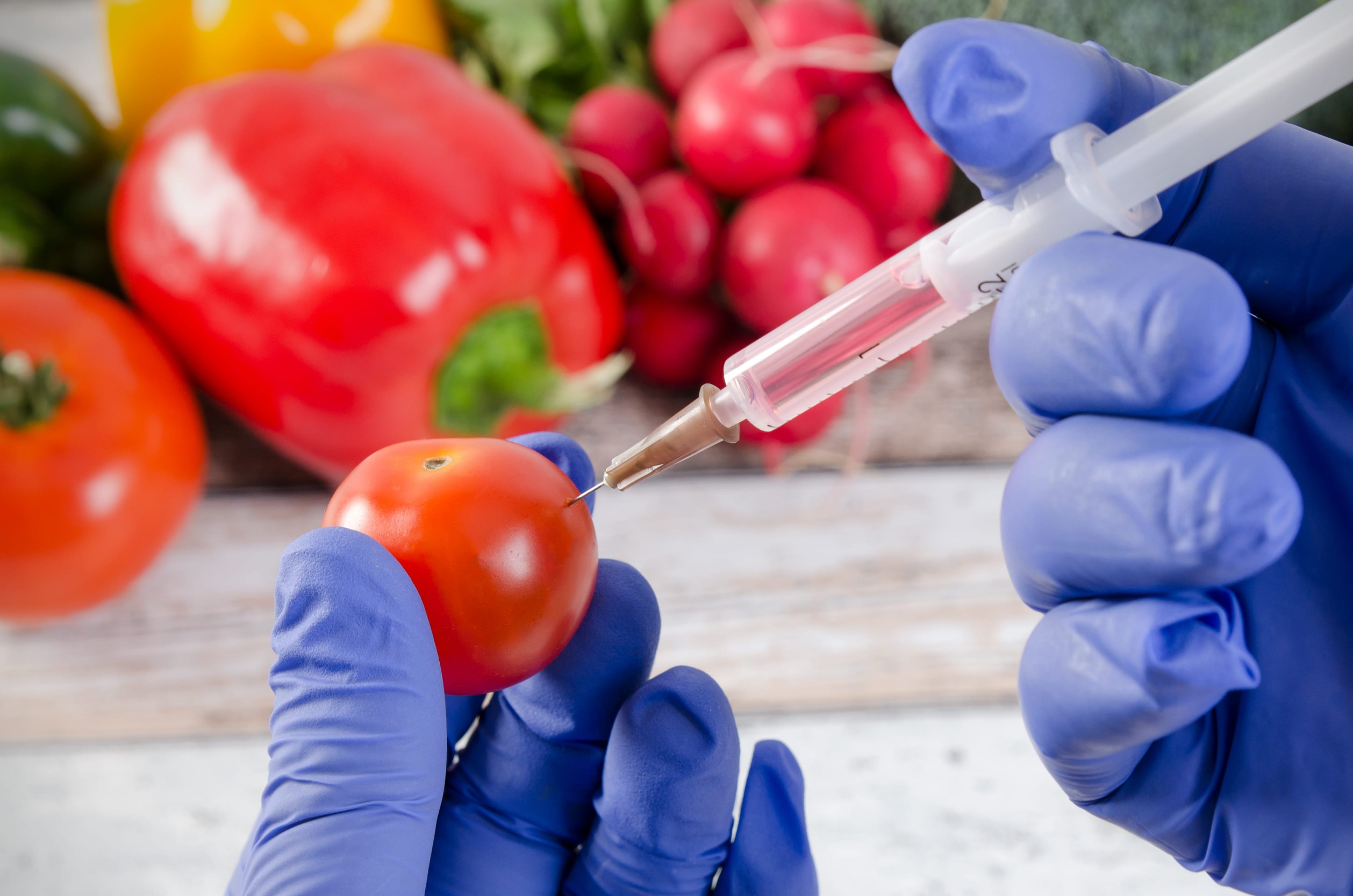
For shoppers who already pay attention to how their food is produced, pesticide restrictions may bring up another familiar topic: organic food.
Research has found that changing to an organic diet can reduce exposure to certain pesticide compounds, as measured through urine samples.
One intervention involving 16 people from four families found reductions in urinary pesticide compounds after participants switched to organic food. A related study also reported a reduction in urinary glyphosate levels.
There is an important distinction, though. These studies measured exposure biomarkers. They did not establish that the dietary changes reduced cancer rates, prevented diseases, or improved life expectancy.
The findings help explain why some consumers pay attention to agricultural production methods, but they should not be turned into promises about health outcomes.
School Food and Fresher Ingredients Are Also on the Agenda
El-Sayed’s proposal extends beyond pesticide restrictions and into how food is prepared and purchased.
One of its commitments involves investing in scratch-cooking kitchens in schools, along with hiring and training food-service workers.
The plan also supports expanding farm-to-school purchasing programs, which connect agricultural producers with school food services.
Regional food processing and stronger local supply chains are other priorities.
These ideas could bring more attention to how food travels from farms to kitchens and eventually to dining tables. However, the proposal does not include a detailed school food standard or a blanket ban on processed foods.
What Grocery Shoppers Should Watch For
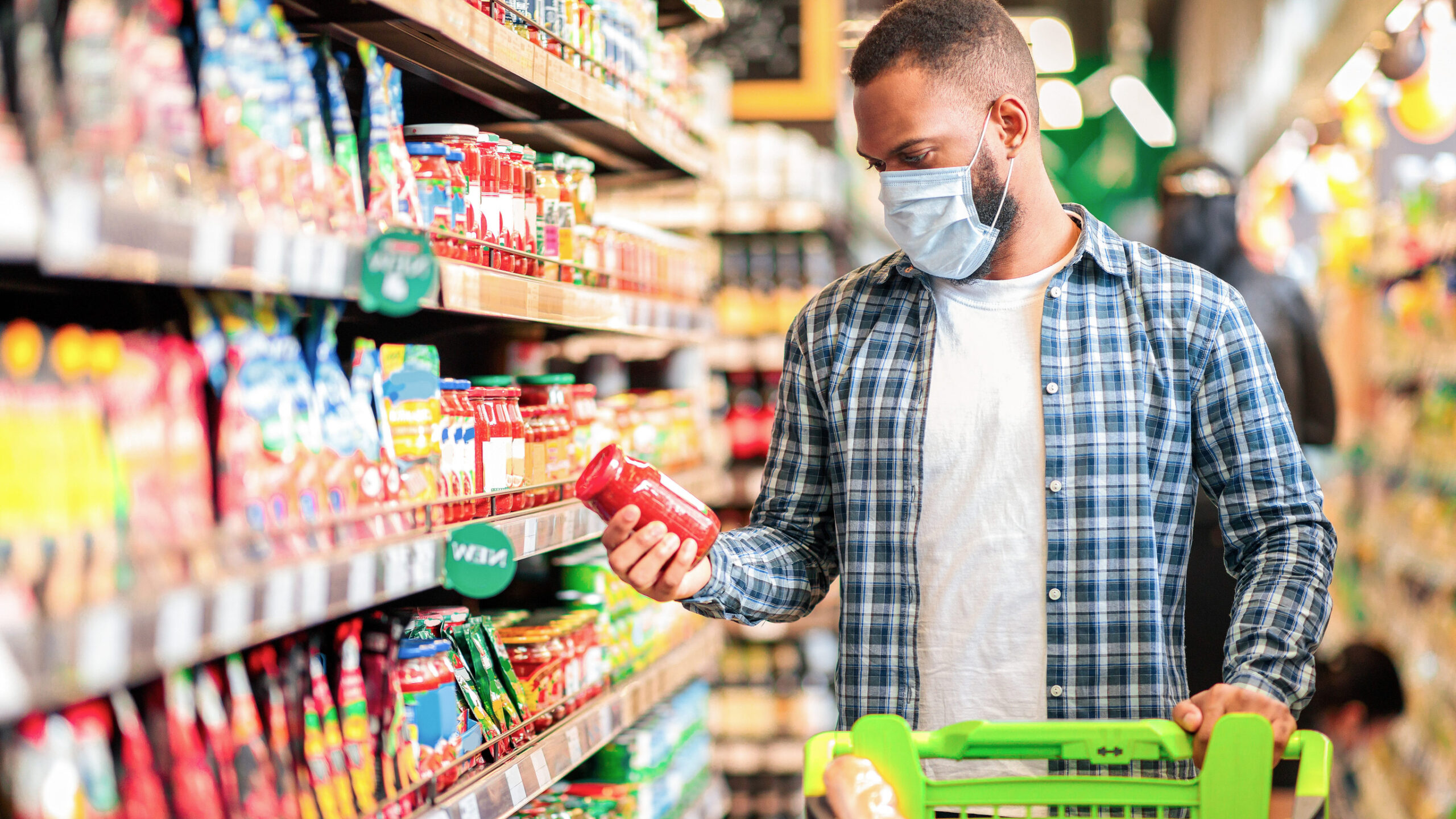
For now, there is no reason to assume that American grocery shelves are about to change overnight.
El-Sayed’s election victory gives him an opportunity to pursue his food policy agenda when his Senate term begins in January 2027. But his proposed pesticide legislation has not yet been publicly introduced, and the final list of chemicals remains unknown.
The biggest questions concern which pesticides would be restricted, how farmers would transition to alternative practices, and whether imported food would face different residue requirements.
For shoppers, the conversation is a reminder that food production involves much more than what happens in the kitchen. The ingredients in a meal begin with decisions made on farms, including how crops are protected and harvested.
Whether these proposed changes eventually reach American grocery stores remains to be seen. But the debate over how everyday food is grown is certainly one worth following.