New York City is under an intense heat advisory as temperatures climb into the low 90s, and humidity makes the air feel like triple digits. The combination of extreme heat, rising urban ozone levels, and the potential for afternoon thunderstorms creates a serious public safety concern.
For millions of residents, this is not a simple summer inconvenience; it is a challenge that affects daily routines, health, and the fabric of city life. Understanding how heat affects New York requires examining its causes, social and infrastructural effects, historical context, and practical implications.
Why New York Feels Hotter Than the Thermometer Suggests
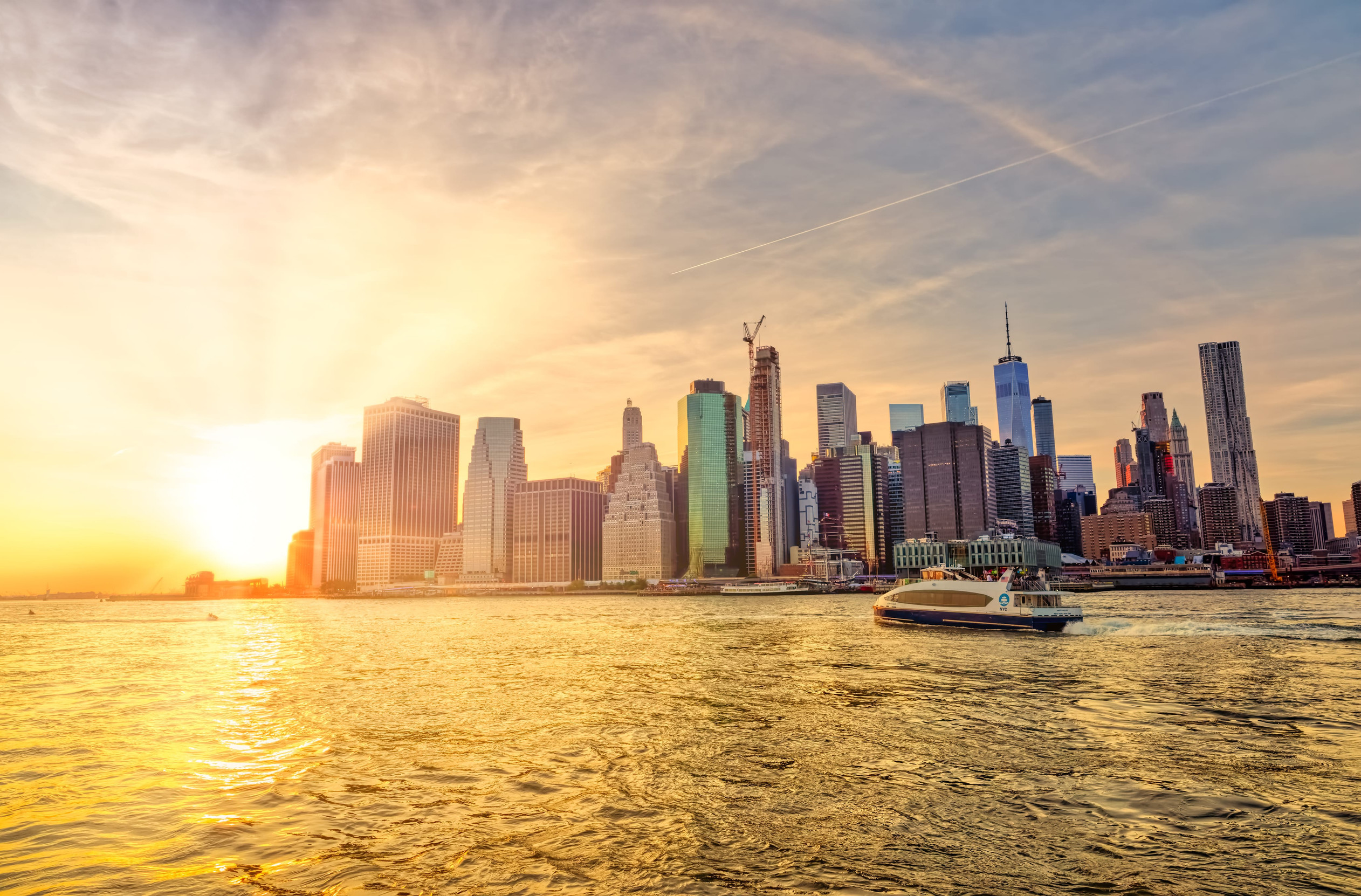
Urban design plays a central role in amplifying heat across New York City. Concrete, asphalt, and densely packed buildings absorb and radiate heat, creating a phenomenon known as the urban heat island effect. Certain neighborhoods, particularly in the Bronx and Brooklyn, can feel several degrees hotter than areas with more trees and open spaces. Parks, shaded streets, and waterfront areas provide partial relief, but they are often unevenly distributed across the five boroughs.
Humidity compounds the intensity of the heat. Sweat, the body’s natural cooling mechanism, evaporates more slowly in saturated air, forcing residents to expend more energy simply to maintain normal body temperature. This effect is especially pronounced in subway stations, crowded sidewalks, and poorly ventilated apartment buildings. The perceived temperature, or heat index, can exceed the official reading, creating conditions that strain both physical and mental endurance.
Historical data show that New York’s heat waves have steadily increased in frequency and intensity. The deadly 2006 heat wave claimed dozens of lives, highlighting how urban populations, especially those without adequate cooling or support systems, are highly vulnerable. While modern alert systems and public outreach have improved, rising temperatures coupled with aging infrastructure continue to make heat a major urban hazard.
The Hidden Threat of Air Quality
Air pollution exacerbates the danger of extreme heat. Elevated ground-level ozone, which forms when sunlight reacts with urban pollutants, worsens respiratory conditions and can trigger cardiovascular stress. Children, older adults, and outdoor workers are particularly vulnerable, and even healthy individuals may experience symptoms such as coughing, fatigue, or headaches after prolonged exposure. Combining high temperatures with poor air quality creates a multi-layered public health threat that demands attention beyond standard weather warnings.
Urban heat and air pollution intersect to affect social and economic behavior. Outdoor activities, delivery work, construction, and public commuting become significantly riskier under these conditions. Residents often modify daily routines to avoid peak afternoon temperatures, illustrating how heat waves influence cultural and logistical patterns in a city that never truly stops moving. The interplay of climate and urban planning underscores the complexity of managing city life during extreme weather events.
Environmental experts note that ozone levels tend to spike during prolonged heat periods, making heat advisories and air quality alerts complementary but equally critical. Awareness campaigns and public messaging emphasize both hydration and the need to minimize outdoor exertion, particularly during the hottest hours. These measures aim to reduce hospitalization rates and prevent heat-related fatalities across the metropolitan area.
Socioeconomic Dimensions of the Heat Crisis
Extreme heat disproportionately impacts residents with limited access to cooling infrastructure. Low-income households, elderly individuals living alone, and tenants in older buildings without air conditioning face elevated risks. Energy costs also pose a challenge, as running air conditioners at full capacity can lead to high electricity bills, forcing many to choose between comfort and affordability.
Outdoor workers, such as delivery personnel, street vendors, and sanitation crews, experience prolonged exposure that can accelerate dehydration and heat exhaustion. Children returning from school or participating in summer programs face similar risks if shaded play areas or indoor cooling options are not accessible. Pets, too, are at risk, particularly on sun-heated streets or inside poorly ventilated apartments.
These disparities highlight the intersection of climate and social equity. Public cooling centers, libraries, and community centers offer relief, but access depends on awareness, mobility, and safety considerations. Neighborhood-level differences in infrastructure and resources illustrate how heat waves are not just meteorological events; they are societal stress tests.
How the City Is Responding
New York City has activated more than 600 cooling centers across all five boroughs to provide air-conditioned refuge for residents. These locations include public libraries, senior centers, community centers, and select NYCHA facilities. City officials advise residents to confirm operating hours via 311 or official websites before visiting. Even brief stays in these facilities can reduce heat exposure and prevent health emergencies.
Public advisories encourage residents to drink water regularly, avoid strenuous outdoor activity during peak hours, and monitor vulnerable individuals. Protective clothing, shades, and strategic planning of commutes are recommended. Utilities warn of increased electricity demand, emphasizing moderate air conditioning use to prevent grid strain without compromising safety.
Historical examples demonstrate the effectiveness of coordinated urban response. During past heat waves, targeted outreach to vulnerable populations, combined with accessible cooling options, substantially reduced hospitalization rates. Lessons learned from prior summers inform current strategies, reinforcing the importance of proactive measures.
The Compounding Factor of Afternoon Storms
While extreme heat dominates headlines, meteorologists warn of potential afternoon thunderstorms. Rapidly developing storms can produce heavy rain, localized flooding, lightning, and gusty winds, complicating commuting and outdoor safety. Streets with poor drainage, underpasses, and subway entrances are particularly vulnerable to flash flooding.
Residents should prioritize shelter during storms and avoid attempting to traverse flooded areas. Strong winds can topple tree limbs, creating additional hazards. The combination of oppressive heat followed by sudden storms demonstrates how urban weather systems can multiply risk factors within a single day.
Recognizing Symptoms and Responding Quickly
Understanding early signs of heat-related illness is essential. Symptoms such as excessive sweating, dizziness, nausea, fatigue, and muscle cramps indicate the body is struggling to cope. More severe indicators, including confusion, hot, dry skin, fainting, or difficulty breathing, require immediate medical attention.
Prompt action can prevent escalation. Checking on neighbors, friends, and family members in high-risk categories is advised. In a city of millions, community vigilance is as critical as personal precautions in mitigating heat-related harm.
Long-Term Implications and Urban Planning Lessons
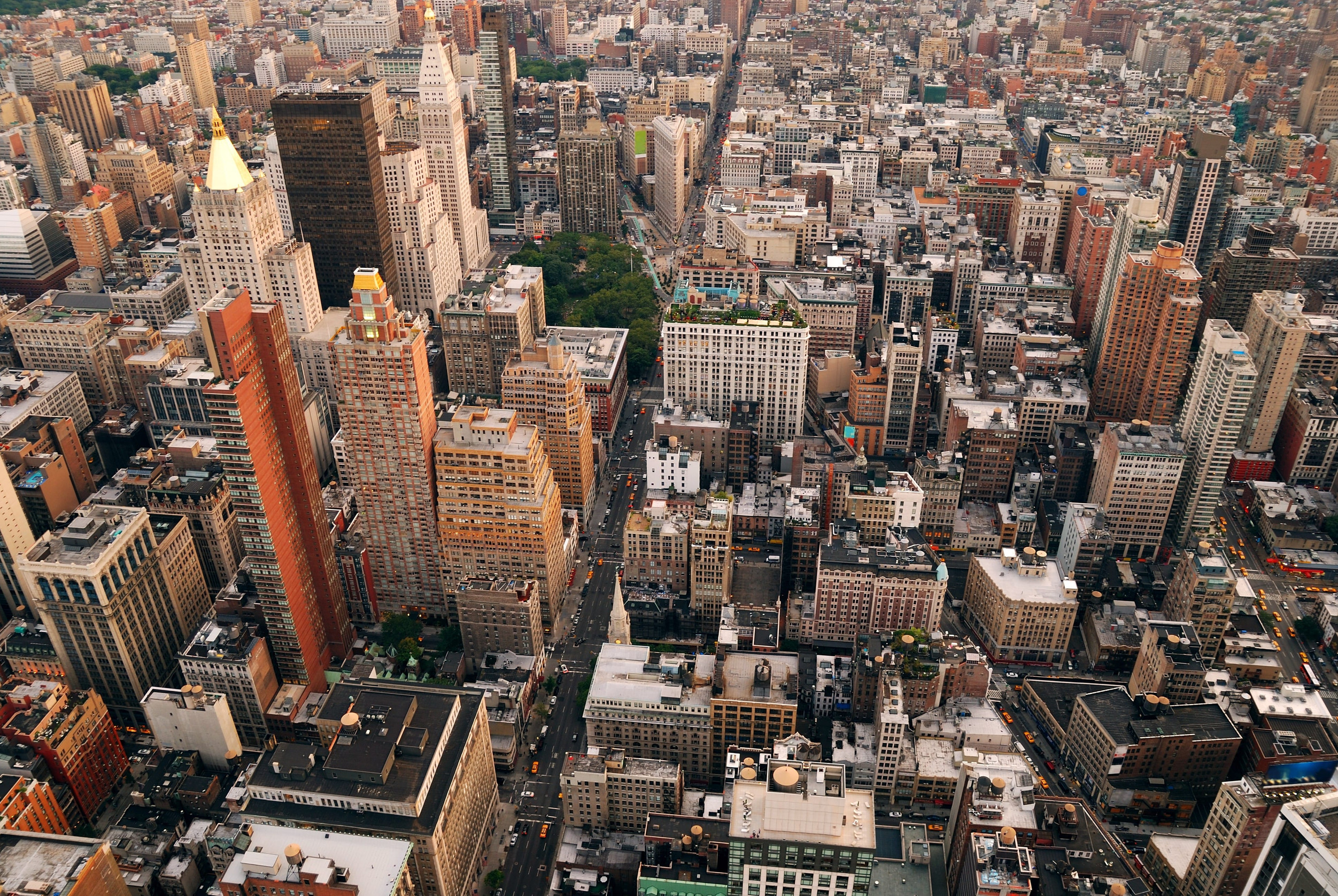
The frequency and severity of heat waves in New York reflect broader climate trends affecting urban centers worldwide. Increasing temperatures, combined with urban heat islands and infrastructure limitations, pose ongoing challenges for public health, energy management, and social equity. Urban planning, tree canopy expansion, green rooftops, and heat-reflective building materials may offer partial mitigation, but implementation requires sustained investment.
Energy consumption patterns, public resource distribution, and social awareness all influence how effectively cities navigate extreme heat events. The intersection of meteorology, urban design, and social vulnerability highlights the complexity of building resilient communities that can withstand climate extremes.
Even as residents adapt to summer heat through personal measures, cooling centers, and modified routines, these events provoke reflection. How can a dense, dynamic metropolis reconcile comfort, safety, and energy demands in the face of increasingly extreme weather?
What infrastructure improvements and policy decisions are necessary to protect those most at risk? In considering these questions, New Yorkers confront not only the immediate effects of heat but also the longer-term challenge of designing a city prepared for the realities of a warming world.