A neighborhood can spend decades trying to outrun one bad story. One movie scene, one viral crime clip, one old headline, or one outsider’s warning can freeze a place in the public mind even after the streets, residents, businesses, and safety patterns have changed.
That is why the phrase “bad neighborhood” often says more about reputation than reality. Some areas still require common sense, especially at night or around busy entertainment districts, but many of the places Americans warn each other about are more complicated than their labels suggest.
We should be careful with any list like this because safety is never the same on every block. Violent crime, property crime, nightlife disorder, traffic risk, homelessness, lighting, police visibility, and local investment all shape the experience differently.
Still, when we look past old reputations, several U.S. neighborhoods and cities deserve a more honest second look.
South Boston, Massachusetts
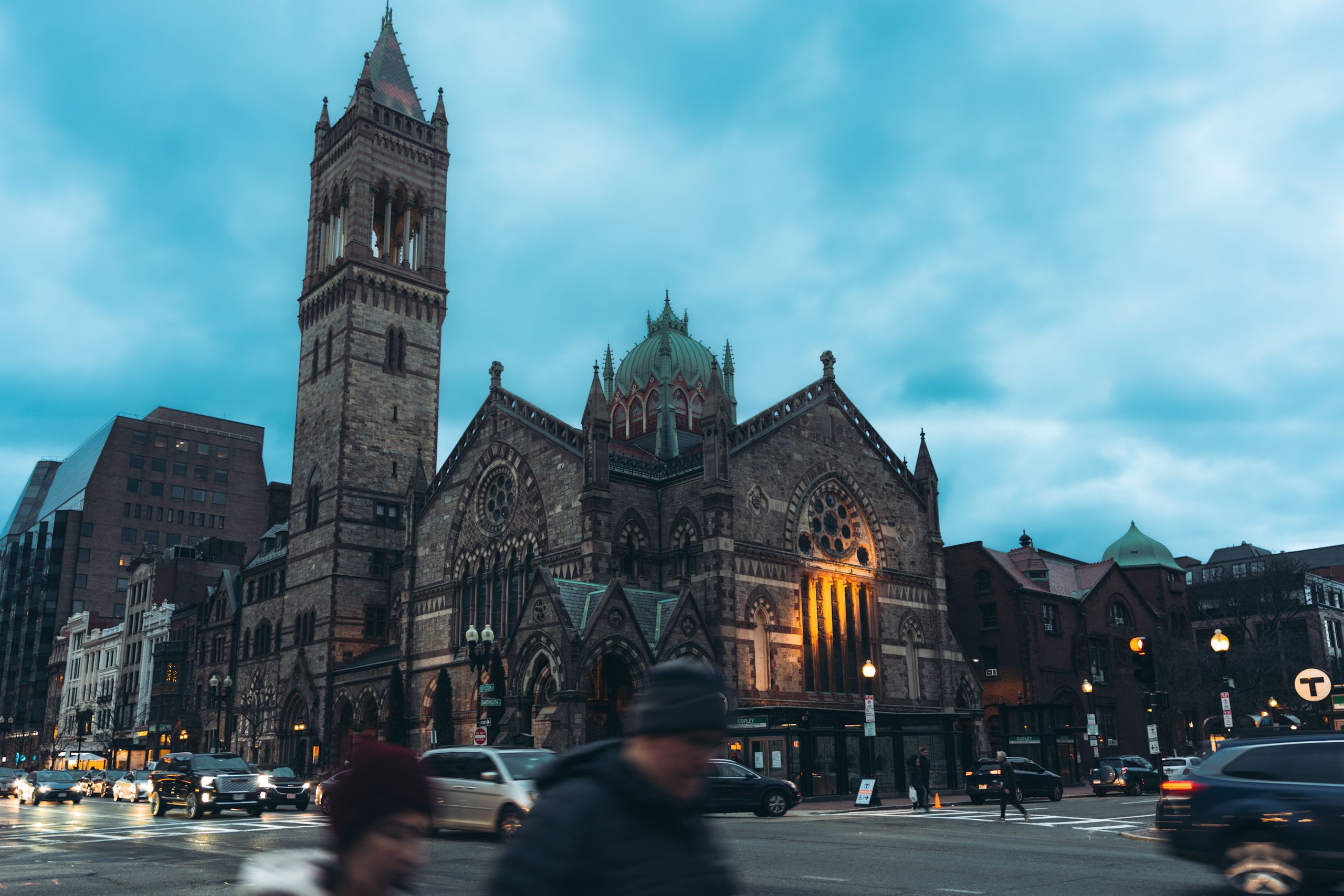
South Boston, often called Southie, still carries the weight of its old working class, hard edged image. For many outsiders, the neighborhood remains tied to stories about organized crime, street toughness, and Boston’s older tribal divisions. That version of Southie is not completely imaginary, but it is no longer the whole story.
Modern South Boston is one of the clearest examples of how a neighborhood can be transformed by location, housing demand, young professionals, restaurants, waterfront development, and rising costs.
The area has become a magnet for renters who want access to downtown Boston, beaches, bars, and a neighborhood feel without leaving the city. Its identity now leans more toward busy sidewalks, packed brunch spots, apartment construction, and weekend nightlife than the grim image outsiders still repeat.
That does not mean Southie is perfect. Like many dense urban neighborhoods, it has traffic headaches, parking frustration, late night noise, and occasional incidents that remind residents they still live in a city.
But the old warning that South Boston is automatically a place to avoid feels outdated. The more accurate view is that Southie is a fast moving, expensive, highly active neighborhood where common city awareness matters more than fear.
The Bronx, New York
The Bronx may be one of the most misunderstood places in America. Its reputation was shaped by a painful period of fire, abandonment, poverty, crime, and national ridicule during the late twentieth century. For many people who have never walked its residential streets, the borough still exists as a symbol of danger rather than as a living, changing part of New York City.
That stereotype misses the borough’s range. The Bronx includes dense commercial corridors, quiet residential pockets, waterfront areas, immigrant communities, major parks, apartment towers, row houses, schools, hospitals, and some of New York’s most loyal neighborhood cultures.
Riverdale, Spuyten Duyvil, Morris Park, Pelham Bay, Country Club, Woodlawn, and Throgs Neck do not fit the lazy picture of a borough that is dangerous everywhere.
The Bronx still has areas where crime and quality of life concerns are real, especially in some parts of the South Bronx. We should not flatten those concerns or pretend every block feels the same. But we should also stop treating the entire borough as a warning sign.
The Bronx is not one neighborhood, one statistic, or one old movie scene. It is a borough where safety changes by precinct, block, time of day, and local conditions.
Cabrini Green, Chicago, Illinois
Cabrini Green is one of the most famous examples of how a place name can become larger than the place itself. For decades, the name was used as shorthand for public housing failure, concentrated poverty, violence, and urban neglect. Many Americans still hear Cabrini Green and imagine the high rise towers that once dominated the Near North Side.
But the physical Cabrini Green that created that national reputation has largely disappeared. The old towers were demolished, the area was folded into broader redevelopment plans, and the surrounding Near North Side changed dramatically.
Today, the Cabrini story is tied not only to crime history but also to displacement, mixed income housing debates, land value, and the future of public housing in a city where inequality remains visible.
Calling the current area a dangerous no go zone ignores how much has changed. It is near some of Chicago’s most expensive and active neighborhoods, close to downtown, transit, restaurants, offices, retail, and new residential development.
The better question is not whether Cabrini Green is still the place outsiders remember. The better question is how Chicago balances redevelopment, safety, affordability, and the memory of families who were pushed out of a neighborhood that became valuable after they were gone.
Corktown, Detroit, Michigan
Detroit’s reputation still does heavy damage to neighborhoods that are far more layered than outsiders assume. Corktown is one of them. As Detroit’s oldest neighborhood, it carries history, architecture, restaurants, bars, old homes, vacant lots, new investment, and the shadow of a city that became a national symbol of industrial decline.
Corktown today is not the Detroit stereotype many people still carry. The neighborhood has gained attention because of the Michigan Central redevelopment and the broader push to turn the area into a mobility and innovation district. That investment has brought new workers, visitors, businesses, and national attention to a place that already had deep local character.
Still, Corktown should not be oversold as a polished urban playground. Detroit remains a city where safety can shift sharply from one area to another, and residents have legitimate concerns about affordability, traffic, construction, and whether redevelopment benefits longtime locals.
But Corktown itself is not a neighborhood that should be judged by Detroit’s worst headlines. It is a place where the old danger narrative now competes with a much stronger story of revival, preservation, and pressure.
Pearl District, Portland, Oregon
Portland’s Pearl District is a good reminder that safety debates can become emotional fast. Some people describe Portland as if the entire city has collapsed. Others dismiss every concern as exaggeration. The truth, especially in the Pearl, sits somewhere between those two extremes.
The Pearl District has many of the things people associate with an attractive urban neighborhood: condos, parks, restaurants, galleries, shopping, walkability, and access to downtown.
It is one of Portland’s most recognizable examples of industrial land being remade into a modern urban district. During the day, it can feel busy, stylish, and comfortable.
The risk profile is more complicated at night and around property crime. Car break ins, bike theft, visible homelessness, and disorder have shaped how residents and visitors talk about the area. But that is different from saying the Pearl is a place where people should expect violent danger at every turn.
It is better understood as an urban neighborhood where property crime and quality of life concerns matter, but where the old collapse narrative often outruns the daily reality.
Lewiston, Maine
Lewiston often gets judged harshly by people who compare it to postcard Maine. When a city is measured against quiet coastal towns, vacation villages, and polished college communities, anything with older mills, working class housing, immigrant communities, and urban problems can be labeled rough.
That label misses much of Lewiston’s actual character. The city has a strong Franco American history, a visible Somali community, Bates College, old mill buildings, local restaurants, riverfront potential, and a grounded sense of place. It is not trying to be a luxury resort town, and that may be exactly why outsiders misunderstand it.
Lewiston has faced serious trauma and public safety concerns, and no responsible article should ignore that. But it is also not the dangerous urban nightmare some people imagine when they hear negative comments about the city. It is a small New England city with real challenges, strong community roots, and a safety picture that looks very different from the fear based reputation attached to it.
Deep Ellum, Dallas, Texas
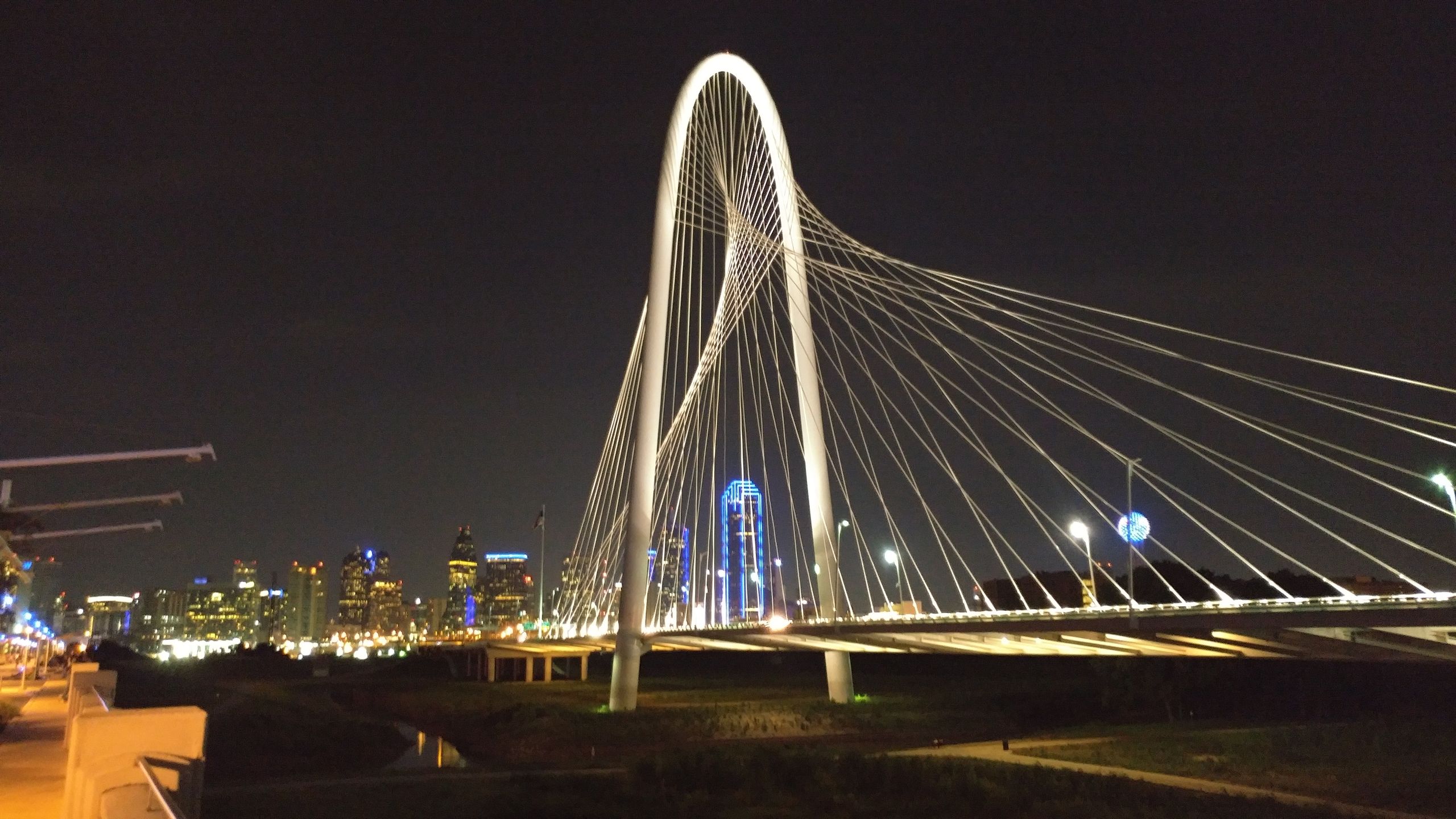
Deep Ellum is not the kind of neighborhood that can be called simply safe or unsafe. It is a nightlife district, and nightlife districts create their own risk patterns. The same streets that feel colorful, artistic, and lively during the day can feel more unpredictable after midnight when crowds, alcohol, traffic, and closing time all collide.
That is why Deep Ellum’s reputation is complicated. It has murals, music venues, restaurants, bars, galleries, and some of Dallas’s strongest cultural identity. It is one of the neighborhoods that gives the city texture. Visitors come because it feels alive, not because it feels like a quiet suburb.
The practical safety advice is simple. Deep Ellum is best approached as an entertainment zone, not a sleepy residential district. Go with a plan, park carefully, avoid leaving valuables in the car, stay aware late at night, and do not linger after crowds thin out.
The area is not the lawless place some outsiders imagine, but it is also not a place where late night judgment should disappear.
Inglewood, California
Inglewood’s national reputation was shaped by the long shadow of South Los Angeles, old crime narratives, hip hop history, economic struggle, and the wider story of Los Angeles in the 1990s. For people who have not followed the city closely, Inglewood may still sound like a place defined by danger.
The modern city is much more complicated. SoFi Stadium, a major entertainment investment, new development, rising home values, event traffic, and proximity to the Los Angeles International Airport have changed how many people experience Inglewood.
The city now receives visitors from across the country for NFL games, concerts, and major events, which would be difficult to imagine if its old reputation told the whole story.
That does not mean every concern has vanished. Vehicle related crime, event congestion, parking issues, and uneven block by block conditions remain part of the conversation. But Inglewood is no longer fairly described by old stereotypes alone. It is a city under pressure from investment, visibility, and change, and its safety picture should be discussed with that full context.
Naperville, Illinois
Naperville may seem like an odd name on a list of supposedly bad neighborhoods because it is not a distressed urban district. But that is exactly the point. Some places inherit fear simply because they sit near a city with a strong crime reputation. Naperville is a Chicago area suburb, and for people who do not understand the region, anything near Chicago can get unfairly lumped into Chicago’s worst headlines.
That assumption falls apart quickly. Naperville is widely known for strong schools, parks, libraries, a busy downtown, family centered neighborhoods, and a polished suburban identity. It is the kind of place where the danger narrative feels especially disconnected from reality.
Naperville’s inclusion shows how careless outsiders can be when they talk about safety. A regional label can become a lazy substitute for actual local knowledge. The truth is simple: being near Chicago does not make every surrounding community dangerous, and Naperville is one of the clearest examples of why broad geographic fear can be misleading.
Charlotte, North Carolina
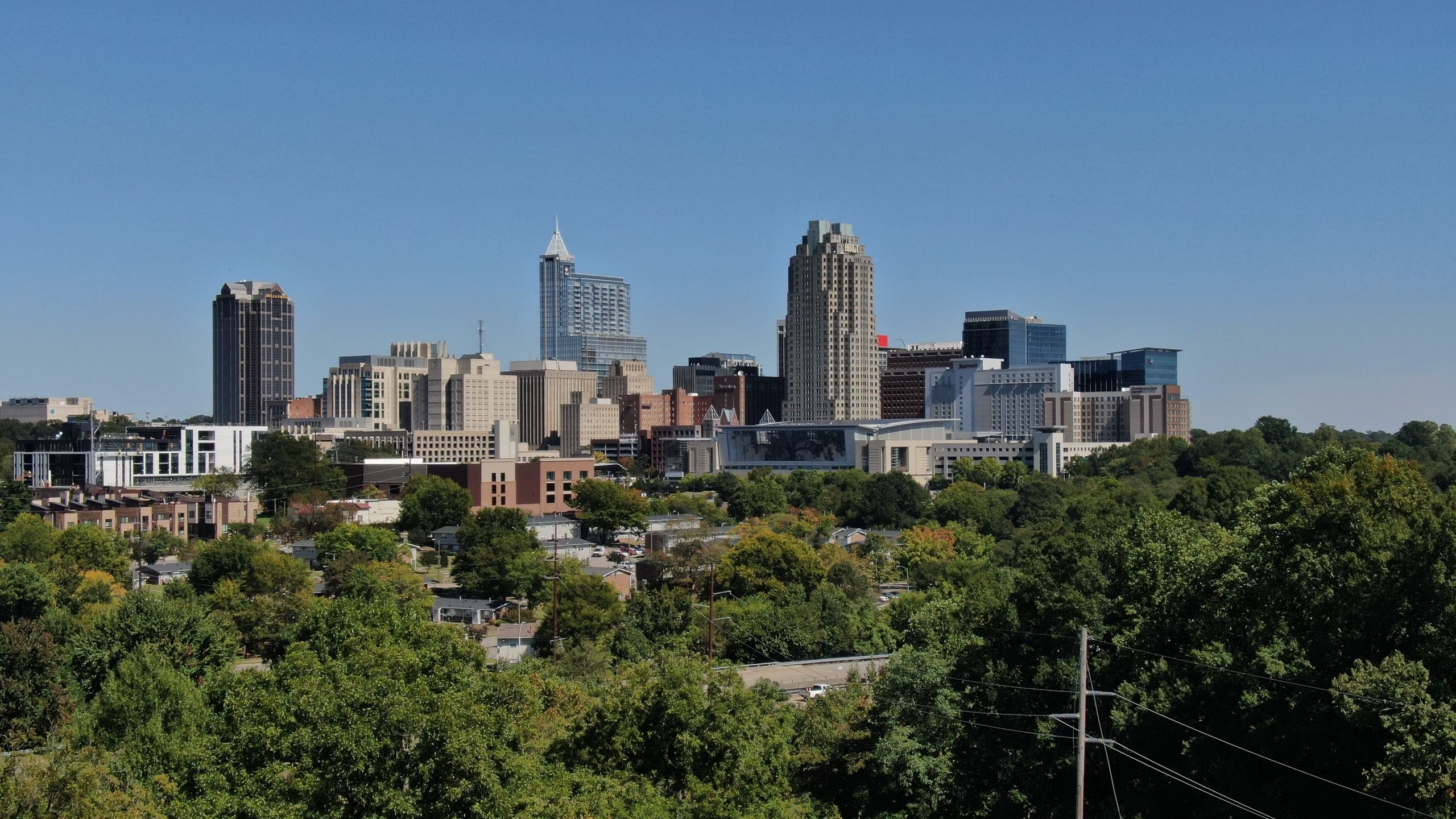
Charlotte is a fast growing city, and fast growth almost always creates tension around safety. New residents arrive with expectations. Longtime residents notice a change. High profile crimes spread quickly online. Local leaders point to data, while many residents judge safety by what they see at transit stops, nightlife districts, apartment complexes, and busy commercial corridors.
That is why Charlotte’s reputation can feel worse than its full reality. The city has crime, and some areas struggle more than others. But it also has stable neighborhoods, strong job growth, major corporate investment, universities, family communities, and large sections where daily life feels ordinary and safe.
Charlotte should not be described as danger free, but it should not be reduced to its most troubling headlines either. Areas such as Myers Park, Ballantyne, Dilworth, Plaza Midwood, SouthPark, and many suburban pockets offer a very different experience from the parts of the city that generate the most concern.
Like many large Sun Belt cities, Charlotte’s real safety story depends on where you are, what time it is, and whether local growth is being matched with enough public services.
The phrase “bad neighborhood” is often too blunt to be useful. South Boston, the Bronx, Cabrini Green, Corktown, the Pearl District, Lewiston, Deep Ellum, Inglewood, Naperville, Charlotte, and University Park all show how reputation can distort reality.
Some of these places are genuinely safer than people think. Others are safer in specific ways, at specific times, or in specific sections. That distinction matters because honest safety writing should not sell fear, and it should not sell fantasy either.
The better story is that neighborhoods change, but reputations often refuse to move with them. If we want to understand American cities clearly, we have to look beyond old labels and ask what is actually happening on the ground today.