Florida used to sell Americans a dream: sunshine, beaches, fresh starts, retirement comfort, and a lower cost of living than many big northern states. But for renters, that dream now feels more like a warning sign nailed to the front door.
Across the state, families are watching rent notices climb faster than paychecks. Seniors are trying to stretch fixed incomes in a market that no longer seems built for them. Workers are keeping hotels, hospitals, schools, theme parks, and restaurants alive while wondering whether they can still afford to live near the jobs that need them.
Florida’s rental crisis is not just about expensive apartments. It is about a system where rent hikes, eviction filings, weak tenant protections, cash buyers, luxury development, and stagnant wages are squeezing ordinary people from every side. For many Americans, Florida now looks less like paradise and more like the future they fear in their own state.
Rent Is Eating Paychecks Before Families Can Breathe

The first problem is simple and painful: rent is taking too much money from too many households. When a family spends more than a third of its income on rent, every other bill becomes a threat. Food, gas, child care, medicine, insurance, and car repairs all start fighting for whatever is left.
This is why renters feel trapped even when they are working. A person can have a full time job in Florida and still be nowhere close to comfortably affording a modest two bedroom apartment. That gap between wages and rent is where the fear begins.
For American families already tired of inflation, Florida feels like a warning. The rent does not wait for a raise. The landlord does not pause because groceries cost more. The lease renewal comes anyway, and many renters are forced to choose between paying more or losing the home they already have.
Eviction Has Become a Normal Threat
Eviction used to feel like a last resort. In many Florida communities, it now feels like a shadow hanging over working renters every month. One missed payment, one emergency, one rent hike, or one reduced workweek can push a household into court.
The cruel part is that eviction pressure begins before the sheriff arrives. It starts with the notice on the door, the court date, the panic calls to relatives, and the search for another place that may cost even more. Once a renter has an eviction filing attached to their name, finding future housing can become harder.
This is why the crisis feels so brutal. Eviction is not just a legal process. It can break a child’s school routine, push a senior into unstable housing, force a family into a motel, or send workers farther away from their jobs. The damage does not end when the tenant leaves the unit.
Florida Renters Have Weak Protection When Prices Jump
Many Americans can relate to the fear of opening a rent renewal and seeing a number that makes no sense. In Florida, that fear is sharper because renters have limited protection when landlords raise prices. Local governments are also restricted from creating rent control policies.
That means renters often have little power when the market turns against them. A landlord can decide the area has become more valuable, the tenant can be hit with a painful increase, and the family may have no realistic way to stay. The renter may have paid on time for years and still lose the home because the new price no longer fits.
This creates a grim feeling for tenants. Loyalty does not protect them. Good payment history does not protect them. Being a quiet neighbor does not protect them. In a market this aggressive, the lease can feel less like security and more like a temporary invitation.
Wages Are Not Keeping Up With Florida’s Housing Reality

Florida has plenty of workers, but many of them are not paid enough to live comfortably in the communities they serve. Restaurant workers, hotel employees, retail staff, teachers, home health aides, and service workers keep the state running. Yet many still struggle to afford rent.
That is what makes the crisis feel so insulting. The same workers who help power Florida’s economy are being priced out of the neighborhoods where that economy depends on them. They serve the tourists, care for the elderly, clean the rooms, stock the stores, and teach the children, but many cannot afford stable housing nearby.
Americans everywhere understand this frustration. Work used to promise survival. Now, in places like Florida, a paycheck can vanish into rent before a family gets a chance to build anything. That is not a healthy economy. That is a pressure cooker.
Wealthy Newcomers Are Raising the Stakes
Florida’s population boom has brought money, movement, and attention. But it has also brought a harder housing market for people who were already living there. When higher income newcomers arrive with bigger salaries, remote jobs, or large savings, they can absorb prices that local workers cannot.
This changes the rental market quickly. Landlords see what newcomers are willing to pay. Neighborhoods become more expensive. Units that once housed working families start chasing higher-income tenants. Longtime renters suddenly feel like strangers in their own cities.
This does not mean every newcomer is to blame. People move for many reasons. But the result is clear: local renters are being forced to compete in a market that increasingly favors people with deeper pockets. For many Floridians, the state is not becoming more successful. It is becoming less theirs.
Cash Buyers Are Keeping Renters Stuck
Renters who want to escape rising rents often dream of buying a home. In Florida, that dream has become harder because cash buyers and investors can move faster than ordinary families. They do not always need mortgage approval, and sellers often prefer the cleanest deal.
That leaves working renters in a painful loop. They pay high rent, which makes it harder to save. Home prices rise, which makes the down payment harder. Insurance costs jump, which makes ownership even more expensive. Then, cash buyers come in and win homes that regular families hoped to buy.
The result is a trap many Americans recognize. Renting is too expensive, but buying feels impossible. The ladder out of the rental market has missing steps, and Florida renters are being asked to climb it anyway.
Too Much New Housing Still Feels Built for Someone Else

Florida has added new apartments and housing developments, but many renters still feel no relief. That is because new construction often targets people who can afford higher prices. A shiny luxury apartment does not help a cashier, teacher, retiree, or single parent who needs a deeply affordable unit now.
This is one of the most frustrating parts of the crisis. Renters hear that new buildings are going up, but the units still cost too much. They see cranes, construction signs, and glossy leasing ads, yet nothing in their budget improves. The state may be building, but not enough for the people who are hurting most.
More housing matters, but the type of housing matters too. If Florida keeps producing homes mainly for wealthier renters and buyers, working people will remain boxed out. A housing boom that does not reach ordinary residents can still feel like a housing failure.
Affordable Units Are Disappearing While Demand Gets Worse
Florida also faces a quieter danger: existing affordable housing can disappear when restrictions expire, or older programs lose protection. When that happens, apartments that once served lower income renters can shift toward higher market rents. The state loses affordability that may be very hard to replace.
This is devastating because preserving affordable homes is often faster and cheaper than building new ones from scratch. Once a low cost unit disappears, the family that depended on it must enter a market that is already crowded and overpriced. That loss does not just affect one tenant. It adds more pressure to everyone searching for a cheaper place.
Americans can understand the anger here. It feels wasteful to lose affordable housing in the middle of an affordability crisis. Florida does not only need to build more. It needs to stop bleeding the affordable homes it already has.
Seniors Are Being Cornered in a State Built Around Retirement
Florida has long marketed itself as a retirement haven. But for seniors who rent, that promise is getting darker. Fixed incomes do not rise like market rents. A $300 or $400 rent increase can be devastating for someone living on Social Security or limited savings.
Older renters also face unique risks. Moving can be physically difficult. Finding another apartment near doctors, family, transportation, or familiar stores can be stressful. Application fees, deposits, and moving costs can drain money that took years to save.
This is why the crisis feels especially cruel. Florida welcomed seniors with the image of peace and stability. Now, some older renters are being forced to wonder whether they can afford to stay in the very state that promised them comfort.
Florida’s Housing Crisis Is Becoming Everyone’s Problem
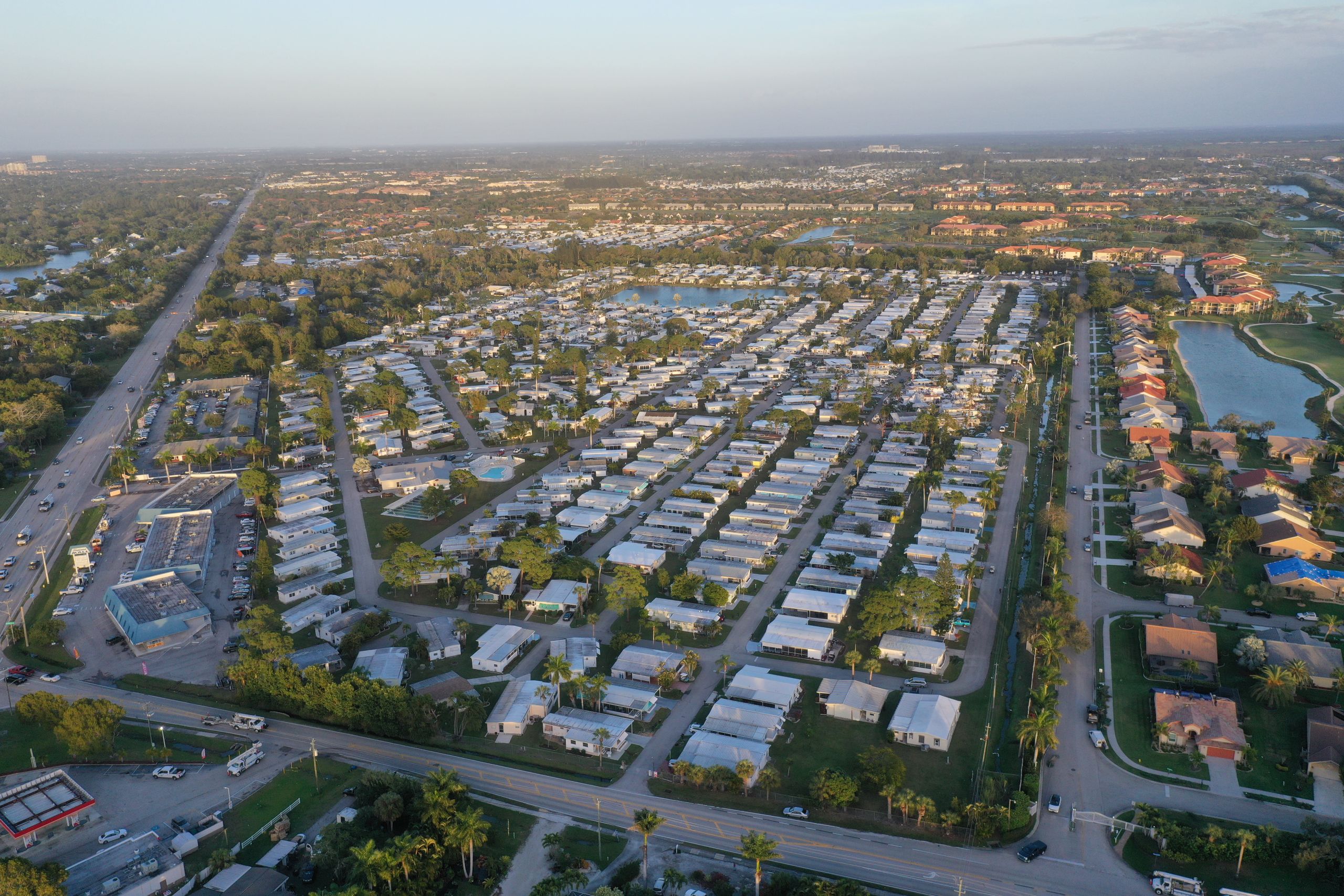
Some homeowners may think the renter crisis does not affect them. That is a mistake. When workers cannot afford to live near jobs, businesses struggle. When families are displaced, schools feel it. When seniors lose stability, health systems feel it. When more people fall into homelessness, public services feel it.
A rental crisis spreads into every part of daily life. Restaurants shorten hours because workers cannot commute. Hospitals struggle to retain staff. Teachers leave expensive districts. Families move farther from child care. Communities lose the people who made them feel like home.
Florida’s renter crisis is not just about tenants. It is about the future of the state. A place cannot run on tourism, service, health care, education, and construction while pricing out the people who do the work. Eventually, the pain reaches everyone.
Florida’s renter crisis is not a small problem hiding in a few expensive neighborhoods. It is a statewide warning about what happens when rent rises faster than wages, tenant protections stay weak, affordable housing disappears, and ordinary families are forced to compete with wealthier newcomers and cash-heavy buyers.
For renters, the fear is immediate. The next lease renewal could break the budget. The next missed paycheck could trigger an eviction. The next move could push a family farther from work, school, relatives, and stability. That is why this crisis feels so personal to Americans watching housing costs climb across the country.
Florida still has sunshine, beaches, jobs, and growth. But for too many renters, it no longer offers the one thing people need most: a stable place to live. Until the state treats affordable housing as a real emergency, more families will keep losing homes in a place that once promised them a better life.