New York City has always sold itself as the place where the world lives on one subway line. Queens alone can feel like a global map in motion, with Arabic, Urdu, Bengali, Spanish, Mandarin, Russian, and dozens of other languages moving through stores, schools, mosques, churches, restaurants, and apartment buildings.
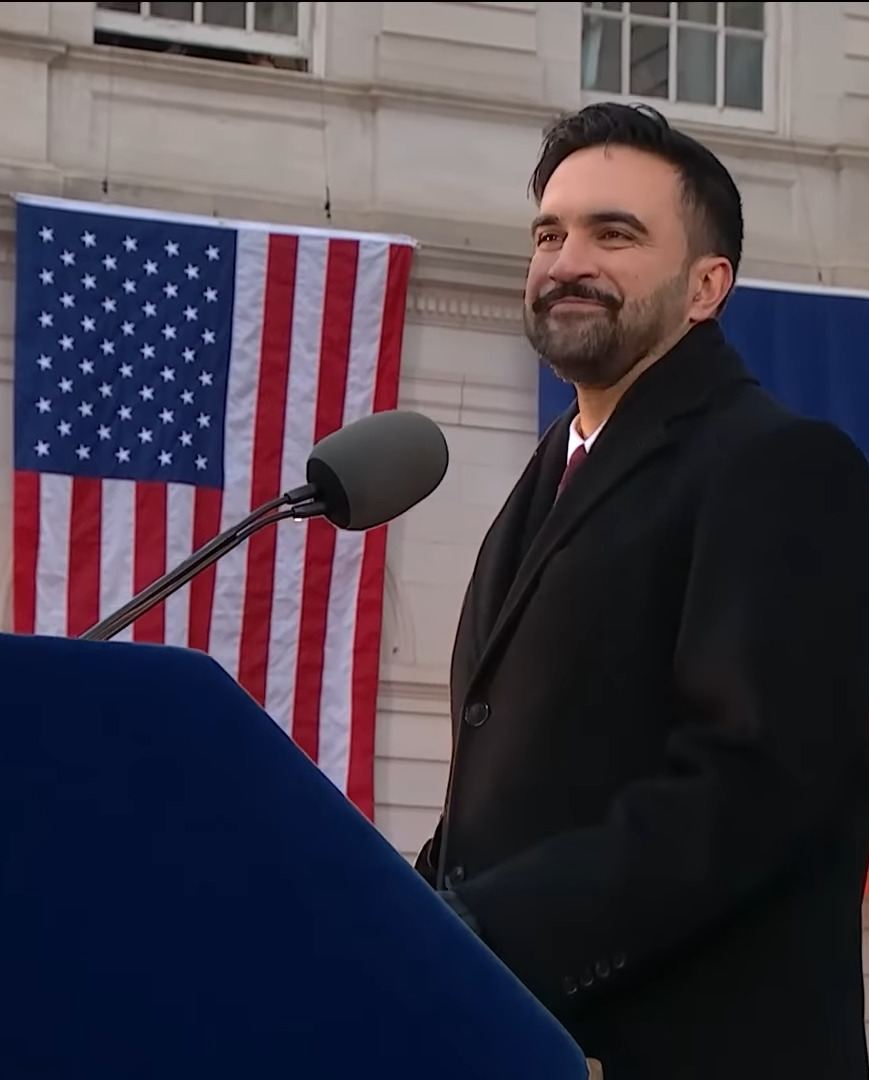
Now the city has another historic marker. Zohran Mamdani has become the city’s first Muslim mayor, putting Muslim identity even more visibly into New York’s civic life. But visibility does not erase misunderstanding.
Across New York, misconceptions about Islam and Arab Americans still show up in casual comments, schoolyard assumptions, workplace discomfort, online arguments, airport suspicion, and political debate. The city may be diverse, but diversity does not automatically mean everyone understands one another.
Muslim and Arab Mean the Same Thing
This is one of the most common mistakes in New York and across America. Islam is a religion. Arab identity is tied to language, culture, ancestry, and roots in Arabic-speaking countries.
Many Muslims are not Arab. New York’s Muslim communities include South Asian, Black American, African, Central Asian, Southeast Asian, Balkan, Arab, Latino, and white converts. A mosque in Queens or Brooklyn may bring together families from Pakistan, Egypt, Bangladesh, Senegal, Bosnia, Yemen, Guyana, and Harlem.
That diversity matters because one label cannot explain millions of people. Recent national Muslim demographic data show American Muslims are racially and ethnically varied, which makes the old shortcut even more misleading.
All Arabs Are Muslim
New York also exposes another false assumption: that all Arabs are Muslim. Arab Americans include Muslims, Christians, Druze, Jews, secular families, and people from other traditions.
In Brooklyn, Staten Island, Queens, and parts of New Jersey just across the river, Arab American life is religiously mixed and culturally rich. A Lebanese family, an Egyptian family, a Palestinian family, a Syrian family, and a Yemeni family may share linguistic roots yet have very different religious practices.
The picture of the Arab American population is more layered than the stereotype. Arab identity can include food, music, family history, migration stories, dialect, politics, faith, and culture. It is not one religion wearing one face.
Muslims Are New to America
Some people still treat Muslim New Yorkers as if they are recent arrivals who have not yet become part of the American story. That is historically wrong.
Muslims have been present in North America for centuries, including through enslaved Africans, immigrant communities, Black American religious movements, and generations of U.S.-born families. In New York, Muslim life has long been woven into the city’s labor force, schools, taxis, bodegas, hospitals, universities, and public institutions.
A Muslim New Yorker does not become less American because of a prayer routine, a name, a hijab, a beard, or a halal lunch order. The city’s story has always been shaped by people others once called outsiders.
New York Muslims Think Alike Politically
Mamdani’s election may make some people think Muslim New Yorkers now fit into one political box. That is another mistake.
Muslim New Yorkers do not vote, think, worship, work, or argue as one block. Some are progressive. Some are moderate. Some are conservative. Many disagree with one another on housing, policing, schools, foreign policy, taxes, business rules, and social issues.
Like every other group in New York, Muslim residents care about rent, groceries, subway safety, jobs, schools, health care, small-business survival, and neighborhood quality of life. A religious identity does not erase ordinary local concerns.
Arabic Is a Warning Sign
In a city built on immigrant languages, Arabic still gets treated by some as suspicious. That reaction is shaped more by fear than fact.
Arabic is spoken by Muslims, Christians, secular families, immigrants, refugees, students, shop owners, artists, and children talking to grandparents. In New York, it may be heard in a Bay Ridge bakery, an Astoria restaurant, a Bronx grocery store, a mosque, a church, a cab, or a family kitchen.
Language is not evidence of danger. It is memory, culture, prayer, humor, business, and home. A city that celebrates being global should not make one language carry the weight of suspicion.
Hijab Tells a Woman’s Whole Story
A Muslim woman wearing a hijab is often judged before she speaks. Some assume she is oppressed. Others assume they know her politics, personality, education, marriage, or independence.
That is too shallow for real life, especially in New York. Muslim women in hijab are doctors, lawyers, students, teachers, artists, organizers, mothers, athletes, entrepreneurs, and public servants. Some wear hijab as a religious commitment. Some connect it to identity, modesty, culture, or personal choice.
Other Muslim women do not cover their hair at all. The point is simple. No piece of clothing can explain an entire woman.
Mosques Are Separate From City Life
Some New Yorkers still view mosques as distant or unfamiliar spaces, even when they pass them every week. In reality, mosques often function like community centers.
They host prayers, funerals, charity drives, youth programs, food distribution, tutoring, marriage ceremonies, interfaith events, and support for families in crisis. They are part of the same local fabric as churches, synagogues, temples, libraries, and schools.
In neighborhoods across Queens, Brooklyn, the Bronx, Manhattan, and Staten Island, mosques are not hidden from civic life. They are part of it.
Islam Looks the Same Everywhere
Islam is practiced across many cultures, countries, languages, and family traditions. A Muslim family from Senegal may have different food, clothing, customs, and community habits from a Muslim family from Bangladesh, Egypt, Bosnia, Indonesia, or Brooklyn.
Religion and culture often overlap, but they are not identical. Some practices people call “Islamic” may actually be cultural traditions from a specific country, region, or family.
That distinction matters in New York because the city’s Muslim life is not one story. There are many stories that share some beliefs while carrying different histories.
Arab Americans Live Somewhere Else
Some people talk about Arab Americans as if they belong only to faraway foreign-policy debates. But Arab American life is deeply local in New York.
It lives in small businesses, restaurants, community groups, churches, mosques, groceries, schools, and family homes. It is visible in places such as Bay Ridge, Astoria, Brooklyn’s Atlantic Avenue corridor, Staten Island, and neighborhoods across the wider metro area.
Recent Middle Eastern North African population figures show why these communities deserve to be understood as part of America’s local reality, not just as a headline tied to overseas conflict.
Stereotypes Are Harmless
The most dangerous misconception is that stereotypes are only words. They are not. They can shape how people are treated in schools, workplaces, airports, rental offices, political campaigns, stores, and public spaces.
A lazy assumption can turn into bullying. A rumor can become harassment. A political talking point can make an entire neighborhood feel watched or unwanted.
Federal data on reported national hate crimes shows that bias tied to religion, race, ethnicity, and national origin remains part of America’s public-safety conversation. In a city as visible as New York, that reality should not be ignored.
What New York Should Understand Now
New York having a Muslim mayor is historic, but it does not magically end old assumptions. Representation matters, but understanding still has to be built in classrooms, offices, newsrooms, campaigns, train cars, block associations, and family conversations.
Islam is not an ethnicity. Arab identity is not a religion. Muslims are not one race. Arabs are not one faith. Muslim and Arab New Yorkers are not symbols, threats, or foreign-policy stand-ins. They are neighbors.
The real test for New York is not whether it can celebrate diversity in speeches. The test is whether it can recognize people clearly in daily life, beyond fear, beyond headlines, and beyond the misconceptions that keep turning fellow New Yorkers into strangers.