Summer seems to call for one thing above all: watermelon. Juicy, sweet, and hydrating, it’s a staple at barbecues, picnics, and backyard gatherings. But for shoppers, picking the perfect watermelon is surprisingly tricky. One wrong choice can leave you with a bland, watery melon that tastes nothing like the sweet, refreshing fruit you imagined. Buying watermelon is a gamble if you don’t know what to look for.
With the U.S. producing over 3.3 billion pounds of watermelon annually and sales peaking in June through August, the fruit dominates summer produce aisles. Yet, despite its popularity, experts say many consumers struggle to consistently choose the ripest, sweetest melons. From field spots to weight, a shopper’s attention to detail can determine whether a watermelon is a summer delight or a disappointing dud.
Field Spot Matters More Than You Think
The underside of a watermelon, where it rested on the ground, often tells the story of its ripeness. A creamy, deep yellow “field spot” usually signals that the melon has fully ripened under the sun. In contrast, a pale or white spot may indicate underdevelopment, leaving the flesh bland. Consumers who ignore this simple visual cue risk buying melons that lack sweetness and texture.

Agricultural studies indicate that sun exposure during growth increases sugar concentration in watermelon flesh. That means a well-ripened melon can have significantly higher Brix levels, the measure of sugar content, than one left unripe. By paying attention to the field spot, shoppers can make a more informed choice and improve their chances of selecting a sweet melon.
Uniform Shape Can Signal Sweetness
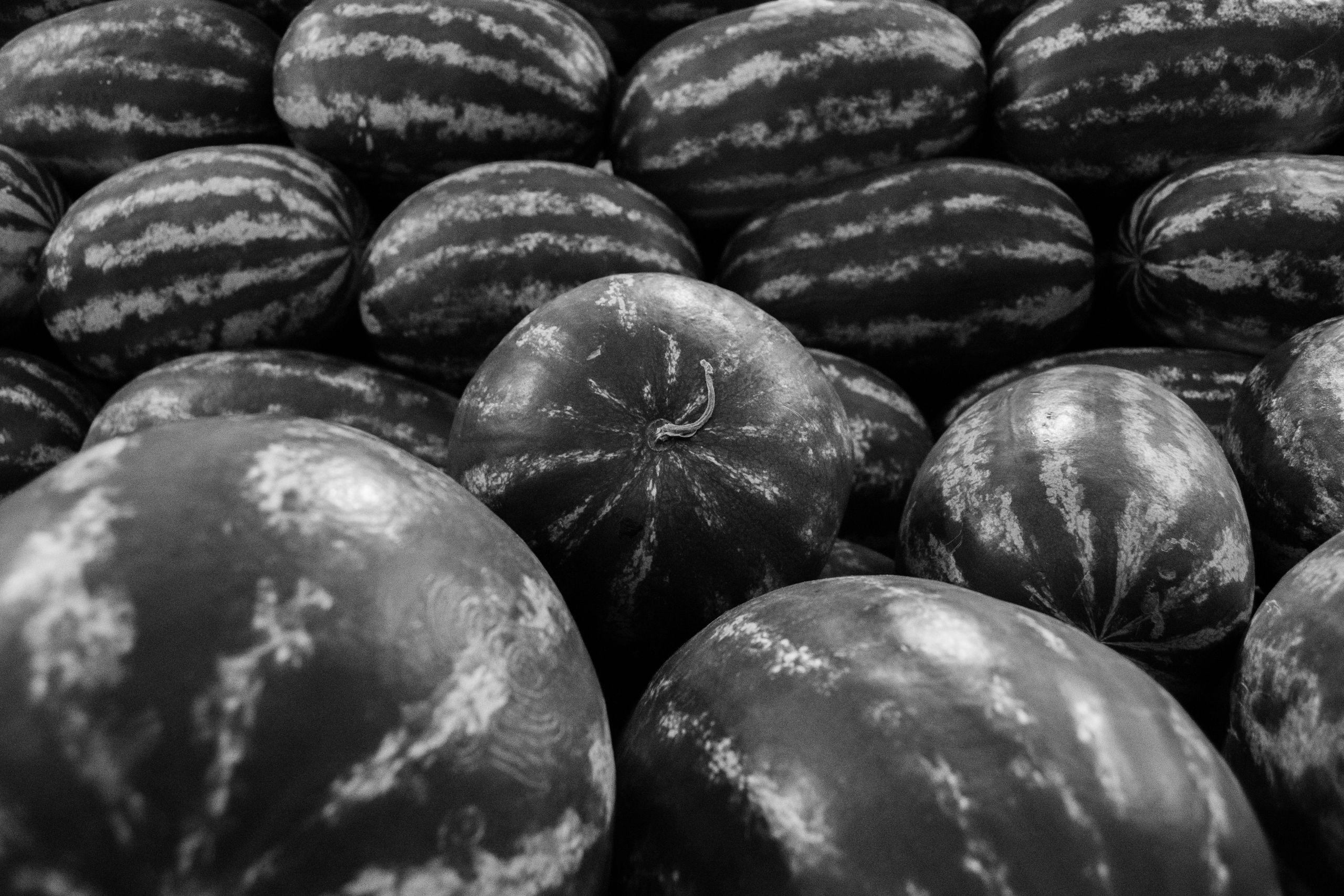
Watermelons grow in a variety of shapes, from perfectly round to elongated oblongs. Experts recommend choosing melons that are symmetrical and evenly shaped. Odd bumps or irregularities may reflect inconsistent growth and could affect the fruit’s texture, creating sections that are mushy or less flavorful. A uniform shape often corresponds with even ripening and a more satisfying eating experience.
The Tap Test Is Not a Myth
One classic method to judge a watermelon is to tap it lightly and listen. A ripe watermelon produces a deep, hollow sound, indicating that the flesh inside is dense and full of juice. A dull or flat sound can indicate that the melon is either under-ripe or overripe, while a strong resonance suggests sweetness and proper hydration. This tactile test has long been recommended by farmers and produce experts as a reliable selection tool.
Weight Correlates With Juice Content
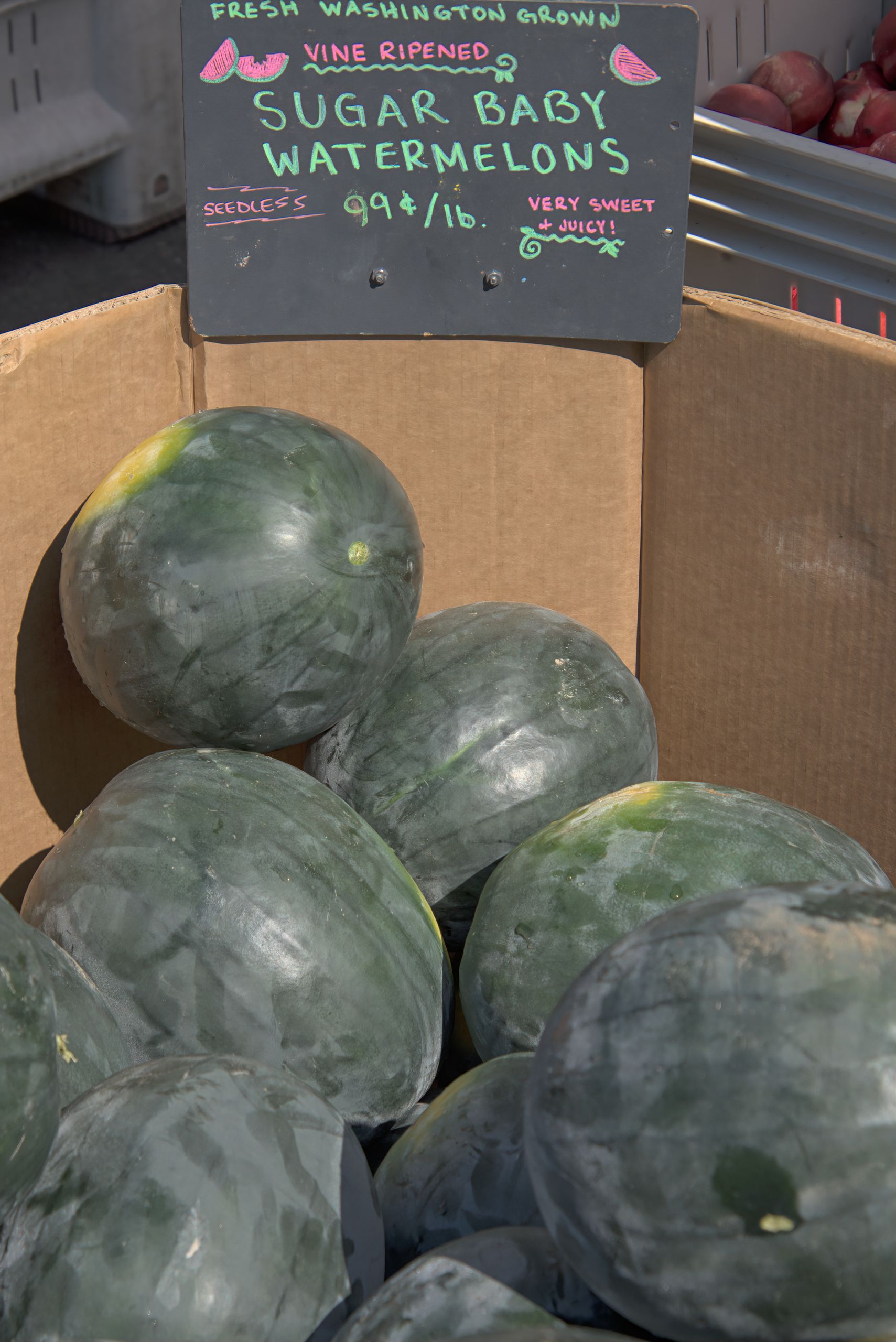
Another critical factor is weight. Since watermelon is mostly water, a heavier melon generally contains more juice. Comparing similarly sized melons in the store can help shoppers pick the densest, most hydrating option. Data from agricultural extension services suggest that the water content of a ripe watermelon can exceed 90 percent, making density a key predictor of eating quality.
Rind Color Can Be Misleading
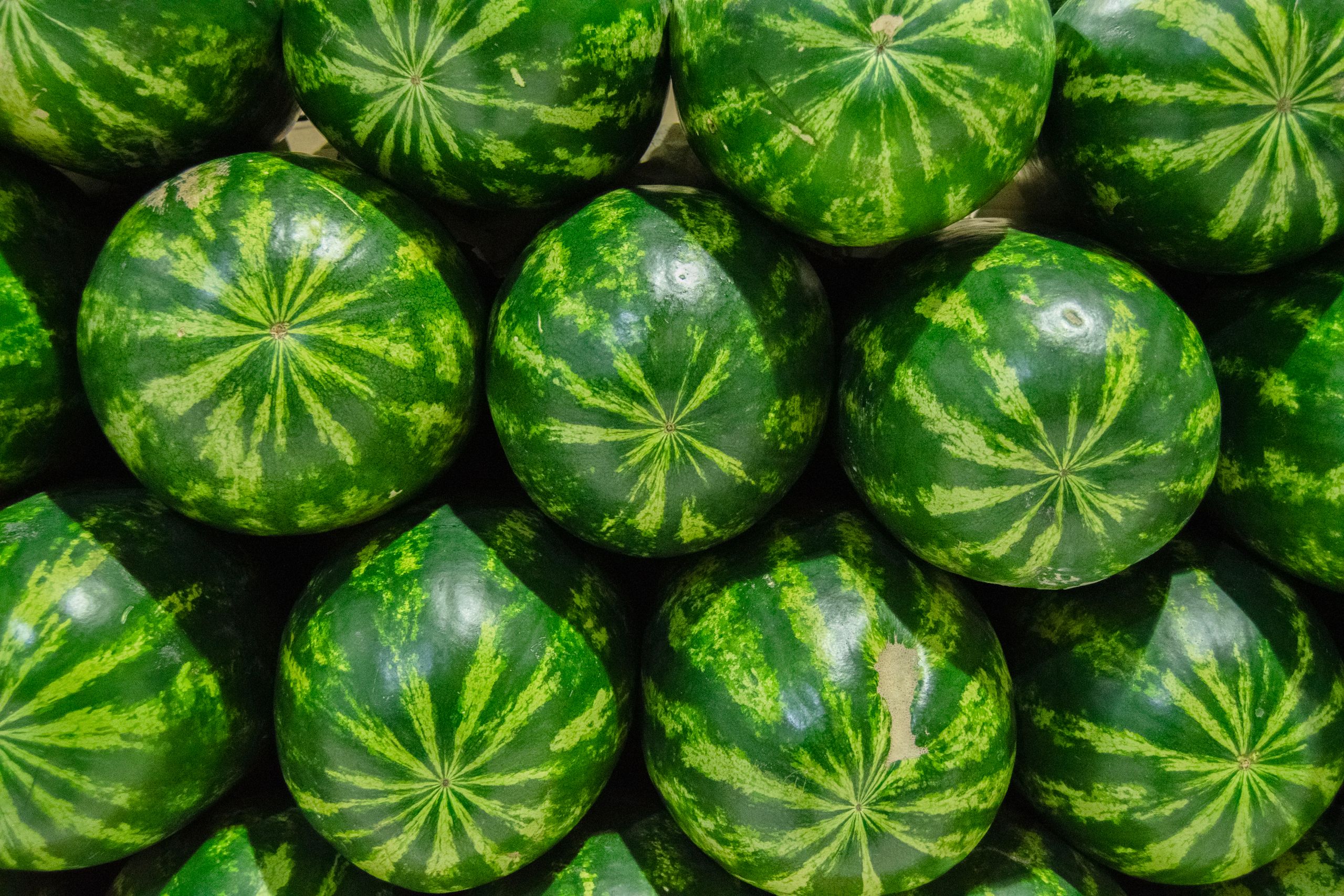
While a shiny rind might look appealing, some experts say a slightly dull finish can indicate optimal ripeness. Shiny watermelons may still be underripe. Additionally, shoppers should check for firmness and avoid melons with cracks, soft spots, or blemishes, all of which can signal spoilage or over-ripeness. A firm, slightly textured rind often indicates freshness and consistent interior quality.
Seeded vs. Seedless: Taste and Convenience
Seedless watermelons are extremely popular in U.S. grocery stores for convenience, especially for children. However, many professional tasters claim that traditional seeded watermelons sometimes provide slightly higher sugar content and more robust flavor. Consumers must weigh convenience against taste preference. Regardless of type, selecting a ripe fruit requires attention to color, weight, and sound cues.
Storage Impacts Sweetness
Even after careful selection, improper storage can undermine watermelon quality. Whole melons can sit at room temperature, but once cut, refrigeration is essential to preserve flavor, sweetness, and safety. Covering cut surfaces and keeping them cold helps prevent bacterial growth and maintain a crisp, juicy texture for longer.
Beware of Seasonal Pricing and Quality Gaps
Watermelon quality can fluctuate depending on the season, region, and import source. While summer is the peak U.S. harvest season, early- or late-season melons may come from distant locations or be harvested early to survive transport, which can affect their sweetness. Consumers are encouraged to check origins and seasonality, as melons shipped long distances may not achieve the same flavor as locally grown options.
The Hidden Risk of Overripe Fruit
Buying watermelon late in the season or selecting overly large fruit can backfire. Overripe watermelons often have watery flesh, lower sugar concentration, and a mealy texture. Large melons may appear impressive, but sugar distribution may be inconsistent. A balance of size, weight, and field spot is crucial to avoid disappointment.
Final Thought
Watermelon is deceptively simple but can be a frustrating gamble for shoppers. By paying attention to field spots, shape, weight, rind, and ripeness cues, consumers can dramatically improve their chances of picking a sweet, juicy fruit. Choosing carefully, storing properly, and respecting seasonal variations ensures every bite is refreshing, satisfying, and worth the investment. Summer enjoyment depends not just on picking a watermelon, but picking it right.