BALTIMORE, Maryland — A deadly soft cheese recall is now turning into a refrigerator check for families across several states.
Federal health officials are warning consumers not to eat, sell, or serve recalled requesón and soft ricotta-style cheese linked to a Listeria outbreak. The recalled products are tied to Clover Hill Dairy in Mechanicsville, Maryland, and the warning now matters for shoppers in Maryland, New York, Virginia, New Jersey, North Carolina, and Washington, D.C.
The latest public health update lists 9 illnesses, 8 hospitalizations, and 1 death connected to the outbreak. Cases have been reported in Maryland, New York, and Virginia, while recalled products were distributed more broadly across the region.
For many households, the unsettling part is simple: the cheese may already be sitting in the refrigerator, and the label may not make the danger obvious.
The Recalled Cheese May Not Be Easy to Spot
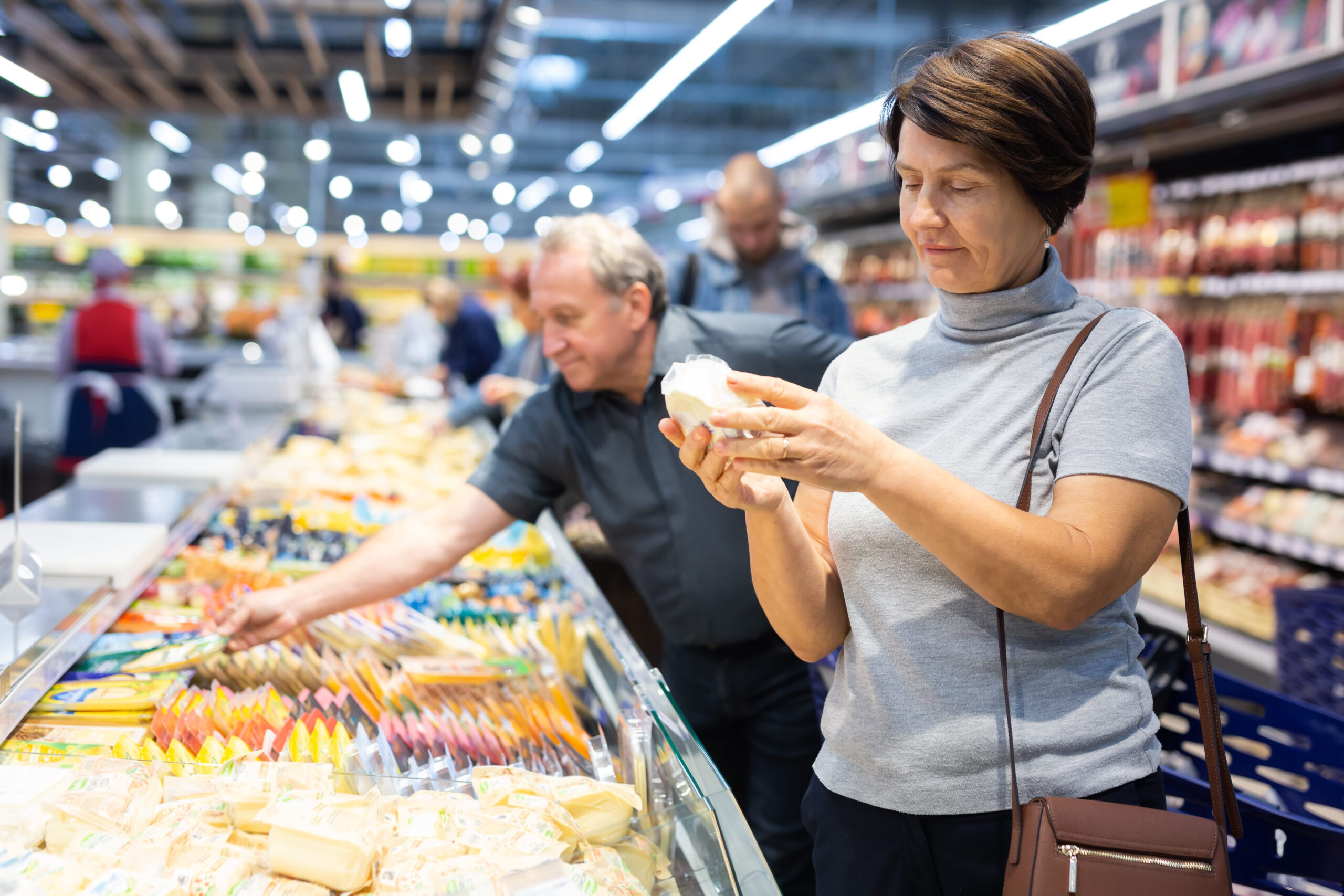
The product at the center of the warning is requesón, a soft cheese similar to ricotta. It was sold in smaller clamshell containers and in larger bulk buckets that could later be repacked, relabeled, or sold under different names.
That detail makes this recall more frustrating for shoppers.
A family may not remember buying anything from Clover Hill Dairy. A customer may have bought soft cheese from a small market, deli counter, farmers’ market, or local shop without realizing where it came from. A restaurant or caterer may have received the product in bulk and used it before the warning spread.
The affected products may include packages connected to names such as Kesso, Quesos La Ricura, Izalco, De Mi Pueblo, and Rio Lindo. Shoppers should look for the manufacturer permit or plant number 24-128 on the package.
If the cheese is requesón, soft ricotta-style cheese, or a repacked soft cheese, and the source is unclear, the safest move is not to taste it. Throw it away or return it to the store.
Why This Recall Feels More Serious Than a Normal Grocery Alert
Many food recalls sound like minor warnings until someone gets sick. This one already includes hospitalizations and a death. That changes the urgency.
The current soft cheese warning says consumers, restaurants, and retailers should not eat, sell, or serve the recalled products while the investigation continues.
Listeria is especially concerning because it can survive in cold temperatures. That means a refrigerator does not automatically stop the problem. The bacteria can also spread to shelves, drawers, containers, knives, cutting boards, and nearby foods.
In plain language, throwing away the cheese may not be enough if it touched other items.
Families who find recalled or questionable cheese should clean and sanitize the area where it was stored. That includes refrigerator shelves, drawers, reusable containers, and any surfaces the cheese may have touched.
Who Faces the Highest Risk
Listeria can make anyone sick, but some people face much greater danger.
Pregnant women, newborns, adults 65 and older, and people with weakened immune systems are at higher risk for severe illness. For pregnant women, Listeria infection can lead to miscarriage, stillbirth, premature delivery, or serious illness in a newborn.
Symptoms may include fever, muscle aches, nausea, vomiting, diarrhea, tiredness, headache, stiff neck, confusion, loss of balance, or convulsions.
The timing can also make the outbreak harder to track. A current CDC alert says symptoms can begin the same day or as late as 10 weeks after eating contaminated food.
That delay matters. Someone who becomes sick later may not immediately connect the illness to cheese purchased weeks earlier.
What Shoppers Should Check Right Now
The first step is direct: open the refrigerator and freezer.
Look for requesón, soft ricotta-style cheese, queso fresco-style cheese, or any fresh soft cheese bought recently from small markets, farmers’ markets, Latin grocery stores, deli counters, specialty shops, or local retailers.
Check the label for the plant number 24-128. Also, look for any packaging tied to Clover Hill Dairy or the repackaged brand names listed in public health warnings.
Do not rely on smell or taste. Contaminated food can look normal. If the package is gone, the cheese was frozen, or the source is unclear, do not take the risk. Throw it away.
Then clean the refrigerator space where it was stored. Listeria can survive in the cold, and a small container of cheese can contaminate the surfaces around it.
Restaurants and Small Markets Should Pay Attention Too
This recall is not only a household problem. Restaurants, food trucks, caterers, small markets, delis, and corner stores should review invoices and supplier records, especially if they handled soft cheese in bulk.
Some recalled products were sold in large containers before being repacked. That means the cheese may have been used in prepared foods, placed into smaller containers, or sold under another label before customers saw it.
The Maryland health advisory warned consumers not to eat the affected products and noted that Clover Hill Dairy’s operating license was suspended due to the public health risk.
Businesses should not serve or sell recalled products. They should also clean any equipment, counters, storage spaces, utensils, and containers that may have come in contact with the cheese.
For customers, the best move is to ask questions. If a local store sold fresh soft cheese and the label is unclear, call the store before eating it.
Why Local Families Should Care
This recall matters locally because it is not limited to a single grocery shelf in a single city. The cheese was connected to a Maryland dairy but moved through regional distribution. Products reached or may have reached shoppers in Maryland, New York, Virginia, New Jersey, North Carolina, and D.C.
That means a shopper in Baltimore, Brooklyn, Richmond, Newark, Raleigh, or Washington could all be asking the same question tonight: Is this cheese safe?
The concern is especially strong for families who buy fresh cheeses from local markets, specialty stores, or deli counters. Those foods can be part of ordinary meals, weekend gatherings, school lunches, restaurant dishes, or family celebrations.
That is what makes the recall feel so personal. This is not a strange product that most people would never buy. It is the kind of food that can sit quietly in the fridge until someone spreads it, mixes it, cooks with it, or serves it to a guest.
The Frustrating Part for Shoppers
Food recalls often put the hardest job on the people who find out last. Families buy groceries in good faith. They trust labels. They trust stores. They trust that a product sold in a market has passed through the checks needed to keep people safe.
Then a recall warning arrives, and shoppers are left to do the detective work at home. Check the fridge. Search the label. Look for a plant number. Throw away food. Clean shelves. Watch for symptoms. Hope no one has already eaten enough to get sick.
That is why this recall is more than an inconvenience. It is wasted money, stress, and a public health scare that families did not ask for. The repackaging issue makes it worse. If shoppers cannot easily recognize the product, the warning becomes harder to act on.
A recall only works when people can identify what they are supposed to avoid.
What Happens Next
The investigation remains active, and more information could still be released. Shoppers in the affected areas should watch for updates from health agencies, grocery stores, restaurants, and local markets. Anyone who bought fresh soft cheese and is unsure about the source should avoid eating it.
People who feel sick after eating recalled or questionable cheese should contact a health care provider, especially if they are pregnant, older than 65, or have a weakened immune system. For everyone else, the safest action is simple and immediate.
Check the fridge. Check the freezer. Check the label. If there is doubt, throw it out. Because if a small container of soft cheese can send people to the hospital, isn’t it worth checking before the next meal?