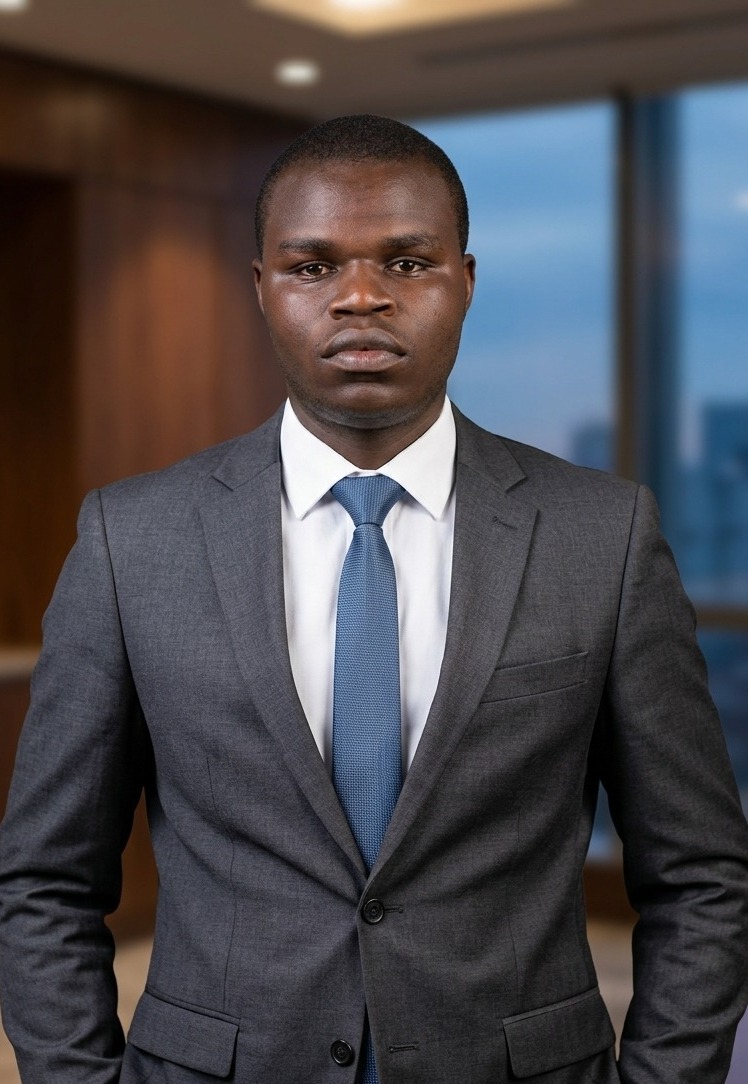
Florida’s abortion fight just found a new flashpoint. A Republican candidate running for governor says he would try to shut down every remaining abortion clinic in the state if voters put him in charge.
According to Fox News Digital, Florida GOP gubernatorial candidate James Fishback said he would close the 53 abortion clinics he says remain in Florida and replace them with crisis pregnancy centers.
The pledge is already the kind of statement that can split a room in seconds. Supporters may see it as a bold pro-life promise. Critics may see it as a direct threat to what remains of abortion access in one of the country’s largest states.
A hard-line promise in a state already under a six-week ban

Fishback’s comments land in a Florida political landscape that has already changed dramatically since Roe v. Wade was overturned.
Florida currently has a six-week abortion ban in place, with exceptions under state law. That means many patients have a narrow window to seek abortion care, and opponents of the law have argued that many people do not even know they are pregnant that early.
That is what makes Fishback’s pledge more explosive. He is not simply defending the current law. He is saying he wants to go further.
He says clinics would be replaced, not just closed.
According to the Fox News report, Fishback said he would shut down the state’s remaining abortion clinics and replace each one with a crisis pregnancy center.
He described those centers as places that would offer support, including ultrasounds, baby food, diapers, counseling, and prenatal and postpartum care.
That framing is important. Fishback is trying to present the proposal not only as an anti-abortion move but as a support plan for pregnant women. Still, the political fight will likely center on what happens to women who want abortion care, not only what services are offered instead.
The plan raises immediate power questions.
A campaign promise is not the same as a legal order. Even if Fishback won the governor’s race, shutting down clinics would likely involve laws, licensing authority, agency action, court fights, and political resistance. Governors have power, but they do not simply wave away legally operating medical facilities without a process.
That is where the pledge becomes more than a slogan. It raises serious questions about how far a governor could go, what legal tools would be used, and whether courts would allow such a sweeping move.
Abortion access is already shrinking in Florida.
Florida’s six-week ban took effect in 2024 after a series of legal and political battles. CBS News reported that the law banning most abortions after six weeks included certain exceptions and followed a state Supreme Court decision involving earlier abortion restrictions.
The current Florida abortion law already made the state a far harder place to access abortion care than it had been just a few years earlier.
For abortion-rights supporters, Fishback’s promise sounds like the next step in a larger effort to eliminate access altogether. For anti-abortion voters, that may be exactly the point.
The clinic number was included in the message.
Fishback’s use of the number 53 gives the pledge a sharper political edge. It turns a broad anti-abortion position into a concrete target.
That number also gives supporters and critics something easy to repeat. It makes the proposal sound direct, visual, and immediate: every clinic gone, every location replaced.
But numbers can also simplify a complicated issue. Clinics may offer different services, face different rules, and serve different communities. Closing them would affect more than politics. It would affect patients, staff, nearby medical networks, and people traveling from other states.
Crisis pregnancy centers are part of a larger national debate.
Crisis pregnancy centers are often promoted by anti-abortion advocates as places where pregnant women can receive practical help. Supporters say they provide emotional support, material assistance, pregnancy testing, ultrasounds, and referrals.
Critics argue that some centers can blur the line between counseling and persuasion, especially when women are looking for abortion information. That debate is not unique to Florida. It is part of a national fight over what counts as care, what counts as pressure, and who gets to define support.
That is why Fishback’s replacement idea is likely to be praised by one side and attacked by the other.
Florida voters have already wrestled with the issue.
In 2024, Florida voters considered a constitutional amendment that would have expanded abortion protections, but it did not reach the 60% threshold required for passage.
That result left the state’s six-week ban in place and showed how complicated abortion politics can be in Florida. A majority can support a measure and still fail to change the constitution because the state requires a supermajority.
The failed abortion rights amendment remains part of the backdrop for the 2026 governor’s race. Candidates now know abortion can energize voters on both sides.
The governor’s race could become a test of abortion politics.
Fishback’s statement may help him with voters who want the strongest possible anti-abortion position from a Republican candidate.
It may also give opponents a clear target. Democrats and abortion-rights groups could use the pledge to argue that the GOP primary is moving toward more aggressive restrictions, even after Florida’s current ban already reshaped access.
That is the political risk. A hard-line promise can thrill a base, but it can also alarm swing voters, suburban women, younger voters, and independents who may feel differently about the government’s role in pregnancy decisions.
The wording itself is designed to provoke.
Fishback’s pledge is not cautious. It is not wrapped in soft language. It is designed to sound final.
That matters in modern politics. Candidates do not only compete over policy. They compete for attention. A bold promise to shut down every abortion clinic can dominate headlines faster than a detailed health-care platform.
The question is whether voters will treat the statement as courage, cruelty, campaign theater, or a serious governing plan.
The bigger fight is about who controls the future of abortion in Florida.
This story is not just about one candidate’s statement.
It is about a state where abortion access has already narrowed, where voters recently fought over a constitutional amendment, and where the next governor could shape enforcement, agency priorities, judicial appointments, and the tone of the entire debate.
Fishback says he wants to replace abortion clinics with pregnancy centers. Supporters may call that protection. Critics may call it control.
Either way, the promise makes one thing clear: Florida’s abortion battle is not fading. It is becoming a central test of how far the next generation of Republican candidates wants to go.