For most Americans, aging does not become frightening because of a birthday candle, a gray hair, or another line in the mirror. It becomes frightening when the small freedoms start slipping away. Reading a prescription bottle gets harder. Night driving feels risky. Faces blur across a room. Suddenly, aging is not cosmetic. It is personal.
That is why a new experimental treatment from Boston-based Life Biosciences is drawing attention far beyond the biotech world. The company has dosed its first human participant with ER-100, an investigational therapy designed to target age-related damage in the optic nerve. The goal is not simply to slow vision loss, but to explore whether damaged eye cells can be pushed toward a more youthful, functional state.
This is not a proven cure. It is not a miracle shot. It is an early human trial, and the first job of the trial is to determine whether the treatment is safe enough to continue studying. Still, the idea behind it is bold enough to make many Americans stop scrolling: what if some age-related damage in the body is not as permanent as we once believed?
Why this story hits close to home
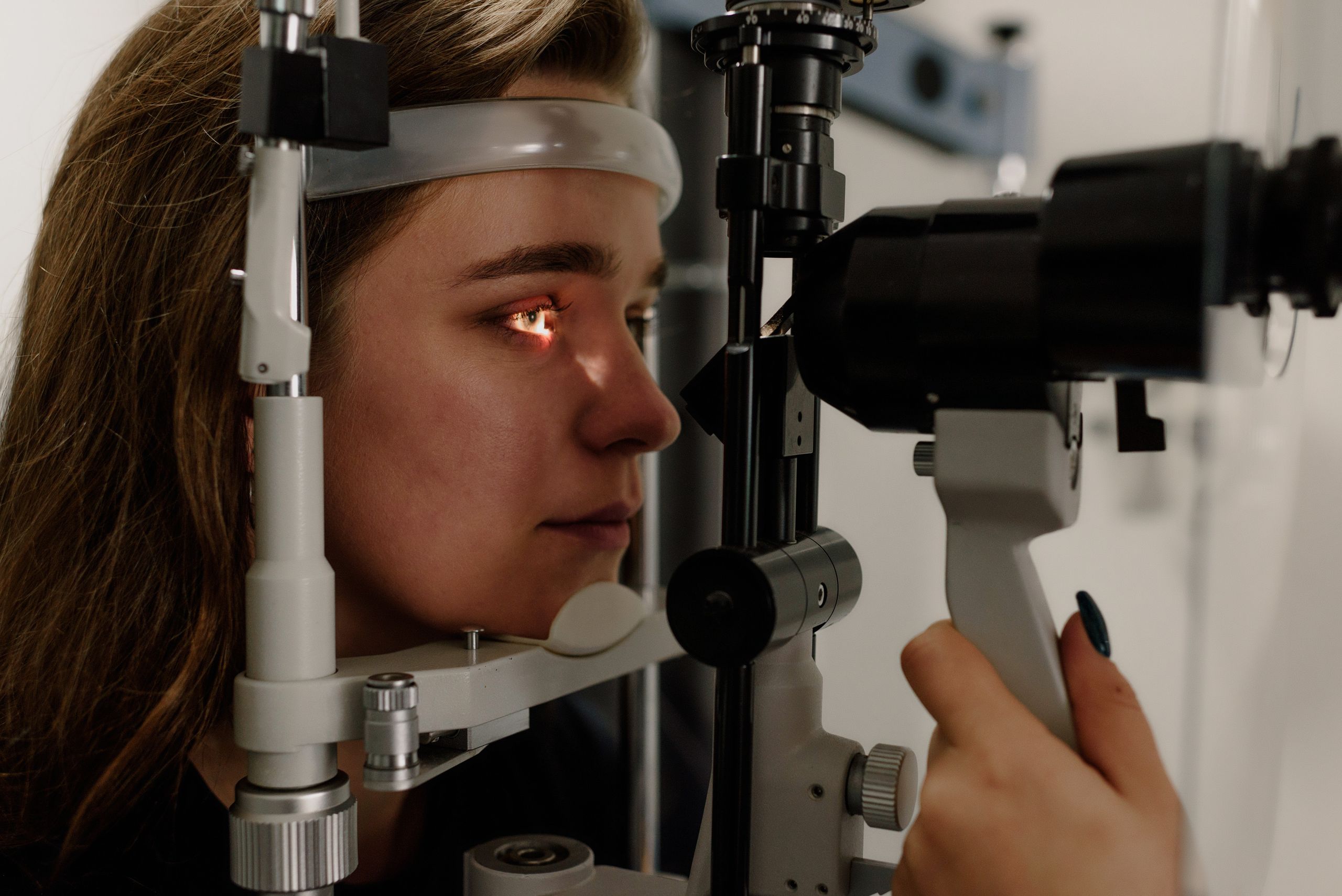
Vision loss is one of the quietest fears of getting older. It does not arrive with sirens. It creeps into daily life through missed street signs, blurry menus, dim hallways, and the growing need to ask someone else for help. For older Americans, that loss can mean more than inconvenience. It can threaten independence.
Glaucoma is especially unsettling because many people do not know they have it until damage has already happened. The disease harms the optic nerve, the cable that carries visual information from the eye to the brain. Once that nerve is damaged, today’s standard treatments usually focus on slowing the disease rather than restoring lost vision.
That is what makes ER-100 so interesting. Instead of only managing pressure in the eye or trying to prevent further decline, the treatment is being studied for its ability to restore function in retinal ganglion cells. These are key nerve cells that help the eye communicate with the brain. When they fail, vision can fade in ways that current medicine often cannot reverse.
The science sounds like fiction, but it is real research.
ER-100 is part of a field known as epigenetic reprogramming. The simple way to understand it is this: your DNA is like a book of instructions, but your cells also carry chemical marks that tell them which instructions to read and which ones to ignore. Over time, age, injury, and disease may scramble those signals.
Life Biosciences is trying to reset some of that cellular instruction system without changing the underlying DNA. ER-100 uses three transcription factors: OCT4, SOX2, and KLF4. These factors are linked to cellular reprogramming, a field that has fascinated scientists because it raises a dangerous but thrilling possibility: old or damaged cells may be able to act younger again.
The keyword is controlled. Full reprogramming can carry serious risks because cells pushed too far back can behave unpredictably. The hope behind partial reprogramming is to restore healthier function without turning cells into something they should not become. That balance is exactly why the first human trial matters so much.
The eye is the first battlefield.

The first target is not the whole body. It is the eye, and that choice makes sense. The eye is easier to monitor than many organs, and doctors can measure changes in vision with detailed tests. It also contains nerve cells that are central to some of the most devastating forms of sight loss.
The trial focuses on open-angle glaucoma and non-arteritic anterior ischemic optic neuropathy (NAION). Glaucoma is a chronic disease that can slowly rob people of sight. NAION is often sudden and painless, sometimes described as a stroke of the optic nerve. Both can leave patients with damage that feels final.
For patients, the emotional weight is enormous. A person can follow medical advice, use eye drops, see specialists, and still lose vision. That is the painful gap this research is trying to address. It is not just asking whether doctors can slow down damage. It asks whether some damaged cells can be sufficiently revived to make a difference.
Why Americans should stay hopeful but skeptical
This is where the story needs a clear warning label. A first human dose is a milestone, not a medical victory lap. Phase 1 trials are built to answer basic safety questions. Can patients tolerate the treatment? What side effects appear? Does the therapy act in the body as researchers expect?
That means nobody should read this as proof that blindness can now be reversed. Animal results can be exciting and still fail in humans. A treatment can look powerful in a lab and complicated in real patients. The history of medicine is full of promising ideas that needed years of testing before anyone knew whether they truly worked.
Still, skepticism should not erase the significance. The fact that this kind of cellular rejuvenation approach has moved into human testing marks a turning point for longevity science. For years, the anti-aging conversation has been crowded with supplements, expensive clinics, celebrity routines, and vague promises. This is different because it is entering the clinical trial system, where claims must be supported by data.
This is not about living forever.
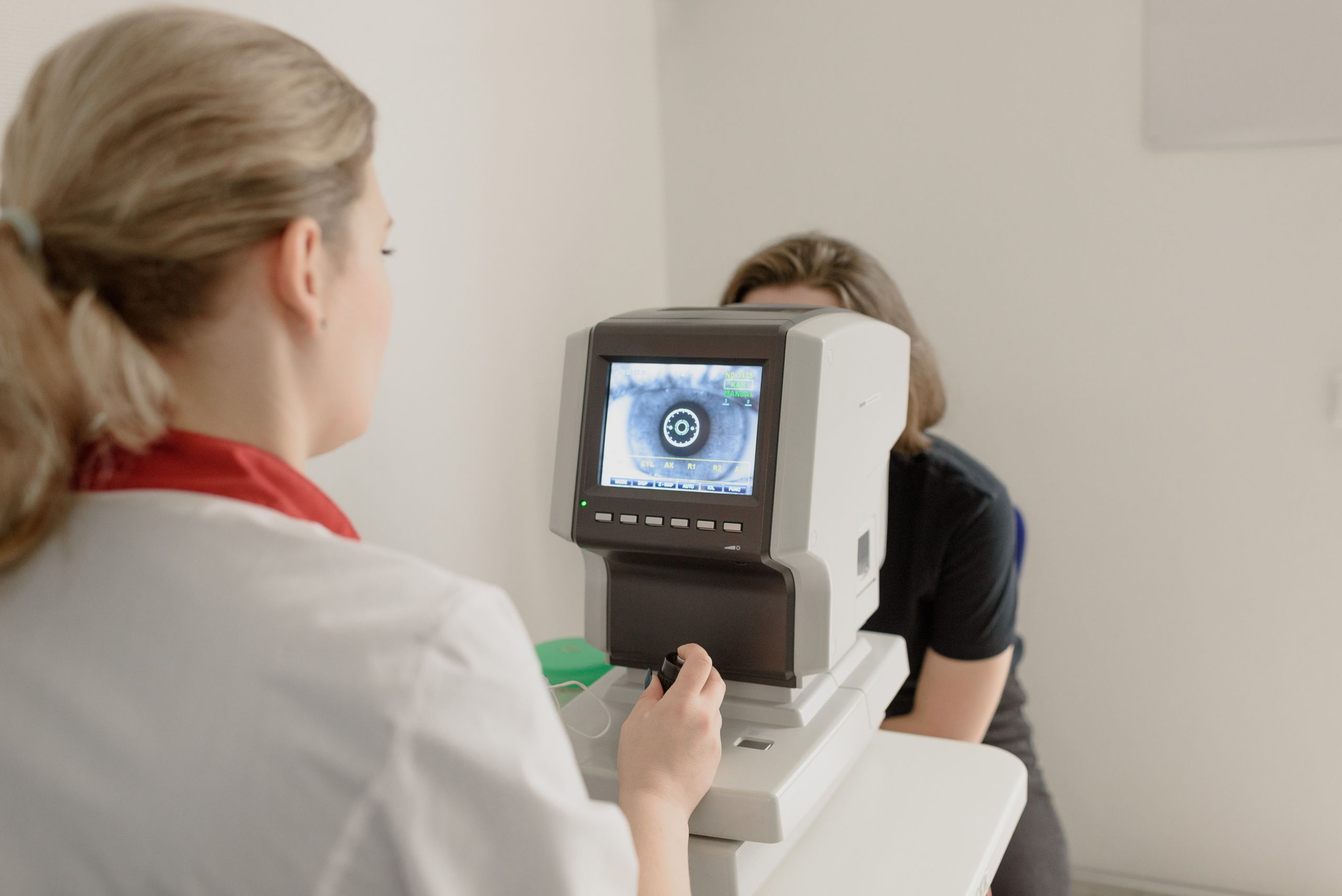
The most compelling part of the ER-100 story is not the fantasy of immortality. Most Americans are not asking science to make them 25 forever. They are asking for more years to drive safely, read clearly, avoid falls, stay socially connected, and live without losing the basic tools of independence.
That is why vision is such a powerful starting point. Sight affects almost everything people do. It shapes work, movement, relationships, confidence, and safety. When vision fades, the world can shrink fast. A treatment that could restore even part of lost function would not just be a medical achievement. It could change how older adults experience daily life.
This also makes the story bigger than one startup. If epigenetic restoration can be tested safely in the eye, researchers will want to know where else it might work. Life Biosciences has already pointed to broader age-related diseases as part of its long-term vision. That does not mean those uses are proven. It means the first eye trial may become a stress test for an entire theory of aging.
The money, the hype, and the uncomfortable question
Longevity science has become one of the flashiest corners of biotechnology. It attracts investors, billionaires, bold founders, and big claims. That makes every breakthrough both exciting and suspicious. Americans have heard too many anti-aging promises that turned out to be expensive hope in a shiny bottle.
ER-100 will have to survive that skepticism. The public will want to know whether it is safe. Doctors will want meaningful evidence. Patients will want results that matter outside a press release. Regulators will want careful data. And families dealing with vision loss will want honesty, not hype dressed as science.
The uncomfortable question is simple: are we looking at the start of a real new class of medicine, or another overpraised longevity story moving faster than the evidence? Right now, the only honest answer is that the trial has begun, and the proof has not arrived yet.
Conclusion
The next stage is careful monitoring. Researchers will monitor for side effects, immune responses, eye changes, and possible signs of improved visual function. Because this is an early trial, even small safety signals will matter. So will the absence of major problems.
For patients and families, the best response is cautious attention. This is not a treatment people can assume will be available soon. It is not a replacement for regular eye exams, glaucoma care, prescribed medications, or medical advice. Anyone worried about vision loss should still act early, because today’s proven tools work best before serious damage occurs.
But this first human dose still matters. It moves the anti-aging conversation from lifestyle branding into a much harder arena: human disease, clinical testing, and measurable results. If ER-100 fails, scientists will learn from it. If it shows safety and real signals of benefit, it could open one of the most important medical debates of the next decade.
For now, one experimental eye treatment has placed a massive idea under the microscope: maybe aging is not just something we endure. Maybe, in some cells and under the right conditions, it is something medicine can begin to challenge.