Every generation thinks it will recognize evil before it gets too strong. Then history reminds us how often cruelty arrives with speeches, flags, uniforms, promises, fear, and people willing to look away.
Most people are busy trying to survive ordinary pressure. They worry about rent, work, family, safety, and the future. That is exactly why powerful men can become so dangerous when they learn how to turn public fear into obedience.
The men on this list did not all rule the same way. Some used armies. Some used the secret police. Some used ideology, religion, race, nationalism, or terror networks.
What connects them is not just violence. It is the scale of suffering they caused, and the chilling reminder that history’s worst men often convinced others to help them do it.
Adolf Hitler
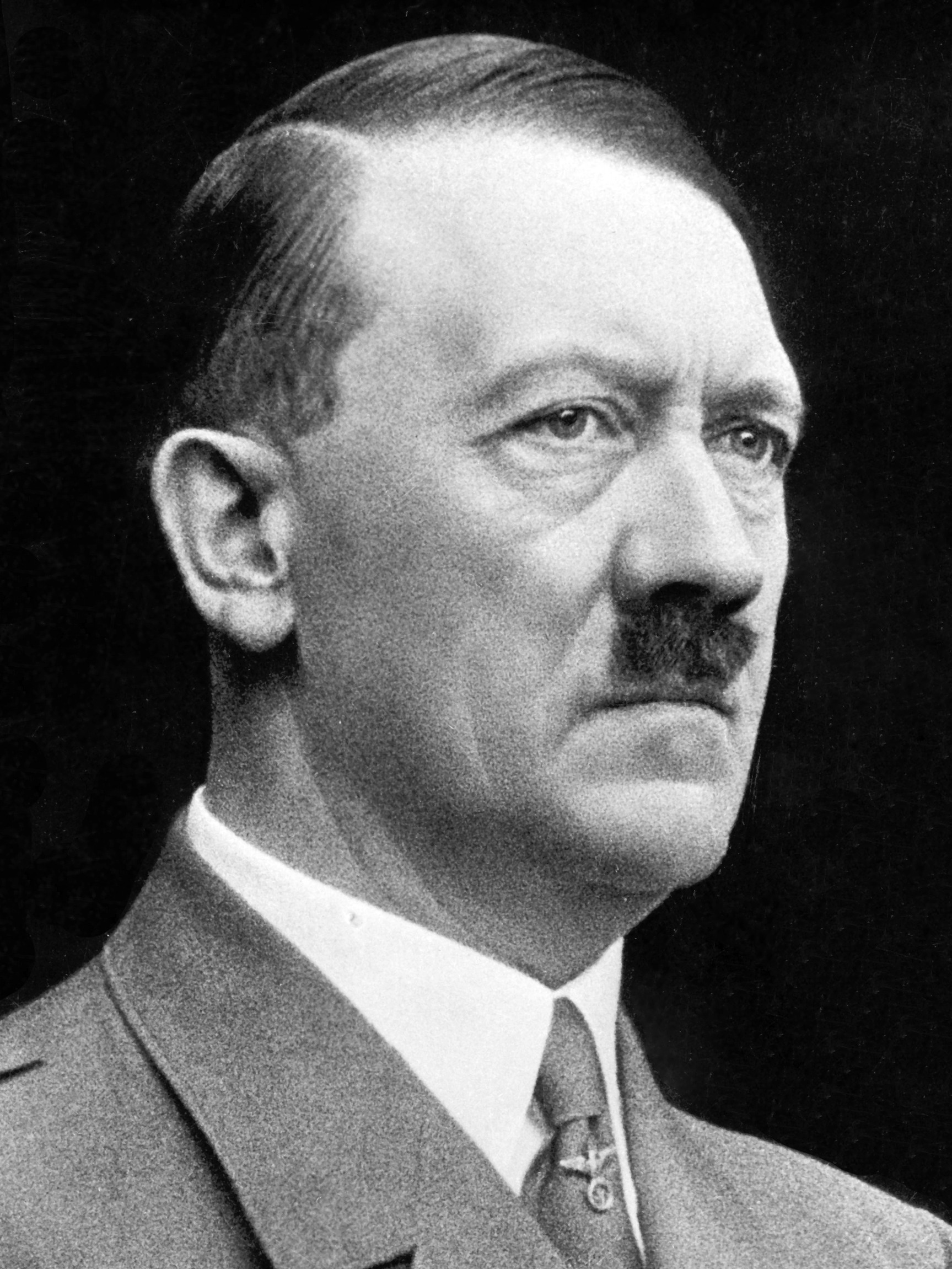
Adolf Hitler remains one of history’s darkest names because he transformed racist ideology into government machinery. Under Nazi rule, persecution became law, propaganda became daily life, and murder became an organized state project.
The Holocaust led to the murder of six million Jews, along with the persecution and killing of many other groups targeted by the Nazi regime. Hitler’s evil did not come only from rage. It came from making ordinary institutions serve extraordinary cruelty.
Joseph Stalin
Joseph Stalin ruled the Soviet Union through suspicion, purges, forced labor, executions, deportations, and loyalty tests that could destroy a family overnight. People learned to guard their words, fear their neighbors, and treat silence as a matter of survival.
His terror was especially frightening because it could feel bureaucratic. A signature, accusation, quota, or midnight knock could decide a person’s fate. Stalin showed how a state can turn fear into a climate, not just a punishment.
Mao Zedong
Mao Zedong reshaped China through revolution and mass political campaigns that demanded obedience at a scale few leaders have ever commanded. His rule brought enormous historical change, but it also caused catastrophic suffering.
The Great Leap Forward became one of the most devastating policy disasters of the twentieth century. Mao’s danger came from treating society like clay and people like tools, as if human cost mattered less than ideological victory.
Pol Pot
Pol Pot’s Khmer Rouge regime turned Cambodia into a nightmare of forced labor, empty cities, starvation, executions, and fear. His movement targeted intellectuals, professionals, religious figures, ethnic minorities, and anyone viewed as a threat to its brutal vision.
What makes Pol Pot so terrifying is the simplicity of his fantasy. He wanted to rebuild society by destroying the people who made society work. Families were broken, memories were attacked, and Cambodia was left with wounds that still echo through generations.
King Leopold II

King Leopold II did not look like the usual image of a battlefield tyrant. He wore royal respectability while overseeing a colonial system in the Congo Free State that became infamous for forced labor, violence, and exploitation.
His regime used a forced labor system that turned Congolese lives into tools for wealth. Leopold’s legacy is especially disturbing because it proves evil does not always shout. Sometimes it signs contracts, poses for portraits, and calls itself civilization.
Heinrich Himmler
Heinrich Himmler was one of Nazi Germany’s most chilling figures because he helped organize the systems that carried out repression, concentration camp control, and genocide. He was not just a follower of Hitler’s hatred. He became one of its chief managers.
Himmler’s role reminds us that mass atrocity needs organizers. It needs schedules, guards, records, transport, orders, and people willing to make horror efficient. His evil was not chaotic. It was disciplined, paperwork-driven, and terrifyingly methodical.
Hideki Tojo
Hideki Tojo served as Japan’s wartime prime minister during some of the most violent years of World War II in Asia and the Pacific. His leadership became tied to militarism, conquest, prisoner abuse, and suffering across occupied territories.
Tojo’s legacy is a warning about what happens when military ambition swallows moral restraint. National pride can become dangerous when leaders treat surrender, mercy, and civilian life as weaknesses. His downfall did not erase the devastation left across the region.
Saddam Hussein
Saddam Hussein built his rule in Iraq through surveillance, violence, imprisonment, torture, and punishment of real or imagined enemies. His wars and internal campaigns left deep scars across Iraq, Iran, Kuwait, and especially the Kurdish communities.
His regime’s Anfal campaign against Iraqi Kurds was described by Human Rights Watch as a campaign of extermination. Saddam’s cruelty worked through terror at every level, from national policy to the private fear of families who knew one wrong word could be deadly.
Osama bin Laden
Osama bin Laden did not control a traditional state, but his influence reshaped the modern world through terrorism. He used extremist ideology, money, media, training networks, and global resentment to spread violence far beyond one battlefield.
The FBI describes him as having founded al Qaeda, the terrorist organization tied to attacks that killed thousands of civilians. His legacy shows that mass evil does not need a palace. Sometimes it spreads through networks, videos, recruits, and the deliberate murder of ordinary people.
Idi Amin
Idi Amin ruled Uganda with violence, paranoia, spectacle, and sudden punishment. His regime became associated with killings, disappearances, economic damage, persecution, and the expulsion of Asians from Uganda.
Amin’s danger came partly from his exercise of power. He mixed humor, threats, nationalism, and brutality until the world sometimes treated him like a bizarre character instead of a ruler whose actions ruined lives. How many dangerous men have been underestimated because their cruelty looked strange before it looked deadly?