California’s homelessness problem is often oversimplified as a story of addiction and substance abuse. A new study reveals that only 37% of people experiencing homelessness are regular drug users. Misconceptions about the population distort public policy, misallocate resources, and perpetuate stigma, leaving the majority of those who need housing, jobs, and healthcare without proper support.
Myths Drive Policy Failures
Exaggerating addiction among the homeless misguides programs and wastes taxpayer money. Policies built on stereotypes focus too heavily on detox and enforcement programs while ignoring housing and employment support for most residents. Accurate data ensures interventions target real needs, allowing resources to reach those who could benefit most and preventing waste on unnecessary services.
Mental Health Misconceptions
Mental health struggles among homeless individuals are often wrongly equated with drug use. Most people experiencing homelessness are not addicted, and applying blanket assumptions leads to inappropriate programs. Recognizing the distinction allows social services to deploy mental health and counseling resources where they are actually needed, improving outcomes without penalizing sober individuals.

Employment Barriers Persist
False assumptions about addiction create unnecessary employment hurdles. Employers may avoid hiring homeless individuals presumed to be substance users, even when they are capable and motivated. Misperceptions perpetuate cycles of poverty and unemployment, undermining reintegration efforts. An accurate understanding opens doors for employment programs and restores dignity and independence.
Housing Programs Misguided
Strict sobriety requirements in many supportive housing programs exclude the majority who are not drug users. These policies prolong homelessness unnecessarily, denying access to stable living situations. Aligning housing eligibility with reality ensures more people secure safe, stable accommodations and reduces strain on public systems.

Funding Misallocation
Funding priorities skew toward addiction treatment and enforcement due to public myths. Meanwhile, housing, healthcare, and social services for the majority remain underfunded. Realigning spending based on true needs improves policy impact, ensures taxpayer money is well-used, and addresses the broader causes of homelessness, not just the minority struggling with addiction.
Youth Homelessness Mischaracterized
Many young homeless individuals are incorrectly labeled as addicts, reducing engagement with supportive programs. The majority of homeless youth are not regular substance users, yet stigma discourages them from accessing services. Programs that recognize this reality can provide shelter, education, and mentorship without unnecessary barriers.
Emergency Services Misled
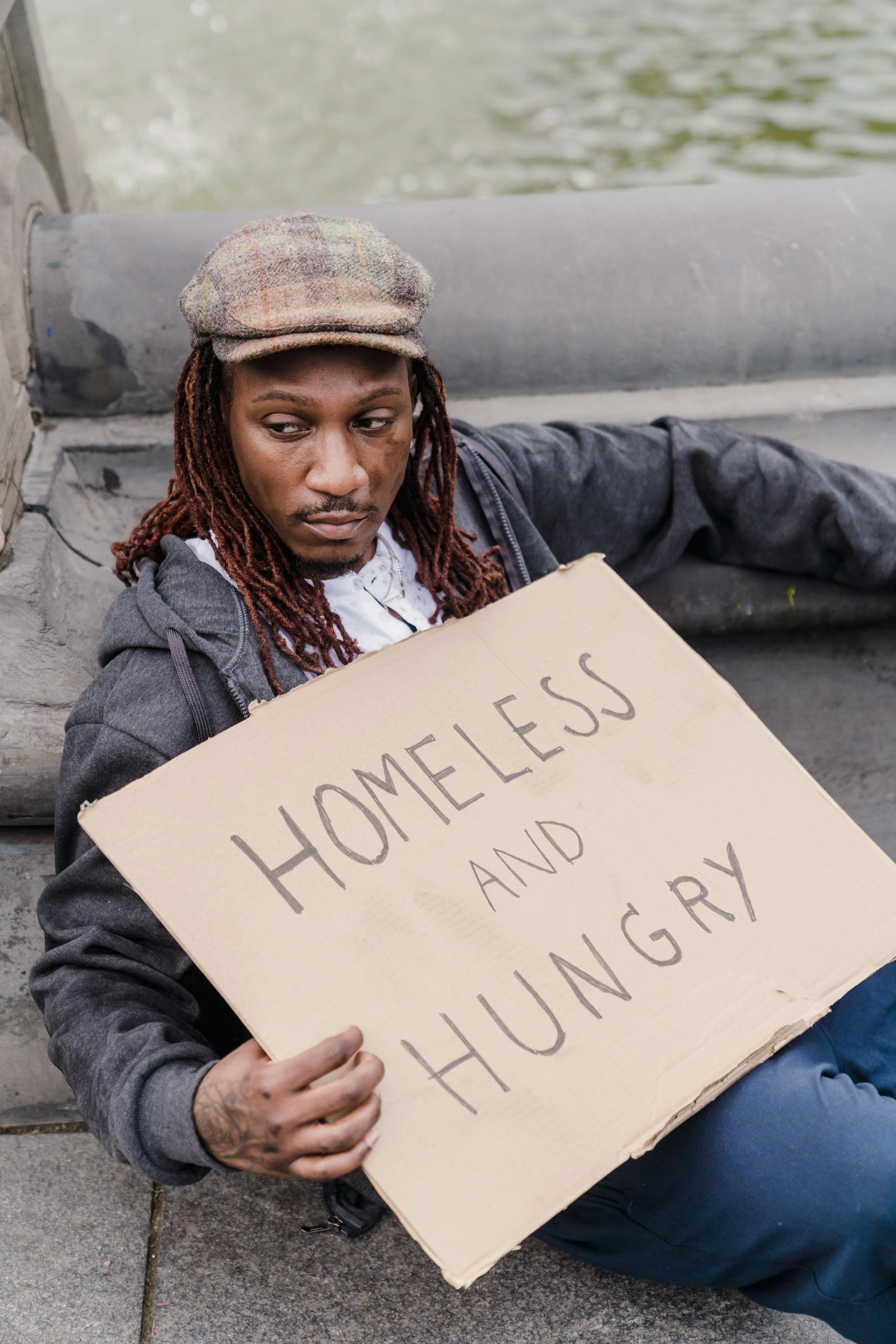
First responders often assume widespread drug use, leading to misallocated interventions and unnecessary escalation. Recognizing that only a minority are addicted allows targeted, compassionate support, improving public safety outcomes while treating homeless residents with dignity.
Complex Causes Overlooked
Homelessness stems from economic instability, housing shortages, family breakdowns, and systemic inequities. Policies focusing narrowly on addiction fail to address these root causes. A nuanced approach prioritizes housing, social support, and employment, leading to more sustainable reductions in homelessness.

Final Thought
California’s homelessness crisis cannot be solved through stereotypes. Recognizing that most homeless individuals are not regular drug users challenges bias, refines policy, and ensures that resources actually reach those in need. Moving beyond myths is crucial to restoring stability, dignity, and opportunity to one of the nation’s most vulnerable populations.