Dogs may be friendly, playful, and quick to wag their tails, but that does not mean they trust everyone around them. Real trust is much deeper than excitement, food interest, or basic obedience. A dog can accept a treat from a stranger and still keep its guard up, because true emotional safety takes time, patience, and repeated proof that a person is safe.
That is why certain dog habits carry more meaning than people realize. When a dog sleeps deeply near us, follows us calmly, shares a favorite toy, or runs to us when frightened, it is showing a level of trust it would never offer to just anyone. These behaviors reveal the quiet truth behind the bond: dogs know who makes them feel safe, and they behave very differently around people they do not fully trust.
They Won’t Sleep Deeply Around People They Don’t Trust
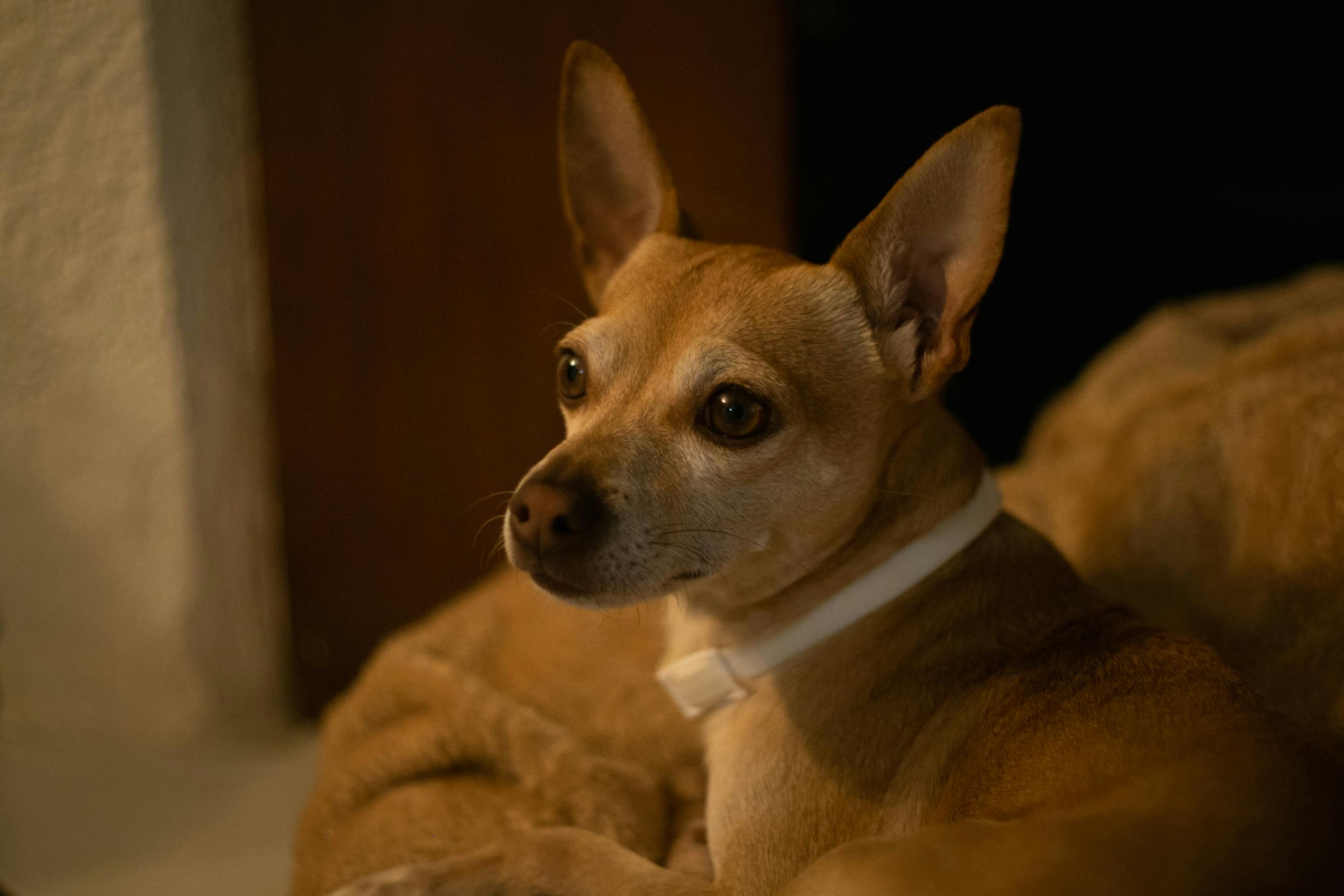
Sleep is one of the most vulnerable moments in a dog’s day. A dog that does not feel safe will often stay alert, wake easily, keep its body tucked, or choose a protected corner where it can watch the room. When dogs do not fully trust the people around them, their bodies rarely sink into deep, peaceful rest.
That is what makes deep sleeping near us so meaningful. A dog that sprawls out, exposes its side, stretches its legs, or naps close to our feet is showing that it does not feel the need to stay on guard. It has been decided that our presence is not a threat. For a dog, that is not a small thing.
They Don’t Follow Just Anyone From Room to Room
Some people think a dog following them around is just clingy behavior, but that is not always true. Many dogs follow the person they trust most because they feel safer and calmer near that human. They may not want food, play, or attention every time. Sometimes they simply want to be close to someone who feels familiar.
A dog that does not trust someone may keep a distance, avoid being trapped in a room, or watch from a safer spot instead. Trust changes that behavior. When a dog calmly walks after us, lies near the doorway, or checks where we went, it is showing attachment. It has chosen our presence over distance.
They Avoid Soft Eye Contact With People They Don’t Feel Safe Around
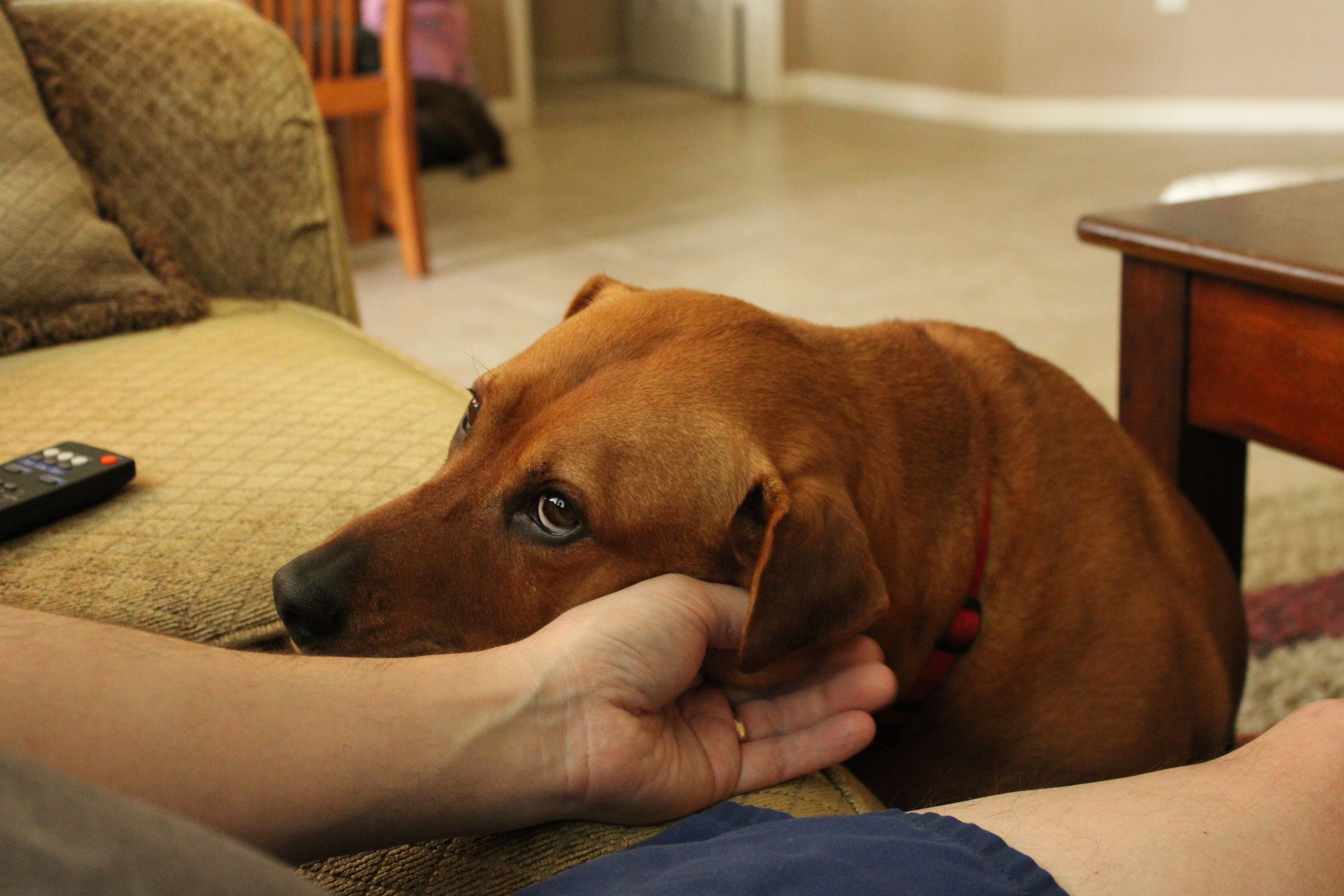
Eye contact can mean different things in the dog world. A hard stare can feel threatening, especially between unfamiliar dogs or between a nervous dog and a person it does not trust. That is why soft, calm eye contact from a dog should never be treated as ordinary. It often reflects comfort, connection, and emotional security.
When a dog looks gently into our eyes with a relaxed face and loose body, it is showing that it feels safe enough to connect. Dogs that do not trust someone may look away, turn their head, lick their lips, or avoid direct engagement. Soft eye contact is one of those quiet signs that the dog sees us as safe, not scary.
They Don’t Share Their Favorite Things With People They Fear
Dogs can be very protective of the things they value. A favorite toy, chew, blanket, or ball can feel important to them, especially if they use it for play, comfort, or security. A dog that does not trust someone may carry the object away, guard it, or refuse to bring it close.
That is why it matters when a dog brings us its favorite toy. It may be asking us to play, but it is also letting us get near something valuable. The dog is saying, in its own way, that we are allowed into its happy space. It would not make that choice with someone it sees as unsafe.
They Won’t Lean On People Who Make Them Uneasy
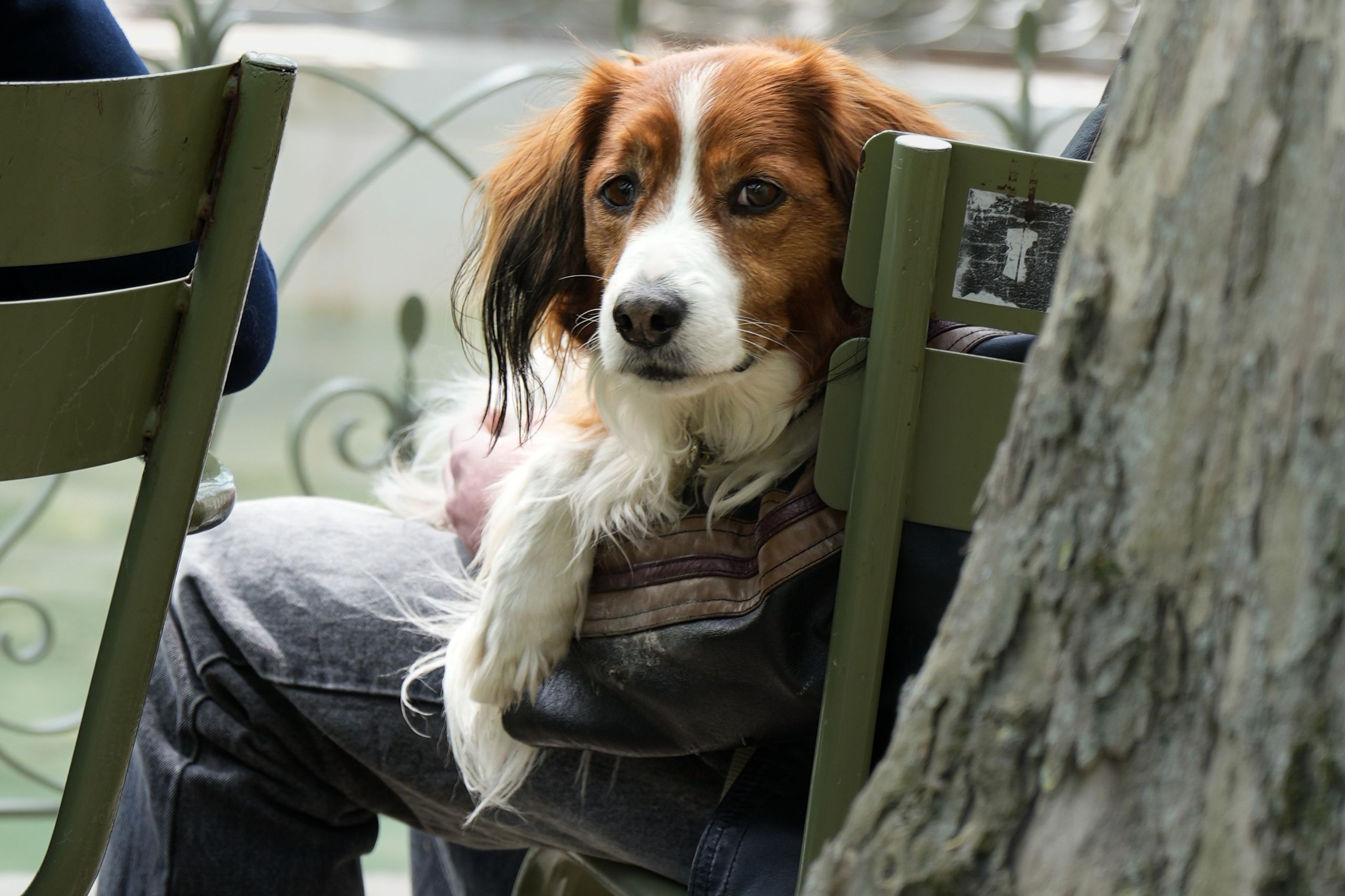
A dog that leans against us is doing more than just resting. It is choosing contact. It is placing part of its weight on us and trusting that we will not scare, push, grab, or hurt it. Dogs usually avoid that kind of closeness with people who make them nervous.
This habit can appear in small ways. A dog may press its shoulder against our leg, sit with its side touching our foot, or lean into us during a stressful moment. That physical closeness says a lot. The dog is not just near us. It is using our presence as comfort.
They Don’t Show Their Belly Unless They Feel Safe
A dog’s belly is one of the most vulnerable parts of its body. When a dog rolls over and exposes its belly, the behavior can mean comfort, playfulness, trust, or sometimes nervous submission. The difference is in the full body language. A relaxed dog may wiggle, stretch, and look soft. A scared dog may freeze, tuck its tail, or look tense.
That is why we should be careful with this sign. A dog that trusts us may expose its belly because it feels secure in our presence, but that does not always mean it wants a belly rub. Real trust means we know how to read the moment. If the dog stays loose and happy, gentle affection may be welcome. If the dog stiffens, respect is the better response.
They Don’t Check In With People They Don’t See As Safe
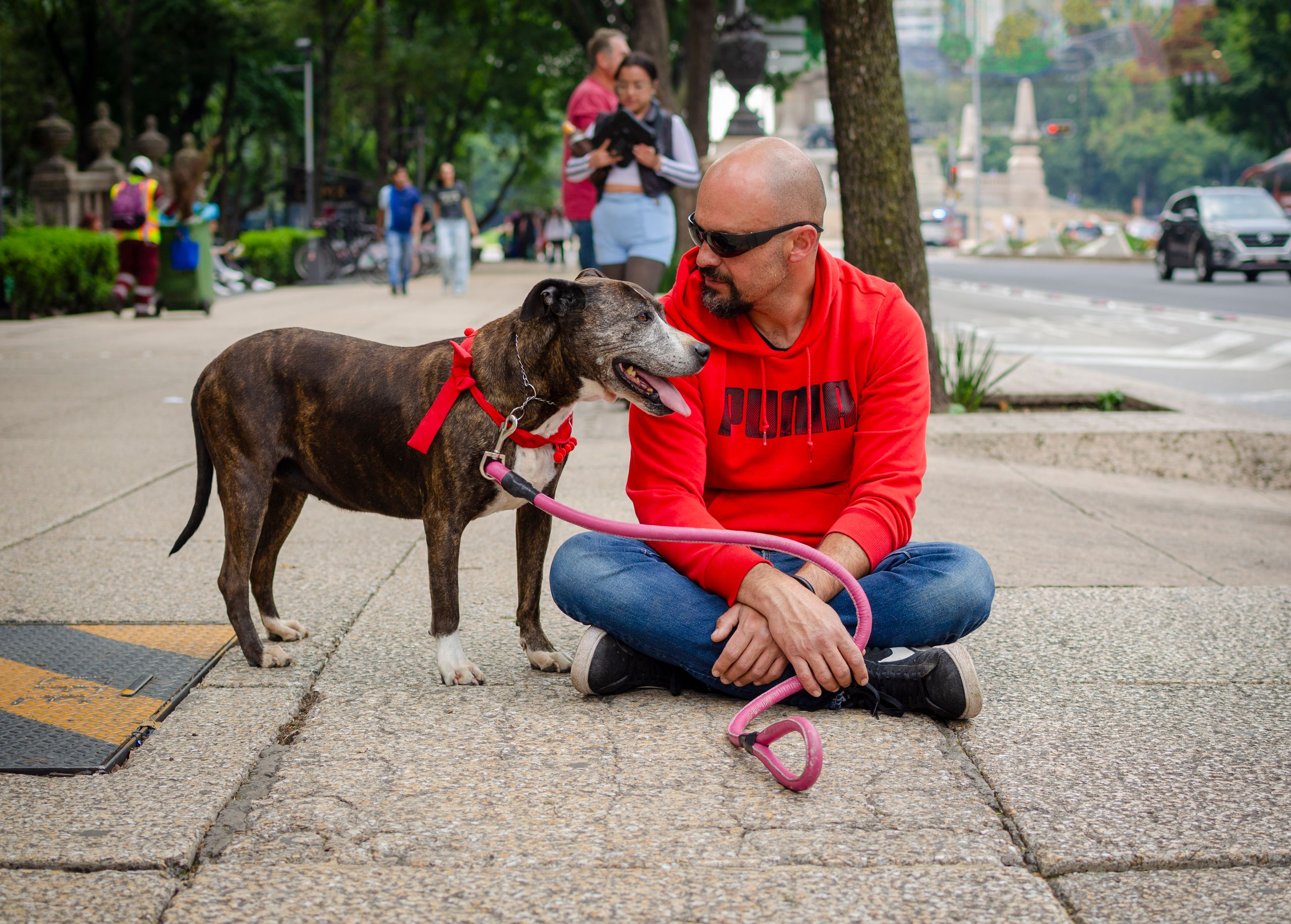
Walks reveal a lot about a dog’s relationship with its owner. Outside, the world is full of smells, sounds, people, cars, other dogs, and unexpected movement. A dog that does not trust its handler may pull without checking back, freeze in uncertainty, or act like it must handle every situation alone.
A trusting dog often checks in during walks. It may glance back, slow down near us, return briefly to our side, or look to us before moving toward something unfamiliar. That small habit shows that the dog sees us as a guide. It does not just know we are holding the leash. It believes our presence helps it feel safer in the world.
They Don’t Run To Just Anyone When They’re Scared
Fear exposes trust faster than almost anything else. When a dog hears fireworks, thunder, construction noise, or unfamiliar voices, it will usually seek the place or person that feels safest. Some dogs hide under furniture. Some retreat to a quiet room. Others move straight toward the human they trust most.
If a dog comes to us when it is frightened, that is a powerful sign. It means the dog sees us as protection, comfort, or emotional safety. We do not need to overwhelm the dog with too much touching or noise. Often, a calm presence is enough. The dog came to us because it believes we can help it get through the moment.
Why Dogs Keep Their Trust Guarded
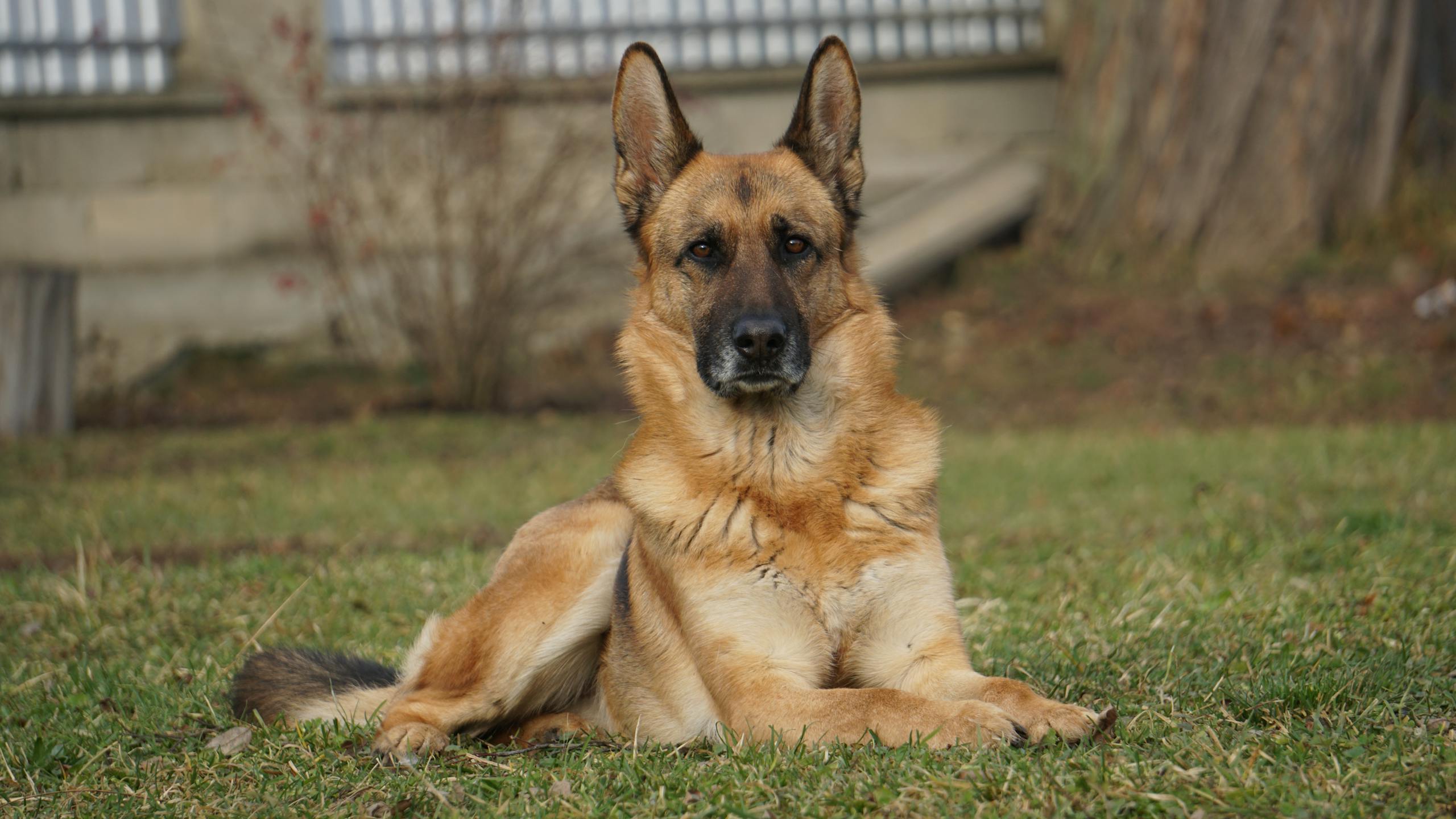
Dogs do not trust by accident. They learn from patterns. They notice who feeds them gently, who respects their space, who speaks calmly, who scares them, and who stays predictable when life gets stressful. A dog may forgive a lot, but it still remembers how people make it feel.
That is why trust must be earned through consistency. Harsh punishment, rough handling, unpredictable yelling, forced affection, and ignored body language can all damage a dog’s sense of safety. On the other hand, patience, routine, gentle training, and respect can build a bond that becomes stronger over time. Dogs watch everything, even when we think they are just lying quietly in the corner.
How We Can Become the Person a Dog Trusts Most
We earn a dog’s trust by becoming safe in small ways every day. That means feeding on time, using a calm voice, giving clear guidance, respecting fear, and not forcing contact when the dog needs space. Trust grows when a dog learns that our behavior is steady and our presence does not create confusion.
We also build trust by paying attention to the habits dogs already show. If a dog checks in during a walk, we respond with calm reassurance. If it brings a toy, we make the moment positive. If it leans on us, we offer quiet comfort. If it comes to us when scared, we stay gentle and predictable. Over time, these small responses teach the dog that we are not just nearby. We are safe.
The Hard Truth About Dog Trust
Dogs may love easily, but deep trust is different. It is not proven by one wagging tail, one excited greeting, or one moment of play. It is proven through the habits a dog repeats when it feels completely secure.
When a dog sleeps deeply near us, follows us calmly, shares its favorite toy, leans into our body, checks in during walks, and seeks us out when it is afraid, it reveals something powerful. It does not behave that way with everyone. It has decided that we are part of its safe world, and for a dog, that kind of trust is one of the highest compliments we can receive.