Arizona’s housing market no longer feels like the wild pandemic rush, but that does not mean buyers can relax. Prices across the state have cooled in some places, inventory has improved, and sellers are negotiating more than they did a few years ago, yet the real pressure has shifted into specific towns where jobs, schools, lifestyle, land limits, and migration keep demand alive.
That is what makes Arizona so tricky for buyers in 2026. The statewide market may look calm on paper, but the best located suburbs, mountain towns, luxury pockets, and fast growing commuter communities still carry serious pricing power. We are looking at the Arizona towns where buyers should pay attention before today’s “almost affordable” price becomes tomorrow’s regret.
Why Arizona Home Prices Still Worry Buyers

Arizona remains one of the most closely watched housing markets in the country because it sits at the intersection of population growth, retirement migration, tech expansion, and lifestyle demand. Buyers are not just comparing Phoenix suburbs against each other anymore.
They are comparing Arizona against California, Texas, Nevada, Colorado, and other states where taxes, weather, housing costs, and job markets shape relocation decisions.
The bigger story is not that every Arizona town is suddenly booming. The sharper story is that certain places have built strong demand floors.
Good schools, access to Phoenix, cooler mountain climates, luxury lots, new employment hubs, and outdoor recreation can keep buyers interested even when mortgage rates make monthly payments painful. That is why some Arizona towns deserve a closer look before prices run away again.
Gilbert Remains One of Arizona’s Most Competitive Family Suburbs
Gilbert has grown from an agricultural town into one of the most desirable family suburbs in the Phoenix metro area. Buyers are drawn to its schools, parks, restaurants, clean, master planned neighborhoods, and strong suburban identity. It has the kind of lifestyle many families want when they leave denser or more expensive cities.
The catch is that Gilbert no longer feels like a bargain. Its median sale price sits well above the statewide median, and homes still move at a steady pace compared with many slower markets. For buyers who want a polished East Valley suburb without paying Scottsdale prices, Gilbert may still look reasonable, but that “reasonable” window can close quickly when demand improves.
Flagstaff Is Expensive Because It Offers What Phoenix cannot.
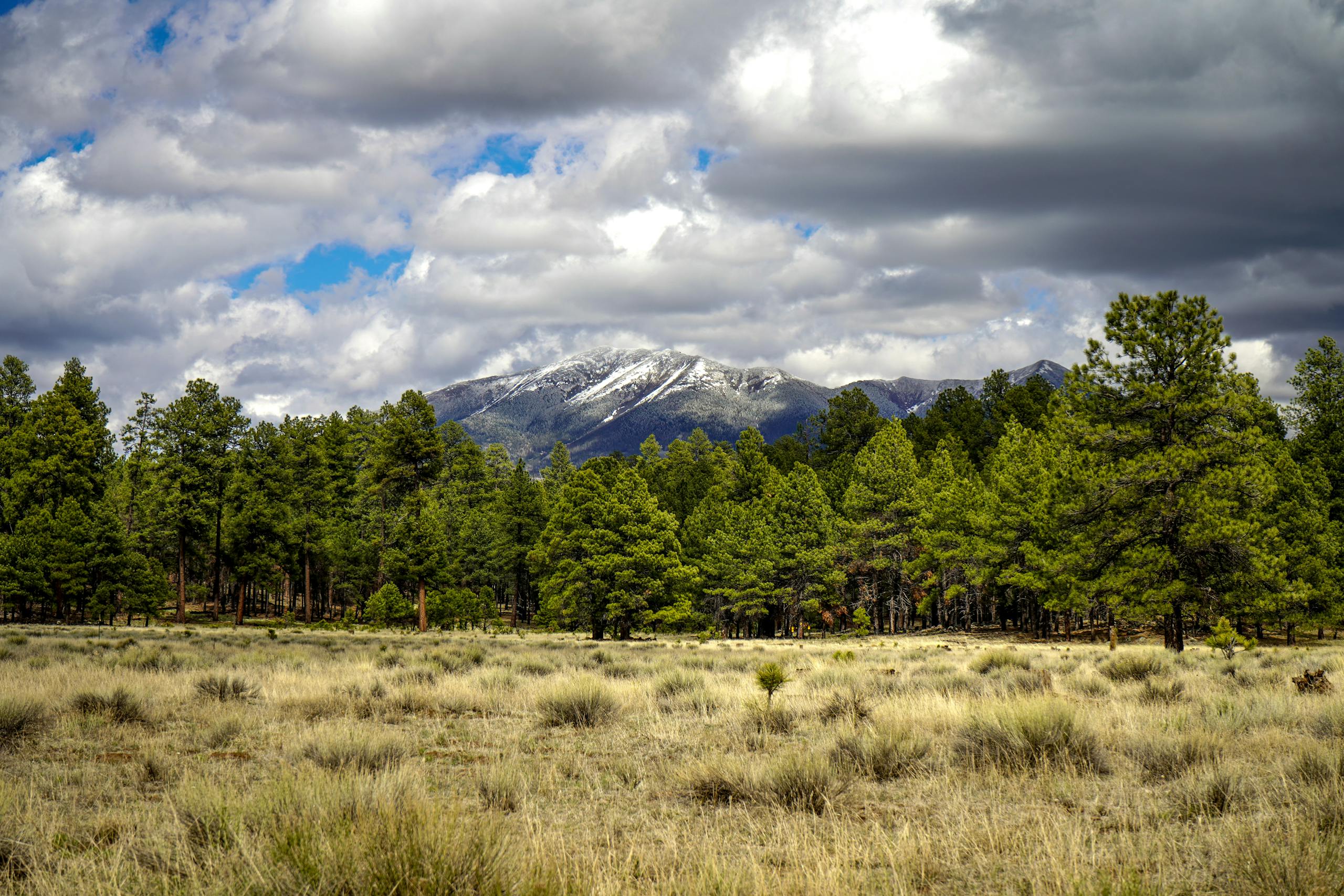
Flagstaff is one of Arizona’s most unusual housing markets because it does not compete with desert suburbia. It competes on pine trees, four seasons, mountain views, university energy, tourism, and access to outdoor recreation. Buyers who want cooler weather and a lifestyle centered on hiking, skiing, and access to the forest often have few Arizona options that feel the same.
That limited substitute effect helps explain why Flagstaff can remain expensive even when broader housing demand cools. Northern Arizona University, tourism, second home interest, and lifestyle buyers all add pressure on a market that cannot expand as easily as flat desert suburbs.
For buyers priced out of Colorado mountain towns or California recreation markets, Flagstaff can still look attractive, which keeps its long term pricing story alive.
Queen Creek Is Growing Faster Than Its Small Town Image
Queen Creek still sells itself on a small town feel, but the numbers and traffic tell a different story. The town has become one of the Southeast Valley’s major growth zones, driven by new housing, family demand, retail expansion, and buyers seeking newer homes outside the most expensive Phoenix suburbs.
It appeals to families who want space, schools, and a quieter pace without fully disconnecting from metro job centers.
The risk for buyers is that Queen Creek’s charm depends partly on getting in before the next wave of development changes the price map. As more amenities arrive, more buyers are treating the area as a primary destination rather than a far-out alternative. That shift can turn today’s patience into tomorrow’s premium, especially for homes with better locations, bigger lots, and shorter commutes.
Paradise Valley Is Still Arizona’s Luxury Powerhouse
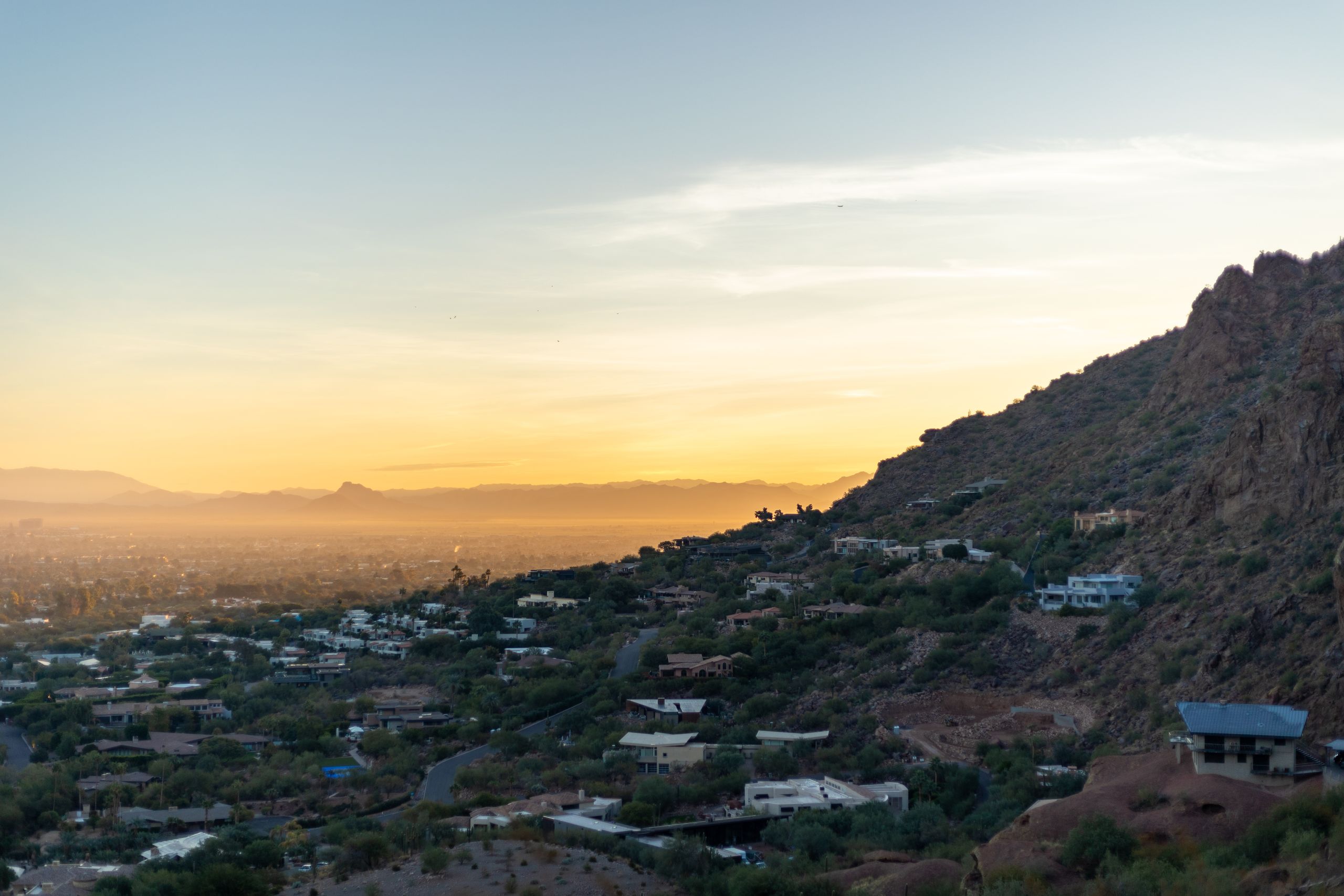
Paradise Valley is not a normal affordability story. It is Arizona’s elite real estate pocket, shaped by luxury estates, large lots, mountain views, privacy, and proximity to both Phoenix and Scottsdale. Buyers here are often less sensitive to monthly payment swings than middle income buyers, which gives the market a different kind of resilience.
The town’s biggest advantage is scarcity. There is only so much land in Paradise Valley, and many buyers are paying for privacy, status, architecture, and views that cannot be easily recreated elsewhere. Even when luxury markets slow, the best homes in the best locations can hold attention because wealthy buyers tend to compete for irreplaceable properties rather than just square footage.
Goodyear Is Turning Into a West Valley Growth Machine
Goodyear has become one of the most important West Valley markets because its growth story is tied to more than housing. Industrial development, logistics, office activity, data center investment, and population growth have strengthened the city’s economic position. That matters because home prices often follow jobs, infrastructure, and retail momentum over time.
For buyers, Goodyear still offers more breathing room than many East Valley suburbs. The median sale price remains lower than in Gilbert, Queen Creek, Flagstaff, and Paradise Valley, making it attractive to households seeking to stay near Phoenix without overpaying for an established prestige ZIP code.
If employment growth and amenities continue to increase, Goodyear could look much less affordable in a few years.
Chino Valley Gives Buyers Space Before Northern Arizona Gets Pricier

Chino Valley attracts buyers who want a slower, roomier, more rural version of Arizona living. It benefits from proximity to Prescott, access to open land, outdoor recreation, and a quieter lifestyle that still keeps residents connected to larger services. That combination appeals to retirees, remote workers, and families tired of dense metro neighborhoods.
The pricing story here is different from that in the Phoenix suburbs. Chino Valley is not about nightlife, corporate campuses, or luxury shopping. It is about land, space, value, and lifestyle. As buyers continue to search for alternatives to expensive mountain towns and crowded metro suburbs, places like Chino Valley can attract people who want Arizona without the pace of Phoenix.
Chandler Still Has a Strong Job Market Advantage
Chandler remains one of the strongest housing markets in the Phoenix metro because it combines suburban comfort with real employment depth. Tech, advanced manufacturing, corporate offices, schools, restaurants, parks, and freeway access give Chandler more staying power than suburbs built mostly on rooftops. Buyers are paying for a location that works for both daily life and career access.
Even when prices flatten, Chandler’s long term appeal remains hard to ignore. It gives buyers a practical mix of Phoenix access, East Valley lifestyle, and neighborhood maturity. Homes may not rise sharply every month, but the city’s job base and amenities can keep demand steady when weaker suburbs depend mostly on cheap land and new construction incentives.
Show Low Could Become More Attractive as Buyers Hunt for Cooler Arizona Living
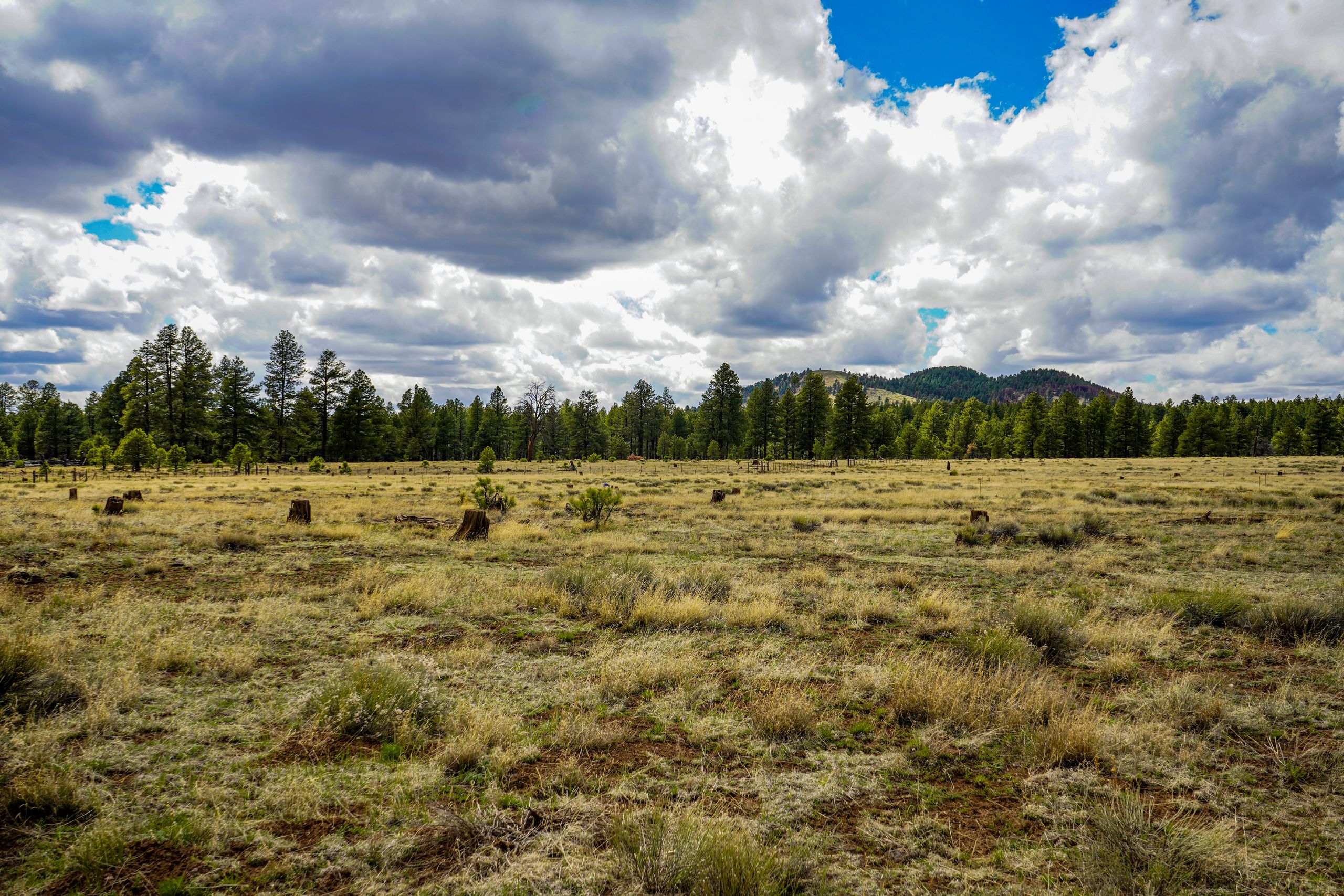
Show Low sits in the White Mountains, offering buyers a version of Arizona that feels far removed from the desert’s heat and sprawl. It offers outdoor recreation, cabins, family homes, mountain biking, hiking, fishing, and a slower pace that appeals to retirees, remote workers, second home buyers, and families seeking a quieter lifestyle.
That kind of climate driven appeal matters more, as summers remain a major concern for many Arizona buyers.
The market is still more affordable than Flagstaff, but that is part of the warning sign. Buyers who cannot afford Flagstaff may start looking harder at Show Low and nearby White Mountain communities. Once more, people discover they can get cooler weather and outdoor access without paying Flagstaff prices; the best-priced homes may no longer go overlooked.
Arizona Buyers Should Watch the Gap Between Statewide Data and Local Reality
The easiest mistake is to look at Arizona’s statewide numbers and assume every buyer has the same leverage. Statewide medians can hide the difference between a slow listing in an overbuilt pocket and a desirable home near good schools, jobs, views, or cooler weather. Real estate moves street by street, and Arizona makes that especially clear.
Buyers should watch three signals before making a move. First, track how long homes remain on the market in the exact town and price range they want. Second, compare list price cuts to final sale prices, because a market can look weak even when the best homes still sell quickly. Third, study future demand drivers such as employment hubs, school reputation, infrastructure projects, tourism, and land scarcity.
The Smart Buyer Move Is Not Panic; It Is Precision
The phrase “prices will skyrocket” can make buyers rush, but rushing is dangerous in a high rate market. A smarter move is precision. Buyers should know which towns have genuine demand support and which listings are simply overpriced because sellers still remember the pandemic boom.
Gilbert, Flagstaff, Queen Creek, Paradise Valley, Goodyear, Chino Valley, Chandler, and Show Low each tell a different version of the Arizona housing story. Some are driven by schools, others by luxury, jobs, land, mountain weather, or affordability pressure. The common thread is that buyers who understand the local reason behind demand will make stronger decisions than buyers who only chase the next hot town.
Arizona is not one housing market. It is a collection of smaller markets moving at different speeds. Some towns are cooling, some are stabilizing, and some still have the ingredients that can push prices higher once buyer confidence returns.
For homebuyers, the danger lies in waiting too long in towns where demand is supported by real lifestyle and economic forces. For sellers, the lesson is just as clear. Price matters again, but location, condition, schools, jobs, views, and community identity still decide who holds the strongest hand.