Dining out can seem simple, but restaurant employees know that what appears on the menu does not always reflect what happens in the kitchen. Years of experience teach them which dishes are safest and which might carry hidden risks. Salads, long considered a healthy choice, top the list of foods that seasoned restaurant workers avoid. Behind-the-scenes realities from handling practices to freshness issues have made salads a cautious choice for insiders.
For diners who value safety and nutrition, these insider warnings are worth noting. From lettuce recalls to improperly washed greens and rushed preparation, restaurant salads can carry risks that are invisible to most customers. Even in high-rated establishments, small lapses can result in contamination with bacteria such as E. coli, Listeria, or Salmonella, making salads far less simple than they appear.
Raw Greens Are Vulnerable
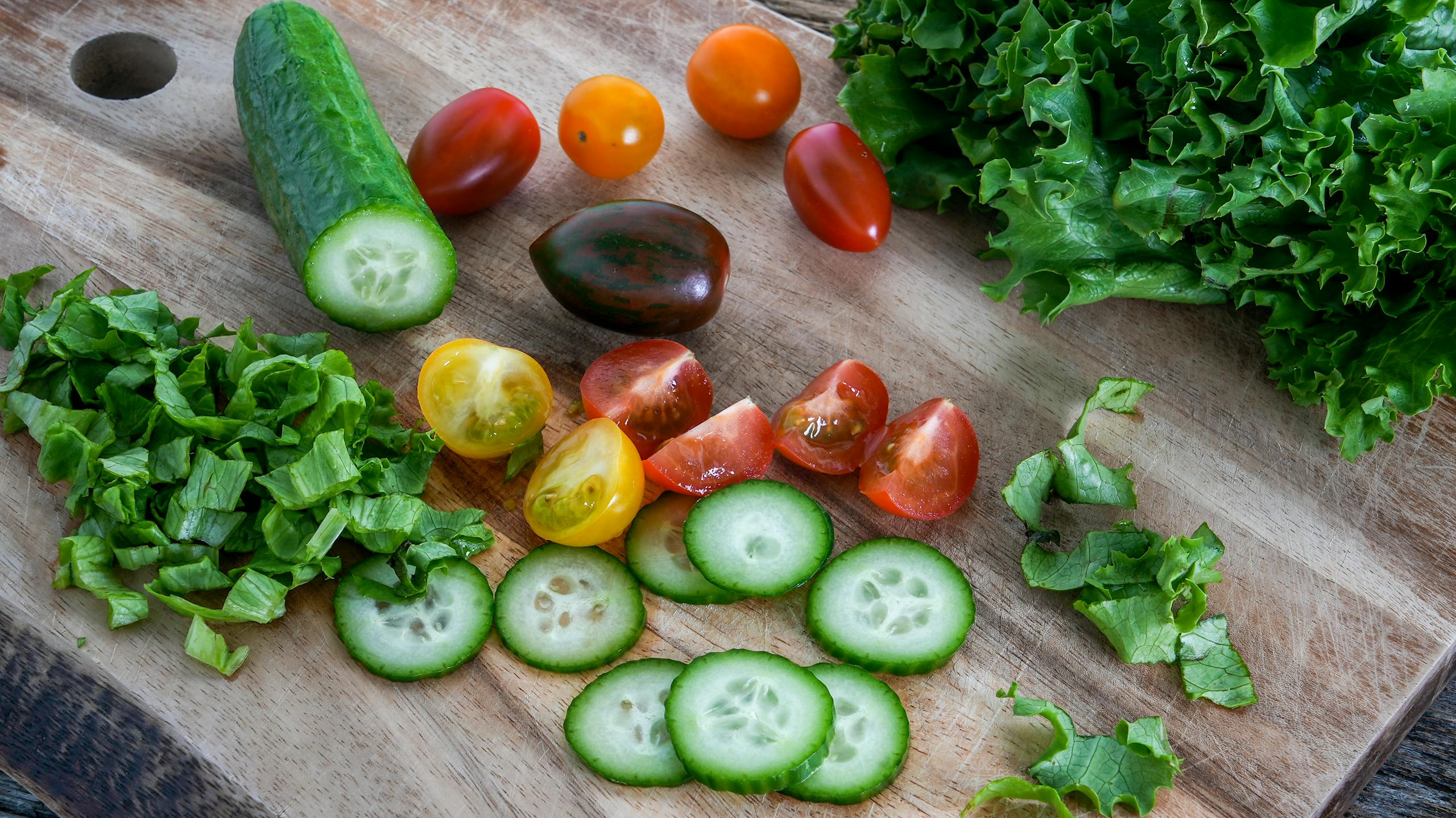
Salads are primarily raw vegetables, which means they can harbor bacteria if not handled properly. Restaurant staff know that leafy greens are difficult to clean thoroughly under high-volume conditions. One former employee revealed that in several kitchens, lettuce was rarely washed correctly, increasing the likelihood of contamination.
Even with routine inspections, the risk remains. Raw produce can be exposed to pathogens during transport, storage, and handling. For workers, the potential for foodborne illness outweighs the benefits of ordering a salad, especially when other cooked or protected menu items carry far lower risk.
Frequent Lettuce Recalls Raise Red Flags
Industry insiders have witnessed firsthand how often salad ingredients are subject to recalls. From E. coli outbreaks to Salmonella contamination, lettuce and other greens are repeatedly pulled from shelves. One Redditor noted that their restaurant removed salads from the menu entirely to avoid the stress and liability of recalls.
For restaurant employees, awareness of these recalls changes dining habits. Even a “fresh” salad may contain ingredients recently flagged by health authorities, which is enough to make them skip ordering greens entirely when eating out.
Pre-Bagged or Frozen Mixes Can Be Risky
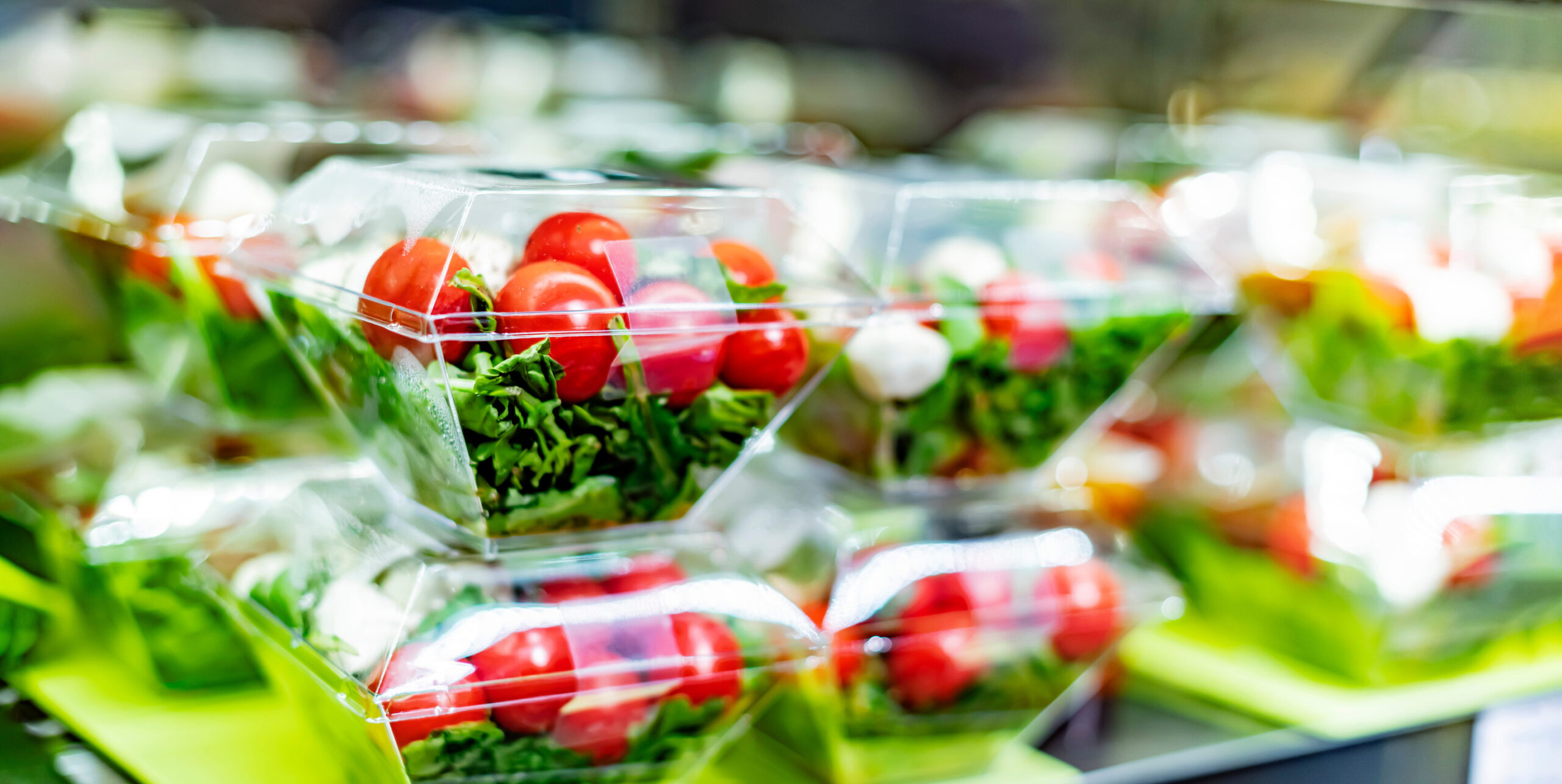
Fast food and fast-casual restaurants often rely on pre-bagged salad mixes or frozen vegetables. These may be convenient for preparation, but they can compromise freshness and quality. Workers report that even well-regarded chains occasionally serve greens that are near expiration or have been improperly stored.
The result is salads that are less crisp, less flavorful, and potentially unsafe. Employees learn to avoid these dishes because freshness cannot be guaranteed, and the risk of illness increases when produce sits too long before service.
Cross-Contamination Is a Hidden Danger
Salad preparation often involves cutting, tossing, and mixing multiple ingredients in a shared space. Without strict hygiene protocols, cross-contamination can occur, transferring bacteria from raw meats or other ingredients to salad greens.
Back-of-house staff see these mistakes regularly, from improperly cleaned cutting boards to unwashed utensils. Even minor lapses that are invisible to customers can make raw salads a potential vector for illness, creating another reason insiders choose to avoid them.
Time Pressure Limits Proper Washing

Restaurants operate at high speed, and salads are one of the few dishes that require meticulous washing. Many employees report that during peak service hours, greens are often not cleaned thoroughly, or they sit for extended periods after washing.
This combination of rushed prep and time-sensitive service creates a hidden risk. For workers accustomed to spotting these shortcuts, ordering a salad feels unnecessary when other menu items are safer and easier to guarantee freshness and hygiene.
Homemade Salads Offer Greater Control
For restaurant employees and for cautious diners, the safest salads are the ones made at home. Controlling every step from selection to washing and storage ensures safety, quality, and freshness. By choosing trusted ingredients and thoroughly cleaning greens, home-prepared salads eliminate the uncertainty inherent in restaurant service.
Even for health-conscious diners, this insider advice is clear: if you want a salad without compromise, the kitchen under your own roof is the safest place to enjoy it. Until restaurants can guarantee consistent handling and freshness, industry insiders will continue to skip salads when dining out.
Key Takeaway
Salads are visually appealing and often marketed as a healthy choice, but behind the kitchen doors, their safety depends on rigorous handling and strict hygiene. Restaurant workers know the risks and avoid them accordingly. Diners who wish to enjoy raw greens should take cues from these insiders: ask about handling practices, favor cooked vegetables when in doubt, and consider preparing salads at home to ensure both safety and flavor.