Some foods begin in small kitchens, crowded apartments, college dorms, lunch boxes, farmhouses, and homes where every dollar has to stretch. Then something interesting happens. The same meals that once carried the label of “poor people foods” quietly climb into restaurants, luxury homes, private chef menus, and celebrity interviews because comfort has a way of ignoring class lines. Wealth may change the plate, the kitchen, and the ingredients, but it does not erase the craving for food that feels familiar, filling, and deeply human.
We often treat expensive food as the highest form of taste, but the truth is far more interesting. Many of the world’s most loved meals were built around affordability, resourcefulness, and necessity. Beans became stews, rice became pudding, potatoes became endless comfort, and noodles became a global obsession. These are the humble foods even wealthy people still eat because flavor, nostalgia, and satisfaction do not care about bank accounts.
Ramen Still Rules the Bowl
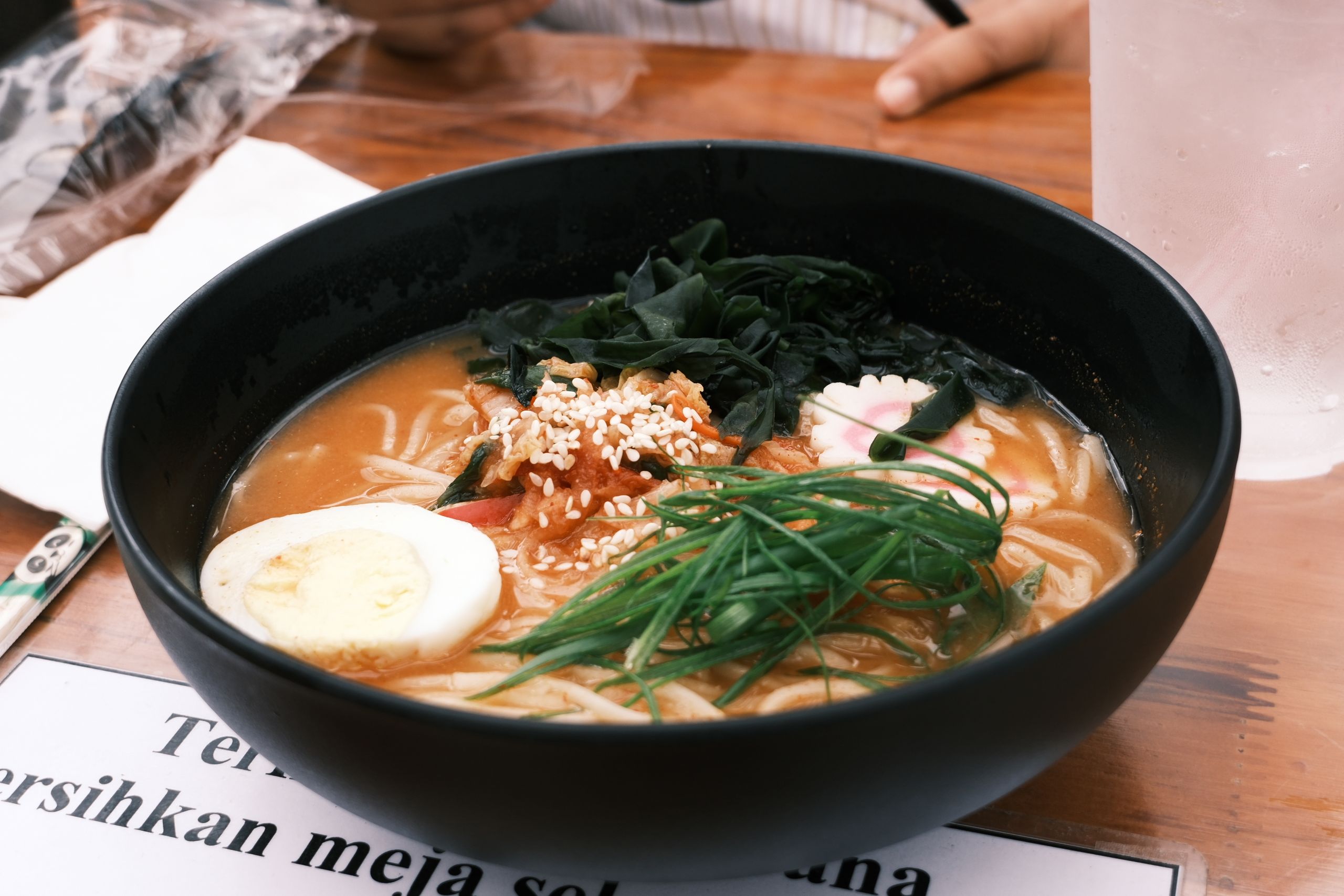
Ramen has one of the most dramatic glow-ups in food culture. What many people first met as a cheap packet of noodles has grown into a global comfort food with serious culinary respect. At its simplest, ramen is warm, fast, salty, and filling, which explains why students, busy workers, and families on tight budgets have leaned on it for years. Yet the same idea becomes luxury when chefs build deep broths, add slow-cooked pork, soft eggs, mushrooms, chili oil, seaweed, and handmade noodles.
That is the magic of ramen. The budget version offers speed and comfort, while the upscale version adds ceremony and depth. Wealthy diners may order ramen in polished restaurants, but the emotional pull stays the same. It is still a bowl of hot noodles that feels like rescue at the end of a long day. Few foods prove better that humble meals can become cultural icons without losing their soul.
Grilled Cheese Still Feels Like Home
A grilled cheese sandwich does not need a luxury introduction. Bread, butter, and cheese do most of the work, and that is exactly why people love it. The golden crust, soft middle, and melted cheese create a kind of comfort that expensive ingredients cannot easily replace. It is simple, fast, familiar, and deeply satisfying.
We see the wealthy version dressed up with sourdough, aged cheddar, truffle butter, tomato jam, or artisan cheeses. Yet the heart of the sandwich remains beautifully ordinary. It still works because it reminds people of childhood kitchens, rainy afternoons, late-night snacks, and tomato soup on the side. A grilled cheese sandwich proves that comfort food does not need status to feel rich.

Oatmeal Remains a Quiet Breakfast Classic
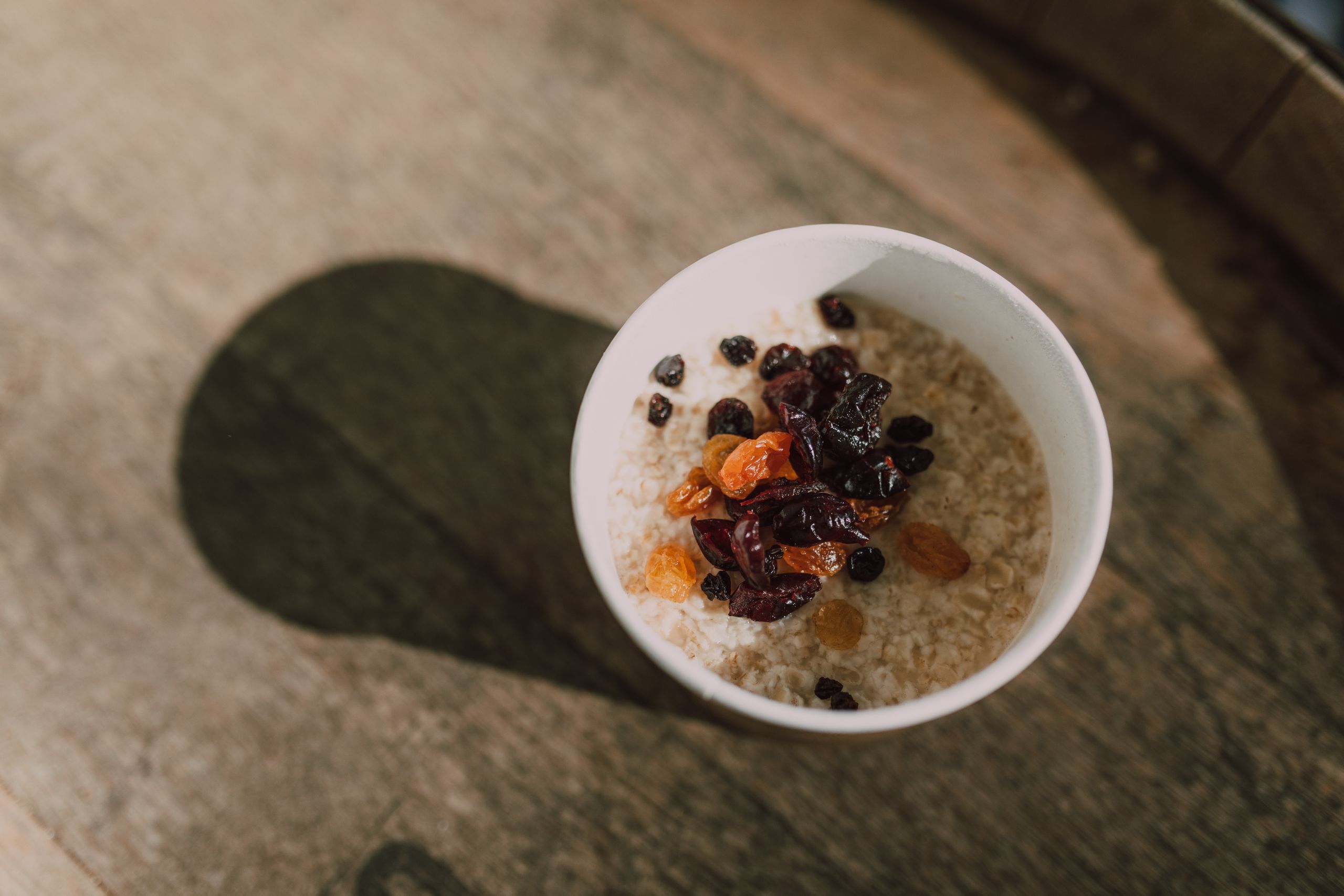
Oatmeal has long been one of the most dependable budget foods because it is affordable, filling, and easy to customize. A bowl of oats can stretch across several breakfasts, making it practical for people trying to eat well without spending much. It also carries a health halo that keeps it popular across income levels. Add cinnamon, banana, peanut butter, honey, berries, nuts, or milk, and a plain bowl becomes something warm and personal.
Wealthy people still eat oatmeal because it fits the modern obsession with simple, functional food. It can be rustic or elegant depending on the toppings, but the appeal remains steady. It feels clean, slow, and grounding in a world full of complicated meals. For many people, oatmeal is not just cheap food. It is a calm morning ritual that makes the day feel manageable.
Beans and Rice Keep Winning Across Cultures
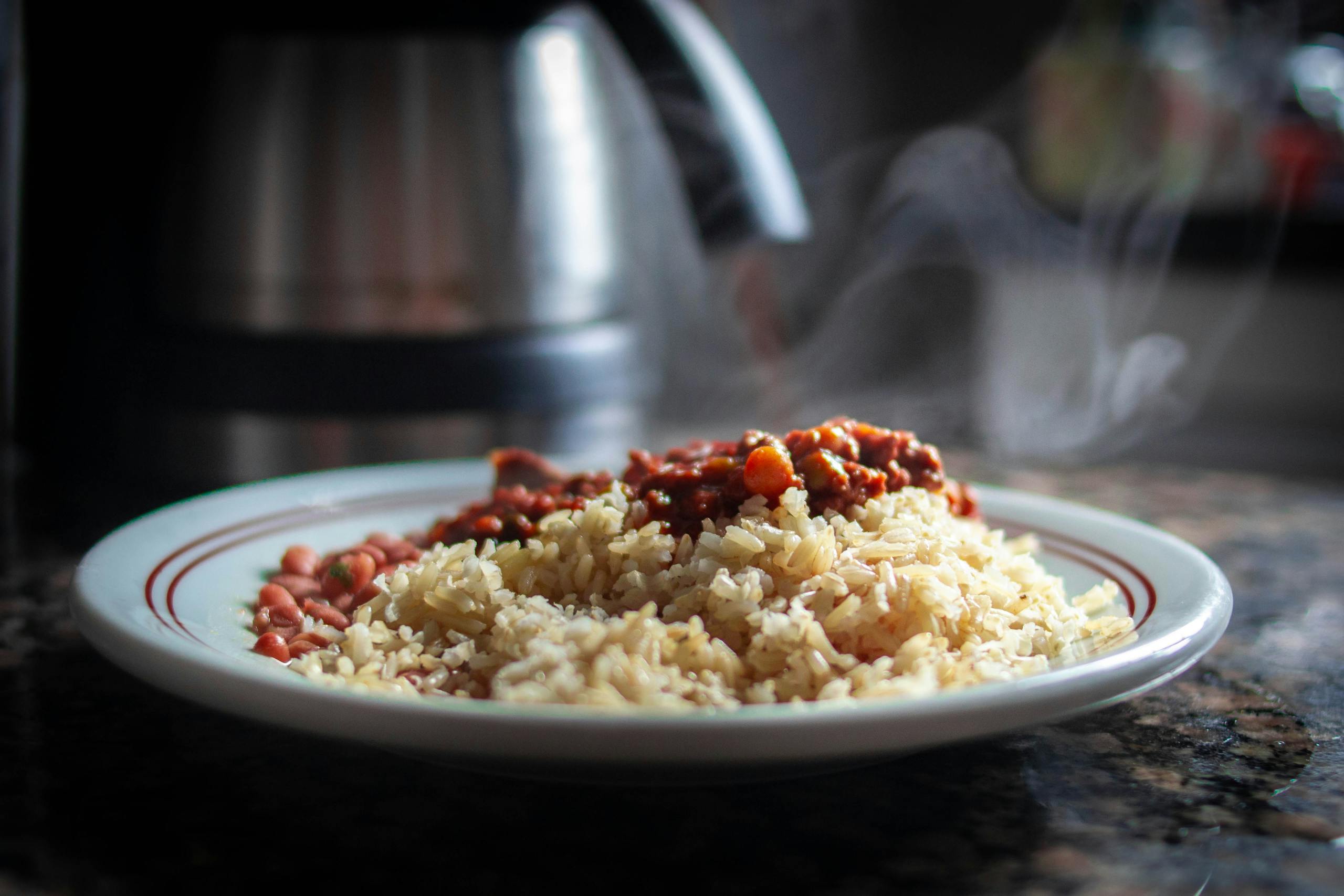
Beans and rice may be one of the strongest examples of affordable, globally popular food. Many cultures have their own version because the combination is filling, flexible, and dependable. It appears in Caribbean kitchens, Latin American homes, Southern cooking, African meals, and countless family tables across the world. The ingredients are simple, but the result can be rich with spices, herbs, sauces, meats, vegetables, and regional identity.
Wealthy people still eat beans and rice because the dish carries more than savings. It carries culture. A private chef may prepare it with smoked meats, coconut milk, saffron, fresh herbs, or premium beans, but the structure remains rooted in everyday survival and comfort. It is one of those meals that quietly reminds us that the best food traditions often come from people who learned how to create abundance from very little.
Pasta With Tomato Sauce Never Needed Luxury
Pasta with tomato sauce is one of those meals that looks simple until we remember how powerful simplicity can be. Dry pasta, tomatoes, garlic, onion, olive oil, and herbs can make a complete dinner without being expensive. Families have relied on it because it feeds many people, stores well, and can be made quickly. Its popularity also comes from its forgiving nature because even a basic version still tastes comforting.
In wealthier kitchens, the same dish may arrive with imported pasta, San Marzano tomatoes, fresh basil, parmesan, handmade noodles, or slow-simmered sauce. Yet the reason people love it does not change. Pasta with tomato sauce is warm, familiar, and generous. It proves that a meal does not need a luxury price tag to feel like a classic.

Peanut Butter and Jelly Still Has a Loyal Fan Base
The peanut butter and jelly sandwich is often treated as children’s food, but that label does not tell the full story. It is sweet, salty, soft, filling, and quick. It became a staple because it could fit inside lunchboxes, feed hungry kids, and rescue adults who needed something fast. The ingredients were affordable, shelf-stable, and easy to keep at home.
Wealthy people still eat it because nostalgia has power. Some upgrade it with brioche, almond butter, homemade jam, toasted bread, or gourmet peanut spreads, but the emotional formula stays the same. Peanut butter gives richness, jelly gives brightness, and the bread holds everything together. It is one of the rare foods that can taste like childhood, no matter how old or successful someone becomes.

Scrambled Eggs Stay Elegant Without Trying
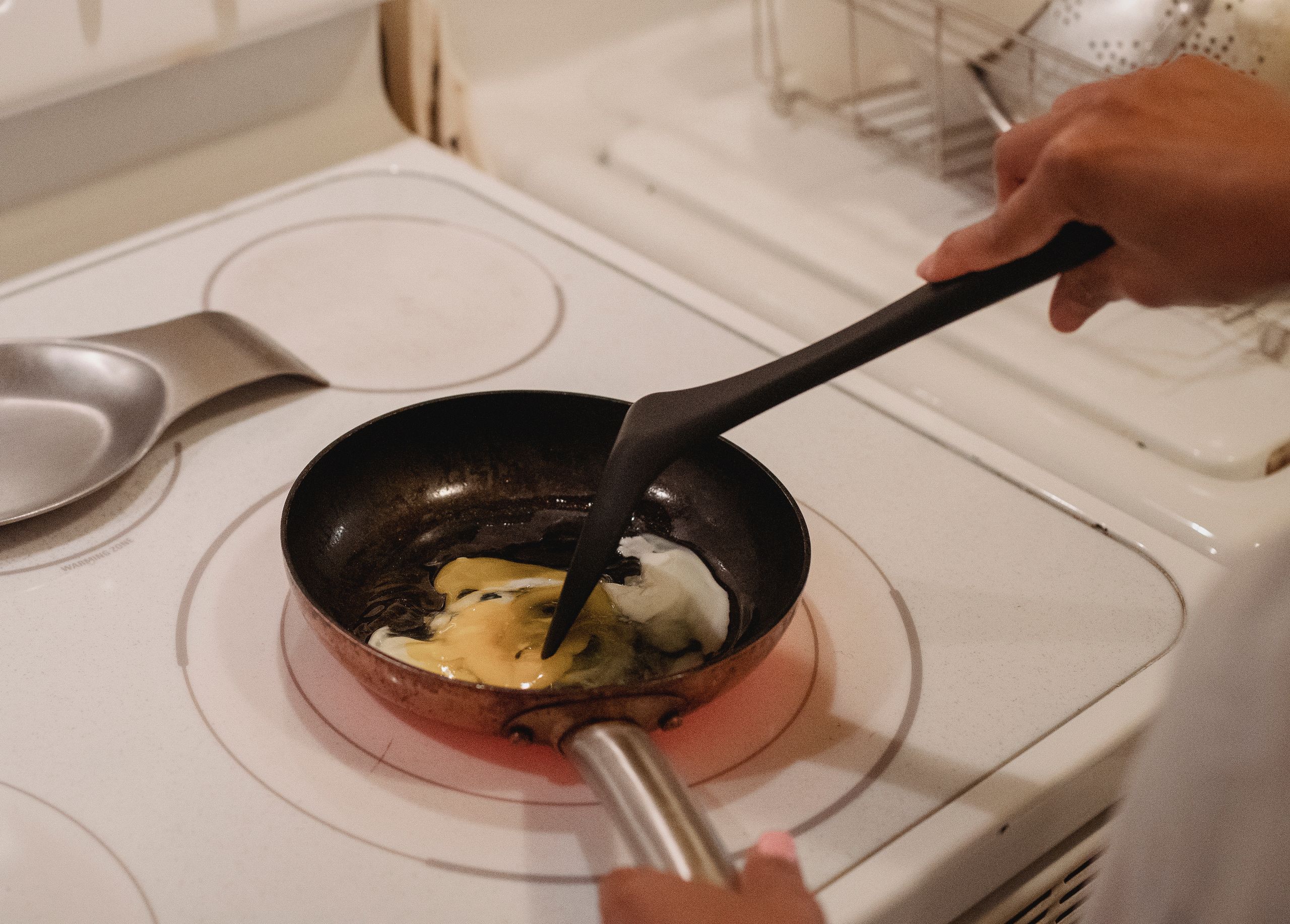
Scrambled eggs are affordable, quick, and endlessly useful. They can be breakfast, lunch, dinner, or a late-night meal when the fridge feels empty. For many people, eggs are one of the first foods they learn to cook because they require little equipment and almost no planning. Add toast, vegetables, cheese, potatoes, or rice, and scrambled eggs become a complete meal.
At the same time, scrambled eggs have a place in fine dining because technique matters. Wealthy diners may enjoy them slowly cooked with butter, cream, chives, smoked salmon, caviar, or shaved truffle. Still, the basic pleasure remains the same. Soft eggs on a plate can feel gentle, warm, and satisfying. That is why this humble food keeps showing up at both diners’ and luxury brunch tables.
Popcorn Turns Cheap Kernels Into Shared Joy
Popcorn is one of the most affordable snacks in the world, yet it has a strange kind of glamour. It belongs in movie theaters, living rooms, sports nights, road trips, and fancy snack bowls. A small handful of kernels can yield a large bowl, making it practical for families and gatherings. Its light crunch and salty flavor make it easy to eat without thinking too hard.
Wealthy people still enjoy popcorn because it is tied to entertainment and relaxation. Gourmet versions may include caramel, cheddar, sea salt, chocolate, herbs, or specialty oils, but the snack still begins with a humble kernel. Popcorn feels social. It belongs to shared moments, not social class. That is why it remains one of the rare cheap foods that can sit comfortably beside both soda cups and champagne glasses.
Potatoes Are the Ultimate Shape Shifter
Potatoes have fed people through hard times because they are inexpensive, filling, and easy to cook in many ways. They can be baked, boiled, fried, mashed, roasted, shredded, or turned into soup. A potato can stretch a meal, thicken a stew, or stand alone with butter and salt. That flexibility made it one of the most important comfort foods in everyday kitchens.
The wealthy still eat potatoes because chefs know how powerful they can be. A basic potato becomes silky mashed potatoes, crispy fries, creamy gratin, delicate gnocchi, or elegant roasted wedges. The ingredient may be humble, but the result can feel indulgent. Potatoes remind us that real food luxury often comes from texture, heat, salt, and skill rather than price.
Rice Pudding Turns Leftovers Into Dessert
Rice pudding is a beautiful example of using leftovers wisely. Cooked rice, milk, sugar, cinnamon, vanilla, or nutmeg can be made into a soft dessert that feels much richer than its ingredients suggest. Many families used rice pudding to avoid waste and turn pantry basics into something sweet. It is gentle, creamy, and deeply comforting.
Wealthy people still eat rice pudding because it carries old-world charm. It can be served warm or chilled, plain or dressed with fruit, caramel, pistachios, cardamom, citrus zest, or cream. The dish feels humble, but it also feels timeless. Rice pudding proves that dessert does not always need chocolate towers, gold flakes, or complicated plating. Sometimes the most memorable sweetness comes from milk, rice, and patience.

Why Budget Foods Become Luxury Favorites
The reason these so-called poor people’s foods keep crossing class lines is simple. They work. They fill the stomach, calm the mood, stretch ingredients, and carry memories. They remind people of childhood, family, survival, school lunches, weekend mornings, and late-night hunger. Luxury can refine them, but it rarely improves the emotional foundation that made them popular in the first place.
We should also recognize the creativity behind these foods. Budget cooking is not a lack of imagination. It is often the birthplace of the most practical and enduring recipes. People with limited resources learned to season beans, stretch rice, fry potatoes, simmer soup, save leftovers, and build flavor from simple ingredients. That kind of cooking deserves respect, not embarrassment.
The Real Lesson Behind Humble Food
Food status changes quickly, but comfort stays loyal. A dish dismissed as cheap in one setting can become fashionable in another when chefs, influencers, or restaurants repackage it. Ramen becomes artisanal. Grilled cheese becomes gourmet. Macaroni and cheese gets lobster. Potatoes become fine dining. Yet the original versions still matter because they carried people before luxury took notice.
We can call these foods humble, budget-friendly, classic, nostalgic, or working-class staples. What we should not do is underestimate them. They have lasted because they deliver what people actually want from food. Warmth, fullness, flavor, memory, and ease. That is why even the wealthy keep eating them. Comfort has no income bracket.