Moving somewhere cheaper can feel like a financial miracle when rent keeps climbing, groceries feel like a rude shock, and every utility bill arrives like it has a personal grudge.
A lower-cost town promises breathing room, bigger space, and maybe the kind of peace that expensive cities rarely give away for free.
But cheap places can come with a price tag that does not show up on Zillow. Lower rent can hide lower wages, fewer jobs, weaker healthcare, expensive car dependence, and fewer ways to move up. That is why a low cost of living can sometimes feel less like freedom and more like a quiet trap.
Lower Rent Can Come With Smaller Paychecks
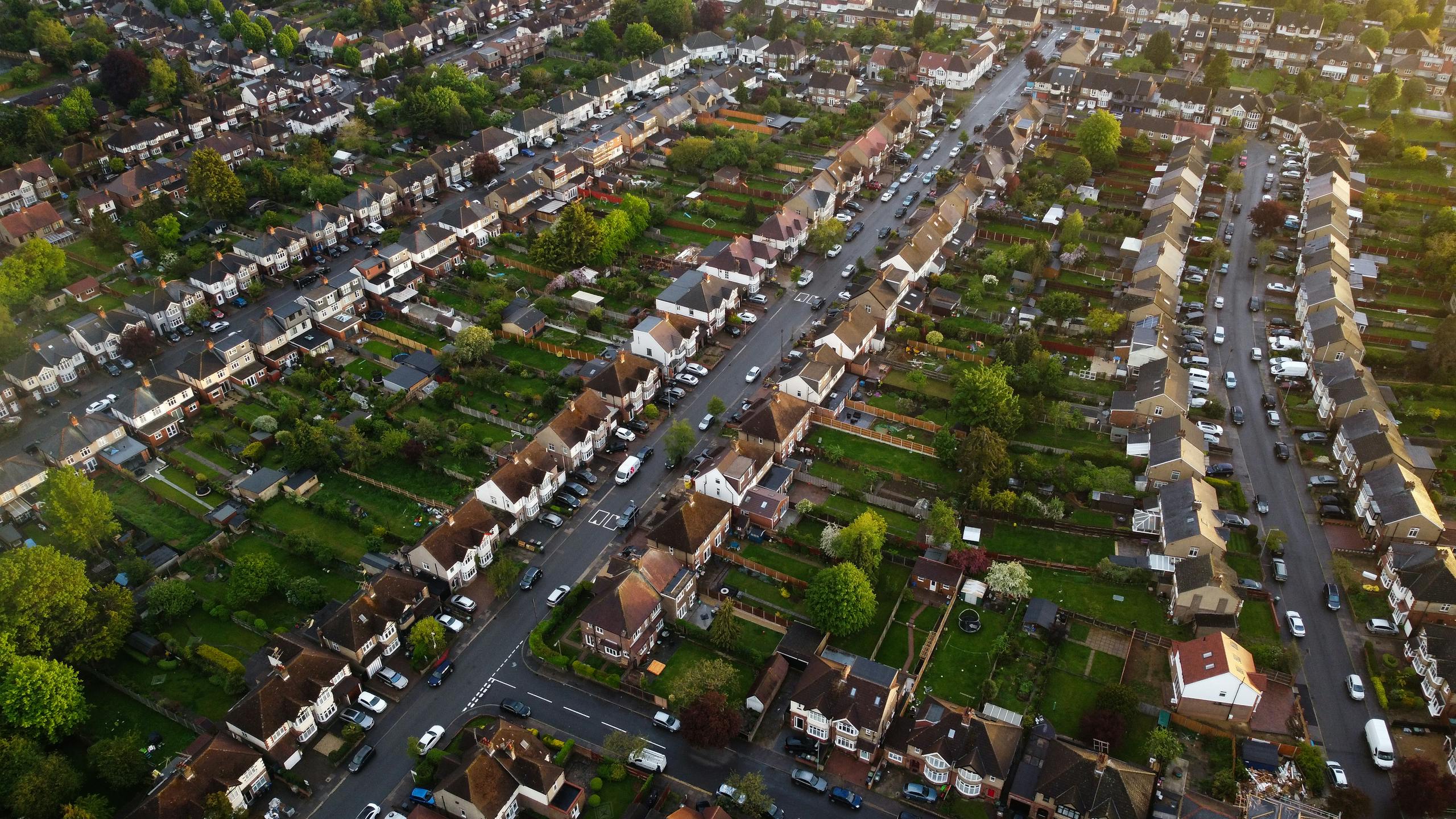
The first shock is usually the paycheck. A town may look affordable because rent is lower, but many low-cost areas also pay workers less. That means the savings can disappear the moment you trade a higher city salary for a local job that barely keeps up.
This is where the dream gets tricky. A $900 apartment sounds great until the best job nearby pays far less than what you earned before. Cheap living works best when your income stays strong, not when your bills shrink, and your paycheck shrinks right along with them.
The Job Market May Be Too Thin
Some low-cost towns depend on only a few major employers. That could be one hospital, one factory, one school district, one warehouse, or one government office. If you do not fit into that small job circle, your options can narrow fast.
This can make career growth harder than expected. In a bigger city, losing one job may still leave dozens of alternatives. In a smaller, low-cost area, losing one job may mean changing industries, commuting long distances, or moving again.
You May Need a Car for Everything
Cheap rent loses some sparkle when every errand requires a drive. Many low-cost communities have little public transportation, fewer walkable neighbourhoods, and long distances between homes, stores, schools, clinics, and jobs.
That means a car becomes a necessity, not a choice. Car costs can quietly crush the budget. Gas, insurance, repairs, tires, registration, and maintenance can eat up the money you thought you were saving. If two adults in the home need two cars, the “cheap” place may become surprisingly expensive.
Healthcare Can Be Harder to Reach

Healthcare access can be more limited in lower-cost rural towns and small communities. There may be fewer doctors, fewer specialists, fewer mental health providers, and longer drives to hospitals. That may not feel urgent until someone needs care quickly.
This matters most for families, seniors, pregnant women, people with chronic conditions, and anyone who needs regular appointments. A lower mortgage is helpful, but it does not replace a nearby emergency room or a specialist who can see you within weeks. When medical care is far away, cheap living starts to feel risky.
Public Services May Be Weaker
Low taxes can sound wonderful until you notice what they do not pay for. Some low-cost areas have fewer libraries, parks, shelters, youth programs, public health services, and emergency support systems. The town may be affordable because public investment is limited.
That tradeoff becomes serious when life gets hard. If someone loses a job, needs housing help, faces a family crisis, or needs community support, thin services can make recovery harder. A cheaper place should not leave residents feeling stranded when trouble arrives.
Internet and Childcare May Be Limited
Modern life depends on reliable internet. Work, school, telehealth, banking, job hunting, and small business operations all need a strong connection. In some low-cost areas, broadband can be weak, expensive, inconsistent, or unavailable in certain neighborhoods.
Childcare can create another hidden barrier. Parents may find cheaper housing but struggle to find safe, reliable childcare close to home. If childcare is scarce, one parent may have to cut hours, quit work, or rely on stressful last-minute arrangements.
Cheap Homes Can Hide Expensive Repairs

A low home price can seem like a blessing, but it may come with aging roofs, outdated plumbing, poor insulation, outdated wiring, weak heating systems, or years of deferred maintenance.
Older homes can drain money slowly at first, then suddenly demand thousands in repairs. That bargain house may not be such a bargain after the inspection report arrives.
Repairs can also be harder in smaller markets. There may be fewer contractors, longer wait times, and higher costs for specialized work. A cheap home becomes stressful when every repair requires calling five people, waiting three weeks, and paying more than expected.
Schools and Training Options Can Be Narrow
A low-cost place may have a strong community spirit, but fewer educational options. Smaller school districts may offer fewer advanced classes, extracurricular activities, tutoring programs, career pathways, or special services. For families with children, that can affect long-term opportunity.
Adults can feel the same limits. If you need a trade program, certification course, college class, or career training, nearby options may be scarce. A place that saves money today can make it harder to build a better income tomorrow.
Social Life Can Feel Smaller
Some people love the quiet rhythm of smaller towns. Others arrive and realize there are fewer restaurants, events, gyms, clubs, dating options, and places to meet people. The silence that felt peaceful at first can start feeling lonely.
This can be especially hard for newcomers. If everyone already knows everyone, building a social circle may take time. A place can be financially affordable and emotionally expensive at the same time.
It Can Be Harder to Leave Later

One of the biggest risks is getting stuck. If local wages are low, saving money for another move can become difficult. Moving costs, deposits, travel, repairs, and job-search expenses can pile up fast.
Homeowners may face another problem. If the local housing market is slow, selling the house may take longer than expected. A move that was supposed to create freedom can become a one-way door if your income drops and your exit plan disappears.
Conclusion
Cheap places are not automatically bad. Many low-cost towns offer space, calm, community, and a better pace of life. For remote workers, retirees, business owners, or families with strong local support, the move can make real sense.
The danger comes from looking at housing costs alone. Rent is only one part of affordability. Wages, jobs, healthcare, transportation, internet, childcare, schools, services, and future mobility all matter.
A low cost of living should make life easier, not smaller. Before moving somewhere cheaper, look beyond the price tag and ask what the place gives you, what it takes away, and how easily you could leave if the dream does not work out.