A family sits at the kitchen table today, worried about rent, grocery prices, medical bills, and another week that already feels too heavy. Modern stress can make daily life feel punishing, but history asks Americans to remember a far deeper kind of suffering.
The brutality of American slavery was not a private cruelty hidden in a few bad households. It was a system built to control people through fear, labor, separation, humiliation, and violence.
Enslaved people were punished for working too slowly, resisting orders, seeking family, learning, speaking back, escaping, or simply being treated as property in a country that denied their humanity. Their pain was not accidental. It was part of the machinery.
Looking honestly at these punishments is not about reopening history for shock value. It is about refusing to make the past softer than it was, especially when the lives of enslaved Americans were shaped by force, loss, and survival.
The Brutality of American Slavery Was Protected by Law
The brutality of American slavery lasted because violence was backed by law, money, custom, and public power. Laws controlled movement, labor, punishment, family life, and the right to resist, turning human bondage into something courts and officials could enforce through legal machinery.
That legal protection made punishment more terrifying. Enslaved people were not only facing one violent person. They were trapped inside a society that often treated their suffering as discipline, their resistance as crime, and their freedom as a threat.
Family Separation Became a Weapon
One of the cruelest punishments was the sale of loved ones. Husbands, wives, parents, children, and siblings could be separated with little warning, often because an enslaver wanted money, discipline, or control.
This punishment cut deeper than distance. It attacked memory, love, identity, and hope. Enslaved families lived with the constant threat of family separation, knowing a normal morning could become the last time they saw someone they loved.
Whipping Turned Pain Into Public Control
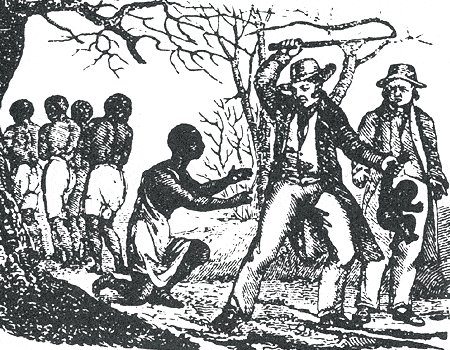
Whipping was one of the most common and feared punishments under slavery. It was used to force labor, punish resistance, frighten others, and remind enslaved people that their bodies were controlled by someone else.
The cruelty was physical, but it was also psychological. Public punishment turned pain into a warning for everyone watching. Historical exhibits on slavery describe the whip as part of a larger punishing system built to make fear feel constant.
Shackles and Chains Made Captivity Visible
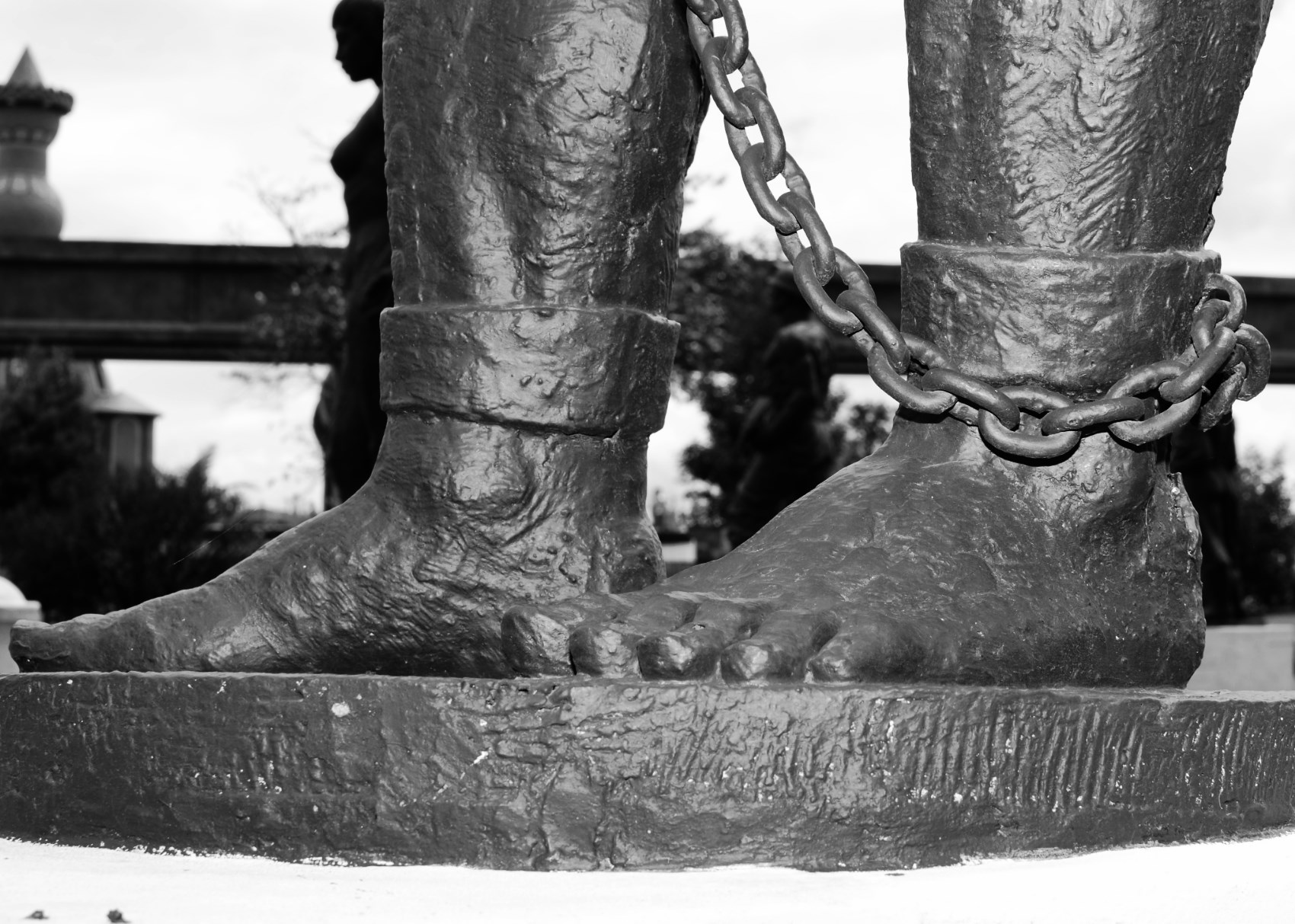
Shackles, chains, iron collars, and restraints made captivity something people could see and feel with every movement. These devices were not only used during transport or confinement. They were tools of humiliation meant to reduce human beings to controlled property.
The sound of chains carried its own terror. It announced restriction, punishment, and ownership before a word was spoken. For enslaved people, metal restraints turned the simple act of walking, sleeping, or standing into another reminder that freedom had been stolen.
Forced Labor Punished the Body Every Day
Forced labor was not only work. It was a punishment stretched across years. Enslaved people worked in fields, homes, workshops, cities, ports, and plantations under conditions shaped by exhaustion, surveillance, and threat.
The body paid the price daily. Heat, injury, hunger, illness, pregnancy, age, and grief rarely stopped the demand for labor. The system took strength from people and then punished them when their bodies could no longer keep pace.
Confinement Took Away Even Small Freedoms
Enslaved people could be locked in rooms, jails, stocks, smokehouses, or other confined spaces as punishment. Confinement was used to break resistance, isolate people from the community, and make fear settle into the body.
The cruelty of confinement came from its silence. A person could be cut off from family, fresh air, movement, and help. In a system already built on captivity, smaller forms of imprisonment added another layer of control.
Branding Tried to Mark People Forever

Branding was a brutal attempt to mark ownership onto the body. It treated human skin like a record of property, punishment, or capture. The goal was not only identification. It was shame, control, and permanent intimidation.
This punishment carried a message beyond the wound itself. It told the enslaved person that society intended to define them by bondage. Yet survival itself challenged that message, because the person remained fully human no matter what violence tried to claim.
Patrols Turned Escape Into Terror
Escape was one of the clearest acts of resistance, so enslavers built punishments around preventing it. Slave patrols, rewards, dogs, jails, and legal penalties made the search for freedom dangerous for those who ran and those who helped them.
Records tied to slavery include court cases, freedom seekers, fugitive slave enforcement, and laws that followed people across state lines through slavery records. The message was clear. Even the desire to be free could be treated as something punishable.
Sexual Violence Made Power Personal
Sexual violence was one of slavery’s most devastating forms of control. Enslaved women, girls, and sometimes men were vulnerable to assault, coercion, forced reproduction, and abuse because the law often refused to protect them.
This violence attacked the body, the family, and the spirit. It also exposed the hypocrisy of a society that claimed moral order while allowing enslavers to exploit people they held in bondage. Historical accounts of sexual exploitation make clear that this was not separate from slavery. It was part of its power..
These punishments reveal more than individual cruelty. They show how slavery used law, violence, labor, and family destruction to build power. The brutality of American slavery was not a footnote to the nation’s story. It shaped homes, wealth, politics, memory, and generations of pain.
Remembering this history honestly does not weaken America. It strengthens the moral courage to face what happened without hiding behind comfort. If these punishments were designed to erase humanity, what responsibility does the present have to keep that humanity visible?