Most American dog owners have done it at least once. We are sitting at the dinner table; the dog is staring like a tiny courtroom judge, and one innocent looking bite suddenly feels impossible to refuse. A scrap of turkey, a spoonful of peanut butter, a piece of cheese, or a slice of apple may seem harmless, especially when dogs act like every bite is the final meal on earth.
The problem is that many human foods sit in a dangerous gray area. Some are safe only when they are plain, cooked, unsalted, seedless, boneless, and served in tiny portions. Others can turn risky fast because of seasoning, fat, sugar, hidden sweeteners, bones, rinds, pits, or simple overfeeding. These are the everyday human foods that can quietly hurt your dog when we serve them the wrong way.
Turkey scraps can become a holiday vet bill.

Plain cooked turkey can be safe for dogs, but the turkey most Americans serve at Thanksgiving is rarely plain. It often comes with butter, garlic, onion, gravy, stuffing, herbs, skin, and salty pan drippings. That is where a harmless bite can become a stomach problem waiting to happen.
The biggest danger is rich, fatty leftovers. Turkey skin, gravy, and greasy scraps can upset a dog’s stomach and may trigger pancreatitis in vulnerable dogs. We should only offer small pieces of plain white meat with no bones, no skin, and no seasoning.
Peanut butter can hide a dangerous sweetener.
Peanut butter feels like the classic dog treat, especially when we use it in toys, pills, and training rewards. The danger is not always the peanuts. The danger is what some brands add to make peanut butter taste sweeter, lighter, or more appealing to humans.
Xylitol, sometimes called birch sugar, is extremely dangerous for dogs. Even a small amount can cause a sudden blood sugar crash and serious illness. We should always read the label before giving peanut butter to a dog, and the safest choice is plain, unsalted, xylitol free peanut butter served in a small smear.
Cheese can punish dogs with sensitive stomachs.
Many dogs love cheese, and small amounts of low-fat cheese may be fine for dogs that tolerate dairy. The problem is that many dogs do not digest dairy well. What looks like a cute training treat can lead to gas, diarrhea, vomiting, and a very uncomfortable night.
Cheese is also dense, salty, and fatty. A few cubes may not look like much to us, but they can be too much for a small dog. We should treat cheese like a rare reward, not an everyday snack, and avoid spicy, moldy, heavily processed, or garlic flavored cheeses.
Chicken is only safe when it is boring.

Chicken sounds like one of the safest foods we can give a dog, and it often is. Plain cooked chicken breast can be gentle, protein-rich, and useful when chopped into small pieces. The trouble starts when we share chicken from our own plate.
Fried chicken, rotisserie chicken, barbecue chicken, chicken wings, and seasoned chicken can carry salt, oil, spices, garlic, onion, bones, and skin. Cooked bones can splinter, and greasy skin can upset the stomach. The safest version is plain, boneless, skinless, fully cooked chicken with no sauce.
Apples are not safe when the core is in them.
Apple slices can be a crisp, refreshing snack for dogs. They offer crunch and sweetness without the heaviness of processed treats. Still, the safe part is the clean slice, not the entire apple tossed across the kitchen floor.
Apple cores can be hard to chew, and seeds should be removed. Large chunks can also become a choking hazard for smaller dogs. We should wash the apple, remove the core and seeds, and then serve thin slices in small portions.
Grapes and raisins are never worth the risk.
Some fruits are dog-friendly, but grapes and raisins are in a different category. They can be dangerous even though they look harmless, natural, and small. This is one of the food risks many families underestimate because grapes are so common in lunchboxes, fruit bowls, trail mixes, and holiday dishes.
Dogs should not eat grapes, raisins, or foods that contain them. That includes raisin bread, oatmeal raisin cookies, fruitcake, granola, and some snack mixes. If a dog eats grapes or raisins, we should contact a veterinarian or pet poison hotline quickly instead of waiting to see what happens.
Pumpkin pie filling is not the same as plain pumpkin.

Plain pumpkin can be helpful for many dogs because it contains fiber and is easy to mix into food. The problem is that many people grab the wrong can. Pumpkin puree and pumpkin pie filling may sit near each other at the grocery store, but they are not the same thing.
Pumpkin pie filling can contain sugar, spices, and additives that dogs do not need. Around fall and Thanksgiving, this mistake becomes especially easy to make. We should only use plain, unsweetened pumpkin puree and serve it in small amounts.
Fish can become dangerous when they are raw or bony.
Cooked fish can be a healthy treat for dogs when prepared correctly. Salmon, whitefish, and sardines packed in water can offer protein and beneficial fats. The danger appears when fish is raw, undercooked, heavily seasoned, fried, smoked, or full of bones.
Raw fish can expose dogs to bacteria and parasites. Small bones can scrape, choke, or lodge in the digestive tract. We should only serve plain, fully cooked, boneless fish in small portions and avoid salty smoked fish, sushi, and heavily seasoned seafood.
Corn is safe, but the cob is not.
Corn kernels can be safe for dogs when served plain and off the cob. The cob is the real danger. Many dogs treat corn cobs like chew toys, but swallowing pieces can cause choking or intestinal blockage.
This risk is especially common at summer cookouts, backyard barbecues, and family gatherings. A dog may grab a cob from a plate, trash bag, or picnic table before anyone notices. We should throw cobs away securely and only offer a few plain kernels if we want to share corn.
Fatty table scraps can hurt more than they help.
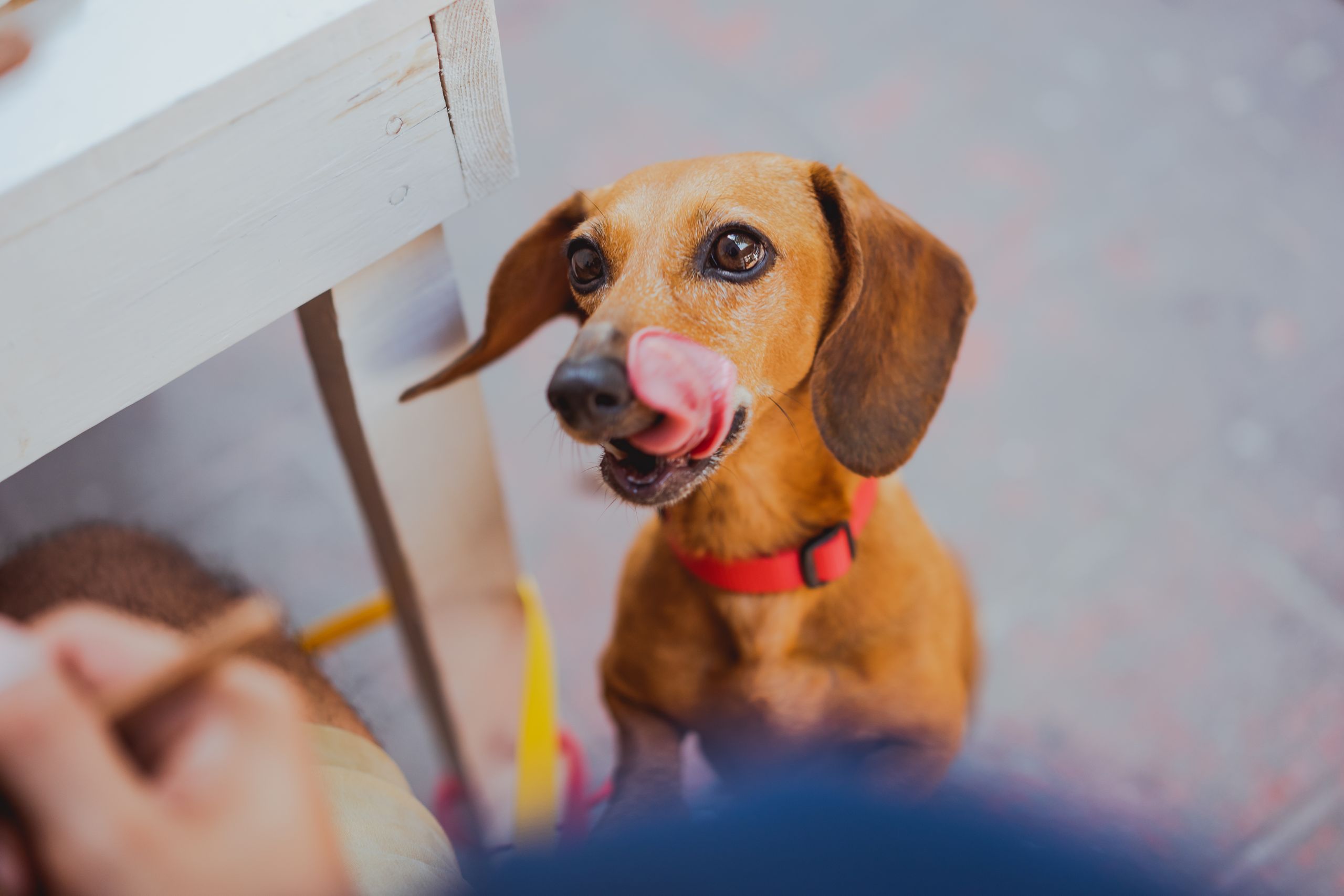
The most dangerous dog treats are often not exotic foods. They are everyday scraps from American kitchens, like bacon, ham, sausage, buttery mashed potatoes, gravy, pizza crust, fried foods, and meat trimmings. Dogs may love them, but a dog’s stomach is not built for repeated rich scraps.
Fatty foods can cause vomiting, diarrhea, weight gain, and pancreatitis. Salty foods can also create problems, especially for older dogs or dogs with medical conditions. The safest rule is simple: if the food is greasy, salty, spicy, buttery, or heavily processed, we should keep it away from the dog bowl.
How to share human food without making your dog sick
We can still share some human foods with dogs, but we need to treat them like controlled treats. The food should be plain, cooked when necessary, and free from bones, pits, seeds, rinds, sauces, garlic, onion, chocolate, caffeine, alcohol, and artificial sweeteners. A tiny taste is safer than a generous scoop.
We should also introduce one new food at a time. If a dog vomits, develops diarrhea, scratches more than usual, acts weak, refuses food, or seems painful after eating something new, that food should stop immediately. Dogs with diabetes, kidney disease, pancreatitis, allergies, obesity, or special diets need extra caution.
Conclusion
Human foods can look harmless because they are normal parts of American life. A peanut butter spoon, a turkey scrap, a cheese cube, or a piece of fruit may not seem like a threat when a dog is wagging, begging, and making the whole room feel guilty. The hidden risk is that dogs do not process every human food the way we do.
The safest human foods for dogs are plain, simple, and served in small amounts. When we remove seasoning, fat, bones, seeds, sweeteners, and sauces, we lower the chance of turning a loving treat into a painful mistake.
A dog does not need a plate of leftovers to feel included. Sometimes the kindest choice is a tiny safe bite, a full water bowl, and the regular dog food that keeps them healthy long after the table is cleared.