Cooking can feel forgiving until one small habit turns a beautiful dinner into something flat, rubbery, watery, bitter, or strangely disappointing. Most home cooks do not fail because they lack talent. They fail because the kitchen punishes tiny shortcuts that seem harmless in the moment.
The good news is that most common cooking mistakes are easy to fix once we understand the underlying pattern. Better cooking is rarely about fancy equipment or chef-school tricks. It is about heat, timing, texture, seasoning,patience, and smart food handling.
Starting Food in a Cold Pan

One of the fastest ways to ruin browning is adding food before the pan is properly heated. Meat, mushrooms, onions, tofu, and many vegetables need direct contact with a hot surface to build that golden crust we associate with restaurant-quality cooking. When we rush this step, food releases moisture before it sears, then sits in its own liquid instead of caramelizing.
A hot pan also helps prevent sticking, especially when cooking with stainless steel or cast iron. We should let the pan heat first, then add oil, then add the food once the oil begins to shimmer. Delicate ingredients like butter, garlic, seeds, and some spices need gentler timing because they can burn quickly, but proteins and sturdy vegetables usually reward patience with better flavor and texture.
Crowding the Pan Until Food Steams
Overcrowding is one of the most common cooking mistakes because it feels efficient. We want dinner done quickly, so we load the skillet with chicken, vegetables, potatoes, or mushrooms and hope everything browns at once. Instead, the pan temperature drops, moisture builds, and the food steams rather than sears.
Cooking in batches gives every piece enough space to touch the hot surface. This matters for stir-fries, roasted vegetables, fried rice, steak strips, chicken thighs, and crispy potatoes. If the pan looks packed, we should split the food into two rounds or use a larger sheet pan. A few extra minutes can turn pale, limp food into crisp, deeply flavored food.
Underseasoning Food Until It Tastes Flat
Salt is not just there to make food salty. It sharpens flavor, balances bitterness, wakes up sweetness, and helps ingredients taste more like themselves. Many home cooks add salt only at the end, then wonder why the dish tastes dull even after extra pepper, sauce, or cheese.
We should season in layers. Salt the pasta water, season meat before cooking, taste soups as they simmer, and adjust sauces before serving. Herbs, spices, citrus, vinegar, garlic, ginger, mustard, and chili can all add personality, but salt is often the foundation. The goal is not aggressive seasoning. The goal is food that tastes complete.
Using Old Spices With No Power Left
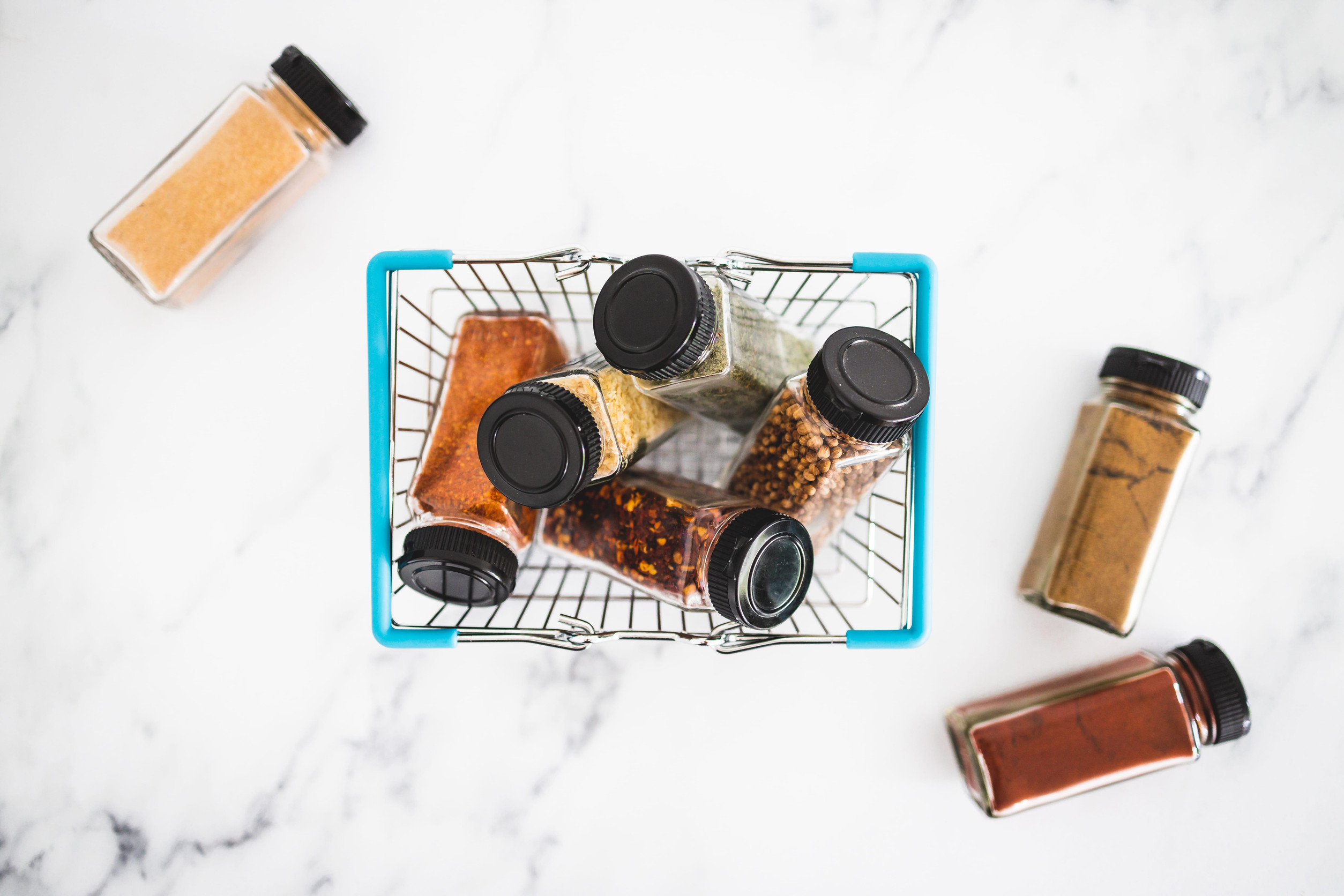
A cabinet full of spices does not help if most of them have lost their aroma years ago. Ground spices fade faster than whole spices, and old paprika, cumin, curry powder, oregano, or cinnamon can make food taste dusty instead of lively. This mistake is sneaky because the jar still looks fine.
We should smell spices before using them. If the aroma is weak, stale, or almost missing, the flavor will be weak too. Buying smaller quantities, labeling purchase dates, and storing spices away from heat and light can make a major difference. Toasting whole spices briefly in a dry pan can also deepen flavor before grinding or adding them to a recipe.
Overcooking Vegetables Into Mush
Vegetables deserve better than being boiled, roasted, or steamed until they collapse. Overcooked broccoli turns dull and sulfurous, carrots lose their snap, green beans become limp, and zucchini can release so much water that the whole dish feels soggy. Texture is often the difference between vegetables people tolerate and vegetables people actually want.
We should cook vegetables until they are tender but still alive in color and structure. Blanching, steaming, quick sautéing, and high-heat roasting all work well when timed carefully. For green vegetables, an ice bath after blanching can stop the cooking and lock in color. For roasted vegetables, enough space on the pan helps them brown instead of soften into watery piles.
Cooking Meat Without a Thermometer
Guessing meat doneness by color, touch, or cutting into the center can lead to dry food or unsafe food. Chicken can look cooked before it reaches a safe temperature, and steak can lose precious juices when sliced too early for checking. A thermometer removes the guesswork.
We should use an instant-read thermometer for chicken, turkey, burgers, pork, fish, casseroles, and leftovers. It helps us avoid both extremes: undercooking food that needs more heat and overcooking food until it becomes dry. Once we start checking temperatures, cooking becomes more consistent, less stressful, and far easier to repeat.
Skipping the Resting Time After Cooking Meat
Cutting meat the second it leaves the pan is a classic mistake. During cooking, juices move toward the surface. If we slice immediately, those juices spill onto the cutting board instead of staying in the meat. The result can be a steak, pork chop, chicken breast, or roast that tastes drier than it should.
Resting does not need to be complicated. Small cuts may need only a few minutes, while larger roasts need longer. We can use that time to finish a salad, warm plates, reduce a pan sauce, or garnish the dish. Resting gives the meat time to settle, making each slice juicier and more satisfying.
Burning Garlic Before the Dish Begins
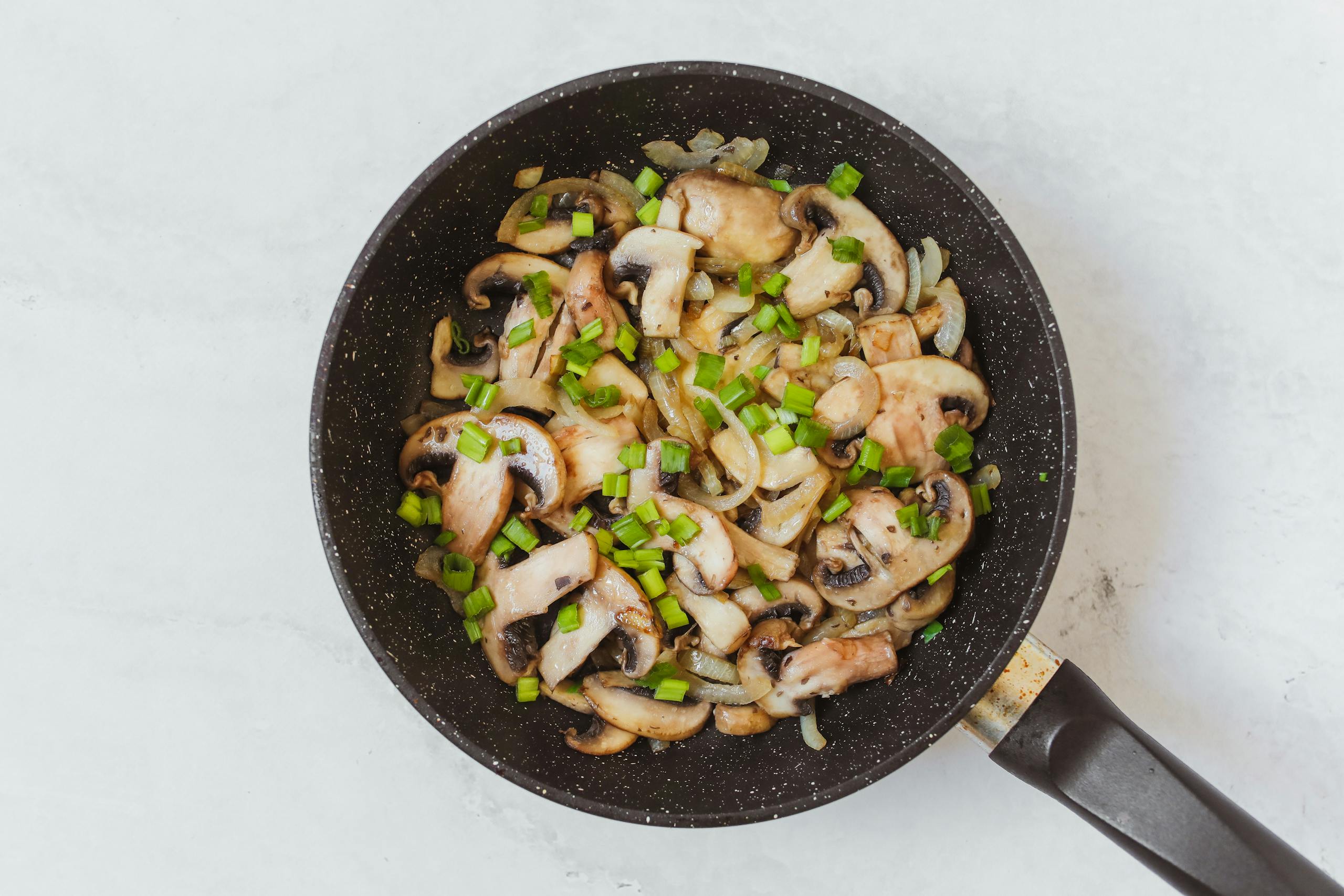
Garlic can make a dish smell incredible within seconds, but it can also turn bitter just as fast. Many recipes start with oil, onions, and garlic together, but garlic often cooks much faster than onions. If it browns too deeply before the other ingredients are added, the burnt flavor can spread throughout the entire dish.
We should add garlic later when possible, especially in high-heat cooking. In many sautés, onions, peppers, carrots, or celery can go first, then garlic can join for the last thirty seconds before liquid, tomatoes, meat, or vegetables enter the pan. Once garlic smells fragrant, it has usually done its job.
Stirring Too Often
Some dishes need frequent stirring, but many foods need stillness. Meat cannot sear if we keep moving it. Mushrooms need time to release moisture and brown. Potatoes need steady contact with the pan to form crisp edges. Constant stirring makes food cook, but it often prevents food from developing flavor.
We should learn to leave food alone when browning matters. Place it in the pan, listen for the sizzle, and give it time. If food sticks badly, it may not be ready to flip. Once a crust forms, it often releases more easily. Patience creates the color that brings depth, aroma, and better texture.
Ignoring Texture
Flavor matters, but texture keeps food interesting. A bowl of creamy pasta can feel heavy without toasted breadcrumbs, crisp bacon, fresh herbs, or a crunchy salad on the side. A soft stew can feel richer with toasted nuts, crusty bread, fried shallots, or raw scallions. Texture gives the mouth something to notice.
We should think about contrast before serving. If the dish is soft, add crunch. If it is dry and crisp, add sauce. If it is rich, add something fresh. If it is thin, add body. Great home cooking often comes from simple finishing touches that make the final plate feel more complete.
Using the Wrong Cooking Fat
Every fat has a job. Butter brings flavor but can burn at high heat. Extra virgin olive oil is beautiful for medium heat, dressings, and finishing, but it may not be the best choice for every screaming-hot sear. Neutral oils can handle many high-heat tasks without adding a strong flavor.
We should match the fat to the cooking method. Use butter when we want richness and can control the heat. Use neutral oil for searing, frying, and high-heat sautéing. Use olive oil when its flavor supports the dish. The right fat protects flavor, improves browning, and prevents bitterness.
Cutting Ingredients Into Uneven Sizes
Uneven cuts create uneven cooking. Large potato chunks stay hard while tiny pieces fall apart. Thick carrot slices remain firm while thin ones turn soft. Chicken pieces of different sizes cook at different speeds, leaving some dry and some underdone.
We do not need perfect chef-level knife work, but we do need consistency. Ingredients that cook together should be close in size. Dense vegetables should be cut smaller than tender ones if they are added to the pan at the same time. Better cutting makes recipes easier to control and helps every bite feel intentional.
Using Dull Knives

A dull knife makes cooking slower, messier, and more dangerous. It crushes tomatoes, tears herbs, slices onions, and forces us to press harder than we should. That extra pressure increases the chance of accidents.
Sharp knives make prep cleaner and more confident. We should hone knives regularly, sharpen them as needed, and avoid glass cutting boards, which quickly damage blades. A stable cutting board, a dry handle, and a sharp edge make everyday cooking feel smoother from the first chop to the final garnish.
Washing Raw Meat or Poultry
Washing raw chicken, beef, pork, or turkey may feel like a good idea, but it can spread raw juices around the sink, counter, faucet, utensils, and nearby food. Cooking is what makes meat safe, not rinsing. The safer habit is to pat meat dry with paper towels, throw the towels away, wash hands, and sanitize any surface that touched raw juices.
Drying meat still matters because surface moisture blocks browning. A dry chicken thigh, steak, or pork chop sears better than a wet one. We can achieve better texture without increasing cross-contamination risk by skipping the rinse and drying carefully instead.
Measuring Poorly When Baking
Cooking allows improvisation, but baking is less forgiving. Too much flour can make cakes dry, cookies tough, and bread dense. Too little leavening can leave muffins flat. Too much baking soda can create a bitter taste. Small measuring mistakes can change the entire result.
We should use measuring cups carefully, level dry ingredients, and use a kitchen scale when possible.
We do not need a professional kitchen to cook better meals. We need better awareness of heat, timing, safety, and balance. Once these common cooking mistakes disappear from our routine, everyday food starts tasting cleaner, brighter, richer, and far more intentional.