It can start in the most ordinary place. A kitchen after a long workday, a crowded parking lot after groceries, a front porch after a family dinner, or a car ride where money stress finally turns into raised voices.
Most people do not wake up planning to get arrested after an argument. They are tired, embarrassed, angry, scared, or trying to make one more point after the conversation has already gone too far.
That is why knowing how a simple argument can turn into an arrest matters. The shift from heated words to legal trouble can happen fast, especially when someone feels threatened, witnesses call 911, property gets damaged, or police arrive at a scene that already looks unstable.
Arguments are human. Arrests begin when the argument starts looking like danger, disorder, intimidation, or a crime in progress.
Shouting in Public Until It Becomes a Disturbance

A loud argument in a parking lot, an apartment hallway, a restaurant, a store, or on a neighborhood street can quickly attract attention. People may not know what started the fight, but they may call the police if the yelling sounds threatening, aggressive, or out of control.
Public noise and fighting can lead to legal trouble, depending on state and local laws. Some disorderly conduct laws cover behavior that disturbs others, creates alarm, or poses a risk to public safety, meaning that volume alone can be part of the problem.
Putting Hands on Someone During the Fight
A shove, a grab, a slap, a blocked doorway, or a forceful touch can change everything. What one person calls “barely touching” may look very different to the person on the receiving end, a witness, or an officer trying to sort out the scene.
Physical contact does not have to cause serious injury to matter legally. The assault legal definition can include acts that put someone in reasonable fear of harmful or offensive contact, which is why heated moments can become criminal allegations fast.
Making Threats You Later Claim Were “Just Words”
People say ugly things when angry, but threats can carry real consequences. Saying you will hurt someone, destroy their property, follow them, expose them, or make them “pay” can sound very different once police are involved.
The danger is that intent may be judged by context, not just your explanation later. If the other person reasonably believes the threat is serious, the argument may stop looking like speech and start looking like intimidation.
Breaking, Throwing, or Punching Property

A phone slammed on the floor, a glass thrown at the wall, a door kicked in, or a hole punched through the drywall can turn a verbal fight into a property-damage issue. Even if nobody gets hit, the scene can look frightening and unstable.
Property damage also changes how police read the risk. Broken objects may suggest that the argument has already shifted from anger to a loss of control, especially if the other person says they felt scared or trapped.
Arguing With a Partner Until It Looks Like Domestic Violence
Arguments between partners, spouses, exes, roommates, or family members can be treated differently from a random shouting match. When police hear claims of threats, physical contact, coercion, intimidation, or fear inside a close relationship, the stakes rise fast.
Domestic violence is not only about visible bruises. The domestic violence definition includes patterns of abusive behavior involving power and control, including physical, emotional, economic, psychological, technological, or threatened actions.
Refusing to Leave After Being Told to Go
A fight can become more serious when someone refuses to leave a home, business, workplace, or private property after being told to go. What began as a personal dispute can suddenly involve trespass, harassment, or police removal.
This often happens after breakups, family arguments, roommate fights, or conflicts outside bars and stores. Staying to “finish the conversation” can look less like persistence and more like intimidation once the other person has clearly asked for space.
Following Someone After They Walk Away

When someone leaves an argument, following them can quickly escalate the situation. It may happen in a parking lot, down a hallway, outside a workplace, through a neighborhood, or by repeatedly showing up after being told not to.
The person following may think they are seeking closure. The other person may feel chased, pressured, or unsafe, and that difference can matter once witnesses or police become involved.
Letting Alcohol or Drugs Take Over the Moment
Alcohol and drugs can make an argument louder, riskier, and harder to de-escalate. People may misread tone, forget what happened, move unpredictably, or say things they would never say sober.
Substance use does not excuse behavior after the fact. Stress already affects judgment, and stress affects behavior in ways that can become worse when alcohol, drugs, exhaustion, or fear are added to the situation.
Ignoring Police Instructions When They Arrive
Once police arrive, the argument is no longer just between the people involved. Officers may separate people, ask questions, give commands, or try to secure the scene before deciding what happened.
Refusing to step back, continuing to yell, pulling away, interfering, or trying to leave at the wrong moment can create new trouble. Guidance on being stopped by police often stresses staying calm, keeping hands visible, and avoiding sudden movements during encounters with law enforcement.
Turning an Arrest Attempt Into a Bigger Charge
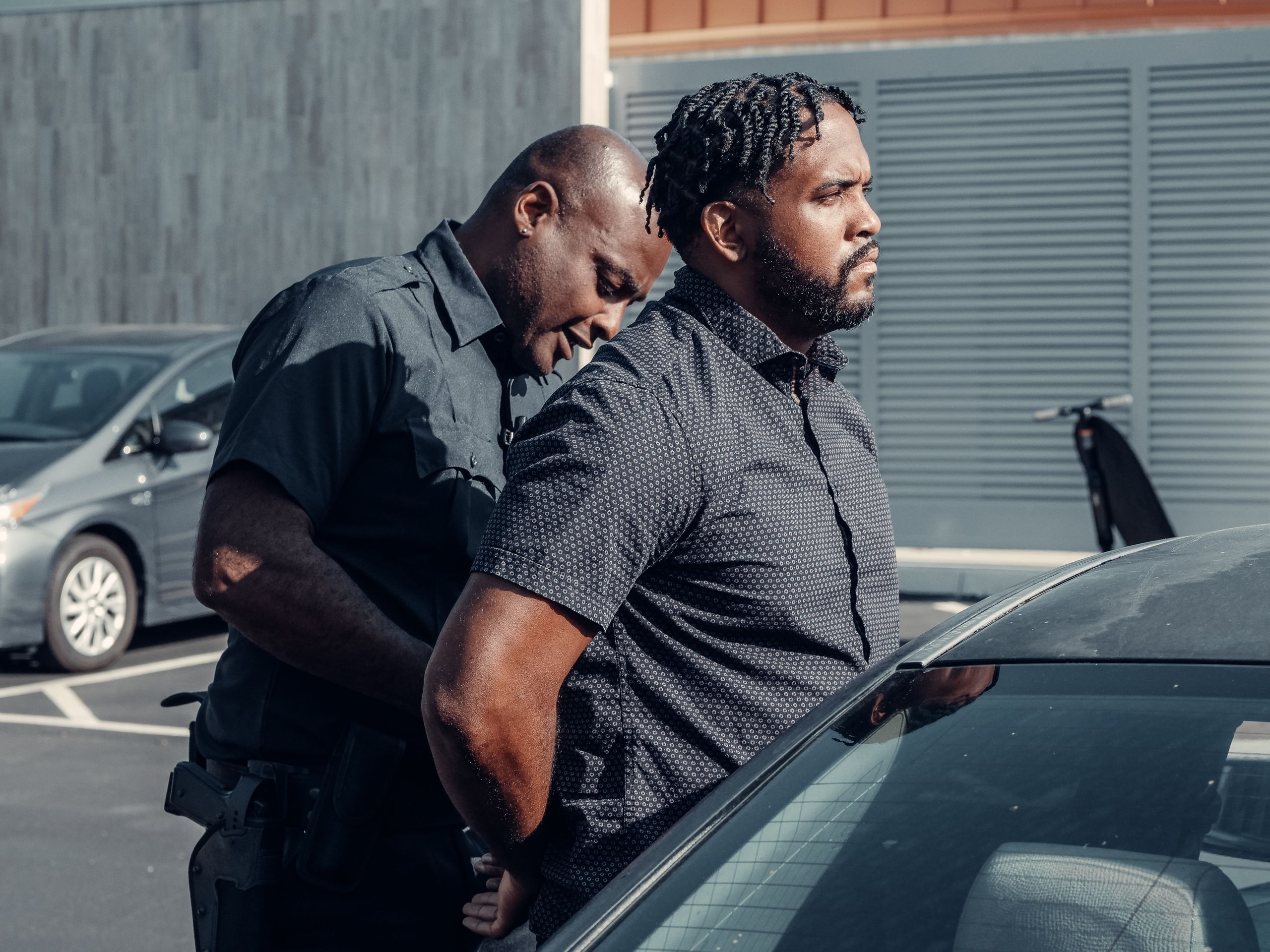
The moment someone is being detained or arrested, panic can take over. A person may pull an arm away, tense up, argue more forcefully, push past an officer, or try to walk away because the situation feels unfair or terrifying.
That reaction can make things worse. A resisting arrest charge may arise when someone is accused of intentionally obstructing or interfering with an officer, and the added charge can outlast the original argument.
Key Takeaway
A simple argument can turn into an arrest when anger starts creating fear, public disruption, threats, physical contact, property damage, or resistance once police arrive. The legal trouble often begins when the situation no longer looks like a disagreement and starts looking unsafe.
The smartest move is not to win the last word. It is to lower the temperature before the argument becomes a scene that other people, cameras, witnesses, or officers have to interpret.
Walk away, stop texting, keep your hands to yourself, avoid threats, leave when asked, and calm down before pride turns one bad moment into a record. Most arguments are survivable, but the choices made in the hottest minutes can follow a person long after the fight itself.