Online drama can feel like harmless entertainment, but it quietly shapes opinions, moods, and relationships. Americans often ignore these effects, scrolling past chaos as if it does not touch daily life. The truth is, this digital turbulence affects how we think, interact, and even manage our mental health, whether we realize it or not.
Social Media Amplifies Conflict
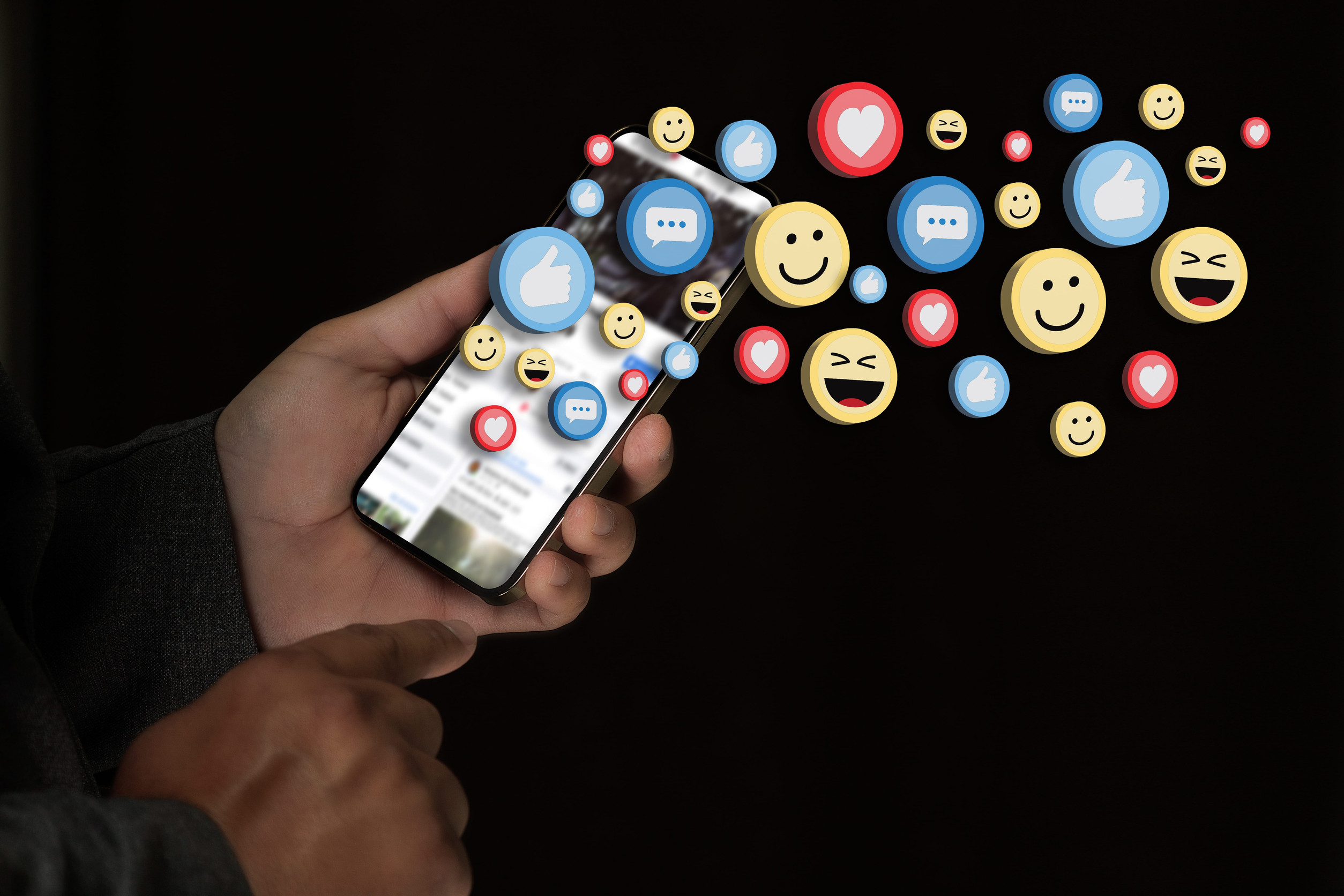
Platforms are designed to spotlight outrage and controversy. Small disagreements blow up fast, and everyone watching feels compelled to take sides. This constant magnification leaves users drained and emotionally reactive.
Arguments on social media rarely resolve anything. They repeat patterns instead of creating understanding. Americans may think they are informed, yet they often absorb stress and misinformation instead.
These interactions influence daily mood and perspective. Online fights spill over into family conversations, work, and friendships. Recognizing the amplification is the first step to regaining control.
FOMO Feeds Drama
Fear of missing out keeps people glued to updates and notifications. Americans scroll endlessly to see what others say, post, or do, often sacrificing focus and calm. This constant vigilance creates fertile ground for unnecessary tension.
Comparisons fuel resentment. Seeing selective highlights of lives makes everyday realities feel dull or unfair. Online drama then becomes a stage for projecting frustration and envy.
FOMO encourages participation in controversies even without full context. People react before thinking, further escalating conflicts. Awareness of this habit can reduce impulsive engagement.
Emotional Investment Often Exceeds Reality
Many Americans invest real emotions in virtual disputes. Digital debates feel urgent, personal, and immediate. Yet, most participants will never meet face to face.
Online anger can linger longer than in-person disagreements. It affects sleep, focus, and judgment. The emotional toll of participating in virtual drama is real, even if the participants are invisible strangers.
Reducing emotional stakes helps protect mental space. Observing rather than reacting is a subtle skill with strong benefits. Detachment does not mean apathy; it means self-preservation.
Misinformation Makes Everyone Mad

Drama spreads faster when facts are blurred or missing. Americans often share content impulsively, adding fuel to flames. Misleading posts, rumors, and exaggerations escalate minor conflicts into viral spectacles.
Believing unverified information can harm relationships. It creates trust issues and unnecessary anxiety. Social media thrives on reactions, not accuracy.
Critical thinking slows the cycle. Questioning sources and delaying shares can prevent conflicts before they escalate. The easiest way to avoid drama is to pause before reacting.
Public Shaming Is Casual
Online audiences can be ruthless, turning minor missteps into viral shaming. Americans may laugh, comment, or pile on without considering the human impact. Collective aggression can permanently damage reputations.
Shaming is addictive because it gives instant validation. Users feel a rush when participating. Yet, this validation comes at the expense of empathy and sometimes reality.
Awareness of public shaming patterns helps users make better choices. Questioning whether adding fuel is necessary can reduce harm. A conscious approach fosters healthier online spaces.
Algorithms Prioritize Outrage
Social feeds reward content that triggers strong emotions. Americans are nudged to see posts that provoke anger, fear, or scandal. The algorithm does not care if drama is constructive or destructive.
Repeated exposure to conflict trains the brain to anticipate outrage. This subtly rewires priorities, making people crave more sensational content. Calm or nuanced posts get buried in the noise.
Recognizing this bias allows intentional feed curation. Following accounts that promote thoughtful discussion instead of constant chaos can restore balance. Choice matters even in a seemingly uncontrollable algorithm.
Cancel Culture Creates Fear
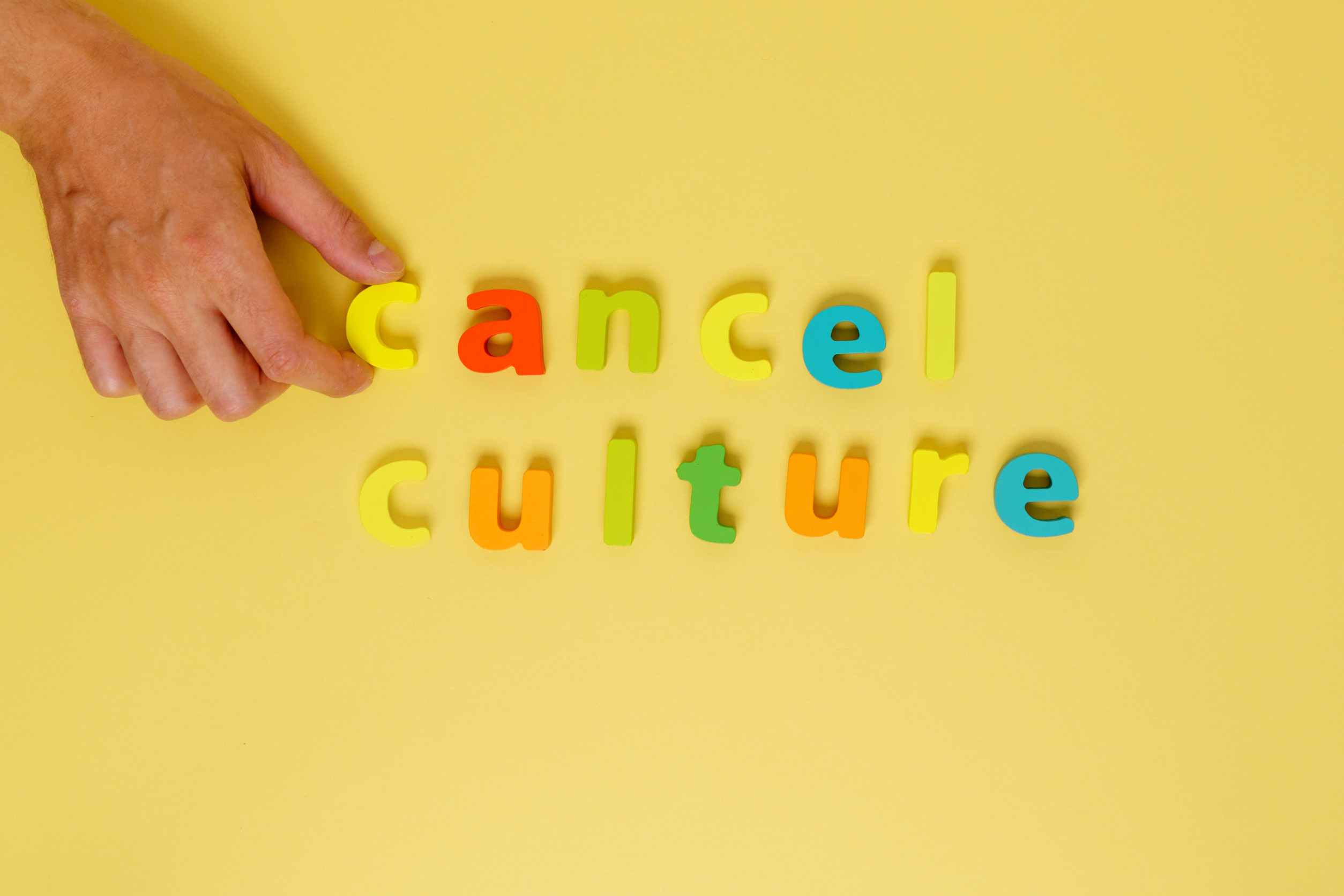
Cancel culture can feel like accountability, but it often fuels anxiety and drama. Americans may avoid expressing opinions out of fear of backlash. Every post becomes a potential misstep under scrutiny.
The threat of cancellation affects creativity, humor, and debate. People self-censor, sometimes unnecessarily, creating a tense online environment. It also encourages performative responses rather than genuine engagement.
Understanding the dynamics helps users navigate conversations more calmly. Taking a step back can prevent panic reactions. Freedom of expression benefits from responsibility, not fear.
Emotional Contagion Spreads Quickly
Digital emotions are contagious. Seeing angry, anxious, or outraged posts can provoke similar reactions in readers. Americans often overlook how their mood shifts simply by scrolling.
This ripple effect shapes entire communities. One viral rant can escalate stress and arguments across multiple networks. Recognizing this influence is critical to maintaining emotional stability.
Taking intentional breaks or muting drama-heavy accounts can reduce emotional contagion. Curating a balanced digital diet protects mental well-being. Online interaction should energize, not exhaust.
Online Drama Distracts From Real Life

Participating in drama consumes time and attention that could go to family, work, or personal growth. Americans may feel productive scrolling through debates, but hours vanish into virtual chaos. Ignoring this reality magnifies its cost.
Chasing conflict online often replaces meaningful engagement offline. Relationships, hobbies, and focus suffer. Awareness creates an opportunity to redirect energy toward tangible benefits.
Limiting exposure and prioritizing offline connection restores perspective. Using social media as a tool, not a trap, preserves mental clarity. Life outside the feed remains more rewarding than any digital argument.
Conclusion
Online drama quietly shapes moods, relationships, and perceptions in ways Americans often ignore. Social media amplifies conflict, fuels FOMO, spreads misinformation, and encourages emotional overinvestment. Each interaction leaves traces that affect mental health, priorities, and real-life outcomes.
Recognizing these harsh truths allows conscious engagement. Detaching, questioning sources, limiting emotional stakes, and curating feeds protect attention and well-being. Americans who confront these realities can reclaim focus, energy, and emotional balance in an otherwise chaotic digital world.