Losing weight after 50 can feel unfair, especially when the same habits that worked years ago suddenly stop delivering results. The body changes, energy dips faster, cravings become harder to ignore, and even small mistakes can show up on the scale like they were invited to stay.
The problem is not age alone. It is the quiet mix of muscle loss, slower routines, poor sleep, stress eating, weaker meal structure, and fitness plans that no longer match the body’s needs. The good news is that weight loss after 50 is still possible, but only when we stop falling into the traps that make progress harder than it has to be.
Ignoring Muscle Loss Makes the Scale More Stubborn
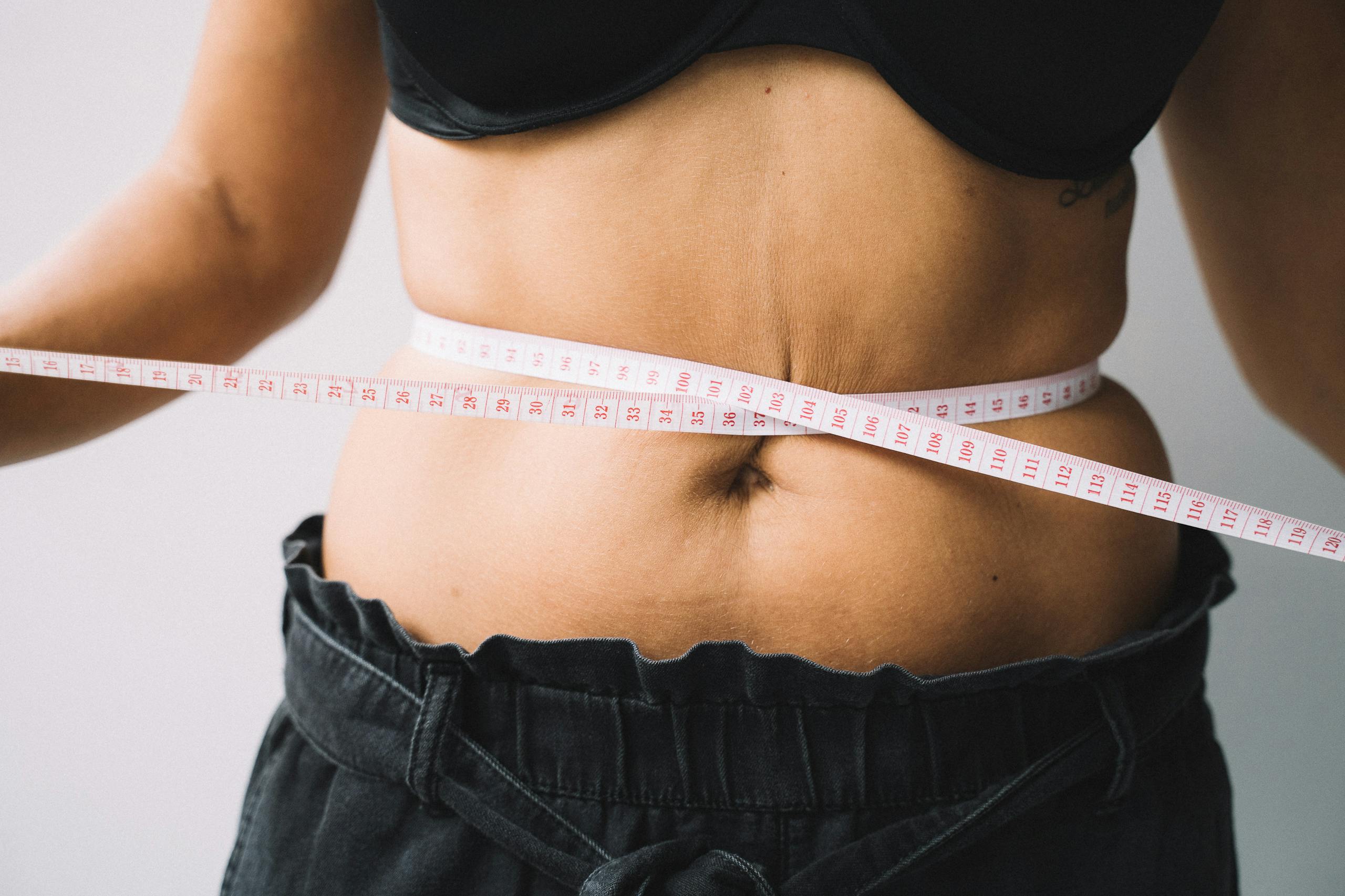
One of the biggest weight-loss traps after 50 is pretending muscle loss doesn’t matter. As we age, the body naturally starts losing muscle, which can make it easier to gain fat even when meals haven’t changed much.
Less muscle also means fewer calories burned at rest, weaker balance, lower stamina, and a body that feels older faster than it should. This is why weight loss after 50 should never be based solely on dieting. We need strength training, protein, and daily movement to help the body burn energy more effectively.
Walking is helpful, but lifting weights, using resistance bands, doing bodyweight exercises, or training with machines gives the body a stronger reason to hold onto muscle while fat comes down.
Eating Like You Are Still 35 Can Backfire Fast
A harsh truth about aging is that the body may need less food than it once did. Portions that felt normal in the past can quietly become too much after 50, especially if daily movement has dropped.
A second helping, a bigger snack, or a late-night treat may not seem serious in the moment, but the body keeps the receipt. That does not mean we should starve ourselves or live on tiny meals. It means we need smarter plates.
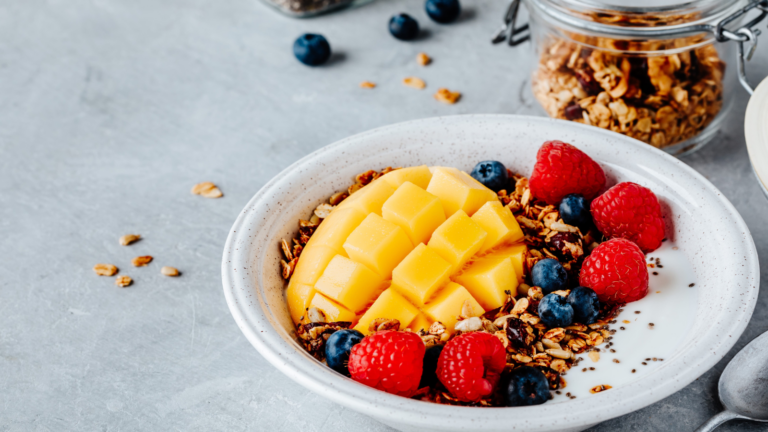
More lean protein, vegetables, beans, fruit, whole grains, and high-fiber foods can keep meals satisfying without overloading calories. The real goal is not to eat less of everything, but to eat more of what keeps us full and less of what leaves us hungry again an hour later.
Skipping Protein Is a Costly Mistake
Many people over 50 eat meals that are too light on protein, especially at breakfast. Toast, cereal, crackers, pastries, or coffee alone may be quick, but they do little to protect muscle or control hunger. By late morning, cravings usually arrive with confidence, and the day starts turning into a snack hunt.
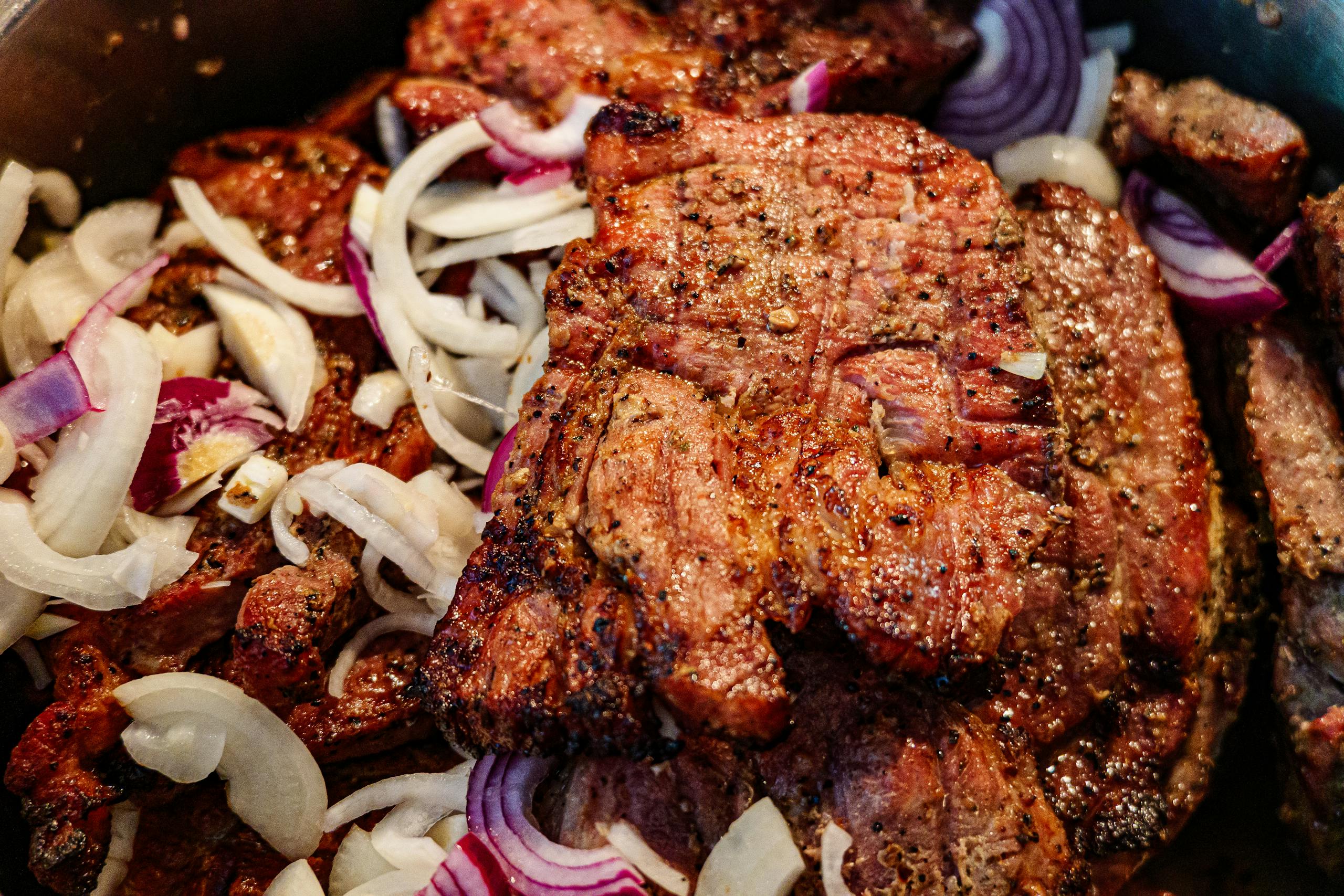
Protein should be part of every meal. Eggs, Greek yogurt, cottage cheese, fish, chicken, turkey, beans, lentils, tofu, and lean meats can all help. A protein-rich breakfast can make the whole day easier by reducing shaky hunger and impulsive eating.
After 50, protein is not just a fitness trend. It is a survival tool for strength, fullness, and better weight control.
Depending on Cardio Alone Leaves the Body Undertrained
Cardio is useful, but relying on cardio alone can become a frustrating trap. Many people walk, cycle, or use a treadmill and wonder why their bodies still feel soft, weak, or stuck.
Cardio burns calories during the activity, but it does not build muscle as effectively as strength training. A better plan combines both. Brisk walking, swimming, dancing, cycling, and low-impact aerobics support heart health and help burn calories.
Strength training helps shape the body, protect joints, and preserve lean mass. After 50, the strongest results usually come from pairing calorie-burning movement with strength-building movement.
Sitting Too Much Can Quietly Cancel Your Effort

A workout does not completely erase a sedentary day. This is where many people get trapped. They exercise for 30 minutes, then sit for eight or nine hours, drive everywhere, scroll at night, and move very little outside planned workouts.
The body notices the whole day, not just the workout window. Small movement breaks matter more than people think. Standing during phone calls, walking after meals, taking stairs, stretching during television time, gardening, cleaning, or taking short walks can all help.
These habits may look too simple to matter, but they add up. Weight loss after 50 becomes easier when movement becomes part of the day rather than an isolated event.
Poor Sleep Makes Cravings Louder
Bad sleep can make weight loss feel almost impossible. When we do not sleep well, hunger feels stronger, energy drops, patience gets thinner, and sugary foods become more tempting.
After 50, sleep can become harder because of stress, menopause symptoms, pain, medication, alcohol, or late-night screen use. A better sleep routine can support weight loss without feeling like another diet rule.
Keeping a regular bedtime, reducing caffeine later in the day, limiting alcohol at night, cooling the bedroom, and putting screens away earlier can make a difference. When sleep improves, food choices often improve too. A rested body is simply easier to manage than an exhausted one.
Stress Eating Can Destroy a Good Week
Stress becomes a major weight loss enemy after 50 because life often gets more complicated. Careers, bills, aging parents, adult children, health concerns, and retirement worries can pile up. Food becomes an easy escape, especially at night when the house is quiet, and self-control is tired.
The danger is that stress eating rarely feels like a full meal. It looks like a handful of chips, a few cookies, a little ice cream, or one more glass of wine. Then it repeats. A better strategy is to create a pause before eating.
Walking, stretching, showering, journaling, calling someone, praying, or listening to music can help break the automatic link between pressure and the pantry.
Drinking Calories Makes Progress Disappear
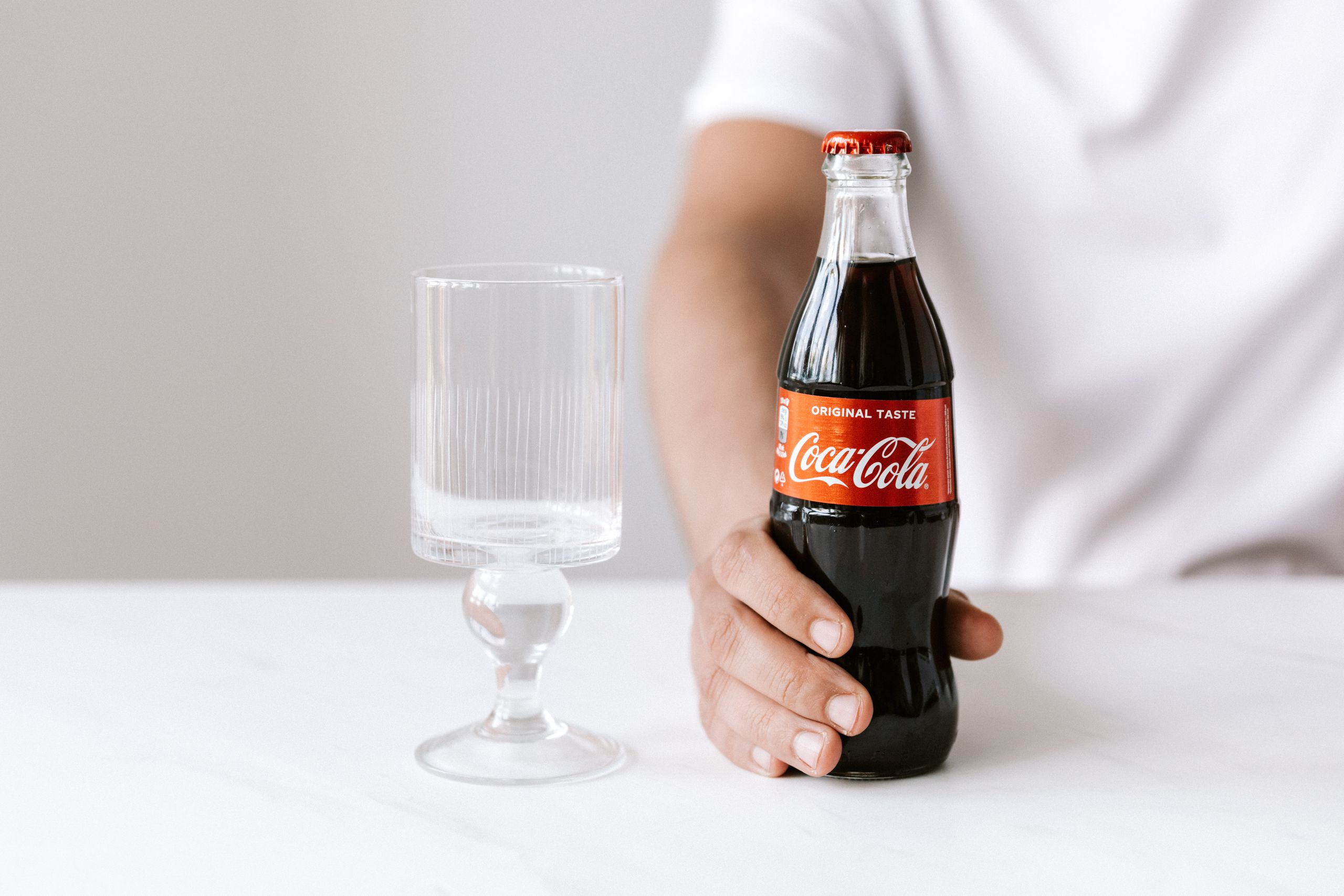
Liquid calories are sneaky because they do not feel as filling as solid foods. Sweet coffee drinks, soda, juice, alcohol, sweet tea, and oversized smoothies can add up quickly without making us feel full. After 50, these habits can become even more damaging because the body may have less room for extra calories.
The fix is not complicated. Water, sparkling water, unsweetened tea, black coffee, or lightly flavored water should become the normal routine. Treat drinks like actual treats, not invisible extras. If the scale is stuck, drinks are one of the first places to look.
Weekend Eating Can Erase Weekday Discipline
Many people eat carefully all week, then lose control from Friday night to Sunday. Restaurant meals, desserts, alcohol, family gatherings, snacks, and bigger portions can wipe out the progress made during the week.
The frustrating part is that Monday arrives, the scale has not moved, and it feels like the plan is broken. The plan may not be broken. The weekend may be the problem. A smarter weekend strategy can include eating protein before going out,
Choosing one indulgence instead of several, splitting restaurant portions, drinking water between alcoholic drinks, and taking a walk after larger meals. Weight loss after 50 gets easier when weekends stop acting like a loophole.
Chasing Crash Diets Makes the Body Weaker
Crash diets are tempting because they promise fast results, but they can be brutal after 50. Losing weight too quickly can mean losing muscle along with fat, which is exactly what we should be trying to avoid.
The scale may drop, but energy, strength, mood, and metabolism can suffer. A better approach is steady fat loss. That means eating enough protein, lifting weights, walking regularly, sleeping better, and creating a moderate calorie deficit.
The goal is not to become smaller at any cost. The goal is to become lighter, stronger, healthier, and more capable.
Ignoring Medical Issues Can Keep Weight Stuck
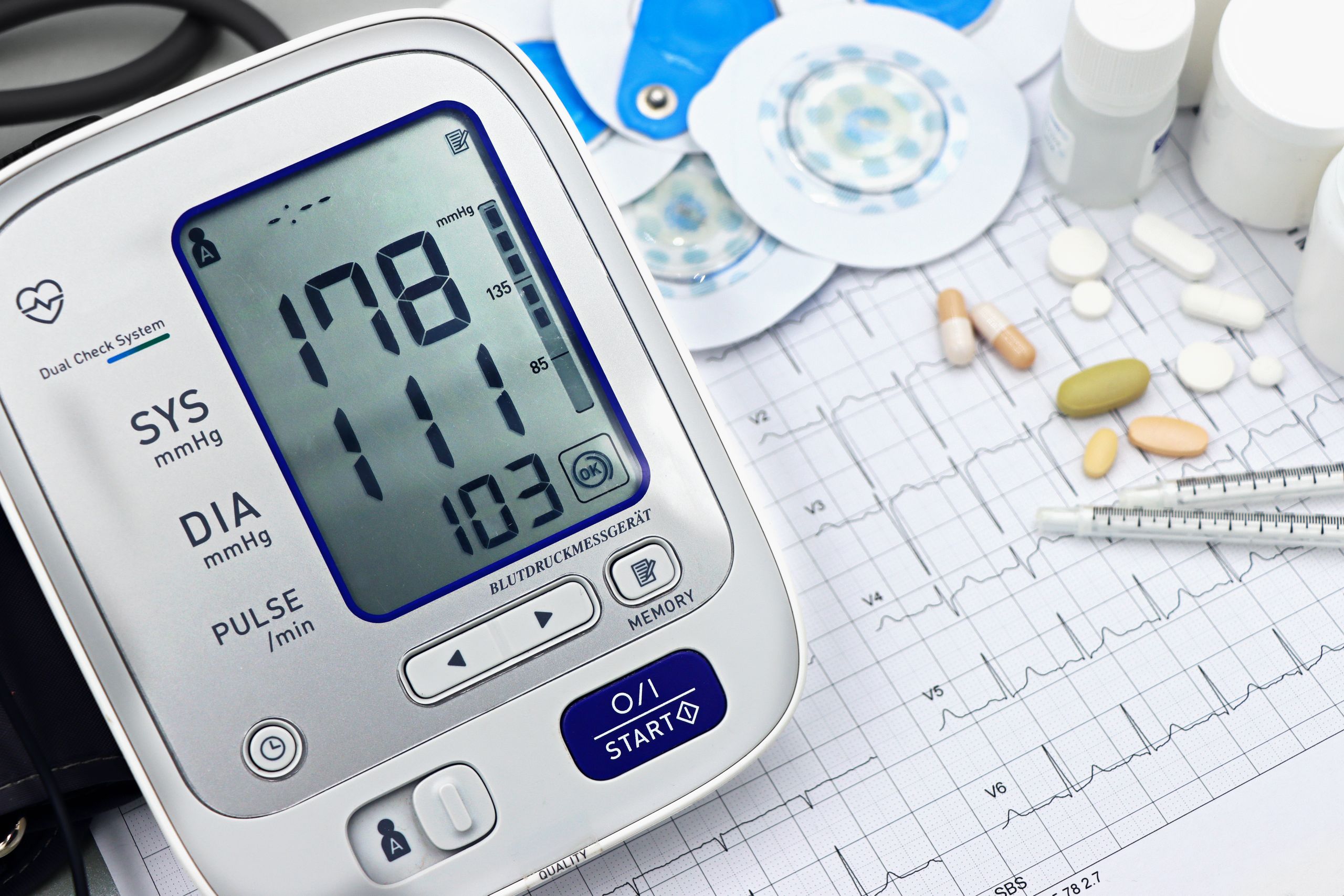
Sometimes, weight gain after 50 is not only about food and exercise. Thyroid problems, menopause changes, insulin resistance, sleep apnea, depression, chronic pain, and certain medications can all make weight harder to manage.
Ignoring these issues can leave people blaming themselves when their body is dealing with something deeper. A health check can be a smart first step, especially when weight gain is sudden, fatigue is strong, sleep is poor, or cravings feel out of control.
A doctor can review medications, blood sugar levels, hormone levels, thyroid symptoms, sleep concerns, and joint pain. Weight loss becomes more realistic when hidden barriers are finally addressed.
Conclusion
Losing weight after 50 is harder when we keep using old rules for a body that has changed. The biggest traps are not always dramatic. They are the daily habits that feel normal, such as skipping protein, sitting too long, sleeping badly, drinking calories, ignoring strength training, and letting weekends run wild.
The solution is not punishment. It is structured. We need meals that support muscle and movement throughout the day, strength training that keeps the body capable, sleep that supports better choices, and enough patience to let steady progress build.
After 50, weight loss is not about chasing the body we had decades ago. It is about protecting the body we need for the years ahead.