Wealthy retirees are diving headfirst into medical trends that most of us would hesitate to try. It might look glamorous on Instagram or sound like a life hack at exclusive wellness retreats. But the reality is far more worrying, and these choices can carry hidden risks that few want to admit.
From experimental supplements to extreme bio hacks and high-cost procedures, these trends reflect a growing obsession with longevity, performance, and youth. Some practices seem harmless at first, but their consequences ripple through health, lifestyle, and even finances.
Let’s explore eight terrifying reasons retirees are embracing these risky medical trends and why the movement is raising eyebrows across the U.S.
The Allure of Anti-Aging Obsessions
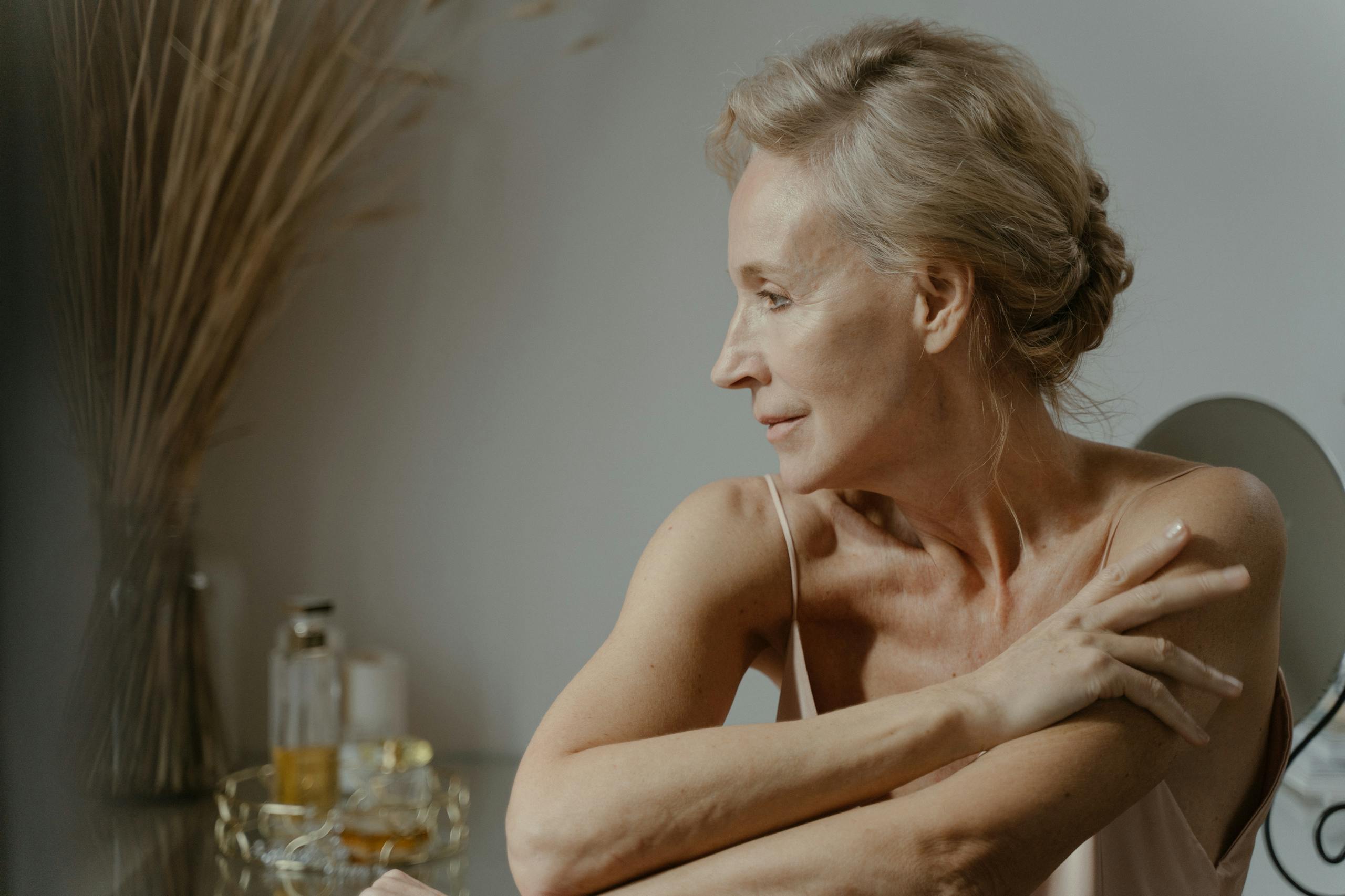
The first reason is the relentless pursuit of youth. Many wealthy retirees are investing heavily in treatments promising to reverse aging, from hormone therapies to cell regeneration protocols. These practices often operate in gray zones of research and regulation, making the risks hard to predict.
The obsession with staying young affects more than vanity. It influences behavior, social circles, and spending, leading some to prioritize experimental procedures over well-established preventive care. The worry is real: what appears glamorous can end up hazardous if not properly monitored.
This trend also feeds the culture of comparison. When your peers are flaunting the latest rejuvenation therapy, the pressure to participate can override rational judgment. People start asking themselves if it is worth the gamble for the promise of a decade or two of perceived vitality.
High-Risk Supplement Craze
Retirees are increasingly turning to supplements marketed as miracle solutions. From nootropics to exotic herbal extracts, many products are poorly regulated, yet aggressively promoted to the wealthy. This craze is worrying because overuse or untested combinations can create serious health complications.
Some of these supplements promise cognitive enhancement, weight management, or heart health benefits. But the line between experimental and dangerous is thin, and adverse reactions are surprisingly common. The allure of exclusivity and celebrity endorsement makes them even more tempting.
These products also encourage a false sense of security. Retirees may neglect lifestyle fundamentals like diet, sleep, and exercise because they assume a capsule or injection can replace years of healthy habits. It is a gamble that can backfire in the harshest ways.
Extreme Biohacking Practices

Biohacking has become a trendy lifestyle for the well-to-do retiree. From blood oxygen manipulation to cryotherapy and infrared sauna marathons, the trend often borders on extreme experimentation. People engage in practices with limited long-term evidence, raising serious health concerns.
The appeal is clear. Many retirees crave control over their bodies and see these protocols as tools to outsmart biology. But when experimentation involves needles, electrical stimulation, or restricted diets, it can easily turn hazardous.
The social pressure is undeniable. Wellness communities, both online and in elite circles, reward adherence and results, subtly encouraging riskier behavior. Retirees often rationalize extremes because the culture frames danger as cutting-edge rather than potentially harmful.
Cosmetic and Surgical Addiction
Cosmetic procedures are no longer limited to Botox or facelifts. Wealthy retirees are exploring radical surgeries to achieve youthful appearances, body sculpting, and even organ rejuvenation therapies. While glamorous, these practices carry serious post-procedure risks, from infection to long-term complications.
The obsession with surgical perfection extends beyond aesthetics. Retirees often cycle through procedures quickly, chasing incremental results. What begins as an elective choice can become a brutal pattern that strains both health and finances.
Moreover, some procedures lack sufficient peer-reviewed evidence. Clinics promote outcomes with marketing finesse, leaving patients with a false sense of safety. This combination of aspiration and overconfidence turns elective wellness into a potentially hazardous lifestyle.
Over-Medicalization of Daily Life
Many wealthy retirees are now approaching ordinary wellness through a medical lens. Wearables, constant testing, and endless monitoring create an environment where natural fluctuations are pathologized. Stress and anxiety emerge from interpreting every blip as a threat, which is both mentally exhausting and potentially harmful.
This trend shifts focus away from balanced living toward constant intervention. Meals, sleep schedules, and social interactions are modified to accommodate perceived optimal parameters. Ironically, the very obsession intended to improve longevity can accelerate stress-related health issues.
Social media exacerbates this pattern. Seeing peers meticulously track every metric reinforces the belief that medical intervention trumps lifestyle intuition. It is a harsh cycle that few outsiders fully appreciate.
Trendy Alternative Therapies
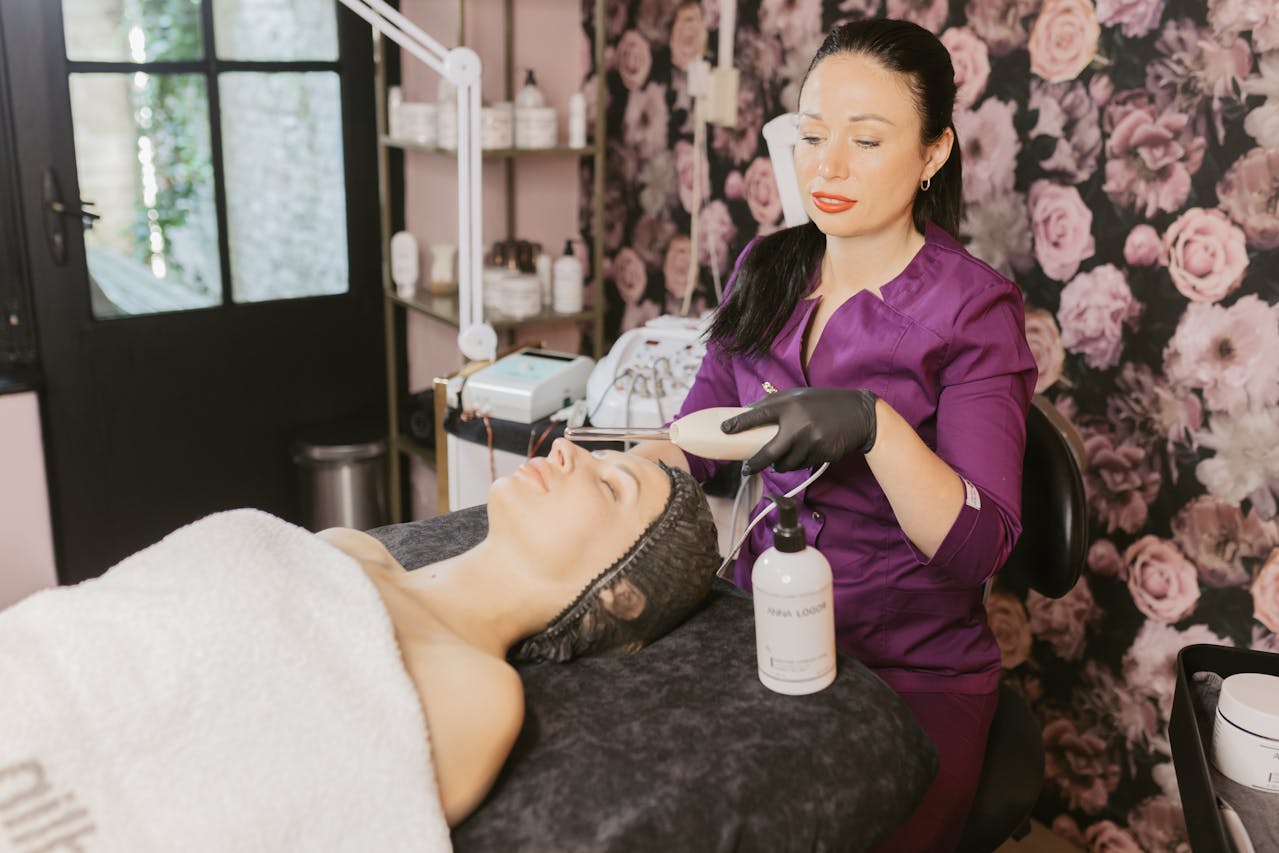
Alternative therapies have become increasingly popular among wealthy retirees. Practices like chelation therapy, extreme detoxes, and unregulated stem cell treatments attract those seeking unique health advantages. Many of these therapies have limited clinical validation, making them potentially dangerous.
The promise of cutting-edge health attracts retirees eager to feel in control of their bodies. The downside is that these therapies sometimes interfere with essential medications or exacerbate underlying conditions. What is promoted as wellness can quickly become a hazardous experiment.
Additionally, the cultural emphasis on virality makes the adoption of these trends more extreme. Experiences shared online and at elite retreats normalize risk in ways that make traditional medical caution seem old-fashioned or boring.
Viral Health Challenges and Social Pressure
Some retirees are following viral wellness challenges that spread through social media. From fasting marathons to experimental nutrition programs, participation is framed as an elite and spiritual lifestyle choice. The consequences can be harsh, particularly for bodies not accustomed to extreme stressors.
Peer validation often trumps medical advice. People take unnecessary risks to show commitment to trending regimens. This is worrying because injuries, electrolyte imbalances, and even hospitalizations have become common in the pursuit of social proof.
The trend also highlights the cultural obsession with appearance and performance. Retirees may adopt dangerous protocols to signal vitality or wellness status, ignoring the personal cost. Online virality has become a vector for risky behavior disguised as lifestyle empowerment.
Financial Hazards of High-Cost Treatments

Finally, the costs associated with these risky medical trends are alarming. Some procedures and protocols cost more than traditional care, yet they offer uncertain results. Retirees risk massive financial loss without guaranteed health benefits, creating stress that compounds the physical risks.
The financial gamble can influence daily life choices. Luxury travel, dining, and hobbies may be sacrificed to sustain a wellness obsession. At the same time, some retirees incur debt or liquidate assets, potentially making their lifestyle unsustainable.
Ultimately, money does not insulate one from risk. These trends demonstrate that wealth can amplify access to hazards, not immunity from them. The combination of financial, physical, and social pressures makes the pursuit of these trends a triple threat.
Conclusion
Wealthy retirees are embracing risky medical trends for youth, control, and lifestyle prestige. But the reality is brutal: over-medicalization, extreme procedures, viral influence, and high-cost experimentation can have terrifying consequences. These choices ripple through health, emotions, finances, and social dynamics, leaving both the individuals and observers concerned.
It is tempting to chase longevity and wellness in visible ways, but the hidden dangers are substantial. Retirees must weigh aspiration against risk and consider moderation before indulgence turns into hazard. For the rest of us, the lesson is cautionary: lifestyle trends are rarely harmless, especially when glamour masks risk.