The screen flips around, the cashier looks away, and suddenly you are choosing between 18%, 22%, and 25% for a bottle of water you grabbed yourself. Behind you, someone sighs. Your thumb hovers over “no tip” like you are defusing a tiny social bomb.
That awkward moment has become part of American life. People want to be decent. They know many service workers depend on tips, and they do not want to look cheap in public.
Still, tipping has spread into places where it never used to live. Many Americans now feel worn down by prompts, jars, checkout screens, and silent guilt, especially as negative tipping views keep growing.
That is why it helps to know the workers you don’t need to tip at all. Generosity is great, but confusion is expensive.
Retail Cashiers

Retail cashiers at clothing stores, grocery stores, pharmacies, big-box chains, and convenience stores are not usually part of the traditional tipping system. If they scan your items, bag your purchases, or ring up a standard transaction, you can smile, say thanks, and keep your money.
A tip screen may still appear because payment systems make it easy for businesses to ask. That does not mean the moment requires a tip. A cashier doing a normal retail checkout is different from a restaurant server, bartender, or delivery driver whose pay may be built around gratuities.
Doctors and Nurses
Medical workers deserve respect, patience, and gratitude, but tipping them is not the right way to show it. Doctors, nurses, dentists, pharmacists, and other licensed health professionals operate in settings where gifts and money can raise uncomfortable ethical questions.
A thank-you card, kind review, or respectful follow-up is better. Healthcare should not feel like a restaurant booth where the patient has to add a little extra to be treated with care.
Teachers
Teachers often spend their own money on classroom supplies, snacks, and student activities. That makes many parents want to show appreciation, especially around holidays or the end of the school year.
Still, cash tips are not expected. A handwritten note, classroom supply donation, or small-group gift is usually more appropriate, since teaching is a professional role, not a tipped service job.
Police Officers and Firefighters
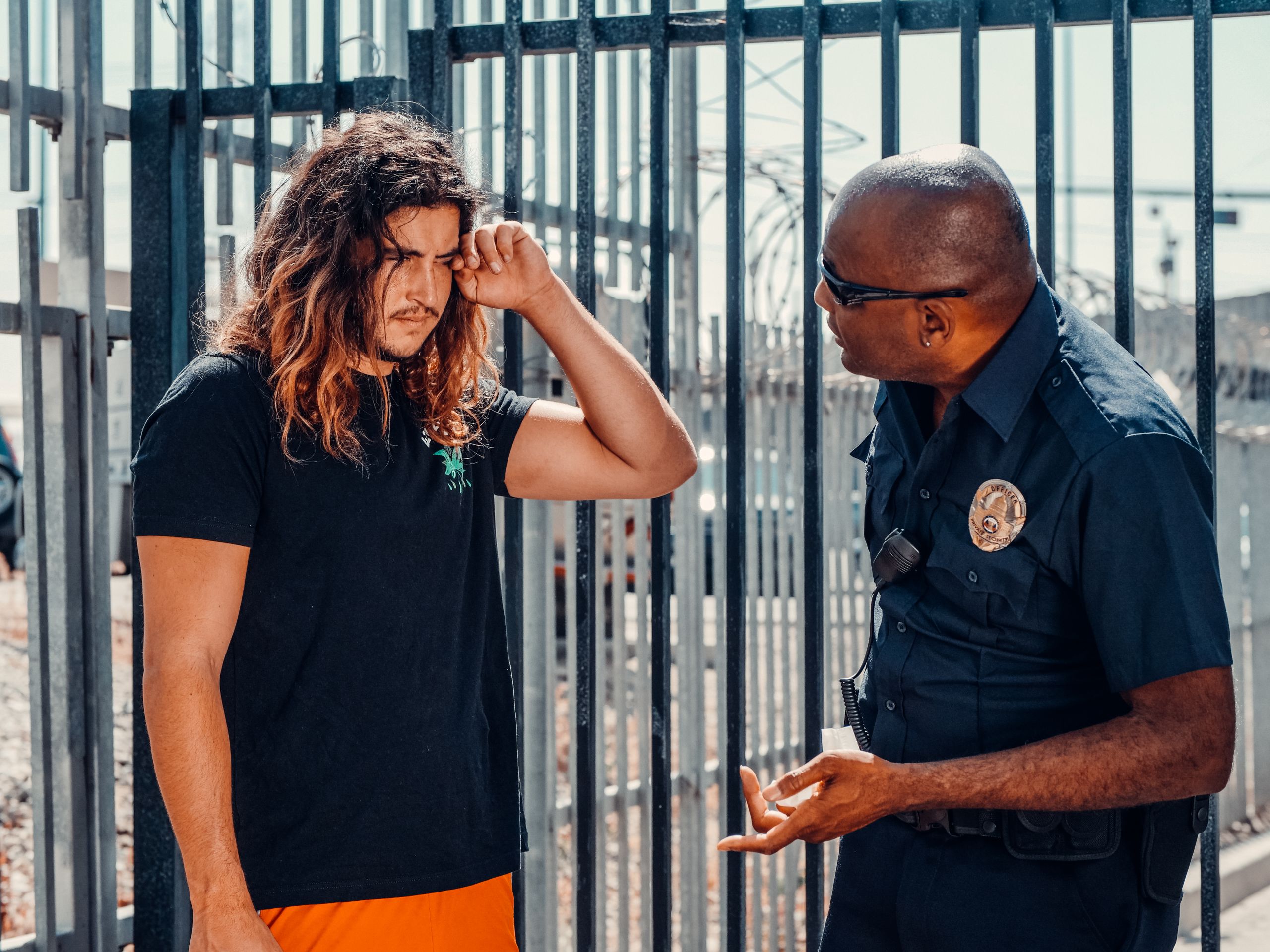
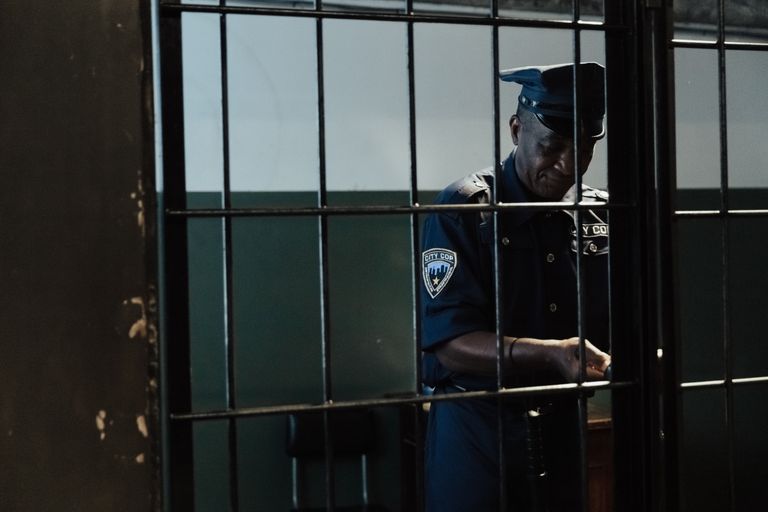
Emergency workers are public servants, not private service providers waiting on a gratuity. If an officer helps after a crash or firefighters respond to a home emergency, the proper response is gratitude, cooperation, and respect.
Cash can create the wrong impression fast. Public employees often face strict gift rules, and federal guidance treats many gifts tied to official positions as restricted under outside-source rules.
Flight Attendants
Flight attendants bring drinks and snacks, but their main job is safety. They handle emergencies, medical issues, passenger conflicts, boarding problems, and federal rules at 35,000 feet.
That is why tipping them is not generally expected. A kind thank-you, calm behavior, and a positive note to the airline can mean more than awkwardly trying to hand over cash during beverage service, especially since tipping flight attendants is not generally expected.
Bank Tellers and Financial Staff
Bank tellers, loan officers, insurance agents, and financial advisors are not people you need to tip. Their job is tied to financial services, trust, compliance, and professional advice, not a gratuity culture.
Money is already sensitive in these settings. Adding a tip can make the interaction feel strange, especially when the worker is handling your accounts, loan paperwork, or personal financial details.
Accountants and Tax

A good accountant can save you stress, time, and possibly money. That does not mean you should add a tip after your tax return is filed.
These workers charge fees for professional services. If they do excellent work, send referrals, leave a positive review, or return next year. That kind of support fits the relationship better than a surprise cash gratuity.
Lawyers and Legal Staff
Legal Feel Like a Tipping Moment. Legal help can be expensive, emotional, and deeply personal. A lawyer may guide you through a divorce, lawsuit, immigration case, business issue, or family dispute, but tipping does not belong in that relationship.
You already pay by the hour, on a flat fee basis, on a retainer, or under agreed billing terms. If the service was strong, a thoughtful review or referral carries more weight and keeps the professional boundary clean.
Contractors, Plumbers, and Electricians
Home repair work can feel personal because these workers enter your space and solve problems that disrupt daily life. When the sink leaks, the power fails, or the heater stops working, relief can make you want to offer more.
Still, skilled trades usually set prices through estimates, invoices, labor rates, and materials. You do not need to tip a plumber, electrician, roofer, painter, or general contractor who charges you for the job. Cold water on a hot day or a sincere thank-you is enough.
Mail Carriers

Mail carriers are part of a service many households rely on daily, so people often want to thank them during the holidays. That instinct is kind, but cash is not the right move.
Postal workers have rules regarding gifts, and cash or cash equivalents are not allowed under the “Cash Equivalents Banned ” guidance. A small gift or note is fine, but you do not need to tip your mail carrier like a restaurant server.
Key Takeaway
The workers you don’t need to tip at all are usually professionals, public employees, retail staff, or workers whose pay is already built into the price, fee, salary, contract, or invoice. Skipping a tip in those moments is not rude. It is normal.
Tipping still matters in places where workers traditionally rely on gratuities, especially restaurants, bars, salons, hotels, rideshare, and delivery. Federal labor rules even define a tipped employee through a tipped employee definition, which shows why not every worker fits the same category.
The cleanest rule is simple. Tip well when tipping is part of the job’s pay culture, and stop feeling guilty when it is not. A tip should be a voluntary customer payment, not a panic response to a glowing screen.