Ancient civilizations didn’t have supermarkets or modern cooking techniques, so people ate foods that might seem shocking or even repulsive today. What we now consider odd or extreme was often survival, culture, or innovation at work. From pungent fish sauces to blood-based porridges, these dishes reveal a world where flavor, nutrition, and resourcefulness often collided in ways that would unsettle modern eaters.
Garum Fermented Fish Sauce
Romans loved garum, a fish sauce made from fermented guts left to rot in the sun. It smelled overwhelming to outsiders, but was poured liberally over dishes for flavor. This pungent condiment was considered a kitchen essential, showing how ancient cooks valued strong tastes and resourcefulness over cleanliness as we understand it today.
Dormice Roasted Rodents
Romans didn’t just eat fish or vegetables; they roasted dormice as delicacies. Fattened in special pens, these small rodents were served as appetizers at elite gatherings. While modern palates might recoil, dormice symbolized wealth and ingenuity, highlighting how different survival and status standards shaped ancient diets.
Beer Bread in Ancient Egypt
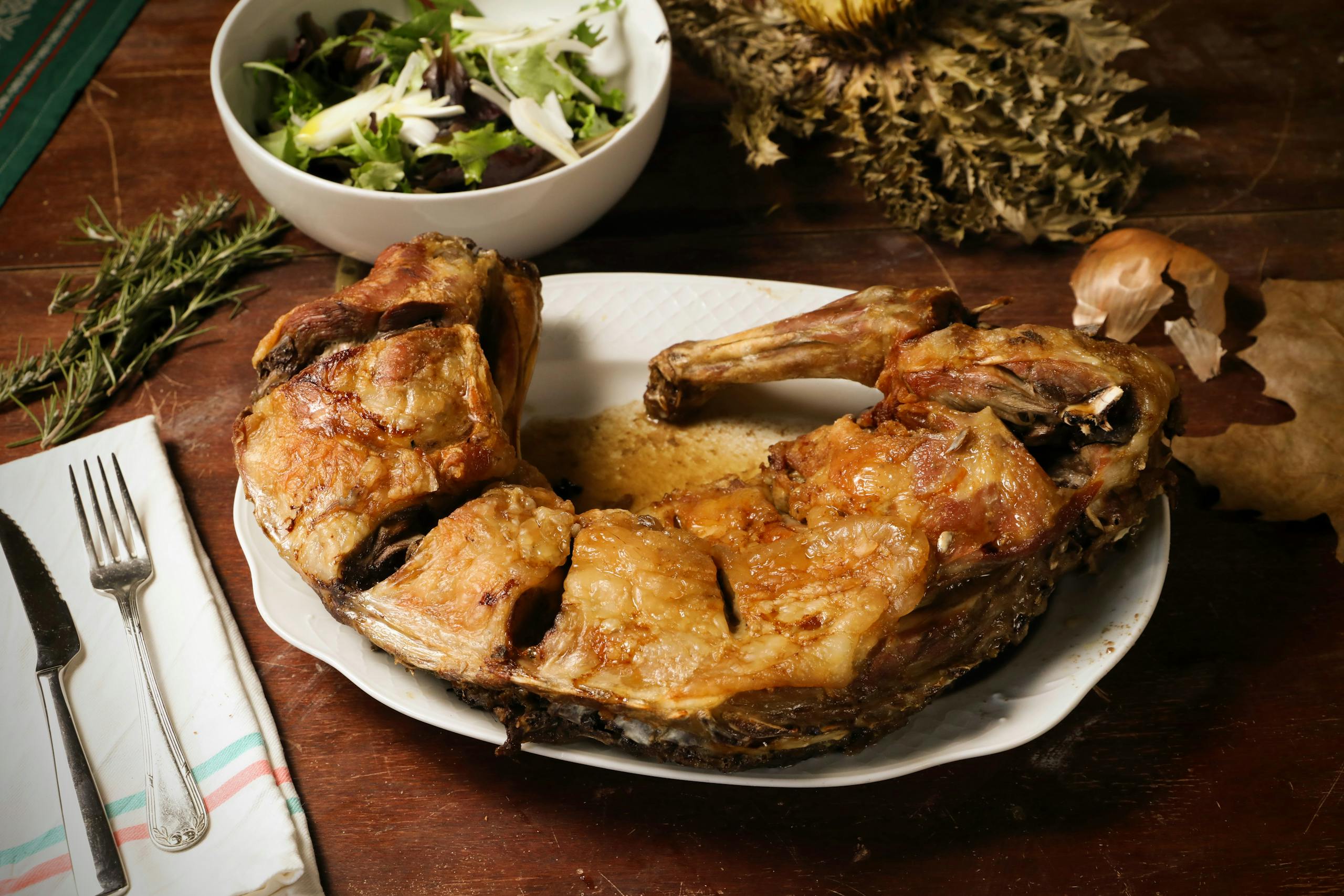
In Egypt, bread was often baked with fermented beer yeast, giving loaves a dense, alcoholic flavor. Consumed daily by workers and royalty alike, this bread was both a staple and a source of sustenance. The combination of grain and fermentation illustrates how necessity shaped cuisine, creating practical, if unusual, foods by today’s standards.
Mayan Chocolate Drink
The Mayans consumed chocolate as a bitter, spicy beverage, sometimes enhanced with chili or maize. Unlike today’s sweetened chocolate, this drink was thick, frothy, and intensely bitter, valued for its nutritional and ritual value. It underscores how ancient cultures adapted natural resources to create culturally significant yet peculiar flavors.
Roman Seafood Paste (Put)
Romans crushed fish, shellfish, and herbs into a thick paste called put. Used as a condiment, it added flavor to otherwise bland meals. To modern sensibilities, it seems revolting, but it was practical, economical, and a way to utilize every edible part of seafood. Resourcefulness often outweighed palatability in ancient kitchens.
Greek Honey Cakes
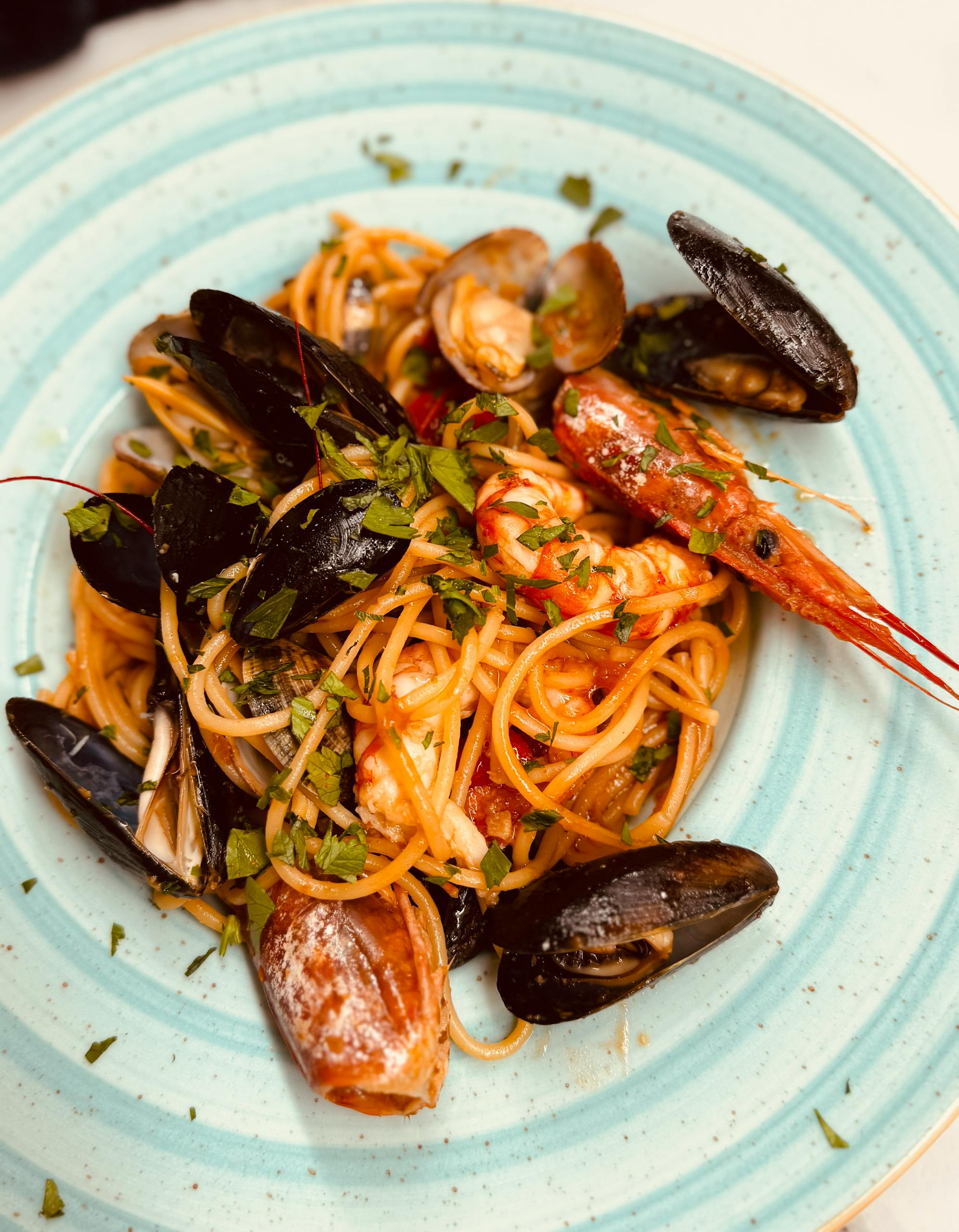
Greeks relied on honey as their primary sweetener, making sticky, dense cakes often enriched with nuts and seeds. These treats were rare luxuries for festivals, showing how sweet flavors were reserved and celebrated. Modern desserts may seem refined, but these cakes reflect the creativity and symbolism baked into ancient sweets.
Incan Freeze-Dried Potatoes (Chuño)
The Incas left potatoes to freeze in cold Andean nights, then stomped them into dry chunks called chuño. This method preserved food for months, providing survival nutrition in harsh climates. Freeze-drying was a sophisticated technique, proving that ancient people innovated remarkably with limited technology.
Mesopotamian Lentil Stew
Lentils were a staple in ancient Mesopotamia, cooked with herbs and grains into hearty stews. This simple, protein-rich meal sustained large populations. It shows how humble ingredients can feed civilizations, proving that the longevity of staple foods often depends more on nutrition and accessibility than on taste.
Viking Blood Porridge
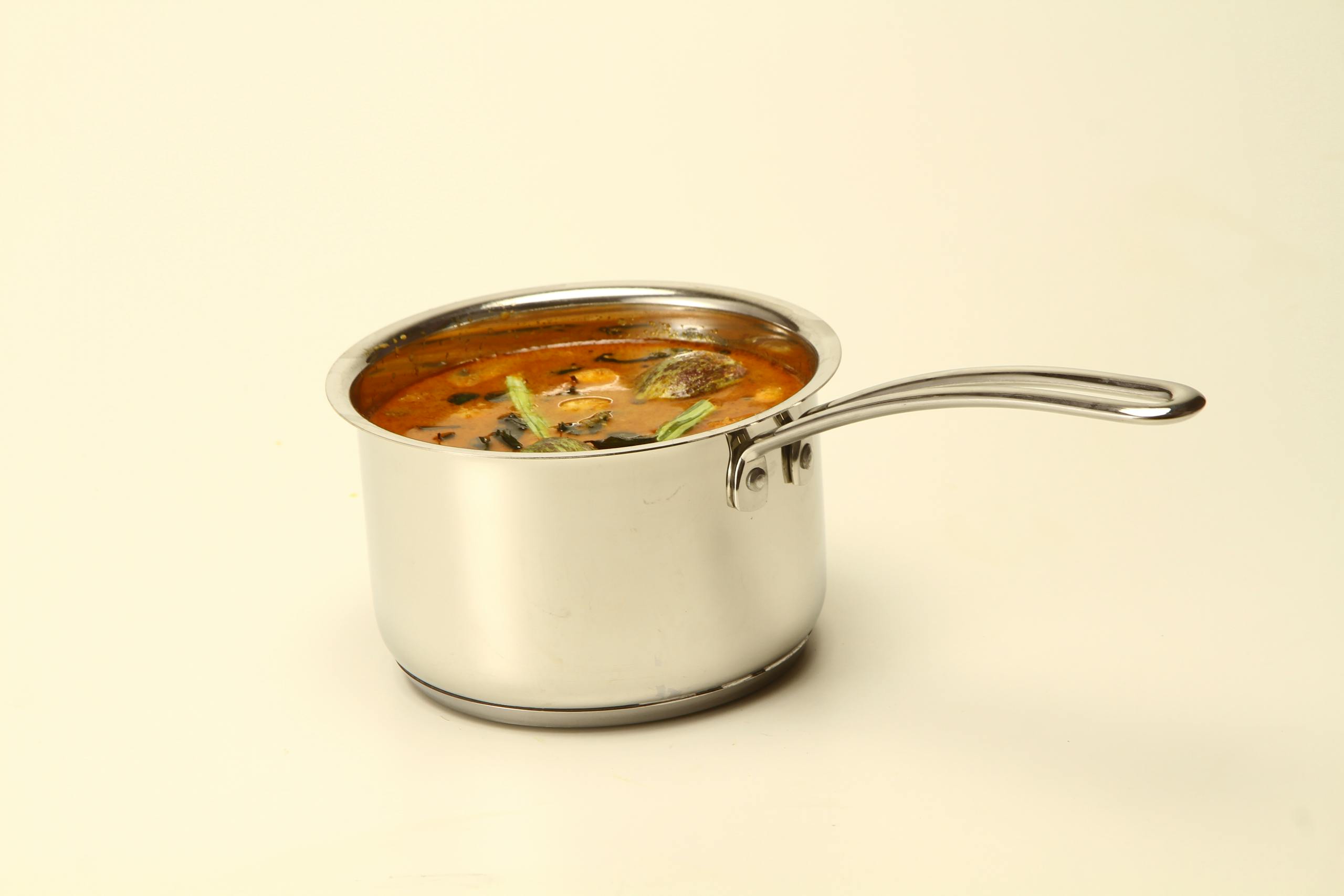
Vikings mixed animal blood into oatmeal or porridge to boost iron and calories during harsh winters. While gruesome to modern eaters, this practice maximized the nutritional value of livestock. Blood-based foods were survival mechanisms, highlighting how necessity can normalize practices that seem horrifying today.
Ancient Chinese Fermented Foods
Ancient Chinese cuisine included fermented vegetables, grains, and beans to preserve them. Salty, sour, and pungent, these early ferments created unique flavors while extending shelf life. Fermentation was a survival tactic that produced foods modern eaters enjoy in milder, more palatable forms.
Roman Pickled Dormice
Beyond roasting, Romans also pickled dormice in brine and honey to preserve and enhance flavor. This delicacy showcased culinary experimentation and practical food storage, combining novelty with resourcefulness. While off-putting today, it was a prized item at banquets.

Phoenician Fish Paste
Phoenicians created garum-like pastes from fermented fish to season meals and trade across the Mediterranean. Strong-smelling and potent, it preserved seafood while adding umami. These ancient condiments laid the groundwork for modern sauces and highlight the resourceful use of available ingredients.
Ancient Egyptian Onion Bread
Egyptians often baked onions into bread for flavor and nutrition. The aroma would be pungent and strong, unusual to modern tastes, but onions were abundant, affordable, and offered health benefits. Combining staple grains with readily available vegetables illustrates how necessity and ingenuity shape cuisine.
Conclusion
Ancient diets often balanced survival, resourcefulness, and taste in ways that challenge modern sensibilities. From fermented fish to blood porridges, these 13 foods reveal a past where practicality and culture dictated what people ate, not convenience or flavor alone. Exploring these dishes reminds us how culinary creativity often arises from necessity, showing that what seems strange today was once essential, edible, and even celebrated.