Many younger Americans grew up hearing the same promise from parents, teachers, and older relatives. Work hard, stay responsible, save what you can, and life will slowly come together. The advice sounded simple because, for many boomers, the path to stability looked clearer. It did not mean life was easy, but it often meant the basics felt possible.
Today, that same promise feels harder to believe. A paycheck can disappear into rent, groceries, insurance, gas, and debt before the month even settles down. Younger adults are not just chasing luxury cars or designer vacations. Many are chasing the ordinary life that their parents once took for granted.
That is why this conversation feels so emotional. Boomers remember sacrifice, long hours, and careful budgeting, and many of them truly worked hard to build what they have. Younger Americans see a different economy in which even careful people can feel stuck. The tension comes from two generations looking at the same dream through very different price tags.
These things boomers could afford now feel like luxuries because the ground underneath adulthood has shifted. A starter home, a family car, a college degree, health care, and child care once looked like regular milestones. Now, they often require debt, delay, family help, or serious luck. For many younger Americans, ordinary stability has started to feel like a premium lifestyle.
A Starter Home That Did Not Feel Impossible

For many boomers, a starter home was not supposed to look perfect. It could have an old carpet, a small kitchen, one bathroom, and a yard that needed work. The point was not luxury, but ownership, privacy, and a place to build a future. That kind of modest first home gave many families a real starting line.
Younger Americans now enter a market where even basic homes can feel painfully expensive. The median home price shows how far home prices have climbed over time. Saving for a down payment can feel impossible when rent already takes a major share of income. What once looked like a first step now feels like a financial mountain.
College Without Crushing Debt
Many boomers could attend public college without taking on debt for half their adult lives. Some worked summer jobs or part-time jobs that actually helped cover tuition, books, and basic living costs. A degree still required effort and sacrifice, but it did not always arrive with a lifelong bill attached. For many families, college felt like a doorway into the middle class.
Younger Americans often see college as both necessary and risky. Rising annual college costs have made higher education feel like a major financial gamble. Students can graduate with ambition, talent, and a degree, yet still begin adulthood already behind. That burden changes when they buy homes, start families, save money, or choose careers.
A New Car That Felt Like Progress
A new car once represented progress for many boomer households. It meant reliable transportation, fewer repair worries, and the freedom to get to work without praying the engine would start. Families did not always buy fancy vehicles, but a basic new car felt within reach. It was a purchase that marked stability, not financial panic.
Younger buyers often feel pushed out at car lots before the conversation even begins. Higher new-car prices have led many people to rely on used cars, longer loan terms, or vehicles with expensive repair problems. A car is still necessary in much of America, especially outside major cities. That makes the cost feel less like a choice and more like another trap.
Health Insurance That Felt Like Real Protection

For many boomers, a steady job often came with health insurance that felt like real protection. It was not perfect, and families still had bills to pay, but coverage often gave people peace of mind. Workers could believe that employment offered more than a paycheck. It offered a sense that one illness would not immediately destroy the household.
Younger workers can have insurance and still feel financially exposed. Rising family health premiums make health coverage feel like another high monthly cost. Deductibles, copays, prescriptions, and surprise bills can make care feel like a stressful calculation. For many families, getting sick now comes with fear that reaches far beyond the diagnosis.
Child Care That Did Not Swallow a Paycheck
Many boomer families found child care through relatives, neighbors, church networks, or local centers that felt more affordable. Some households could survive on a single income, making it more realistic to stay home with children. The choices were not always easy, especially for mothers who wanted careers. Still, child care did not always feel like a second mortgage.
Younger parents face a much harsher calculation. High child care prices can make working full-time feel strangely unprofitable. A parent may earn a paycheck, then watch most of it disappear into daycare before bills are even paid. That pressure shapes family size, career choices, marital stress, and the timing of childbearing.
One Income That Could Carry a Household
Many boomers remember families where one steady income could cover the basics. It may not have created a glamorous lifestyle, but it could often pay the mortgage, buy groceries, cover utilities, and keep children clothed. The family still had to budget carefully and avoid waste. Yet one paycheck could sometimes support an entire home with dignity.
Younger Americans often need two incomes just to stay afloat. Rent, food, gas, insurance, phone bills, medical costs, and debt payments leave little space for savings. Even couples who both work full-time can feel like they are constantly catching up. That creates exhaustion, resentment, and the quiet fear that one emergency could undo everything.
A Family Vacation Without Heavy Guilt

For many boomer families, vacations did not always mean luxury resorts or overseas trips. A road trip, a week at the beach, a campground, or a motel near an amusement park could still feel special. The memories mattered more than the price tag. Families could often take a break without feeling like they had betrayed the budget.
Younger families now treat even simple travel like a financial negotiation. Gas, flights, hotels, food, tickets, pet care, rental cars, and missed work can add up quickly. A vacation can feel less like rest and more like a bill wearing sunglasses. Many parents want to give their children memories, but they also fear what those memories will cost.
Groceries That Did Not Feel Like a Weekly Warning
Older Americans often remember grocery shopping as a normal household chore. Families still looked for sales, clipped coupons, stretched leftovers, and chose cheaper brands. Even so, filling a cart did not always feel like a dramatic financial event. Food felt like a basic need, not a weekly reminder of economic pressure.
Younger shoppers often walk through grocery aisles doing quiet math in their heads. They compare sizes, skip snacks, change dinner plans, and put items back when the total climbs too fast. A full cart can create relief and anxiety at the same time. The grocery store has become one of the clearest places where people feel their money shrinking.
Retirement That Looked Reachable
For many boomers, retirement had a more believable shape. Some workers had pensions, rising home equity, Social Security, and years of savings built during a more forgiving economy. Retirement still required planning, discipline, and luck. Yet it felt like a real finish line after decades of work.
Younger Americans often talk about retirement with nervous humor because it feels so far away. They are told to save early, but rent, student loans, credit card bills, car payments, and health care costs keep arriving first. Many do not doubt the importance of saving. They simply struggle to find the money after paying today’s bills.
An Emergency Fund That Could Actually Grow
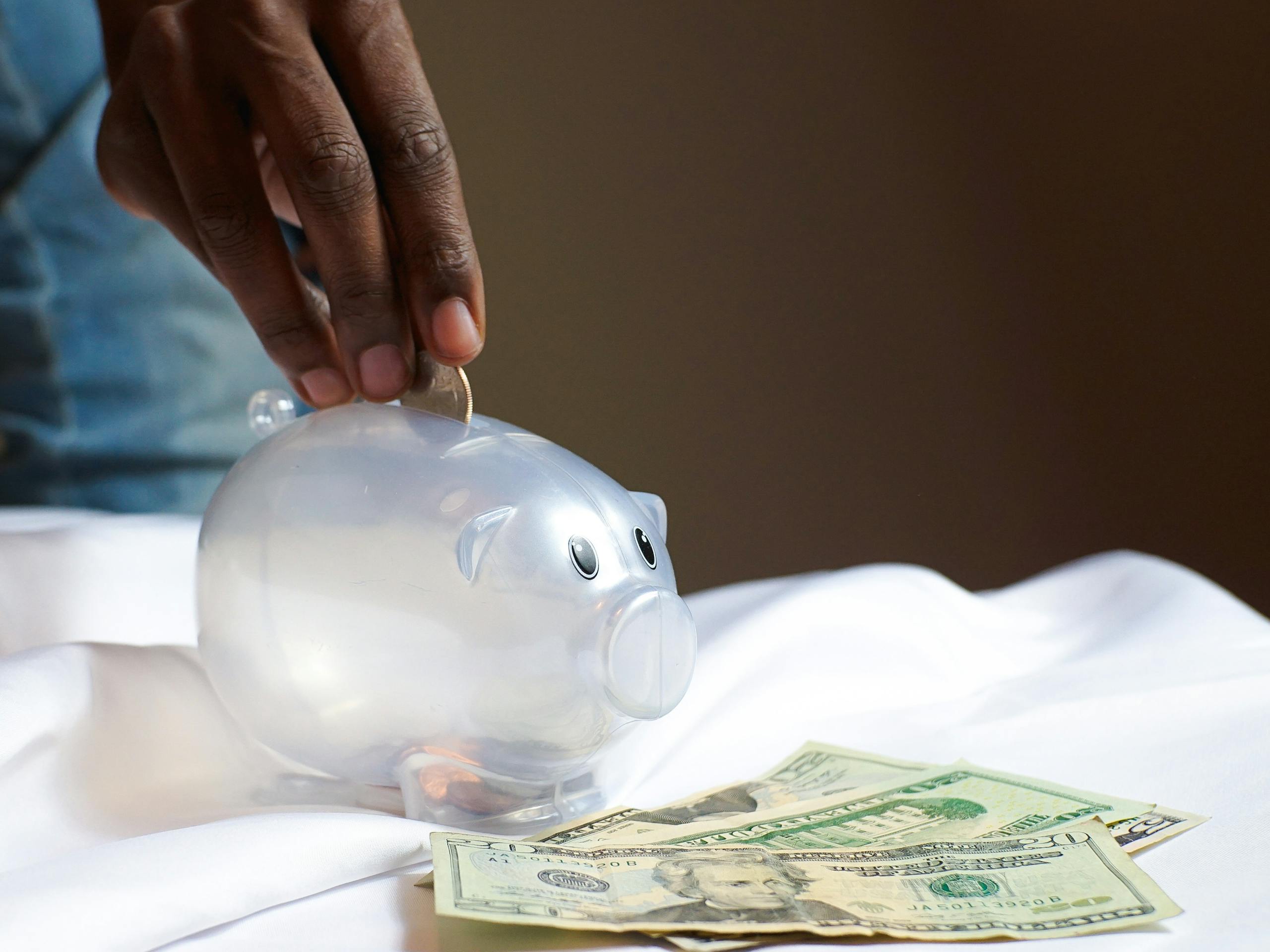
Boomers were often taught to set aside money for emergencies. For many households, that goal was difficult but still realistic with steady work and careful spending. A broken appliance, car repair, or medical bill could hurt without destroying everything. Emergency savings gave families a small sense of control.
Younger Americans may want the same cushion, but life often moves faster than their savings can keep up. One dental bill, a flat tire, a rent increase, or a missed paycheck can erase months of progress. The emergency fund becomes something they restart again and again. That cycle makes stability feel fragile, even for people who are trying hard.
Conclusion
These things boomers could afford were not always fancy or effortless. Many older Americans worked long hours, made sacrifices, lived within limits, and built their lives slowly. Still, the ordinary milestones of adulthood often felt more reachable than they do now. A home, a car, college, health care, child care, groceries, and retirement did not always feel like luxury goals.
For younger Americans, those same basics can carry the weight of a dream life. They require more debt, more planning, more income, and more emotional endurance. That is why generational money conversations can turn tense so quickly. People are not only arguing about budgets, but about the meaning of a stable life.
The real question is not which generation worked harder. The better question is why so many normal parts of adulthood now feel out of reach for people who are working, saving, and still falling behind. When ordinary life starts to look like luxury, something deeper has changed. That is the part younger Americans want older generations to understand.